
The allure of lush greenery can transform any living space into a tranquil oasis, and the Boston Fern (Nephrolepis exaltata) is a perennial favorite for plant enthusiasts. Its cascading fronds bring a touch of nature indoors, reminiscent of exotic locales and vibrant ecosystems. However, for pet owners, the integration of any new plant into their home environment necessitates a careful consideration of potential hazards. The question of whether the Boston Fern poses a risk to our feline companions is a common one, and understanding its toxicity is paramount for ensuring a safe and harmonious coexistence between pets and plants. This exploration delves into the characteristics of the Boston Fern, its potential impact on cats, and provides guidance for plant-loving pet owners.

Understanding the Boston Fern’s Nature
The Boston Fern, often recognized for its feathery, arching leaves, is a true botanical gem. Native to tropical regions, including parts of Mexico, the West Indies, and South America, it thrives in humid, shaded environments. Its popularity as a houseplant stems from its air-purifying qualities and its ability to adapt to indoor conditions, provided it receives adequate moisture and indirect light. Unlike some of its more flamboyant botanical cousins, the Boston Fern is characterized by its understated elegance, making it a versatile addition to various interior design styles.
Botanical Classification and Common Misconceptions
The Boston Fern belongs to the Asparagaceae family, a group known for its diverse range of ornamental plants. It is crucial to distinguish the true Boston Fern from other plants that may share similar names or appearances but possess different toxicological profiles. Misidentification can lead to unnecessary worry or, conversely, a false sense of security.
Growing Conditions and Habitat
To fully appreciate the Boston Fern, understanding its natural habitat offers insight into its care requirements. In the wild, it flourishes in the understory of rainforests, often found clinging to trees or rocks where moisture is abundant and direct sunlight is filtered by a dense canopy. This translates to indoor care that emphasizes consistent humidity, well-draining soil, and protection from harsh, direct light. For those seeking to recreate a naturalistic feel in their homes, mimicking these conditions can be a rewarding endeavor.
The Verdict: Boston Fern and Feline Safety
The primary concern for cat owners revolves around the inherent toxicity of plants. Fortunately, when it comes to the Boston Fern, the news is overwhelmingly positive.
Non-Toxic Status According to Reputable Sources
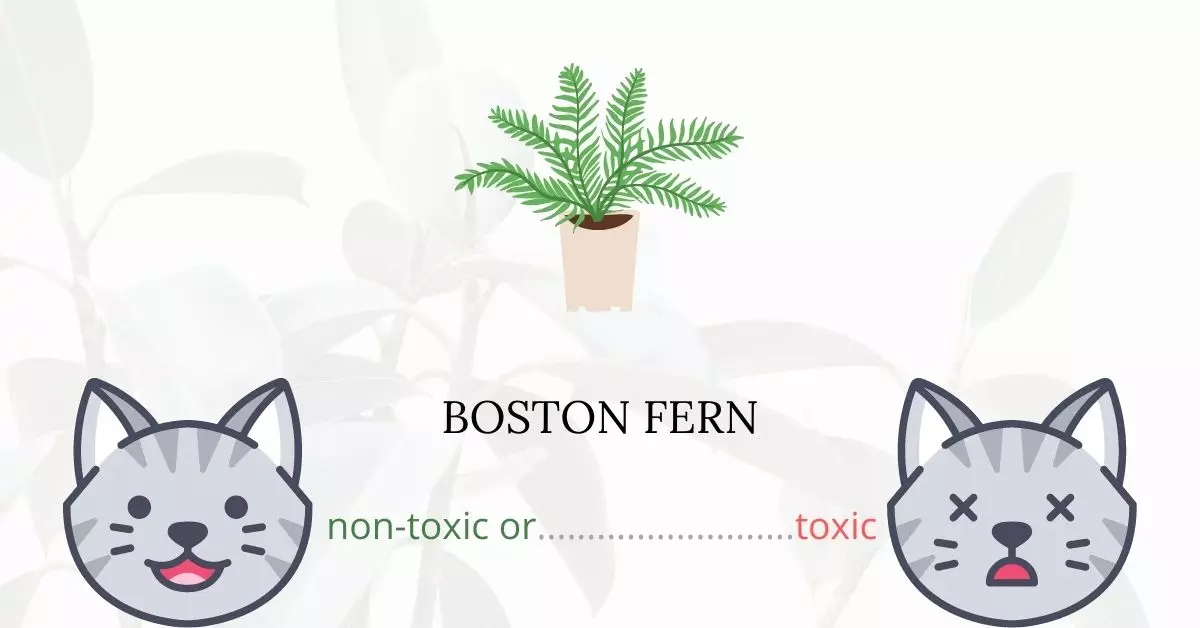
Leading veterinary organizations and poison control centers, such as the American Society for the Prevention of Cruelty to Animals (ASPCA), consistently list the Boston Fern as a non-toxic plant to cats, dogs, and horses. This designation is based on extensive research and a history of reported cases. It means that even if a cat were to ingest small amounts of the Boston Fern, it is unlikely to cause significant illness or adverse health effects.
Potential for Mild Upset

While non-toxic, it is important to acknowledge that any plant material, when ingested by a cat, can potentially lead to mild gastrointestinal upset. Cats are obligate carnivores with sensitive digestive systems. Chewing on or swallowing leaves, regardless of their toxicity, can sometimes result in symptoms like vomiting or diarrhea. This is generally due to the physical presence of the plant matter in the stomach and is not indicative of poisoning.
Differentiating from Toxic Fern Varieties
It is vital to differentiate the Boston Fern from other plants that are colloquially referred to as “ferns” but belong to different botanical families and may indeed be toxic. For instance, some members of the Pteridaceae family, or other plants with fern-like foliage, might pose risks. Always verify the specific botanical name of any plant before introducing it into a household with pets. Resources like the ASPCA’s Toxic and Non-Toxic Plant List are invaluable for this purpose.
Creating a Cat-Safe Green Sanctuary
Even with non-toxic plants like the Boston Fern, responsible pet ownership involves creating a safe environment where both pets and plants can thrive.
Strategic Plant Placement
While the Boston Fern is not toxic, strategic placement can still be beneficial. If your cat has a penchant for digging or is prone to chewing on plants, placing the Boston Fern in a hanging basket or on a high shelf can deter unwanted interaction. This not only protects the plant but also prevents potential minor digestive issues for your pet. Consider areas where the fern can receive appropriate light while remaining out of immediate reach for curious paws.
Encouraging Alternative Behaviors
If your cat shows an interest in plant-munching, it can be an indicator of boredom or a lack of suitable chewing alternatives. Providing your cat with their own safe chewing options, such as cat grass or specialized dental treats, can redirect their attention. Engaging your cat in regular play sessions can also help fulfill their need for stimulation and reduce their inclination to explore houseplants.
Monitoring Your Cat’s Behavior
Even with non-toxic plants, it’s always wise to observe your cat’s behavior after introducing new items into their environment. If you notice any unusual symptoms, such as persistent vomiting, diarrhea, lethargy, or a change in appetite, it’s essential to consult with your veterinarian. While unlikely with a Boston Fern, this vigilance is a cornerstone of responsible pet care.
The Wonders of Indoor Gardens for Pet Owners
Embracing indoor gardening does not have to mean compromising on pet safety. The world of houseplants offers a plethora of options that are both beautiful and benign for our furry friends. Beyond the Boston Fern, many other varieties, such as the Spider Plant, the Areca Palm, and the Christmas Cactus, are also considered safe. Creating a verdant retreat within your home is achievable and can significantly enhance the aesthetic and well-being of your living space, all while ensuring the safety of your beloved pets. The key lies in informed choices and mindful integration, allowing both nature and companionship to flourish harmoniously.
LifeOutOfTheBox is a participant in the Amazon Services LLC Associates Program, an affiliate advertising program designed to provide a means for sites to earn advertising fees by advertising and linking to Amazon.com. Amazon, the Amazon logo, AmazonSupply, and the AmazonSupply logo are trademarks of Amazon.com, Inc. or its affiliates. As an Amazon Associate we earn affiliate commissions from qualifying purchases.