
A Comprehensive Exploration for Long-Term Stays
The question of whether Boston, MA is a good place to live is one that resonates with many considering a move to this historic and vibrant East Coast city. As a premier destination for education, innovation, and culture, Boston offers a unique blend of opportunities and challenges that make it a compelling, albeit complex, choice for a long-term residence. This analysis delves into the various facets that contribute to Boston’s appeal and drawbacks, focusing specifically on the practicalities and advantages of establishing a permanent home here.
Cost of Living and Housing Market Dynamics
One of the most significant considerations for anyone contemplating a long-term stay in Boston is the cost of living, which is notoriously high. This is largely driven by the city’s robust economy, strong job market, and desirable location. Housing, in particular, represents a substantial portion of the budget.
Housing Options and Affordability
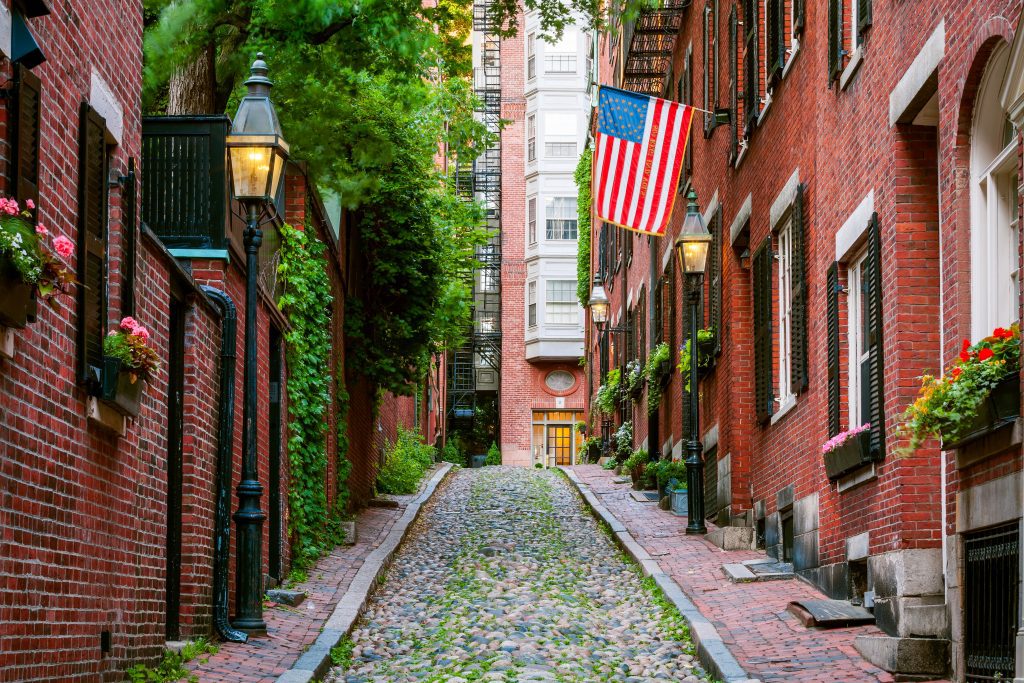
Boston offers a diverse range of housing options, from historic brownstones in neighborhoods like Beacon Hill to modern apartments in the Seaport District and more suburban-style homes in surrounding towns. However, affordability is a major hurdle. Renting a one-bedroom apartment in the city center can easily exceed $3,000 per month, and purchasing property requires a considerable financial investment. The median home price in Boston consistently ranks among the highest in the nation.
This high cost necessitates careful financial planning for long-term residents. Many individuals and families opt to live in the surrounding suburbs, such as Cambridge, Somerville, or Brookline, which offer slightly more affordable housing options while still providing convenient access to the city’s amenities via public transportation. The Massachusetts Bay Transportation Authority (MBTA), commonly known as the “T,” serves as the primary public transit system, connecting these areas to Boston proper.
Everyday Expenses
Beyond housing, everyday expenses such as groceries, transportation, and utilities also contribute to the higher cost of living. While wages in Boston tend to be competitive, particularly in sectors like technology, healthcare, and education, these are often offset by the substantial cost of maintaining a household. For those considering a move, a thorough budget analysis is essential.
Economic Opportunities and Innovation Hub
Boston’s reputation as a global center for innovation and education translates into significant economic opportunities for its residents, making it an attractive place for career-focused individuals.
Thriving Industries
The city is a powerhouse in several key sectors. Its world-renowned universities, including Harvard University and Massachusetts Institute of Technology (MIT), fuel a vibrant ecosystem for research and development, particularly in biotechnology and pharmaceuticals. The Kendall Square area in Cambridge, often dubbed “the most innovative square mile on the planet,” is a testament to this.
The financial services sector is another dominant force in Boston, with a significant presence of banks, investment firms, and insurance companies concentrated in the downtown financial district. Technology companies, from startups to established giants, are also increasingly making Boston their home, drawn by the talent pool and collaborative environment.
Career Advancement and Entrepreneurship
For those seeking career advancement or looking to launch their own ventures, Boston offers a dynamic landscape. The density of talent, access to venture capital, and a culture that values innovation create fertile ground for entrepreneurship. Networking opportunities are abundant, thanks to the numerous industry events, conferences, and university-affiliated incubators.
Education and Cultural Richness
Boston’s commitment to education and its deep historical roots contribute to a rich cultural tapestry that significantly enhances the quality of life for its residents.
World-Class Educational Institutions
The presence of numerous highly-ranked universities and colleges makes Boston a magnet for students and academics. This creates an intellectually stimulating environment, even for those not directly involved in academia. The continuous influx of students also contributes to a youthful and energetic atmosphere in many neighborhoods. For families, the quality of the K-12 public school systems varies by district, but many affluent suburbs offer excellent educational options.
A Hub of Arts, History, and Entertainment
Beyond academics, Boston boasts a vibrant arts and culture scene. World-class museums, such as the Museum of Fine Arts, Boston and the Isabella Stewart Gardner Museum, house impressive collections. The city is also home to the Boston Symphony Orchestra and numerous theaters, offering a wide array of performances.
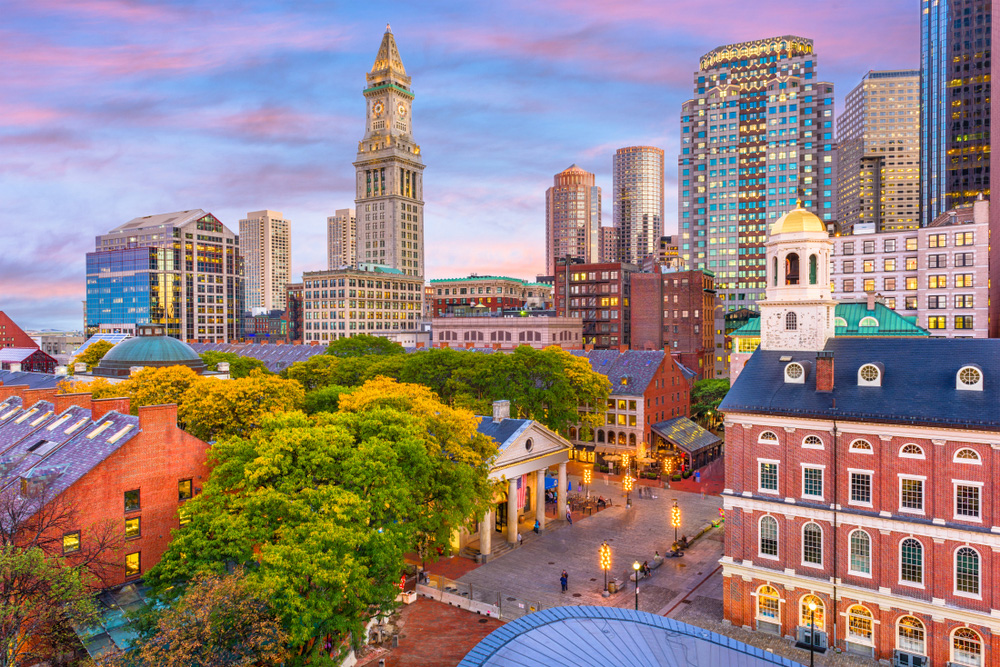
History is palpable on every corner, from the cobblestone streets of North End to the iconic sites along the Freedom Trail. Residents can easily immerse themselves in the nation’s founding narrative by visiting landmarks like Faneuil Hall Marketplace, Old North Church, and Bunker Hill Monument.
The city also offers a diverse culinary scene, from traditional New England seafood to international flavors, and a lively nightlife with numerous bars, pubs, and music venues. Major sporting events, featuring iconic teams like the Boston Red Sox at Fenway Park or the Boston Celtics and Boston Bruins at the TD Garden, add to the city’s entertainment appeal.
Quality of Life: Urban Environment and Recreation
The day-to-day experience of living in Boston is shaped by its urban character, access to green spaces, and a generally high standard of public services.
Walkability and Public Transportation
Boston is a highly walkable city, especially in its core neighborhoods. This, combined with an extensive public transportation system, reduces the reliance on personal vehicles for many residents. The MBTA subway and bus lines provide connectivity throughout the city and to surrounding areas, making commutes manageable. However, the T has faced its share of challenges and service disruptions, which can be a source of frustration for daily commuters.
Parks and Outdoor Activities
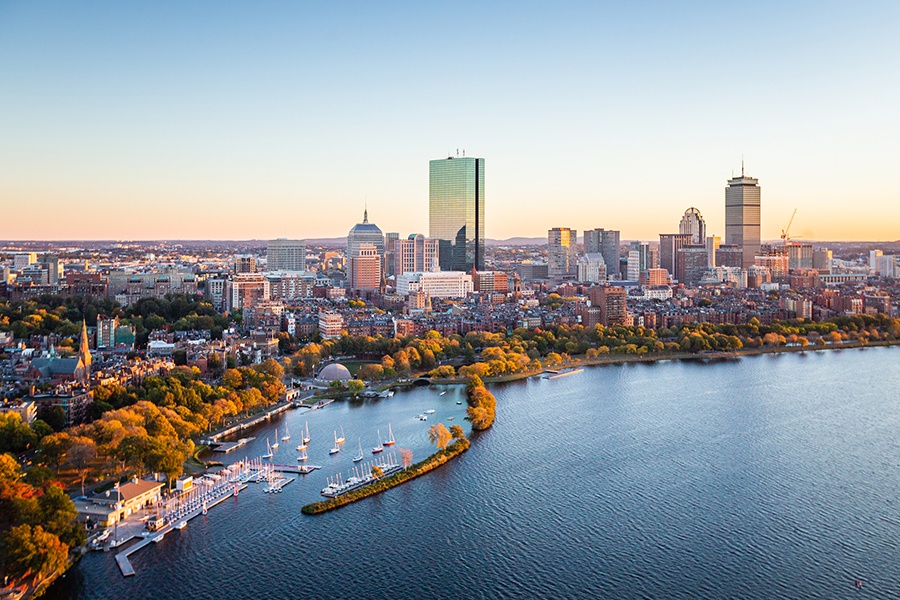
Despite its urban density, Boston offers numerous parks and recreational opportunities. The Emerald Necklace, a chain of parks designed by Frederick Law Olmsted, provides beautiful green spaces for walking, jogging, and picnicking. Boston Common, America’s oldest city park, and the adjacent Public Garden are central to the city’s appeal. The Charles River Esplanade offers scenic views and is a popular spot for outdoor activities. For those who enjoy water sports, the harbor provides opportunities for sailing and kayaking.
Climate Considerations
Boston experiences a four-season climate. Summers can be warm and humid, while winters are typically cold with significant snowfall. Spring and fall are generally pleasant, offering beautiful foliage and comfortable temperatures. Residents should be prepared for seasonal weather extremes.
Community and Social Fabric
Understanding the social dynamics and community feel of Boston is crucial for prospective long-term residents. The city is known for its strong sense of history and tradition, alongside a diverse and evolving population.
Neighborhood Diversity
Boston is comprised of distinct neighborhoods, each with its own unique character. Back Bay is known for its Victorian brownstones and upscale shopping, while the South End offers a vibrant culinary scene and a mix of historic architecture and modern lofts. Jamaica Plain offers a more bohemian vibe with its parks and diverse community, and East Boston provides a growing immigrant population and waterfront views. Choosing a neighborhood that aligns with one’s lifestyle and priorities is key to a fulfilling long-term experience.
Pace of Life and Social Interaction
The pace of life in Boston can be described as energetic, particularly in the downtown core and during business hours. While the city is not as frenetic as some other major metropolises, it maintains a sense of purpose and drive. Many residents are highly educated and career-oriented, which can influence social interactions. Building a strong social network often involves actively participating in community events, joining clubs, or engaging with professional organizations. The reputation for Boston residents being reserved is often a simplification; while perhaps not as overtly gregarious as some other cities, genuine warmth and community spirit can be found once connections are established.
In conclusion, Boston, MA presents a compelling case as a place to live for those seeking a combination of robust career opportunities, rich cultural experiences, and a high quality of urban life. However, the significant cost of living, particularly in housing, requires careful consideration and financial preparedness. For individuals and families willing to navigate these challenges, Boston offers a rewarding and intellectually stimulating environment to call home.
LifeOutOfTheBox is a participant in the Amazon Services LLC Associates Program, an affiliate advertising program designed to provide a means for sites to earn advertising fees by advertising and linking to Amazon.com. Amazon, the Amazon logo, AmazonSupply, and the AmazonSupply logo are trademarks of Amazon.com, Inc. or its affiliates. As an Amazon Associate we earn affiliate commissions from qualifying purchases.