
As the culinary landscape of America continues to evolve, with new dining concepts emerging and established brands facing unprecedented challenges, questions about the future of beloved, albeit sometimes struggling, restaurant chains inevitably arise. Among these, Boston Market, a name synonymous with rotisserie chicken and comfort food for decades, has recently found itself at the center of public speculation. The persistent rumors and visible signs of distress at some locations have led many to wonder: Is Boston Market out of business? While the answer is complex and not a simple yes or no, the chain is undoubtedly navigating a critical period of transition and uncertainty.
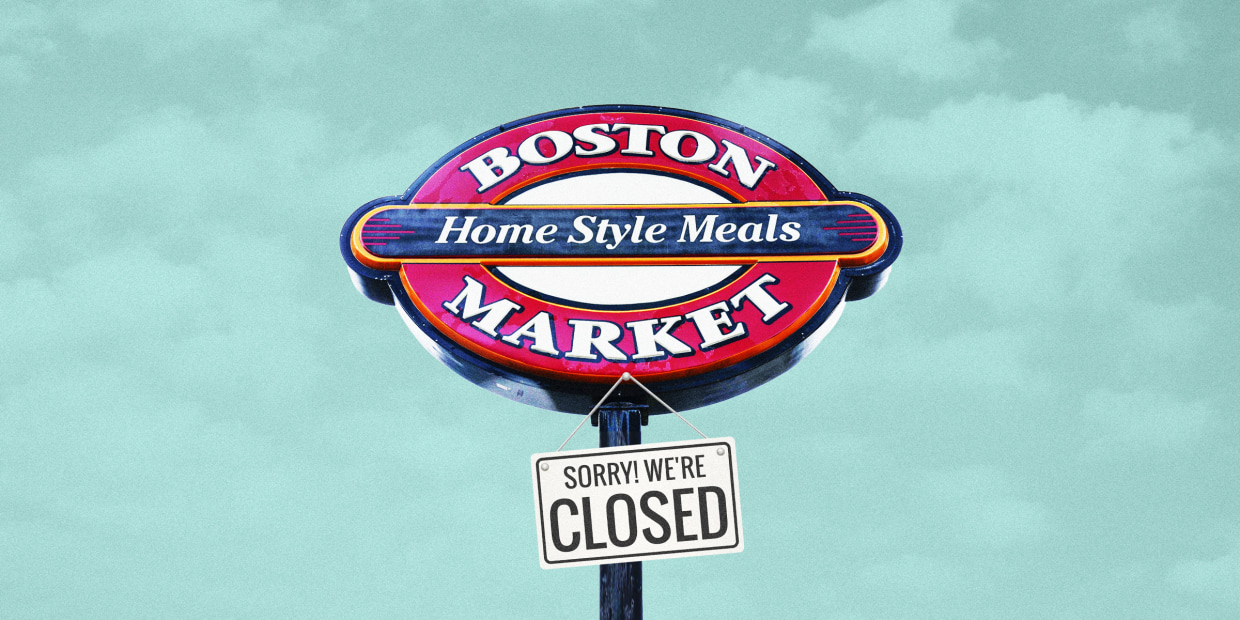
The narrative surrounding Boston Market in recent years has been one of a company grappling with significant financial and operational hurdles. This has manifested in various ways, from reports of unpaid rent and franchisee disputes to widespread store closures across the country. For patrons who have fond memories of its homestyle meals, the visible decline of some of their local Boston Market establishments has been a cause for concern. Understanding the root causes of these challenges provides a clearer picture of the brand’s current predicament and its potential path forward.
A Legacy of Homestyle Comfort
Founded in 1985 in Newton, Massachusetts, Boston Market quickly established itself as a go-to destination for a quick, convenient, and satisfying meal. Its core offering of slow-roasted rotisserie chicken, served with a variety of classic side dishes such as mashed potatoes, mac and cheese, and cornbread, resonated with consumers seeking an alternative to fast food burgers and fries. The restaurant’s commitment to a “home-style” dining experience, often characterized by its warm, inviting atmosphere and focus on comfort food classics, allowed it to carve out a distinct niche in the competitive restaurant industry.
The brand’s initial success can be attributed to several key factors. Firstly, the concept was simple and appealing: affordable, quality comfort food that felt like a home-cooked meal, but without the effort. This was particularly attractive to busy families and individuals looking for a convenient dinner option. Secondly, Boston Market differentiated itself from other fast-casual chains by emphasizing a slightly more upscale, yet still accessible, dining experience. The focus on rotisserie chicken as a healthier alternative to fried options also appealed to a growing segment of health-conscious consumers in the late 1980s and early 1990s.
Over the years, Boston Market expanded its menu to include other popular items like meatloaf, turkey, and a wider array of seasonal sides. This consistent, albeit evolutionary, menu allowed loyal customers to rely on the brand for familiar favorites. However, as the food industry became increasingly dynamic, with the rise of more sophisticated fast-casual brands, gourmet food trucks, and the ever-growing popularity of food delivery services, Boston Market began to face headwinds. The very elements that once defined its success – its traditional comfort food and relatively fixed menu – started to feel less innovative in a rapidly changing market.
Navigating Troubled Waters: Financial and Operational Challenges
The past decade has been particularly turbulent for Boston Market. The chain has undergone multiple ownership changes, a common indicator of financial distress in the corporate world. Each new owner has attempted to revitalize the brand, but often with limited success. These shifts in leadership have frequently been accompanied by significant debt burdens, making it challenging to invest in necessary renovations, menu innovation, and crucial marketing campaigns.
One of the most visible signs of trouble has been the widespread closure of Boston Market locations. These closures are not isolated incidents but rather a pattern that has affected numerous states. This has led to significant job losses and a diminished presence for the brand in many communities where it was once a staple. The reasons behind these closures are multifaceted, often stemming from a combination of declining sales, unsustainable lease agreements, and an inability to meet operational costs.
Furthermore, Boston Market has faced numerous lawsuits and legal disputes, particularly with its franchisees. Franchisees, who invest their own capital and operate individual locations, have alleged that the parent company failed to provide adequate support, marketing, and supply chain management, leading to their own financial struggles. These disputes have further strained the company’s resources and damaged its reputation within the franchise community. Reports of unpaid rent to landlords have also surfaced, highlighting the severity of the company’s financial difficulties and contributing to the ongoing closures.
Franchisee Relations and Unpaid Debts
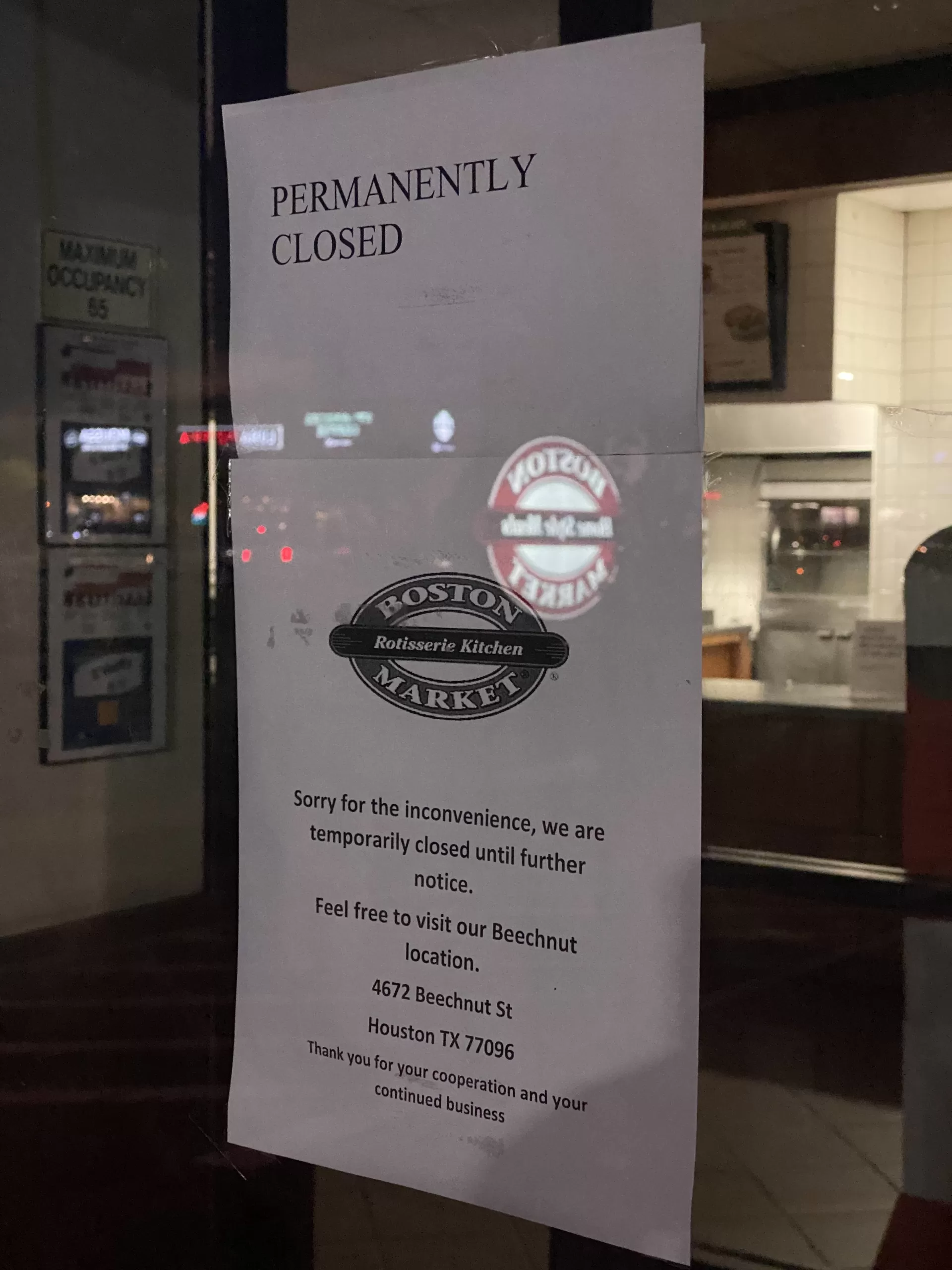
The relationship between a franchisor and its franchisees is crucial for the success of any chain. In the case of Boston Market, this relationship has been fraught with tension. Numerous franchisees have voiced complaints about what they perceive as a lack of support from the corporate entity. This includes inadequate advertising and promotional efforts, inconsistent supply chain issues, and an inability to adapt the brand to evolving consumer preferences. Without robust support from the franchisor, franchisees are left to bear the brunt of the challenges, often leading to their own financial ruin.
The unpaid debts, whether to suppliers, landlords, or even employees in some instances, paint a grim picture of the company’s financial health. These obligations are not merely administrative oversights; they are fundamental indicators of a business struggling to meet its basic financial commitments. When a company consistently fails to pay its debts, it erodes trust with all stakeholders and makes it incredibly difficult to secure the necessary capital for recovery and growth.
Evolving Consumer Preferences and Competition
The dining landscape has undergone a dramatic transformation over the last two decades. Consumers today have more choices than ever before, ranging from hyper-local farm-to-table restaurants to globally inspired street food and highly specialized dietary options. Boston Market’s core offering, while comforting, may no longer be enough to capture the attention of a younger generation of diners who prioritize novelty, sustainability, and diverse culinary experiences.
The rise of fast-casual giants like Chipotle Mexican Grill and Panera Bread has set a high bar for innovation, customization, and a perceived focus on quality ingredients. Even traditional fast-food chains have invested heavily in menu modernization and digital ordering to stay competitive. In this environment, Boston Market’s relatively static menu and traditional approach have struggled to keep pace. The convenience factor, once a significant advantage, is now a baseline expectation, and consumers are looking for more compelling reasons to choose one restaurant over another.
Recent Developments and Future Outlook
Despite the overwhelming signs of distress, Boston Market has not officially declared bankruptcy or ceased all operations. This is a crucial distinction. While many locations have closed, and the brand’s footprint has shrunk considerably, a core group of restaurants, often franchised or operating under new management, continues to serve customers. The company has, in recent times, been under new ownership with stated intentions to restructure and revive the brand. However, the path to recovery is steep and fraught with challenges.
The most recent ownership group, led by restaurateur Salid Ali, acquired Boston Market in 2022 with promises of reinvestment and modernization. These plans often include updating store designs, improving the digital ordering experience, and potentially refreshing the menu to appeal to contemporary tastes. However, executing these ambitious plans requires significant capital, a clear strategic vision, and the ability to overcome the lingering negative perceptions associated with the brand’s recent history.
The success of any turnaround effort will depend on several factors. First, the new leadership must effectively address the existing debt and operational inefficiencies. Second, a renewed focus on franchisee support and revitalized relationships is paramount. Third, and perhaps most critical, is the ability to reconnect with consumers. This could involve strategic menu updates, improved marketing, and a renewed emphasis on the quality and value that once made Boston Market a household name. Whether these efforts will be enough to pull the brand back from the brink remains to be seen.

The Role of the Consumer in a Turnaround
Ultimately, the future of Boston Market will be shaped by consumer behavior. If a sufficient number of customers continue to patronize the remaining locations and respond positively to any proposed changes, it could provide the necessary momentum for a revival. Conversely, if the brand fails to capture consumer interest or address the underlying issues that led to its decline, the remaining outlets may eventually succumb to the same fate as their predecessors.
The story of Boston Market serves as a cautionary tale in the ever-evolving world of the restaurant industry. It highlights the critical importance of adaptability, financial prudence, and a deep understanding of consumer preferences. While the question of whether Boston Market is “out of business” is not yet definitively answered, its current state is one of precarious survival. The coming months and years will be decisive in determining whether this iconic comfort food chain can successfully reinvent itself or if its legacy will ultimately fade into the annals of restaurant history.
LifeOutOfTheBox is a participant in the Amazon Services LLC Associates Program, an affiliate advertising program designed to provide a means for sites to earn advertising fees by advertising and linking to Amazon.com. Amazon, the Amazon logo, AmazonSupply, and the AmazonSupply logo are trademarks of Amazon.com, Inc. or its affiliates. As an Amazon Associate we earn affiliate commissions from qualifying purchases.