
The Historical Context of a City’s Resilience
The question of “What happened to the Boston Bomber?” delves deep into a pivotal moment in modern American history, intrinsically linked to the city of Boston itself. Far more than a simple query about an individual’s fate, it represents an exploration of a community’s enduring spirit, the meticulous process of justice, and how a traumatic event becomes woven into the historical fabric of a place. The events of April 2013, and their profound aftermath, transformed certain areas of Boston into sites of historical memory, where the past continually informs the present. Understanding the trajectory of Dzhokhar Tsarnaev, the surviving perpetrator, requires an examination of the historical event, the immediate societal response, and the long, intricate journey through the legal system, all against the backdrop of a city that refused to be defined by terror.
The Boston Marathon Bombing: A Day Etched in Memory
April 15, 2013, a day traditionally celebrated as Marathon Monday in Massachusetts, became a date of infamy. As runners approached the finish line on Boylston Street, two homemade pressure-cooker bombs detonated just seconds apart. The explosions instantly transformed a scene of athletic triumph and public jubilation into one of chaos and terror. Three spectators lost their lives that day, including an eight-year-old boy, and hundreds more were injured, many sustaining life-altering wounds. The finish line area, a historical landmark for athletes globally, was instantly imbued with a new, somber historical significance, forever marking it as the site of a tragic act. This event underscored the vulnerability of public spaces and prompted a profound re-evaluation of security at large-scale public gatherings, becoming a historical benchmark in civic safety.
The Manhunt and Capture: A City United
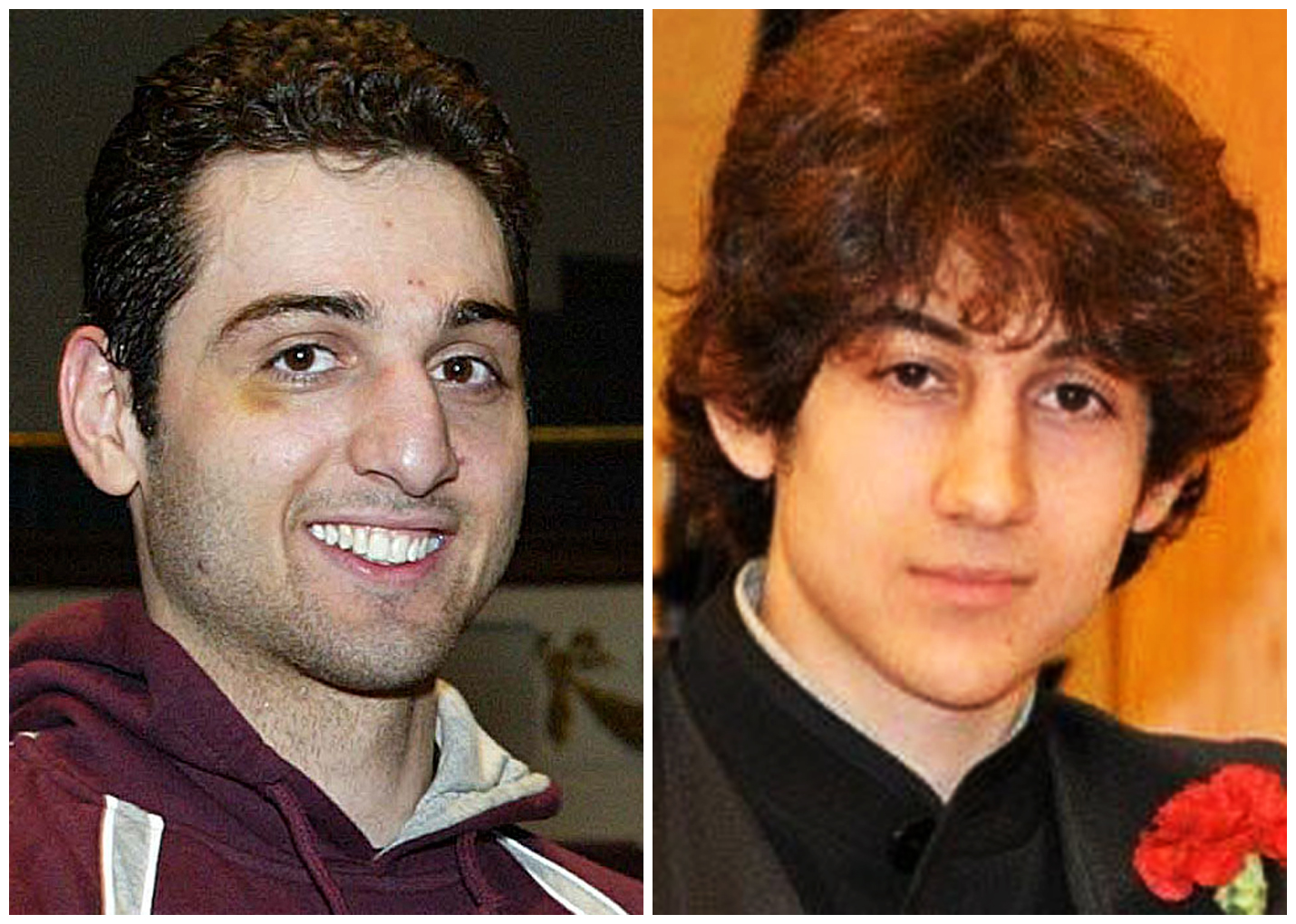
In the immediate aftermath, Boston and its surrounding communities united in an unprecedented effort to identify and apprehend those responsible. The subsequent days saw a massive manhunt unfold across the greater Boston area, an event that itself became a chapter in the city’s history. Law enforcement quickly identified brothers Tamerlan and Dzhokhar Tsarnaev as the perpetrators. The pursuit reached a fever pitch on April 18-19, leading to a series of violent confrontations. A police officer from the Massachusetts Institute of Technology was tragically killed, and the older brother, Tamerlan, died during a shootout with police in Watertown.
The morning of April 19 saw an unprecedented lockdown of Boston and its neighboring towns, including Cambridge, with residents ordered to shelter in place. Public transportation, including the Massachusetts Bay Transportation Authority (MBTA), was halted, and businesses closed. The normally bustling streets of Boston became eerily silent, a surreal historical moment reflecting the gravity of the situation. Eventually, Dzhokhar Tsarnaev was discovered hiding in a boat in a backyard in Watertown and taken into custody. The collective relief that swept through the city was palpable, forging a sense of shared history and resilience encapsulated by the rallying cry, “Boston Strong.” This phrase quickly became synonymous with the city’s response, marking a cultural landmark of collective strength in the face of adversity.
The Legal Aftermath and Enduring Legacy
The capture of Dzhokhar Tsarnaev marked the end of the immediate crisis but the beginning of a complex and prolonged legal battle that would further etch his story into the historical record. The judicial proceedings were meticulously documented, becoming a significant historical account of how the American legal system grapples with acts of domestic terrorism. The outcome of these trials and appeals directly answers the question of “What happened to the Boston Bomber?” by detailing his legal fate and current status, while simultaneously reflecting on the broader impact of the event on Boston’s identity and its public spaces.
Trial, Conviction, and Appeals
Dzhokhar Tsarnaev was formally charged with 30 counts, including use of a weapon of mass destruction resulting in death and bombing of a place of public use. His trial began in March 2015, two years after the attacks, and was held in Boston, a city still healing but determined to witness justice. The proceedings were highly publicized, with every detail adding to the public historical record of the event. On April 8, 2015, he was found guilty on all 30 counts. The penalty phase of the trial commenced shortly thereafter, culminating in the jury’s decision on May 15, 2015, to sentence him to death.
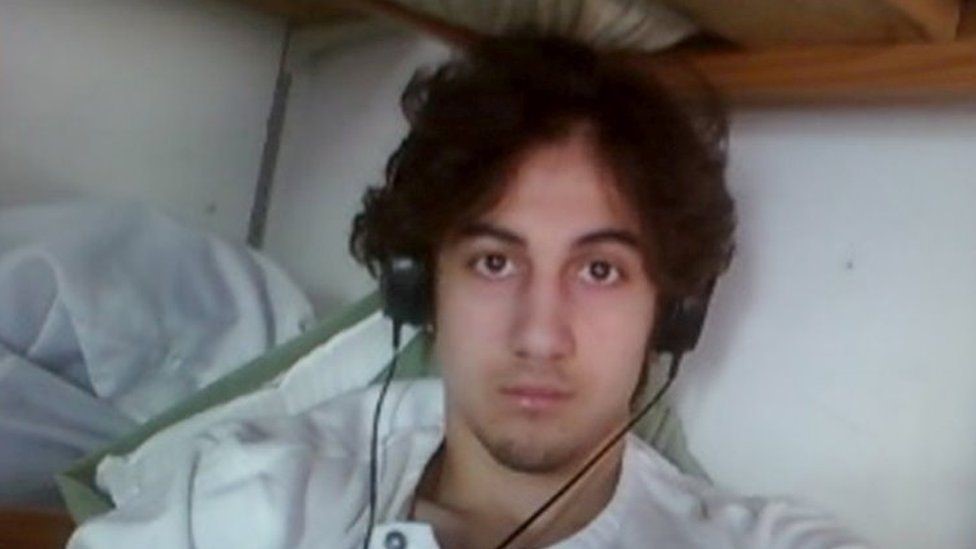
Following his conviction and sentencing, Dzhokhar Tsarnaev’s case entered a lengthy appeals process. In 2020, a federal appeals court vacated his death sentence, citing issues with jury selection and the exclusion of evidence regarding his older brother’s influence. This decision sent shockwaves through the nation and ignited renewed debates about capital punishment and the fairness of legal proceedings in high-profile cases. However, in March 2022, the United States Supreme Court reversed the appeals court’s decision, reinstating the death sentence. This legal back-and-forth highlights the intricate and often protracted nature of justice, further extending the historical narrative of the Boston Marathon bombing and its consequences. As of now, his death sentence stands, though further appeals could potentially delay or alter its ultimate execution.
The Impact on Boston’s Public Spaces and Monuments
Beyond the legal ramifications for Dzhokhar Tsarnaev, the bombing irrevocably altered the way Boston views and utilizes its public spaces. The finish line on Boylston Street, once merely a point of athletic achievement, now serves as an unofficial memorial, with subtle plaques and often spontaneous tributes left by visitors and survivors. Each year, the anniversary of the bombing brings renewed focus to the area, transforming it into a historical site for remembrance and reflection.
The city also commissioned a permanent memorial, the Boston Marathon Memorial, near the site of the blasts on Boylston Street. Composed of bronze spires and stone markers, it serves as a tangible landmark of remembrance, a place where the lives lost and the resilience shown are permanently honored. Nearby, the Boston Public Library and Copley Square, integral parts of the marathon route and sites of immediate post-bombing chaos, now carry an added layer of historical weight. These physical landmarks silently tell the story of tragedy and triumph, continually reminding residents and visitors of the city’s defining moment and its collective response. The ongoing modifications to security protocols for the Boston Marathon and other major events are a living testament to the historical lessons learned and the city’s commitment to protecting its public gatherings.
Dzhokhar Tsarnaev: His Current Status and the Weight of History
The physical location of Dzhokhar Tsarnaev and the conditions of his confinement are the direct answers to “What happened to the Boston Bomber?” from an immediate, factual perspective. However, his ongoing existence within the federal penal system continues to exert a historical influence, serving as a constant reminder of the horrific events he perpetrated and the justice system’s relentless pursuit of accountability. His status is a final, grim chapter in the historical account of the Boston Marathon bombing.
Life on Death Row
After the United States Supreme Court reinstated his death sentence, Dzhokhar Tsarnaev remains on death row. He is currently incarcerated at the Federal Medical Center, Devens, a federal prison medical facility located in Massachusetts. While designated as a medical center, it also houses inmates in various security levels. His daily existence is one of extreme confinement, far removed from the public life he once sought to disrupt. He is held under strict conditions, a testament to the severity of his crimes and the ongoing security considerations surrounding such a high-profile inmate.
His continued presence on death row ensures that the legal and historical discussions surrounding the Boston Marathon bombing are never fully closed. Each legal maneuver, each new development in capital punishment debates, inevitably brings his case back into the public consciousness, reaffirming his role as a permanent, albeit tragic, figure in the historical landscape of Boston. The question of his ultimate execution remains subject to future legal challenges and federal policy, extending the timeline of this historical saga.

The Event’s Place in Boston’s Narrative
The story of the Boston Marathon bombing and the fate of Dzhokhar Tsarnaev is no longer just a crime story; it is a foundational event in Boston’s modern history. It is a narrative of community, resilience, law enforcement, and justice that has etched itself into the city’s identity. The bomber’s story, from his radicalization to his capture and subsequent legal battles, serves as a dark counterpoint to the inspiring story of Boston’s collective recovery and determination.
The city has moved forward, rebuilding and reinforcing its public spaces and traditions. The annual Boston Marathon continues to be a celebration of human endurance and spirit, but it is also a powerful act of remembrance, a living historical landmark that honors the victims and the strength of a community. The question “What happened to the Boston Bomber?” ultimately leads to a deeper understanding not just of one individual’s fate, but of how a city incorporates tragedy into its historical narrative, transforming sites of sorrow into symbols of enduring hope and resilience, forever a part of its complex and profound history.
LifeOutOfTheBox is a participant in the Amazon Services LLC Associates Program, an affiliate advertising program designed to provide a means for sites to earn advertising fees by advertising and linking to Amazon.com. Amazon, the Amazon logo, AmazonSupply, and the AmazonSupply logo are trademarks of Amazon.com, Inc. or its affiliates. As an Amazon Associate we earn affiliate commissions from qualifying purchases.