
The aftermath of any monumental public event invariably casts a long shadow, not only on the primary figures involved but also on those in their immediate orbit. For individuals inadvertently drawn into the vortex of national tragedy, the subsequent years often entail a radical redefinition of their personal existence and, critically, their lifestyle. The public inquiry into “what happened” often extends beyond the principal actors, probing into the lives of those associated, seeking to understand the trajectory of their post-event existence. This exploration delves into the lifestyle transformations experienced by individuals closely linked to such incidents, focusing on how their daily lives, choices, and interactions with the world are irrevocably altered.

The Immediate Aftermath: A Lifestyle Upended
For anyone suddenly thrust into the harsh glare of public scrutiny due to association with a catastrophic event, the initial period is characterized by profound disruption. The established rhythm of life—routine, work, social circles, and even the simple ability to move freely—is abruptly shattered. This immediate phase is less about making choices and more about reacting to overwhelming external pressures that dictate an entirely new, often tumultuous, lifestyle.
Displaced Lives and Shifting Realities
The first and most immediate lifestyle change often involves displacement. The familiar comfort of one’s home and community can become untenable, not necessarily due to legal compulsion, but because of the intense public and media attention. Maintaining a semblance of normalcy in one’s previous residence becomes impossible. This necessitates a swift and often unplanned relocation, marking the beginning of a significantly altered accommodation lifestyle. The search for a new dwelling is no longer driven by convenience or preference but by an urgent need for privacy and security. Whether it involves seeking refuge with family, moving to a different city, or even a different state, the objective is to escape the relentless gaze and the constant threat of intrusion. This forced displacement fundamentally reshapes daily routines, community engagement, and even personal security protocols, demanding a lifestyle of heightened vigilance.
The former career or educational pursuits are often casualties of this upheaval. Employers may be unwilling to retain individuals under such intense public scrutiny, or the individuals themselves may find it impossible to concentrate or perform under the weight of their new reality. This leads to a dramatic shift in professional lifestyle, often necessitating career breaks, seeking entirely new fields of employment, or adapting to a lower profile, less visible form of work. The very concept of a “normal” professional trajectory becomes a luxury of the past, replaced by a more cautious and often solitary work life.
Seeking Anonymity: A New Way of Life
Once the immediate crisis subsides, the focus for individuals in such predicaments shifts towards establishing a new existence, often characterized by a profound quest for anonymity. This involves a conscious effort to rebuild a lifestyle that is deliberately understated, private, and shielded from public view. It is a transition from an involuntarily public life to a painstakingly constructed private one.
Relocation and Re-establishment of Privacy
Relocation is a critical component of this new lifestyle. Moving to a new geographic location offers the promise of a fresh start, a place where one is not immediately recognized or associated with past events. This could involve moving from a prominent city like Boston to a smaller, less populous area, or even across state lines. The choice of residence becomes paramount: discreet locations, properties that offer enhanced privacy, and communities where one can blend in rather than stand out. The decision-making process for where to live is fundamentally altered, prioritizing security and anonymity over amenities or social opportunities. This new lifestyle demands a minimalist approach to public interaction and a deliberate effort to avoid situations that might draw attention.
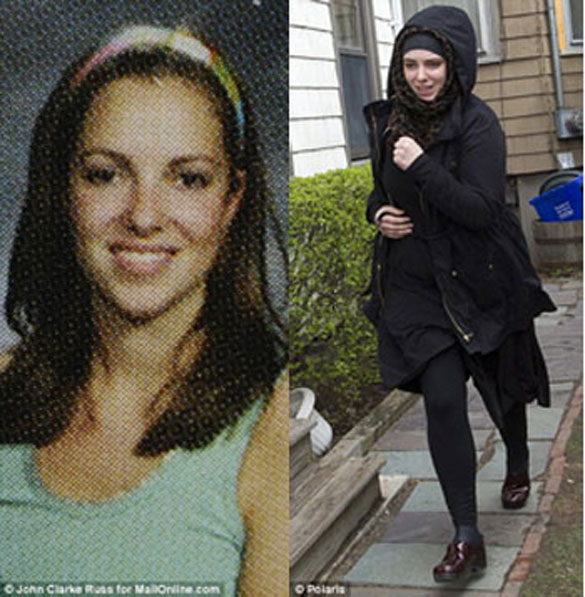
Re-establishing a life in a new locale involves navigating various practicalities. New social connections are approached with caution, as trust becomes a significant hurdle. Basic daily tasks, from grocery shopping to medical appointments, are often undertaken with an underlying sense of vigilance. The lifestyle becomes one of careful consideration and calculated risk assessment, a stark contrast to the carefree spontaneity that most individuals take for granted. This re-establishment is not just about finding a new physical space, but about meticulously constructing a new social and psychological framework for living.
The Challenges of Public Identity and Private Existence
One of the most profound lifestyle challenges is reconciling a public identity, which remains defined by the past event, with the desire for a private existence. Even with relocation and a deliberate effort to live discreetly, the internet and persistent media coverage mean that a person’s past is never truly erased. This creates a unique lifestyle challenge: how to live a normal life when your history is readily accessible to anyone who searches for it. This can impact everything from securing housing and employment to forming new relationships.
To cope, individuals often adopt specific lifestyle modifications. This might include using different names, working remotely, or engaging in hobbies that are solitary or do not require extensive public interaction. The choices made about travel, for instance, might lean towards less conspicuous modes or destinations that prioritize solitude over tourist attractions. The very act of living becomes a strategic endeavor to minimize exposure and maintain the hard-won privacy of a new, low-profile lifestyle. The psychological toll of constantly managing one’s identity and guarding against recognition is a significant, often invisible, component of this new way of life.
The Long-Term Trajectory: Evolving Lifestyles
Over time, the initial shock and the intense pressure of immediate aftermath give way to a more sustained, adapted lifestyle. While the past event remains an indelible part of their history, individuals learn to integrate it into their daily existence, finding ways to live meaningfully within the confines of their altered circumstances. This long-term trajectory is about evolving adaptations and a continuous quest for a redefined sense of normalcy.
Adaptations to Circumstance
Lifestyle adaptations become ingrained. For example, accommodation choices might evolve from temporary hiding places to more permanent residences that still prioritize privacy and security but also offer a sense of belonging. Employment may transition from survival jobs to more fulfilling careers that accommodate a low public profile. The routines of daily life, once dictated by external pressures, become more self-directed, albeit still influenced by the need for discretion.
Social interactions, too, adapt. A smaller, highly trusted circle of friends and acquaintances might be cultivated, people who are aware of the individual’s past but respect their privacy. Public activities are undertaken with a practiced awareness, avoiding situations that might attract unwanted attention. This long-term lifestyle is a testament to human resilience and the capacity to forge a viable existence even under extraordinary constraints. It is a carefully constructed life, built on lessons learned and a deep understanding of the need for self-preservation and anonymity.
The Quest for Normalcy
Ultimately, the trajectory of such a lifestyle is often characterized by a relentless, albeit redefined, quest for normalcy. “Normalcy” in this context is not a return to the past, but the creation of a stable, predictable, and fulfilling life within the parameters of their current reality. This might involve dedicating oneself to a specific profession, engaging in community service in a quiet capacity, or nurturing a private family life. The journey is about finding peace and purpose, not despite the past, but by integrating its lessons into a future-oriented lifestyle.
This quest for normalcy manifests in subtle but significant ways. It can be seen in the choice of a quiet neighborhood, the cultivation of a steady job, or the simple act of maintaining a routine. It reflects a desire to reclaim agency over one’s life and to define oneself by present actions and future aspirations, rather than solely by a past association. The lifestyle of an individual impacted by such profound events becomes a testament to adaptation, resilience, and the enduring human drive to forge a meaningful existence, even when the path is fraught with unique challenges and constant vigilance.
LifeOutOfTheBox is a participant in the Amazon Services LLC Associates Program, an affiliate advertising program designed to provide a means for sites to earn advertising fees by advertising and linking to Amazon.com. Amazon, the Amazon logo, AmazonSupply, and the AmazonSupply logo are trademarks of Amazon.com, Inc. or its affiliates. As an Amazon Associate we earn affiliate commissions from qualifying purchases.