
The Boston Butt pork roast, despite its curious name, stands as a cornerstone of American cuisine and a beloved feature in the tapestry of local culture, particularly within the realm of tourism focused on culinary exploration. Far from being a cut from the rear of the pig, this versatile and flavorful piece of meat is integral to some of the country’s most iconic dishes, offering a delicious insight into regional traditions and cooking techniques. Understanding the Boston Butt is not just about appreciating a particular cut of pork; it’s about delving into a piece of gastronomic history and the vibrant food scenes that define various American destinations. For travelers keen to taste the authentic flavors of a region, encountering a perfectly prepared Boston Butt is often a highlight, symbolizing comfort, tradition, and the art of slow cooking.

Understanding the Misnomer: It’s Not from a Pig’s Rear
The most common misconception surrounding the Boston Butt is its anatomical origin. Many mistakenly believe it comes from the hindquarters of the pig, a natural assumption given the name “butt.” However, this couldn’t be further from the truth. Dispelling this myth is the first step in truly appreciating this remarkable cut of pork and its culinary potential.
The Cut’s True Origins
The Boston Butt, also known as pork shoulder or picnic shoulder, is actually derived from the upper part of the pig’s front shoulder. Specifically, it’s the rectangular cut of meat from the area directly above the pig’s front leg, extending up to the shoulder blade. This section includes a portion of the shoulder blade bone, as well as a generous amount of intramuscular fat and connective tissue, which are critical to its texture and flavor when cooked properly. It is distinctly different from the ham (which comes from the rear leg) or the pork picnic (which is the lower, more tapered part of the front shoulder). Its robust structure and composition make it uniquely suited for long, slow cooking methods, a characteristic that has cemented its place in various traditional cuisines.
Why “Butt”? A Historical Perspective
The intriguing name “Boston Butt” is believed to have originated in pre-Revolutionary War New England, particularly in the city of Boston. During that era, less prized cuts of pork, including the shoulder, were packed into wooden barrels for storage and transport. These barrels were commonly referred to as “butts” – a term for a specific type of cask or barrel, often holding around 126 gallons. Over time, the pork shoulders packed in these “butts” from Boston became known as “Boston Butt” pork. As this method of packaging and shipping gained popularity, the name stuck, even as packaging practices evolved. This historical naming convention, therefore, has nothing to do with the pig’s anatomy but rather with the vessel in which the meat was traditionally transported and its city of origin. Understanding this historical nuance adds a layer of depth to the culinary experience, connecting the food on one’s plate to centuries-old trade practices and local ingenuity.
Culinary Significance and Cultural Impact
Beyond its curious name and anatomical origins, the Boston Butt holds immense culinary significance, acting as a canvas for a myriad of flavors and preparation styles. Its role in shaping regional food identities is profound, making it a key component for any traveler looking to understand the culinary heart of a destination.
A Staple in American Cuisine
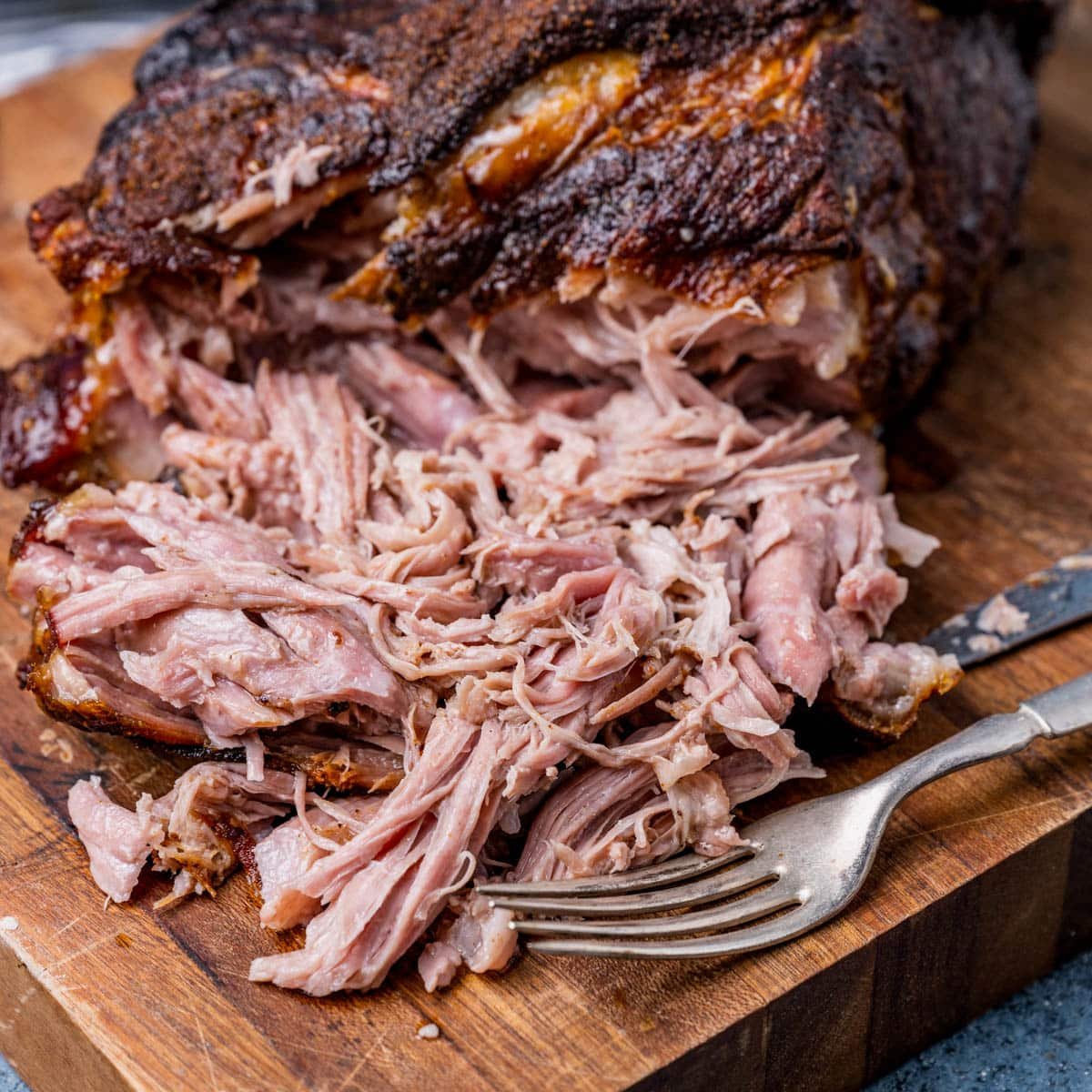
The versatility of the Boston Butt has made it a foundational ingredient in numerous American dishes. Its high fat content and abundant connective tissue, while requiring patience in cooking, transform into incredibly tender, moist, and flavorful meat when slow-cooked. This characteristic makes it ideal for pulled pork, a dish that has achieved legendary status across the nation. Whether smoked, braised, roasted, or slow-cooked in a crock-pot, the Boston Butt consistently delivers a rich, satisfying experience. From hearty stews and robust roasts to tacos and sandwiches, its adaptability ensures it features prominently in both everyday meals and celebratory feasts. The cut’s ability to absorb marinades and rubs also contributes to its widespread appeal, allowing chefs and home cooks alike to infuse it with diverse spice profiles.
Regional Specialties: Southern Barbecue and Beyond
The true cultural impact of the Boston Butt is perhaps best exemplified within the traditions of Southern Barbecue. In states like North Carolina and South Carolina, pulled pork made from Boston Butt is not just a dish; it’s a way of life, a centerpiece of community gatherings, and a defining element of regional pride. Each region boasts its distinct approach:
- Eastern North Carolina favors a vinegar-based sauce, often chopped whole hog, but pulled shoulder is common.
- Western North Carolina (Lexington-style) incorporates a ketchup and vinegar-based sauce, with shoulder meat being the primary focus.
- South Carolina is famous for its mustard-based “Carolina Gold” sauce, often served with pulled pork.
- In barbecue hubs like Kansas City and Memphis, pulled pork is a fundamental menu item, often slathered in sweet and tangy tomato-based sauces.
- Even in Texas, while beef brisket reigns supreme, expertly smoked pulled pork from a Boston Butt remains a popular and highly respected offering in many barbecue joints.
These regional variations provide a fascinating journey for the culinary tourist, demonstrating how a single cut of meat can be interpreted through diverse cultural lenses, each offering a unique flavor profile and a distinct sense of place.
Characteristics of a Premium Boston Butt
For travelers seeking an authentic culinary experience, understanding what makes a premium Boston Butt and how it’s prepared is crucial. The quality of the meat and the method of cooking are paramount to achieving the desired tenderness, juiciness, and rich flavor that defines this iconic cut.
Marbling and Connective Tissue
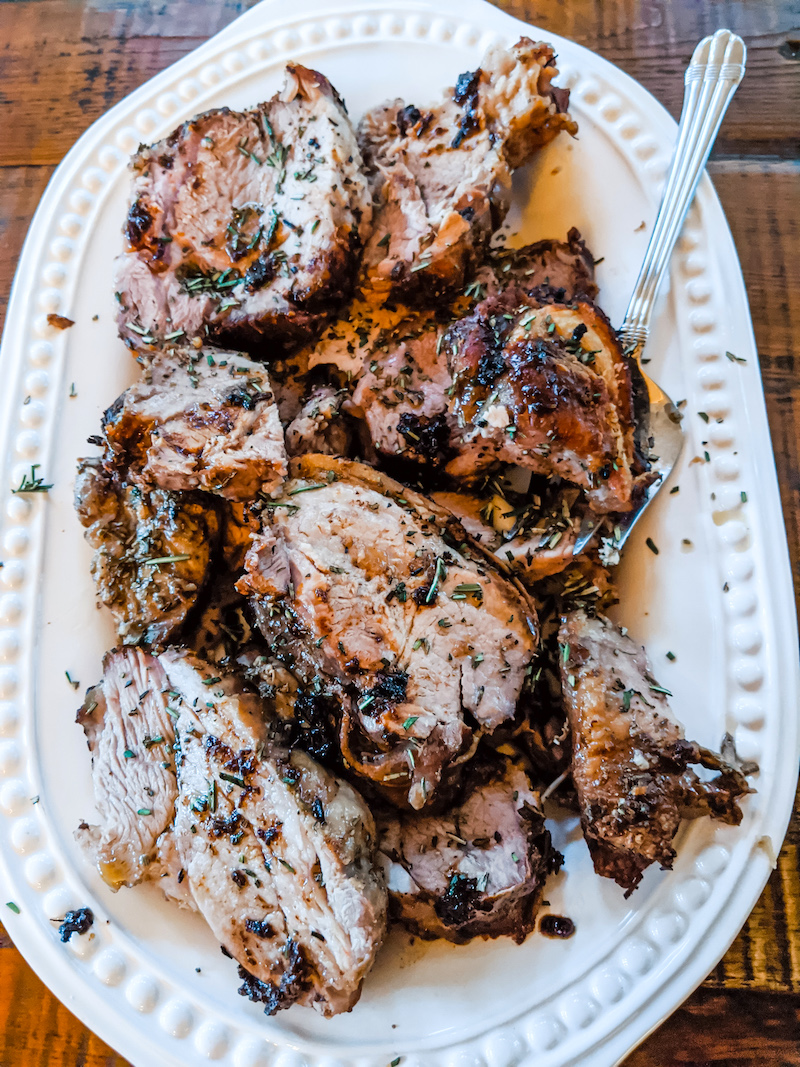
A high-quality Boston Butt is characterized by a good amount of intramuscular fat, known as marbling, marbled throughout the lean meat, as well as significant connective tissue. This marbling is what keeps the meat moist and flavorful during the long cooking process, basting it from the inside out. The connective tissues, primarily collagen, break down into gelatin when exposed to low, slow heat over an extended period. This transformation is key to the melt-in-your-mouth tenderness that defines perfectly cooked pulled pork. Without sufficient marbling and connective tissue, the meat can become dry and tough, even with proper cooking techniques. When sourcing, look for a butt that feels firm, has a healthy pink color, and visible streaks of fat throughout the muscle.
The Ideal Preparation Methods
The inherent qualities of the Boston Butt dictate that it performs best under long, slow cooking methods. These techniques allow sufficient time for the fat to render and the connective tissues to dissolve, yielding meat that can be easily “pulled” apart.
- Smoking: This is perhaps the most celebrated method, particularly in barbecue culture. Low temperatures (typically 225-275°F or 107-135°C) and extended cooking times (8-16 hours, depending on size) in a smoker infuse the pork with a distinct smoky flavor from wood like hickory, oak, or apple. The result is a dark, flavorful bark on the exterior and incredibly tender, juicy meat within.
- Slow Roasting/Braising: For those without a smoker, slow roasting in an oven or braising in a pot with liquid (broth, cider, or beer) at similar low temperatures can achieve similar results. The moist environment of braising ensures the meat remains succulent.
- Slow Cooker/Crock-Pot: This is a popular home-cooking method for its convenience. The humid, low-heat environment of a slow cooker is perfectly suited to break down the tough fibers of the Boston Butt, yielding tender pulled pork with minimal effort.
Regardless of the method, seasoning is vital. A good dry rub, typically a blend of salt, pepper, paprika, brown sugar, and other spices, is applied generously to the meat hours before cooking, allowing the flavors to penetrate. The goal is always to cook until the internal temperature reaches around 200-205°F (93-96°C), allowing the collagen to fully break down.
Exploring Boston Butt in Tourism and Local Culture
For the culinary traveler, experiencing Boston Butt in its natural habitat is an essential part of understanding American cuisine and local culture. From bustling food festivals to hidden-gem barbecue shacks, the journey to savor this iconic cut offers rich insights into regional traditions and community spirit.
Food Festivals and Competitions
Across the United States, particularly in the South, numerous food festivals and barbecue competitions celebrate the art of cooking pork shoulder. Events like the Memphis in May World Championship Barbecue Cooking Contest or the American Royal World Series of Barbecue in Kansas City feature categories dedicated to whole hog and pork shoulder, showcasing the pinnacle of barbecue craftsmanship. Attending these festivals offers an immersive experience, allowing visitors to sample diverse styles of pulled pork, interact with pitmasters, and witness the passion and skill that goes into preparing this beloved dish. Beyond the large-scale competitions, smaller, local festivals in towns throughout North Carolina, South Carolina, Texas, and beyond often feature pulled pork as a star attraction, serving as community gathering points and true expressions of regional culinary identity.
Where to Experience Authentic Boston Butt
To truly appreciate the Boston Butt, travelers should seek out establishments that specialize in slow-cooked pork. This often means venturing beyond mainstream restaurants to local barbecue joints, smokehouses, and even food trucks. In North Carolina, iconic spots known for their whole hog or shoulder barbecue, served with their signature vinegar-based sauces, are a must-visit. In Memphis, finding a spot that offers both wet and dry ribs, alongside stellar pulled pork sandwiches, is part of the experience. Kansas City offers a range of establishments known for their sweet and smoky sauces complementing succulent pulled pork. When traveling, researching local favorites and asking locals for recommendations can lead to the most authentic and memorable Boston Butt experiences. Look for places where the smell of wood smoke permeates the air and where the menu proudly highlights “pulled pork” as a specialty.
Bringing the Flavor Home: Tips for Travelers
For those inspired to recreate the magic of Boston Butt after their travels, there are several ways to bring a piece of that culinary tourism experience home. Many regional barbecue sauces and dry rub blends are available for purchase, allowing travelers to experiment with different flavor profiles. Local markets and specialty stores in barbecue-centric regions often sell these authentic ingredients, providing a tangible link to the places visited. Furthermore, many pitmasters and chefs share their recipes and techniques through cookbooks, online tutorials, and culinary workshops. Investing in a good slow cooker or even a small backyard smoker can enable enthusiasts to practice the art of slow-cooking pork shoulder. Recreating these flavors at home is not just about cooking a meal; it’s about reliving travel memories, sharing cultural insights, and continuing the exploration of one of America’s most cherished culinary traditions.
LifeOutOfTheBox is a participant in the Amazon Services LLC Associates Program, an affiliate advertising program designed to provide a means for sites to earn advertising fees by advertising and linking to Amazon.com. Amazon, the Amazon logo, AmazonSupply, and the AmazonSupply logo are trademarks of Amazon.com, Inc. or its affiliates. As an Amazon Associate we earn affiliate commissions from qualifying purchases.