
Boston, the historic heart of Massachusetts, offers travelers a quintessential New England experience, characterized by its vibrant four-season climate. Understanding Boston’s weather patterns is paramount for planning an optimal visit, ensuring you pack appropriately and schedule activities that align with the season’s offerings. From sun-drenched summers to snow-blanketed winters, the city’s atmospheric shifts are as much a part of its charm as its cobblestone streets and iconic landmarks.
Understanding Boston’s Dynamic Climate
Boston’s weather is largely influenced by its coastal location on the Atlantic Ocean and its position within the mid-latitudes, leading to distinct seasonal variations that can be both dramatic and beautiful. The city experiences a humid continental climate, marked by warm, humid summers and cold, snowy winters, with moderate and often unpredictable spring and autumn transitions.

A Four-Season Destination
Each season in Boston presents a unique ambiance for visitors. Spring brings a refreshing thaw, blossoming flowers, and a gradual warming trend. Summer is characterized by longer days, higher temperatures, and a bustling outdoor scene. Autumn transforms the landscape into a breathtaking palette of red, orange, and gold, alongside crisp, comfortable air. Winter wraps the city in a serene, often snowy, embrace, inviting cozy indoor activities and picturesque frosted views. This distinct seasonal rhythm means that the “best” time to visit largely depends on personal preference and desired activities.
Coastal Influences and Microclimates
While the Atlantic Ocean moderates extreme temperatures, especially in winter, it also contributes to the humidity levels in summer and can lead to sudden weather changes. Nor’easters, powerful coastal storms, are particularly impactful in winter, bringing heavy snow and strong winds. The city’s geography, with its hills and proximity to the Charles River and Boston Harbor, can also create microclimates, where conditions might vary slightly from one neighborhood to another, though not significantly enough to impact general travel planning.
Embracing Boston’s Distinct Seasons
Successful travel to Boston hinges on appreciating and preparing for the unique characteristics of each season.
Spring: A Symphony of Green and Bloom (March-May)
Spring in Boston is a period of reawakening. March can still feel very much like winter, with average temperatures ranging from 30°F (-1°C) to 45°F (7°C), and the possibility of late-season snow. By April, temperatures rise to a more comfortable 40-55°F (4-13°C), and the city begins to bloom. May sees even milder weather, typically between 50-68°F (10-20°C), making it an ideal time for walking tours. Rainfall is moderate throughout spring, so an umbrella or light rain jacket is advisable.
- What to expect: Cool to mild temperatures, occasional rain, blooming cherry blossoms in the Public Garden and along the Esplanade.
- Traveler’s tip: Layering is key. Start with warm clothing in early spring and transition to lighter layers by late May. Don’t forget waterproof outerwear.
Summer: Sun-Kissed Days and Cool Breezes (June-August)
Boston’s summer is generally warm and humid, offering plenty of sunshine. June averages 60-75°F (15-24°C), while July and August are the warmest months, with averages between 65-82°F (18-28°C), often exceeding 90°F (32°C) during heatwaves. Humidity can be significant, but coastal breezes often provide relief, especially near the waterfront. Thunderstorms can occur, typically in the late afternoon or evening.
- What to expect: Warm to hot temperatures, humidity, occasional thunderstorms, long daylight hours perfect for outdoor exploration.
- Traveler’s tip: Pack light, breathable clothing, sunscreen, a hat, and comfortable walking shoes. A light jacket for cooler evenings or air-conditioned indoor spaces is also useful. Hydration is essential.
Autumn: A Canvas of Crimson and Gold (September-November)
Many consider autumn the most picturesque time to visit Boston. September offers pleasant, mild weather, with averages between 55-70°F (13-21°C), gradually cooling through October (45-60°F / 7-16°C). November marks a clear transition to colder weather, ranging from 35-50°F (2-10°C), with the first hints of winter’s chill. The iconic fall foliage typically peaks from mid-October to early November, making day trips outside the city particularly stunning.
- What to expect: Crisp air, brilliant fall foliage, comfortable temperatures in early autumn, cooling significantly by late November.
- Traveler’s tip: Layers are crucial. A medium-weight jacket, sweaters, long-sleeved shirts, and comfortable footwear are ideal. Embrace the opportunity for scenic walks through Boston Common or along the Freedom Trail.
Winter: A Picturesque, Snowy Retreat (December-February)
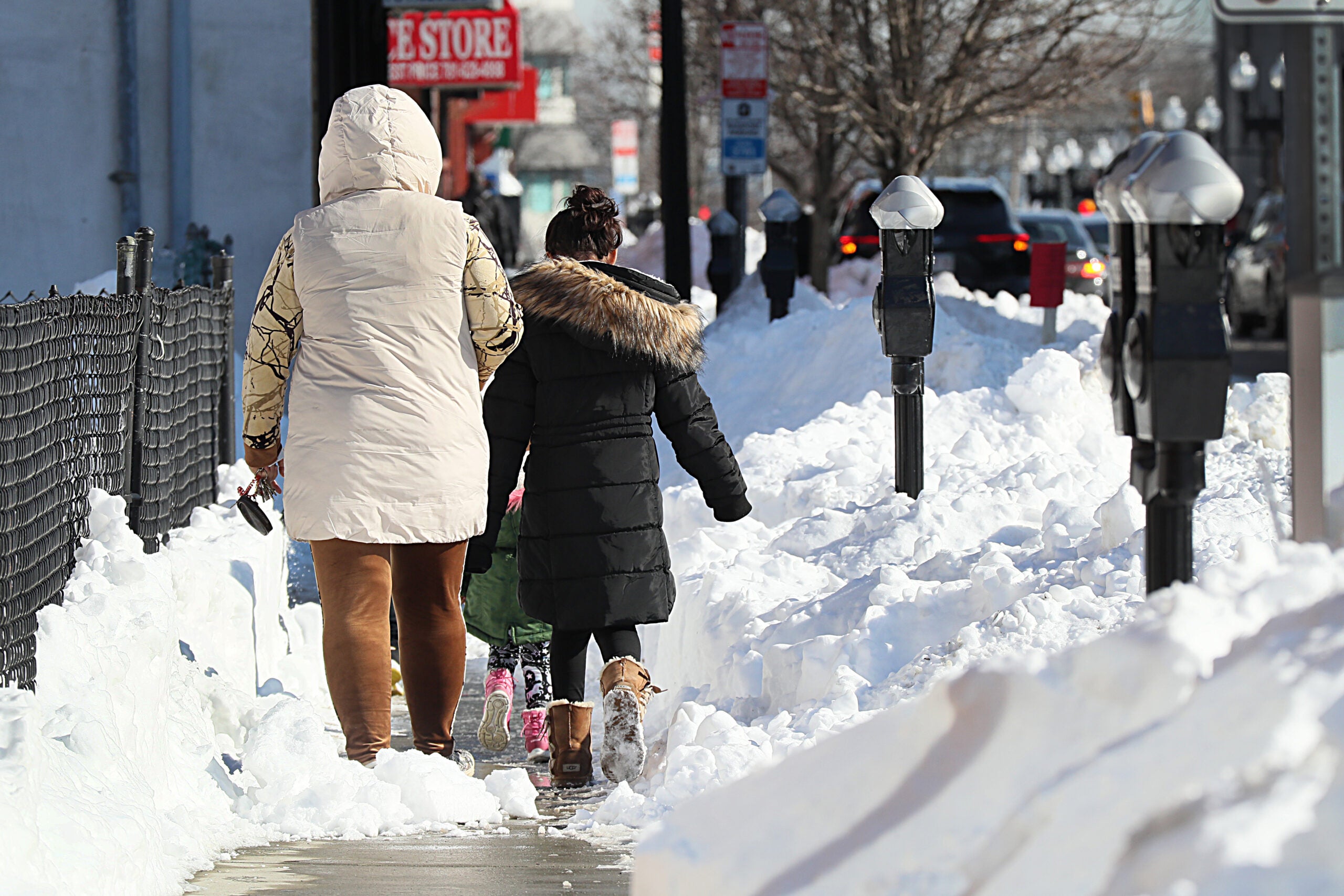
Boston’s winters are cold, often snowy, and can be quite beautiful. Average temperatures range from 20-38°F (-7 to 3°C), with periods of below-freezing temperatures common. Snowfall is frequent, with the city receiving an average of 43 inches annually, and larger snowstorms are not uncommon. While the cold can be biting, many indoor attractions and cozy restaurants offer a warm respite.
- What to expect: Cold temperatures, significant snowfall, icy conditions, shorter daylight hours.
- Traveler’s tip: Heavy winter coat, waterproof boots with good traction, hats, gloves, and scarves are absolute necessities. Thermal layers are highly recommended for prolonged outdoor activities.

Preparing for Your Boston Visit: Packing Essentials
Regardless of the season, a thoughtful packing strategy will enhance your Boston travel experience.
Layering for Versatility
Due to the city’s dynamic weather, layering is consistently the most recommended approach, even in summer. Temperatures can fluctuate throughout the day, and coastal winds or sudden showers can shift conditions quickly. In spring and autumn, this means combining light sweaters with a medium jacket. In winter, thermal base layers, a fleece, and a heavy waterproof outer shell are essential. Even in summer, a light cardigan or jacket can be comfortable for air-conditioned indoor spaces or cooler evenings.
Footwear for Urban Exploration
Boston is a city best explored on foot. Its historic streets, the Freedom Trail, and numerous neighborhoods like the North End or Beacon Hill invite extensive walking. Therefore, comfortable, supportive walking shoes are non-negotiable for any season. In spring and autumn, waterproof walking shoes are a good idea. For winter, waterproof, insulated boots with excellent grip are crucial for navigating snow and ice.
Adapting to Sudden Changes
Boston’s weather can be notoriously fickle, often presenting “four seasons in one day.” Always check the forecast shortly before and during your trip. Having a compact umbrella or a packable rain jacket is a smart move for any season, as showers can appear unexpectedly. Being adaptable with your daily plans, with indoor alternatives in mind, can save a rainy day.
Navigating Seasonal Events and Activities
Boston’s events calendar is intrinsically linked to its climate, offering unique experiences with each seasonal shift.
Springtime Festivities
As the city thaws, outdoor life slowly resumes. The Boston Marathon in April is a quintessential spring event, drawing visitors from around the globe. Walking the Freedom Trail or exploring the Public Garden and Boston Common as greenery returns are popular activities. Early baseball season at Fenway Park offers a classic Boston experience, though spring games can be chilly.
Summer Waterfront Wonders
Summer truly brings Boston to life outdoors. Enjoy whale watching tours departing from Boston Harbor, stroll through Faneuil Hall Marketplace, or take a scenic cruise on the Charles River. Outdoor concerts, street performers, and al fresco dining are abundant. The city’s many parks, including Boston Common, become hubs for relaxation and people-watching.
Autumnal Adventures
The cooler, crisp air of autumn is perfect for exploring Boston’s historical sites without the summer humidity. Leaf peeping is a major draw, whether within the city’s parks or on a day trip to surrounding New England areas. Events like the Head Of The Charles Regatta on the Charles River offer vibrant spectacles. Harvest festivals and pumpkin patches in nearby towns also become popular.
Winter Warmth and Indoor Charms
When winter arrives, Boston transforms into a cozy retreat. Ice skating on Frog Pond in Boston Common is a favorite activity. Embrace the indoor attractions: delve into art at the Museum of Fine Arts or the Isabella Stewart Gardner Museum, explore marine life at the New England Aquarium, or revisit history at the Boston Tea Party Ships & Museum. The city’s vibrant restaurant scene and numerous theaters offer warmth and entertainment away from the cold.
Understanding “What Is Boston Weather?” is more than just checking a forecast; it’s about appreciating the character of a city that truly embraces its four distinct seasons. By preparing for the climate, travelers can unlock the full potential of their visit, discovering the charm and beauty Boston offers year-round.
LifeOutOfTheBox is a participant in the Amazon Services LLC Associates Program, an affiliate advertising program designed to provide a means for sites to earn advertising fees by advertising and linking to Amazon.com. Amazon, the Amazon logo, AmazonSupply, and the AmazonSupply logo are trademarks of Amazon.com, Inc. or its affiliates. As an Amazon Associate we earn affiliate commissions from qualifying purchases.