
The Cultural Significance of Boston Butt in Culinary Tourism
The Boston Butt, a cut of pork from the upper part of the pig’s shoulder, is far more than just meat; it’s a cornerstone of culinary tourism, particularly within the barbecue traditions of the American South. For travelers seeking authentic experiences, understanding and appreciating the art of cooking a Boston Butt offers a profound immersion into local culture, history, and gastronomic passion. Its preparation, often a slow and deliberate process, embodies the patience and dedication characteristic of true Southern hospitality and heritage.
A Taste of the American South
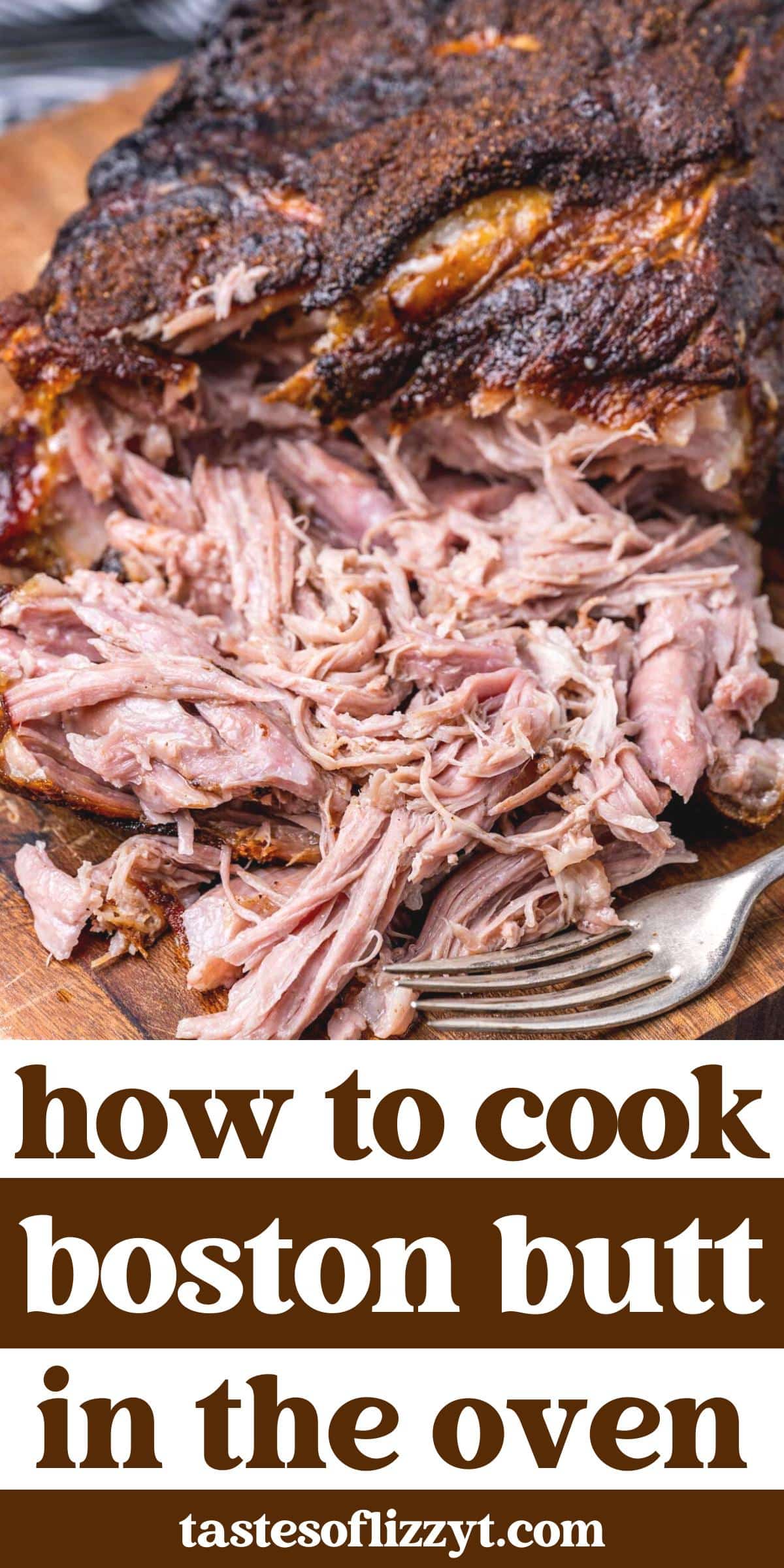
The term “Boston Butt” itself is a historical curiosity, tracing its roots to pre-Revolutionary New England where pork shoulders were packed and stored in barrels, or “butts,” for shipping. However, its spiritual home and greatest culinary expression lie firmly in the Southern states. Here, it transforms into the iconic pulled pork, a dish synonymous with backyard gatherings, community events, and legendary barbecue joints. Tourists exploring destinations like Memphis, Kansas City, or the Carolinas quickly discover that barbecue is not just food; it’s a way of life, a point of regional pride, and a delicious narrative of local traditions passed down through generations. The succulent, smoky result of a perfectly cooked Boston Butt is often the highlight of a culinary tour, leaving an indelible impression on visitors’ palates and memories.
Festivals and Food Trails
Across the American South, the Boston Butt takes center stage at numerous food festivals and barbecue competitions, attracting tourists from around the globe. These events are vibrant showcases of local culture, featuring live music, artisanal crafts, and, of course, an abundance of expertly prepared barbecue. Food trails, like those winding through the barbecue heartlands of North Carolina or Texas, offer curated experiences where travelers can sample diverse regional styles and learn about the subtle differences in rubs, sauces, and cooking methods. Participating in or simply observing these culinary celebrations provides a unique window into the communities that cherish this dish, highlighting its role as a social unifier and a key element of regional identity.
Experiencing Authentic Boston Butt as a Tourist
For the discerning culinary traveler, simply eating pulled pork isn’t enough; the experience lies in seeking out its most authentic manifestations and, perhaps, even learning the craft. Engaging with the process firsthand deepens appreciation for the dish and the culture surrounding it.
Seeking Out Legendary Barbecue Joints
Part of the thrill of barbecue tourism is the pilgrimage to renowned establishments. From rustic roadside stands to bustling urban eateries, each legendary joint has its own story, its own secret rub, and its own time-honored smoking technique. Tourists often plan entire itineraries around visiting these hallowed halls of barbecue, eager to taste the distinctive flavors developed over decades. These establishments offer more than just a meal; they provide an atmosphere rich with local character, often reflecting the history and personality of the region. Engaging with pitmasters, even briefly, can offer insights into the dedication required to produce world-class Boston Butt, making the dining experience an educational and unforgettable part of a trip.
Hands-On Culinary Workshops
Beyond tasting, some tourists seek to bring the experience home. Culinary workshops, increasingly popular in food-centric destinations like Atlanta or Nashville, offer hands-on opportunities to learn the intricacies of barbecue. These classes often cover everything from selecting the right cut of meat to preparing rubs, managing smoke, and, crucially, understanding the optimal cooking temperatures for a Boston Butt. Such workshops provide a tangible skill and a deeper understanding of the gastronomic heritage, allowing travelers to recreate the flavors of their journey in their own kitchens, transforming a vacation souvenir into a practical culinary expertise.
Mastering the Art: Understanding Boston Butt Cooking Temperatures
For those looking to truly immerse themselves in the culture of barbecue, whether in a workshop or attempting it at home after a transformative trip, the cooking temperature of a Boston Butt is paramount. It is the single most critical factor in achieving the coveted tenderness and flavor that define exceptional pulled pork.
The “Low and Slow” Philosophy
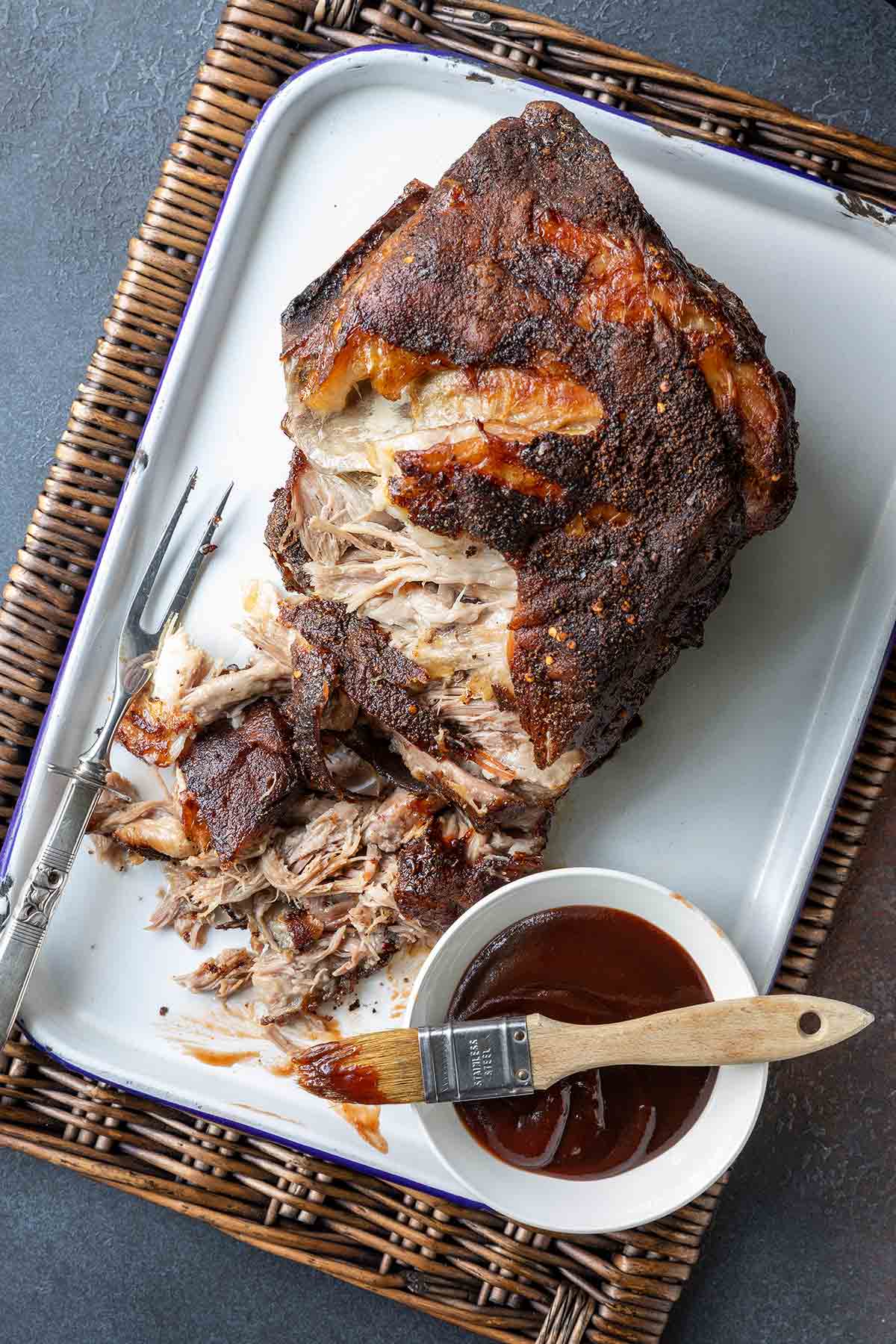
The fundamental principle for cooking a Boston Butt is “low and slow.” This method involves cooking the meat at a relatively low temperature for an extended period. The reason for this approach is scientific: the Boston Butt is a tough cut, rich in collagen and connective tissue. High heat would simply dry out the meat and make it even tougher. However, cooking it slowly over many hours allows the collagen to gradually break down into gelatin, which melts and lubricates the muscle fibers, resulting in incredibly tender, moist, and flavorful meat that easily pulls apart. This slow transformation is what yields the characteristic succulent texture highly prized in barbecue circles.
Ideal Cooking Temperature Ranges
The consensus among pitmasters and culinary experts is to maintain a smoker or oven temperature between 225°F (107°C) and 275°F (135°C) for a Boston Butt.
- 225°F (107°C): This is often considered the traditional “low and slow” temperature, yielding the most tender results and a pronounced smoke ring. It requires the longest cooking time, typically 1.5 to 2 hours per pound.
- 250°F (121°C): A very popular and forgiving temperature that balances tenderness with a slightly reduced cooking time. It’s often recommended for consistent results.
- 275°F (135°C): This higher end of the “low and slow” spectrum can speed up the cooking process without sacrificing too much tenderness, particularly if the meat is wrapped (see “The Stall” below). However, it requires closer monitoring to prevent drying.
The exact temperature chosen can be a matter of personal preference, equipment capabilities, and the desired cooking duration. Regardless, consistency is key; significant temperature fluctuations can negatively impact the final product.
The Stall and How to Overcome It
During the long cooking process, especially when cooking a Boston Butt, you will inevitably encounter “the stall.” This phenomenon occurs when the internal temperature of the meat plateaus, typically between 150°F (65°C) and 170°F (77°C), and can remain there for several hours. The stall is caused by evaporative cooling, where moisture evaporating from the surface of the meat cools it down, counteracting the heat being applied.
Overcoming the stall often involves patience, but many pitmasters employ a technique called the “Texas Crutch.” This involves wrapping the Boston Butt tightly in butcher paper or aluminum foil once it hits the stall. Wrapping prevents further evaporative cooling, allowing the internal temperature to rise more quickly and pushing through the stall. This technique can reduce cooking time significantly while retaining moisture, though some argue it can slightly soften the bark (the flavorful crust on the exterior).
Achieving the Perfect Internal Temperature
The ultimate goal is to reach a final internal temperature that ensures maximum tenderness. For pulled pork from a Boston Butt, this is typically between 195°F (90°C) and 205°F (96°C). While meat is generally cooked to 160°F (71°C) for food safety, the higher temperatures for Boston Butt are necessary to fully break down the collagen.
Using a reliable meat thermometer is essential. Insert the probe into the thickest part of the meat, avoiding bone. Once the desired internal temperature is reached, the meat should be removed from the heat and allowed to rest, still wrapped, for at least an hour, or even up to four hours. Resting allows the muscle fibers to relax and reabsorb juices, resulting in an even more succulent final product. The meat should be “probe tender” – meaning the thermometer slides in with very little resistance, like inserting it into a stick of warm butter.
Regional Variations and Their Impact on Preparation
The journey through Boston Butt preparation reveals fascinating regional nuances that delight culinary tourists. Each region, rooted in its unique history and available resources, has developed distinct styles that influence the cooking temperatures and methods.
Carolina Pulled Pork Traditions
In the Carolinas, specifically North Carolina and South Carolina, pulled pork is king, and the whole hog tradition is prominent. However, the Boston Butt is often cooked separately. The cooking temperatures here tend to lean towards the lower end of the spectrum, around 225-250°F (107-121°C), to achieve extreme tenderness and a deep smoke flavor characteristic of true wood-fired pits. Sauces are often vinegar-based, either thin and tangy in the eastern style or a bit sweeter and spicier with tomato and vinegar in the western style. The “low and slow” approach is crucial for marrying the smoky flavor of oak or hickory wood with the pork, creating a distinct profile that is quintessentially Carolina.
Texas Influence and Beyond
While Texas is most famous for its beef brisket, its barbecue scene certainly embraces pork, including the Boston Butt. Texans often favor a slightly higher smoking temperature, sometimes pushing 275°F (135°C), and commonly use post oak wood for a robust, earthy smoke. The emphasis is often on a simple dry rub, allowing the quality of the meat and the smoke to shine. Beyond Texas, other regions like Memphis and Kansas City have their own interpretations, from dry-rubbed perfection in Memphis to the sweeter, thicker sauces of Kansas City. These regional distinctions reinforce that while the core “low and slow” temperature principle remains, the specifics are adaptable and contribute to a rich tapestry of barbecue tourism.
Bringing the Experience Home: Tips for Tourists
For tourists inspired to replicate their culinary discoveries, mastering the Boston Butt at home is a rewarding challenge. It allows the continuation of a travel experience and the sharing of a cultural memory.
Essential Tools for Replication
To successfully cook a Boston Butt at home, several tools are essential. A reliable smoker (pellet, charcoal, or electric) is ideal for imparting that authentic smoky flavor. If a smoker isn’t feasible, an oven can be used, though it won’t provide the smoke ring or deep smoke flavor. A high-quality digital meat thermometer, preferably one with a probe that can stay in the meat during cooking, is non-negotiable for monitoring internal temperatures accurately. Butcher paper or heavy-duty aluminum foil will be needed for the “Texas Crutch.” A sturdy set of meat claws or forks will aid in the pulling process once the meat is cooked and rested. These tools are an investment in recreating the authentic barbecue experience found on Southern food trails.
Flavor Profiles and Rubs
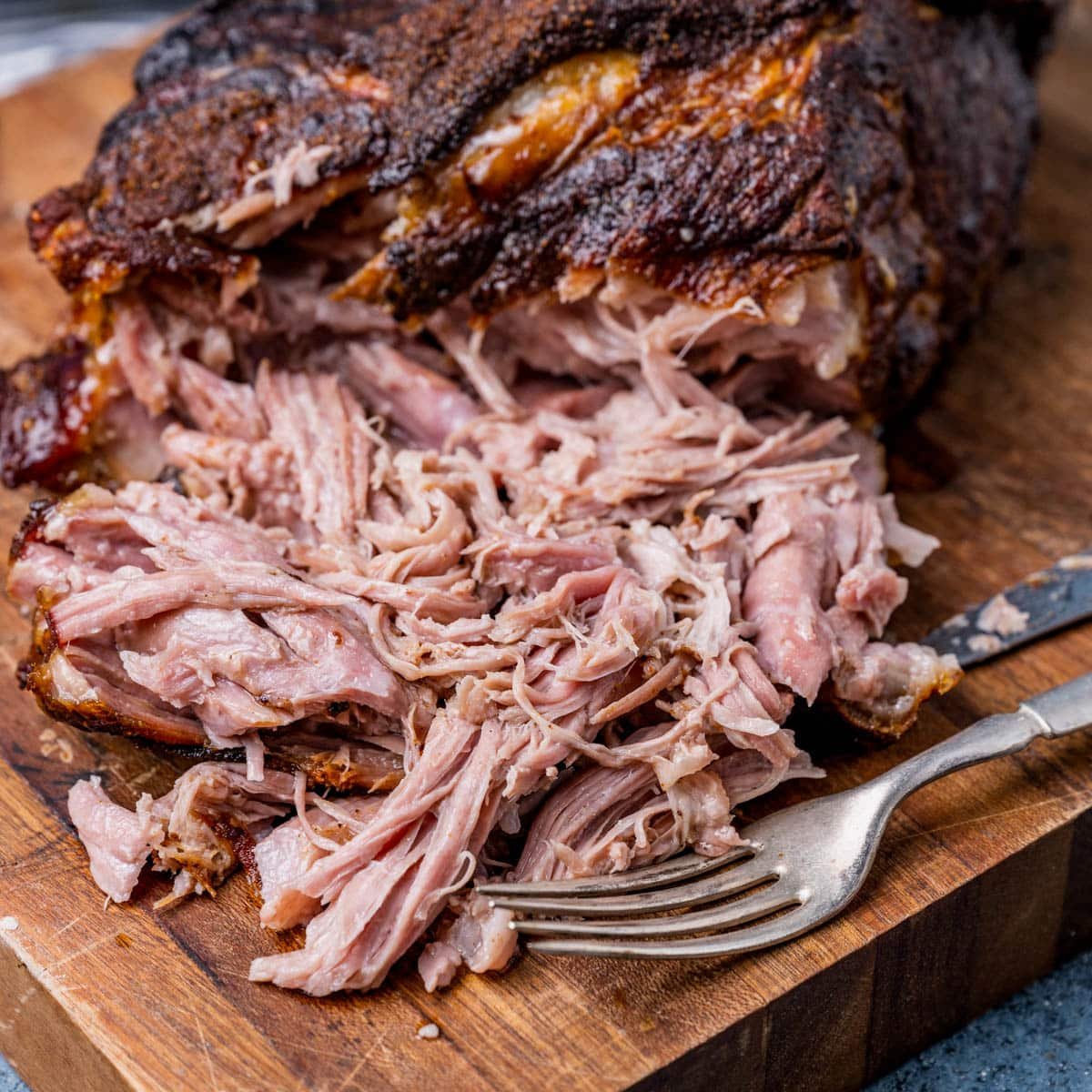
While cooking temperature dictates tenderness, flavor comes from the rub and any finishing sauce. Tourists often bring back specific spice blends from their travels, or seek out recipes inspired by the regional barbecue they enjoyed. A classic rub for Boston Butt typically includes a blend of salt, black pepper, paprika, brown sugar, garlic powder, and onion powder. Adjusting these ratios, adding cayenne for heat, or incorporating unique regional spices allows for personal expression and a faithful homage to the barbecue styles encountered during travels. Experimentation is part of the fun, allowing the home cook to continuously refine their technique and replicate a piece of their travel adventures with every delicious, pulled bite.
LifeOutOfTheBox is a participant in the Amazon Services LLC Associates Program, an affiliate advertising program designed to provide a means for sites to earn advertising fees by advertising and linking to Amazon.com. Amazon, the Amazon logo, AmazonSupply, and the AmazonSupply logo are trademarks of Amazon.com, Inc. or its affiliates. As an Amazon Associate we earn affiliate commissions from qualifying purchases.