
The enigmatic name “Boston Butt” often sparks curiosity, especially among those unfamiliar with the lexicon of American barbecue. Far from being a cut of meat sourced from the posterior of an animal in Boston, the Boston Butt is, in fact, a generous portion of the pig’s shoulder, encompassing parts of the neck, shoulder blade, and upper arm. This cut is celebrated for its rich marbling, robust flavor, and inherent tenderness when cooked low and slow. For the discerning food tourist, understanding and experiencing the Boston Butt is an essential journey into the heart of regional American cuisine, particularly the barbecue traditions that define the Southern United States. It represents not just a meal, but a cultural experience, a testament to culinary heritage passed down through generations.
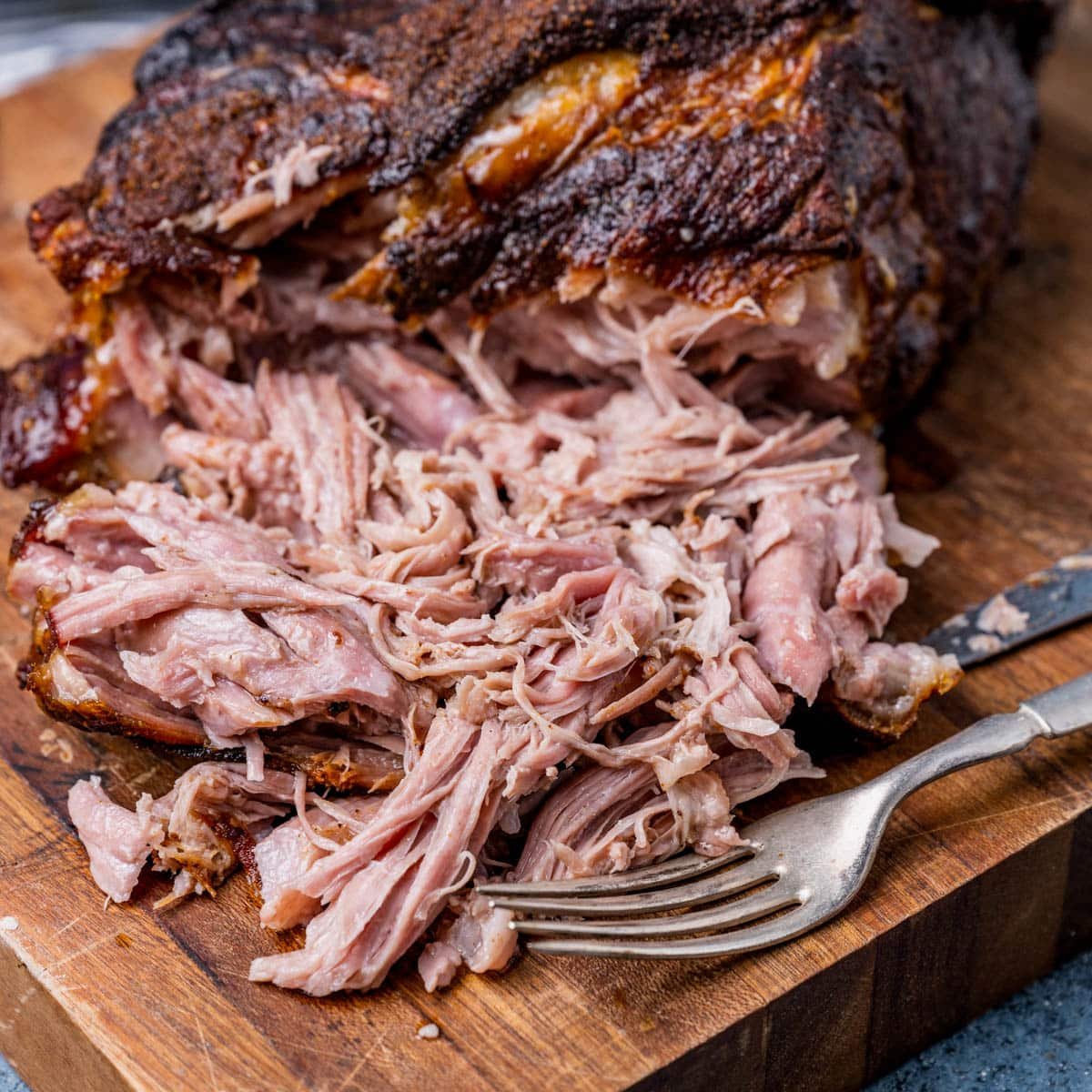
Unveiling the Boston Butt: A Culinary Icon
The story of the Boston Butt is as rich and smoky as the meat itself. Its peculiar name is believed to originate from the pre-Revolutionary War era in colonial New England. Back then, less prized cuts of pork were packed into wooden barrels for storage and transport. These barrels were known as “butts.” When certain cuts of pork shoulder were packed into these barrels in Boston, they became known as “Boston Butts.” The practice eventually faded in most areas, but the name stuck, particularly in the South, where the cut became a cornerstone of barbecue culture.
This cut, despite its humble origins, is now revered by pitmasters and food enthusiasts alike. Its composition – a balance of lean muscle, connective tissue, and ample fat – makes it uniquely suited for long cooking times, which break down the collagen into gelatin, resulting in incredibly succulent and flavorful meat. For travelers exploring the culinary landscapes of the United States, encountering the Boston Butt is an invitation to delve into a deep-seated tradition. It is a symbol of regional identity, an edible marker of cultural pride that has evolved over centuries. Its widespread popularity has made it a central feature in numerous food festivals, competitions, and local eateries across the country, solidifying its status as a true American culinary icon.
The Art of Preparation: From Pit to Plate
The magic of the Boston Butt truly unfolds through its preparation. While it can be roasted or braised, its legendary status is cemented by the art of barbecue, specifically slow smoking. This method transforms the tough cut into something ethereal, yielding tender, pull-apart meat that is juicy and infused with smoky flavor.
The Low and Slow Method
The quintessential preparation involves cooking the Boston Butt at low temperatures (typically 225-275°F or 107-135°C) for extended periods, often 8-16 hours, until an internal temperature of around 200°F (93°C) is reached. This lengthy process allows the fat to render slowly and the connective tissues to break down, resulting in the characteristic melt-in-your-mouth texture. Wood types such as hickory, oak, apple, or cherry are commonly used to impart distinct smoky notes, adding layers of complexity to the meat’s flavor profile. The exterior often develops a dark, flavorful crust known as the “bark,” a highly prized component among barbecue aficionados. Travelers seeking an authentic barbecue experience should look for establishments that adhere to these traditional, time-honored smoking methods, often identified by the presence of large, dedicated smokers.
Rubs, Mops, and Sauces: Regional Expressions
Before hitting the smoker, the Boston Butt is typically coated in a dry rub – a blend of spices like paprika, brown sugar, salt, pepper, garlic powder, and cayenne. This rub creates the foundation of flavor and contributes to the formation of the delicious bark. During the smoking process, some pitmasters employ “mops” or “spritzes,” liquids like apple cider vinegar, beer, or fruit juice, to keep the meat moist and add additional flavor.
Once cooked, the meat is usually “pulled” or shredded, often by hand, exposing the succulent interior. This pulled pork then serves as a canvas for various regional sauces, each reflecting the distinct culinary traditions of its origin. In the Carolinas, vinegary or mustard-based sauces are prevalent, offering a tangy counterpoint to the richness of the pork. Memphis often favors a sweeter, tomato-based sauce, while Kansas City is famous for its thick, sweet, and smoky concoctions. Exploring these sauce variations is a delightful journey in itself for the food tourist, revealing the nuanced diversity within the broader barbecue spectrum.
Regional Flavors: Where to Experience Boston Butt Culture
For the culinarily adventurous traveler, the Boston Butt is a passport to a vibrant food scene. It’s not just about eating; it’s about immersing oneself in the local culture, understanding the history, and appreciating the craft. The epicenter of Boston Butt excellence is undoubtedly the Southern United States, where barbecue is not just food, but a way of life, a social glue, and a source of immense regional pride.
The Barbecue Belt: A Culinary Pilgrimage
Embarking on a barbecue pilgrimage through the Southern United States offers endless opportunities to savor expertly prepared Boston Butt. Each state, and often each city, boasts its own unique style and traditions.
The Carolinas’ Tangy Traditions

In the Carolinas, pulled pork from a Boston Butt is king. Eastern North Carolina is famous for its whole-hog barbecue, but pulled pork shoulder with a thin, vinegar-based sauce is equally iconic. In places like Lexington, North Carolina, the meat is often chopped rather than pulled, and served with a vinegar-ketchup hybrid sauce. The lighter, tangier sauces in this region allow the pure flavor of the smoked pork to shine through, a testament to the pitmaster’s skill. Visiting these establishments offers a genuine taste of local life, often in unpretentious settings where the focus is solely on the quality of the food and the warmth of the hospitality.
Memphis: The Home of Dry Rubs and Sweet Glazes
Moving westward, Memphis, Tennessee, presents a different facet of Boston Butt preparation. While famous for its ribs, Memphis also excels at pulled pork, often seasoned with a rich dry rub before smoking. The resulting meat is frequently served “dry” – without sauce – or with a sweeter, thicker tomato-based sauce. The Memphis in May World Championship Barbecue Cooking Contest draws thousands annually, showcasing the pinnacle of barbecue artistry, with pulled pork being a hotly contested category. Tourists can sample award-winning barbecue year-round at countless eateries across the city.
Kansas City’s Robust Sauces
Further north, Kansas City, Missouri, is renowned for its diverse barbecue scene and its signature thick, sweet, and tangy sauces. Here, pulled pork from a Boston Butt is often generously doused in these robust sauces, making for a truly indulgent experience. Barbecue joints in Kansas City often offer a wide array of meats, but their pulled pork stands strong as a local favorite, perfectly embodying the city’s rich, smoky, and saucy culinary identity.
Texas: Beyond Brisket
While Texas is synonymous with beef brisket, the state’s barbecue scene also embraces pork, and the Boston Butt has a revered place, especially in regions focusing on slow-smoked pork. In central Texas, the emphasis is often on the quality of the meat and the smoke, with simple salt and pepper rubs. Pulled pork sandwiches and platters are staples, offering a satisfying alternative to beef. Exploring the barbecue trails through the Texas Hill Country can reveal incredible diversity, and tourists should not shy away from trying the pork offerings.
Pairing Perfection: Enhancing the Boston Butt Experience
A truly memorable Boston Butt experience extends beyond just the meat itself. It involves the complementary elements that elevate the meal into a full sensory delight, a perfect representation of comfort food at its finest.
Classic Sides and Accompaniments
No pulled pork platter is complete without an array of classic Southern sides. Creamy coleslaw, often served with a vinegar or mayonnaise dressing, provides a refreshing crunch and cuts through the richness of the pork. Baked beans, slow-cooked with molasses, bacon, or sometimes even chunks of burnt ends, offer a sweet and savory counterpoint. Cornbread, whether skillet-baked or in muffin form, serves as a perfect vehicle to soak up any lingering juices or sauce. Other popular sides include potato salad, macaroni and cheese, collard greens, and fried okra. These accompaniments are not mere afterthoughts; they are integral parts of the culinary tradition, providing balance and depth to the meal. For a tourist, sampling a variety of sides is as much a part of the cultural experience as the main dish itself.
Beverages: The Perfect Pairing
To wash down this rich fare, traditional choices often include sweet tea, a quintessential Southern beverage, or local craft beers. Many barbecue establishments, particularly in regions with burgeoning craft beer scenes, offer selections specifically designed to complement smoky flavors. Lighter lagers or crisp IPAs can provide a refreshing contrast, while darker stouts or porters might enhance the deep, roasted notes of the meat. For those seeking non-alcoholic options, a good, cold soda pop or unsweetened iced tea are classic choices. The right beverage enhances the overall enjoyment, making the meal a complete and satisfying experience.
Bringing the Experience Home: Tips for the Enthusiastic Traveler
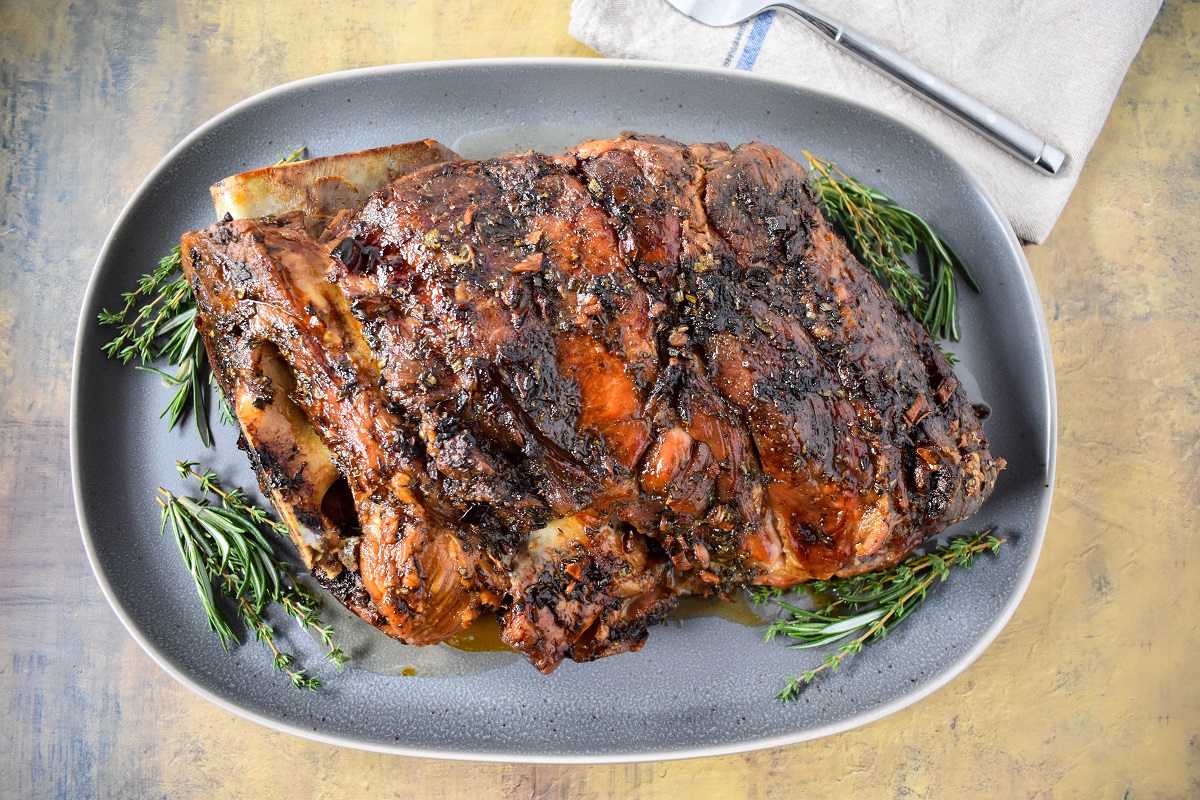
For travelers whose palates have been captivated by the allure of the Boston Butt, the desire to recreate this culinary magic at home is often strong. While the authentic pitmaster experience might require specialized equipment, there are ways to bring a piece of this Southern tradition to your own kitchen.
Firstly, sourcing a quality Boston Butt is paramount. Look for cuts with good marbling and a visible fat cap, which will contribute to moisture and flavor during cooking. Many local butchers in areas known for barbecue can guide you. Secondly, investing in a good smoker or even a slow cooker can yield excellent results, though a traditional offset smoker provides the most authentic flavor profile. Experiment with various wood chips to find your preferred smoke intensity.
Furthermore, engaging with local pitmasters during your travels can offer invaluable insights. Many barbecue joints are happy to share tips on rubs, sauces, and cooking techniques. Consider taking a barbecue cooking class in places like Austin, Texas, or St. Louis, Missouri, to learn directly from the experts. These experiences not only enhance your culinary skills but also deepen your appreciation for the craft and culture surrounding this iconic cut of pork. The Boston Butt is more than just a meal; it’s an invitation to explore a rich culinary heritage, a flavorful journey that stays with you long after the last bite.
LifeOutOfTheBox is a participant in the Amazon Services LLC Associates Program, an affiliate advertising program designed to provide a means for sites to earn advertising fees by advertising and linking to Amazon.com. Amazon, the Amazon logo, AmazonSupply, and the AmazonSupply logo are trademarks of Amazon.com, Inc. or its affiliates. As an Amazon Associate we earn affiliate commissions from qualifying purchases.