
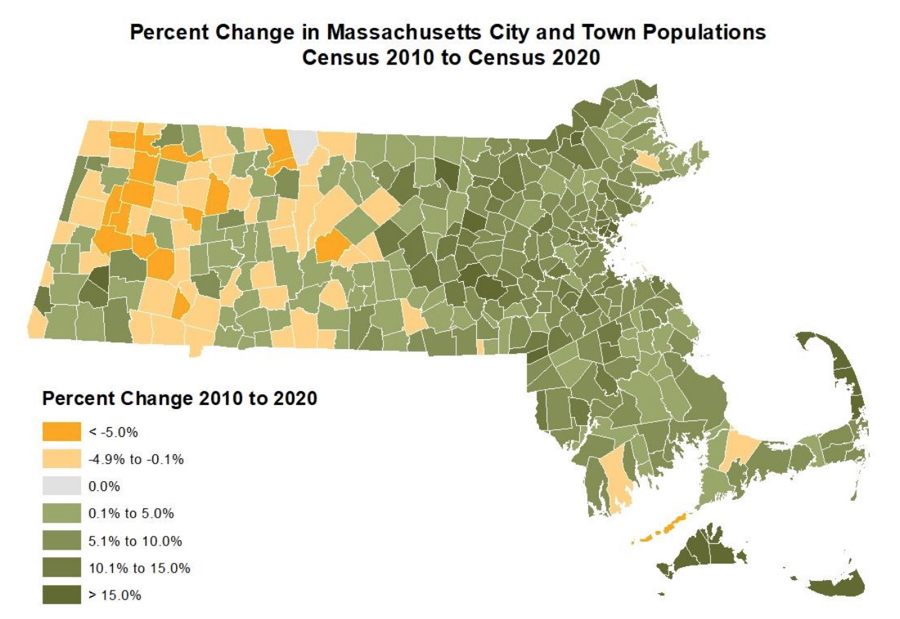
When planning a trip to a vibrant metropolis, understanding its scale and the character of its inhabitants can significantly enrich the travel experience. Boston, the historic capital of Massachusetts and one of America’s oldest cities, presents a fascinating study in urban dynamics, heavily influenced by its population. While the exact figure fluctuates, Boston’s city proper typically hovers around 670,000 to 690,000 residents, making it a sizable urban center in its own right. However, this number tells only part of the story. The true impact on a traveler’s experience comes from the expansive Greater Boston metropolitan area, which encompasses communities like Cambridge, Somerville, and Brookline, boosting the regional population to over 4.8 million. This dynamic population base imbues Boston with a unique energy, shaping everything from its bustling neighborhoods and diverse culinary scene to its efficient public transport and vibrant cultural institutions, all contributing to an unforgettable journey.
The Pulse of a Compact Metropolis: Population Density and Urban Exploration
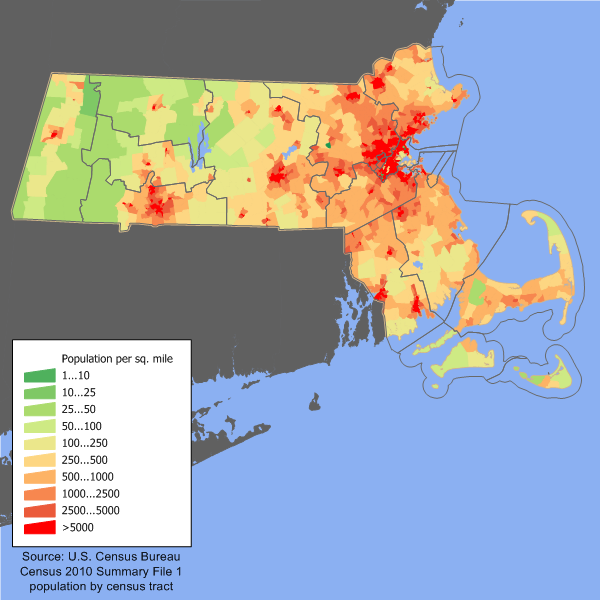
Despite its significant population, Boston feels remarkably accessible and navigable, largely due to its relatively compact geographical footprint. This high population density, particularly within the historic core, creates a uniquely intimate urban environment. Unlike sprawling cities, Boston’s attractions, from the Freedom Trail to the New England Aquarium, are often within walking distance or a short ride on the “T,” Boston’s subway system. This density fosters a lively street scene, ensuring that every corner turned reveals something new, whether it’s a historic landmark, a charming café, or a vibrant public space.
Navigating Boston’s Historic Core
The historical areas of Boston, such as Beacon Hill, the North End, and the Back Bay, are prime examples of how population density enhances the traveler’s experience. Walking the cobblestone streets of Beacon Hill, you’re immersed in a living history book, surrounded by tightly packed row houses that have housed generations. In the North End, the sheer concentration of Italian restaurants, bakeries, and delis is a direct result of historical immigration patterns and the enduring community that calls this vibrant neighborhood home. Even amidst the crowds, the pedestrian-friendly nature of these areas allows for intimate exploration, making it easy to hop from a revolutionary war site to a modern eatery without feeling overwhelmed by urban sprawl. The density means that popular spots like Faneuil Hall Marketplace and Quincy Market are always buzzing, offering a quintessential Boston experience where locals and tourists mingle freely.
Beyond the City Limits: Greater Boston’s Extended Appeal
While the core city’s population offers a concentrated urban experience, the broader metropolitan area significantly expands the range of activities and cultural insights for travelers. Communities like Cambridge, just across the Charles River, are practically extensions of Boston in terms of accessibility and cultural integration. Cambridge itself boasts a population over 100,000, profoundly shaped by institutions like Harvard University and MIT. This demographic shift beyond the city limits means travelers can effortlessly explore different vibes, from the academic bustle of Harvard Square to the diverse culinary landscape of Somerville, all within Boston’s extended orbit. The interconnectedness facilitated by public transit means that the metropolitan population acts as a single, large pool of cultural producers and consumers, constantly contributing to the region’s dynamic appeal.
Demographics Shaping the Traveler’s Experience: A Mosaic of Cultures
The specific demographic makeup of Boston’s population profoundly influences the city’s character and, by extension, the traveler’s experience. Boston is not just a city of historical landmarks; it’s a living, breathing tapestry of diverse communities, each contributing to its unique flavor. The city is a melting pot of various ethnic groups, including significant Irish, Italian, Chinese, Haitian, and Hispanic populations, among others. This diversity translates into an incredibly rich cultural landscape, reflected in its festivals, neighborhoods, and especially its food scene, providing an authentic glimpse into the United States’ multicultural reality.
The Youthful Energy of Collegiate Life
Perhaps one of the most defining characteristics of Boston’s population is its enormous student contingent. Home to dozens of colleges and universities, including prestigious institutions like Harvard University, MIT, Boston University, and Northeastern University, the city’s population swells by hundreds of thousands of young people each academic year. This influx injects a palpable youthful energy into the city. For travelers, this means a vibrant nightlife, an abundance of affordable and trendy eateries, cutting-edge art installations, and a progressive atmosphere. Student populations are often catalysts for cultural innovation, leading to a dynamic music scene, independent bookstores, and a lively intellectual discourse that visitors can tap into through public lectures, museum exhibitions, and theater productions. The energy around university campuses like the areas near Fenway Park or along the Charles River is contagious.
A Mosaic of Cultures and Cuisines
The diverse ethnic composition of Boston’s population is a huge draw for travelers interested in culinary exploration and cultural immersion. The North End remains the epicenter of Boston’s Italian-American community, offering an unparalleled array of authentic Italian restaurants, pasty shops, and historic churches. Similarly, Chinatown is a vibrant hub of Asian culture, featuring incredible dim sum, authentic markets, and traditional festivals that provide a sensory feast. Beyond these well-known enclaves, areas like Jamaica Plain or Roxbury offer glimpses into the city’s diverse Latin American and Caribbean communities, with distinct restaurants, shops, and community events. This rich tapestry ensures that a traveler’s culinary journey through Boston can span continents, reflecting the global origins of its residents.
Economic Drivers and Tourist Appeal: Where Talent Meets Tourism
Boston’s population is also a highly skilled and educated one, a characteristic that underpins the city’s robust economy in sectors like biotechnology, healthcare, finance, and technology. This economic vibrancy directly translates into significant advantages for travelers. A thriving economy supports world-class infrastructure, sophisticated dining experiences, luxury accommodations, and a high standard of living that enhances the overall visitor experience. The presence of leading research institutions and innovative companies attracts a steady stream of business travelers, conferences, and conventions, which in turn fuels the hospitality sector and ensures a high level of service across the city.
The constant flow of professionals and innovators contributes to a sophisticated urban environment. Areas like the Seaport District, once industrial, have been transformed into sleek, modern hubs brimming with high-end restaurants, contemporary art galleries, and waterfront promenades, catering to a discerning clientele that includes both residents and visitors. The city’s commitment to innovation also means a constantly evolving cultural scene, with new museums, performance venues, and public art installations emerging regularly. Major institutions like the Museum of Fine Arts and the Isabella Stewart Gardner Museum are bolstered by a population that values arts and culture, ensuring these attractions remain vibrant and accessible. The economic strength, driven by its talented population, positions Boston not just as a historical relic, but as a forward-thinking global city offering a complete and modern travel experience.
In essence, while the simple answer to “What’s the population of Boston?” provides a baseline, it is the deeper understanding of who these nearly 700,000 residents are, and how they interact within the larger metropolitan area of nearly 5 million, that truly unlocks the city’s potential for travelers. From its walkability shaped by density, to its diverse cultural tapestry, and the youthful dynamism of its student body, every aspect of Boston’s population contributes to making it an engaging, insightful, and unforgettable travel destination.
LifeOutOfTheBox is a participant in the Amazon Services LLC Associates Program, an affiliate advertising program designed to provide a means for sites to earn advertising fees by advertising and linking to Amazon.com. Amazon, the Amazon logo, AmazonSupply, and the AmazonSupply logo are trademarks of Amazon.com, Inc. or its affiliates. As an Amazon Associate we earn affiliate commissions from qualifying purchases.