
Understanding Boston’s Varied Climate for Your Trip
Boston, the historic capital of Massachusetts, is renowned for its vibrant culture, rich history, and distinctive four-season climate. For any traveler planning a visit, understanding the prevailing temperatures and weather patterns is not merely a matter of curiosity; it’s a foundational element for a successful and enjoyable experience. The city’s position in New England on the Atlantic Ocean coast means it experiences a wide range of temperatures throughout the year, from crisp autumn days and snowy winters to blossoming springs and warm, humid summers.
Knowing what to expect from Boston’s mercury readings is crucial for several aspects of travel planning. It dictates the type of clothing to pack, influences the availability and enjoyment of outdoor activities, and can even impact the ambiance of indoor attractions. A summer visit promises sun-drenched days perfect for exploring the Boston Harbor Islands or catching a game at Fenway Park, while a winter trip might call for cozy museum visits or ice skating on Frog Pond in Boston Common. The interplay between temperature and activity is constant, making climate awareness a cornerstone of effective travel itinerary development. This guide aims to demystify Boston’s climate, helping you prepare for whatever the weather may bring and ensuring your journey is as comfortable and memorable as possible.

Seasonal Deep Dive: What to Expect and How to Prepare
Boston’s climate is defined by its dramatic seasonal shifts, each offering a unique character and set of experiences. Understanding these nuances is key to optimizing your travel plans.
Spring: A City Awakens (March – May)
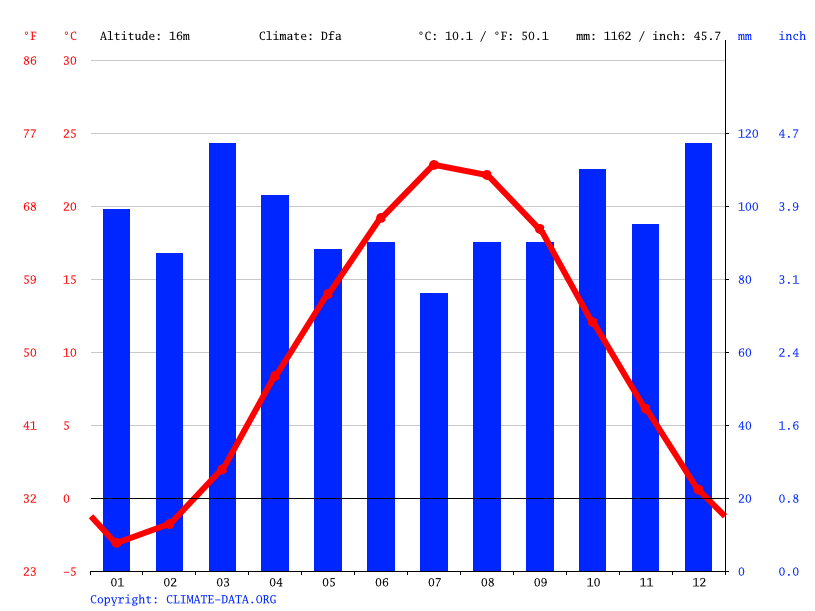
Spring in Boston is a season of transformation, as the city sheds its winter coat and bursts into life. Temperatures during March can still be quite chilly, averaging around 35-45°F (2-7°C), with occasional late-season snow flurries not uncommon. As April progresses, temperatures climb to a more comfortable 45-55°F (7-13°C), and by May, they generally range from 55-65°F (13-18°C), sometimes even reaching into the 70s (20s °C).
This period is marked by fluctuating weather; sunny, mild days can quickly give way to cooler, rainy spells. Light to moderate rainfall is common, and the air can feel damp, especially near the coast. Spring is ideal for witnessing the vibrant floral displays in the Public Garden and along the Esplanade. Walking tours, such as those along the Freedom Trail, become increasingly pleasant as the days lengthen and warm. For packing, layering is paramount: bring a waterproof jacket or umbrella, sweaters, long-sleeved shirts, and comfortable walking shoes. A warm scarf or hat might still be appreciated in early spring or on cooler evenings.
Summer: Warm Days and Coastal Breezes (June – August)
Summer delivers Boston’s warmest weather, with average temperatures ranging from 70-80°F (21-27°C). July and August are typically the hottest months, often experiencing periods of high humidity and occasional heatwaves where temperatures can soar above 90°F (32°C). While the urban environment can feel quite warm, coastal breezes from the Atlantic Ocean often provide some relief, particularly in areas closer to the water.
This is peak season for outdoor activities. Whale Watching tours depart frequently from the Boston waterfront, and the Boston Harbor Islands offer a refreshing escape. Catching a Boston Red Sox game at Fenway Park is a quintessential summer experience. Packing should focus on light, breathable clothing like cotton and linen. Shorts, t-shirts, and sundresses are suitable, but it’s wise to include a light sweater or jacket for cooler evenings or air-conditioned indoor spaces. Sun protection – hats, sunglasses, and sunscreen – is essential.
Autumn: Crisp Air and Fiery Foliage (September – November)
Autumn in Boston is arguably one of the most picturesque times to visit, thanks to the breathtaking fall foliage that blankets New England. September brings delightful mildness, with temperatures averaging 60-70°F (16-21°C), making it ideal for exploring. By October, the air turns crisp, and temperatures fall to 50-60°F (10-16°C). November sees a noticeable chill, with averages in the 40s (4-9°C) and the first hints of winter weather.

The weather during autumn is generally dry and sunny, perfect for scenic drives to witness the vibrant reds, oranges, and yellows of the leaves. Day trips to nearby towns like Salem for its Halloween festivities are popular. Walking tours around historic neighborhoods like Beacon Hill or Back Bay are particularly enjoyable. Layers are, once again, the best strategy for packing. Start with long-sleeved shirts, add sweaters or fleeces, and a medium-weight jacket. Waterproof outer layers are advisable for potential autumn showers.
Winter: Snowy Charm and Cozy Retreats (December – February)
Winter in Boston is cold, often snowy, and undeniably charming. Average temperatures typically hover between 20-40°F (-6 to 4°C), with January and February being the coldest months. Below-freezing temperatures are common, and the city experiences several snowfalls each winter, ranging from light dustings to significant blizzards.
Despite the cold, Boston offers a unique winter appeal. Ice skating on Frog Pond in Boston Common is a favorite pastime. Indoor attractions, such as the Museum of Fine Arts, the Isabella Stewart Gardner Museum, or the New England Aquarium, provide warmth and cultural enrichment. The city’s cozy restaurants and pubs offer inviting retreats. For winter travel, heavy winter gear is non-negotiable: a thick, waterproof winter coat, warm layers (thermals, sweaters), waterproof boots with good traction, a hat, gloves or mittens, and a scarf are essential to stay comfortable while exploring.
Beyond the Thermometer: Factors Influencing Your Boston Experience
While average temperatures provide a solid framework, Boston’s weather can be influenced by several other factors, adding layers of complexity and charm to its climate.
Coastal Influence and Microclimates
Boston’s proximity to the Atlantic Ocean plays a significant role in its weather patterns. The ocean moderates temperatures, making coastal areas slightly warmer in winter and cooler in summer compared to inland regions. However, it also contributes to higher humidity levels, especially during summer, and can bring sea fog. The urban environment itself creates a “heat island” effect, where buildings and pavement absorb and re-emit heat, often making the city center feel a few degrees warmer than surrounding suburban areas. This means that a walk from the waterfront through downtown Boston can present subtle shifts in perceived temperature.
Preparing for Unpredictability
One of the most defining characteristics of New England weather, including Boston’s, is its unpredictability. It’s not uncommon for temperatures to swing wildly within a single day, or for a sunny morning to give way to an afternoon shower. This phenomenon underscores the importance of checking weather forecasts frequently, especially in the days leading up to and during your trip. Relying solely on historical averages can sometimes lead to being under or over-prepared. The classic New England adage, “If you don’t like the weather, wait a minute,” holds true in Boston and is a testament to the dynamic nature of its climate. Therefore, adopting a versatile layering strategy for your wardrobe is not just advice; it’s a fundamental principle for comfortable travel in Boston.
The Best Time to Visit Based on Your Preferences
Determining the “best” time to visit Boston largely depends on your personal preferences and what you hope to experience. Each season, defined by its unique temperature profile, offers distinct advantages:
- For Mild Weather and Outdoor Exploration: Late Spring (May) and Early Fall (September to Mid-October) are often considered the sweet spots. Temperatures are pleasant, humidity is low, and the city is vibrant with either blooming flowers or spectacular foliage. These months are ideal for extensive walking tours, enjoying outdoor dining, and exploring the city’s parks.
- For Summer Festivities and Coastal Escapes: Summer (June – August) is perfect for those who thrive in warmer weather and wish to engage in activities like whale watching, relaxing on the Boston Harbor Islands, or attending outdoor concerts and sporting events. Be prepared for potential heat and humidity, and embrace lighter clothing.
- For Winter Wonderland Charm and Indoor Culture: Winter (December – February) appeals to travelers who appreciate a cozy, festive atmosphere and don’t mind the cold. It’s an excellent time for museum hopping, enjoying Boston’s renowned culinary scene, and experiencing holiday cheer. The chillier temperatures also mean fewer crowds at major attractions.
- For Budget Travel and Fewer Crowds: Early Spring (March – April) and Late Fall (November) typically represent the shoulder seasons. While the weather can be more unpredictable or cooler, you’ll often find better deals on flights and accommodations, and the city is less crowded than during peak summer and fall foliage months.
Ultimately, knowing “What’s the temperature in Boston Massachusetts?” is the first step in crafting an unforgettable travel experience. By aligning your expectations with the seasonal climate and packing accordingly, you can fully immerse yourself in the unique charm and historical richness that Boston offers, no matter the time of year.
LifeOutOfTheBox is a participant in the Amazon Services LLC Associates Program, an affiliate advertising program designed to provide a means for sites to earn advertising fees by advertising and linking to Amazon.com. Amazon, the Amazon logo, AmazonSupply, and the AmazonSupply logo are trademarks of Amazon.com, Inc. or its affiliates. As an Amazon Associate we earn affiliate commissions from qualifying purchases.