
The question “Where is the Boston Bomber?” points directly to a pivotal moment in American history and the subsequent judicial process that led to the individual’s current location. This exploration delves into the historical timeline, the significant locations involved in the events, and the ultimate correctional facility that now holds Dzhokhar Tsarnaev, viewing these sites as landmarks in a somber, yet crucial, historical narrative.
The Aftermath of a City in Shock: Historical Context and Initial Locations
The events of April 15, 2013, etched themselves into the collective memory of Boston and the nation. What began as a celebration of endurance and community at the Boston Marathon quickly devolved into a scene of terror and tragedy. Understanding “where” the bomber is today necessitates a look back at the historical “where” of his actions and the subsequent hunt.
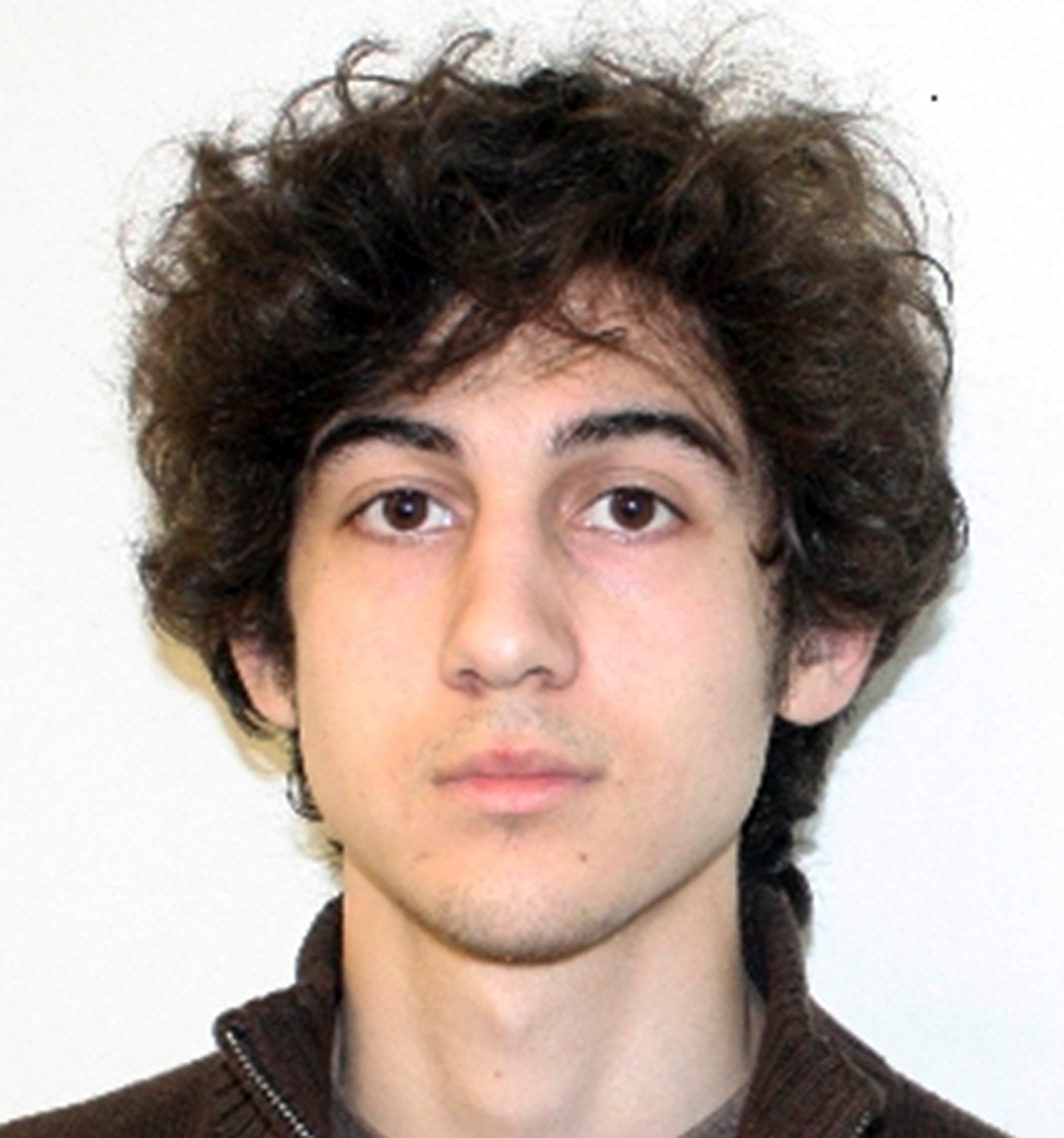
The Boston Marathon Bombing: A Day Etched in Memory
The Boston Marathon finish line on Boylston Street, ordinarily a landmark of triumph and athletic achievement, became a site of profound grief. Two pressure-cooker bombs detonated near the finish line, irrevocably altering the landscape of Copley Square and its surroundings. The area, usually bustling with spectators and runners, transformed into an emergency zone, its historical charm momentarily overshadowed by chaos. Today, while Boylston Street has recovered its vibrancy, the memory of that day remains a poignant part of its identity, with memorials honoring the victims serving as solemn historical markers. These locations, though rebuilt and resilient, hold a permanent place in the city’s historical narrative as sites where tragedy unfolded, and where the resilience of a community was tested.
The Manhunt: Tracking a Fugitive Through Greater Boston
In the days immediately following the bombing, the search for the perpetrators captivated the world. This intensive manhunt brought focus to several other critical geographical points within Greater Boston. The investigation led law enforcement to the MIT campus, where an MIT Police officer, Sean Collier, was tragically murdered by the Tsarnaev brothers. This location, a beacon of innovation and learning, became another landmark in the grim timeline of events, forever linked to a moment of senseless violence.
The chase culminated in a tense standoff and eventual capture in Watertown, a residential suburb just west of Boston. For nearly 24 hours, the entire city of Boston and surrounding communities were placed under an unprecedented lockdown, transforming ordinary neighborhoods into an eerie, deserted landscape. The hunt concluded in a backyard in Watertown, where Dzhokhar Tsarnaev was found hiding in a boat. This seemingly unremarkable backyard, along with the streets of Watertown that witnessed the massive police presence, became another indelible historical landmark—the site where the immediate threat was neutralized and a city could finally breathe a collective sigh of relief. Each of these places, from the bombing sites to the scenes of the manhunt, represents a distinct chapter in the historical narrative surrounding the Boston Marathon bombing.
The Legal Journey: From Capture to Conviction
Following his capture, Dzhokhar Tsarnaev’s journey shifted from the streets of Boston to the intricate legal system. His trial and subsequent sentencing marked another significant phase, with the courthouse itself serving as a landmark of justice.
The Trial in Boston: A City Seeks Justice
The federal trial of Dzhokhar Tsarnaev took place at the John Joseph Moakley United States Courthouse in Boston’s Seaport District. This modern architectural marvel, standing prominently along the Boston Harbor, transformed into a focal point of national and international attention for several months. Inside its walls, the meticulous process of American justice unfolded, as prosecutors presented evidence, survivors recounted their harrowing experiences, and legal teams debated the fate of the accused. The courthouse, typically a venue for various legal proceedings, became a historical landmark where the city, and indeed the nation, grappled with the profound questions of guilt, punishment, and remembrance in the wake of terrorism. The very act of the trial, conducted within Boston, reinforced the community’s commitment to due process even amidst immense pain and anger.

Key Evidence and Testimonies
During the trial, the prosecution presented overwhelming evidence linking Tsarnaev to the bombings and the subsequent violence. This included surveillance footage from Boylston Street, images of him planting a backpack containing one of the bombs, and his own admissions. Testimonies from bombing survivors, first responders, and witnesses from the manhunt phase painted a vivid and painful picture for the jury. The courtroom, usually a detached space, became infused with the raw emotions of those impacted, making every session a historical record of the community’s pursuit of accountability. Ultimately, Dzhokhar Tsarnaev was found guilty on all 30 counts against him, a verdict reached within this landmark building, sealing his fate within the federal penal system.
Current Incarceration: The Supermax Facility
After being found guilty and sentenced to death by a federal jury, Dzhokhar Tsarnaev’s current whereabouts are definitively known. He is incarcerated at one of the most secure federal prisons in the United States.
ADX Florence: A Federal Landmark of Confinement
Dzhokhar Tsarnaev is currently held at the United States Penitentiary Administrative Maximum Facility, commonly known as ADX Florence. This federal supermax prison is located in Florence, a small city in Fremont County, Colorado. Often referred to as “the Alcatraz of the Rockies,” ADX Florence is designed to house inmates deemed the most dangerous and those requiring the tightest control within the federal prison system. It is, in essence, a landmark of ultimate confinement, a place where individuals who pose extreme risks to national security or prison staff are kept under stringent conditions. For high-profile offenders like Tsarnaev, this facility represents the end of their physical journey through the justice system, placing them in a permanent, isolated environment.
Life at a Supermax Prison
Inmates at ADX Florence spend approximately 23 hours a day in solitary confinement in soundproofed cells. These cells are designed to minimize interaction with other inmates and staff. Meals are delivered through a slot in the door, and inmates exercise alone in a concrete pit. The facility’s primary purpose is control and incapacitation, with every aspect of an inmate’s existence meticulously managed to prevent any form of communication or further illicit activity. For Dzhokhar Tsarnaev, this means a life of extreme isolation, starkly contrasting the freedom he once possessed and the public stages upon which his crimes and trial unfolded. His location at ADX Florence is not merely a correctional address but a symbol of the legal system’s final judgment and the enduring consequences of his actions.
The Legacy and Remembrance: Boston’s Enduring Spirit
While the “Boston Bomber” is physically confined, the historical impact of his actions continues to shape remembrance and resilience in Boston. The true “where” of this story extends beyond prison walls, into the hearts of a community.
Memorials and Resilience: How Boston Remembers
In Boston, the spirit of remembrance is strong. Near the site of the bombings on Boylston Street, permanent memorials have been installed. These quiet, reflective spaces feature four bronze pillars, each dedicated to one of the four individuals who died as a direct result of the attacks: Martin Richard, Krystle Campbell, Lingzi Lu, and MIT Officer Sean Collier. These memorials serve as enduring historical landmarks, not of tragedy itself, but of the love and community that rose in its wake. They are places of pilgrimage for many, offering a quiet space for reflection and a tangible reminder of the lives lost and the city’s unwavering strength. The annual Boston Marathon continues, with heightened security and a renewed sense of purpose, serving as a living memorial to triumph over adversity.
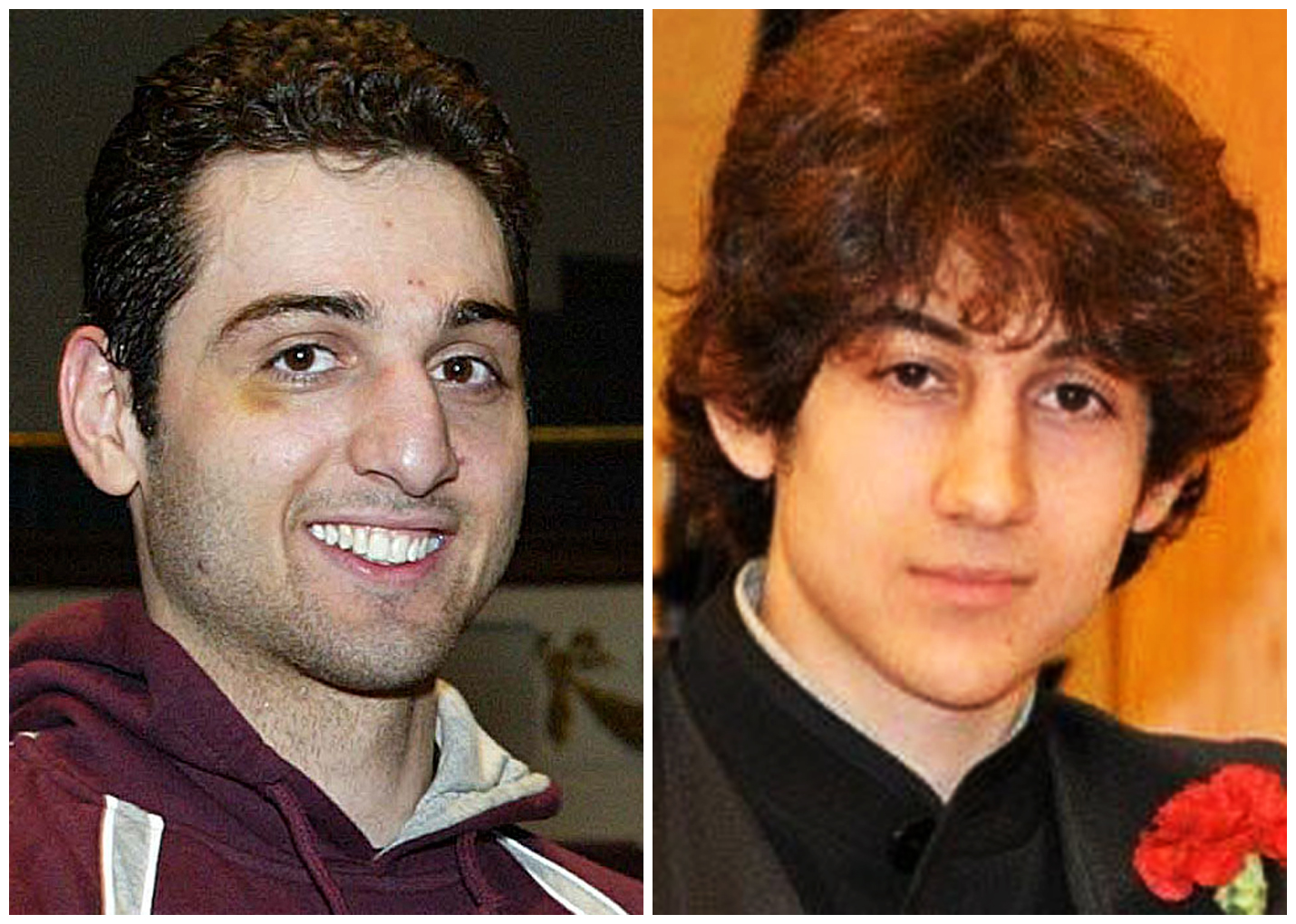
The Marathon’s Enduring Symbolism
The Boston Marathon, an event steeped in history, has itself become a powerful symbol of resilience. Each year, thousands of runners and spectators return to Boylston Street, not allowing fear to define their experience. The collective determination to “Boston Strong” has transformed the finish line into a landmark of defiance and hope. The ongoing participation and spirit of the marathon embody the answer to “where is the Boston Bomber?”—he is in confinement, while the city he sought to terrorize thrives, remembers, and moves forward, its landmarks imbued with a profound history of both pain and unparalleled resilience.
LifeOutOfTheBox is a participant in the Amazon Services LLC Associates Program, an affiliate advertising program designed to provide a means for sites to earn advertising fees by advertising and linking to Amazon.com. Amazon, the Amazon logo, AmazonSupply, and the AmazonSupply logo are trademarks of Amazon.com, Inc. or its affiliates. As an Amazon Associate we earn affiliate commissions from qualifying purchases.