
Choosing where to live in a city as diverse and historic as Boston is a significant decision that shapes one’s daily lifestyle, commute, community engagement, and overall quality of life. Boston, often called “America’s Walking City,” offers a mosaic of neighborhoods, each with its own distinct character, amenities, and appeal, catering to a wide spectrum of preferences from bustling urbanity to quiet, tree-lined streets. Understanding these unique environments is key to finding the perfect fit for your personal or family lifestyle.
Discovering Boston’s Quintessential Neighborhoods
Boston’s charm lies in its ability to blend colonial history with modern innovation. This confluence is vividly expressed in its diverse residential areas, providing options for every demographic and desire.
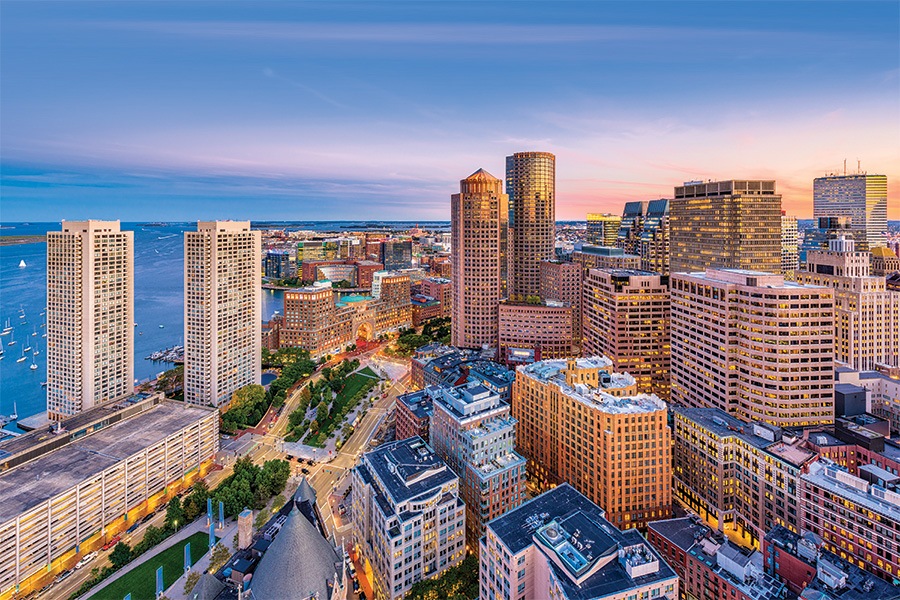
Historic Charm Meets Modern Urbanity
For those drawn to cobblestone streets, gas lamps, and a palpable sense of history combined with sophisticated urban living, several neighborhoods stand out. Beacon Hill, renowned for its federal-style rowhouses and picturesque alleys, offers an exclusive, upscale lifestyle. Residents here enjoy a quiet, residential feel within walking distance of the Massachusetts State House, the high-end boutiques of Charles Street, and the expansive Boston Common and Public Garden. It’s a neighborhood favored by established professionals and those who appreciate classic elegance and serene surroundings.
Adjacent to this, the North End transports residents to a vibrant Italian village within the city. Famed for its authentic ristorantes, bakeries, and historic sites like the Old North Church and the start of the Freedom Trail, the North End offers a lively, community-oriented lifestyle. Apartments range from historic walk-ups to newer condominiums, catering to those who relish a bustling, food-centric environment and a strong neighborhood identity. While parking is notoriously difficult, the walkability and vibrant street life are unmatched.
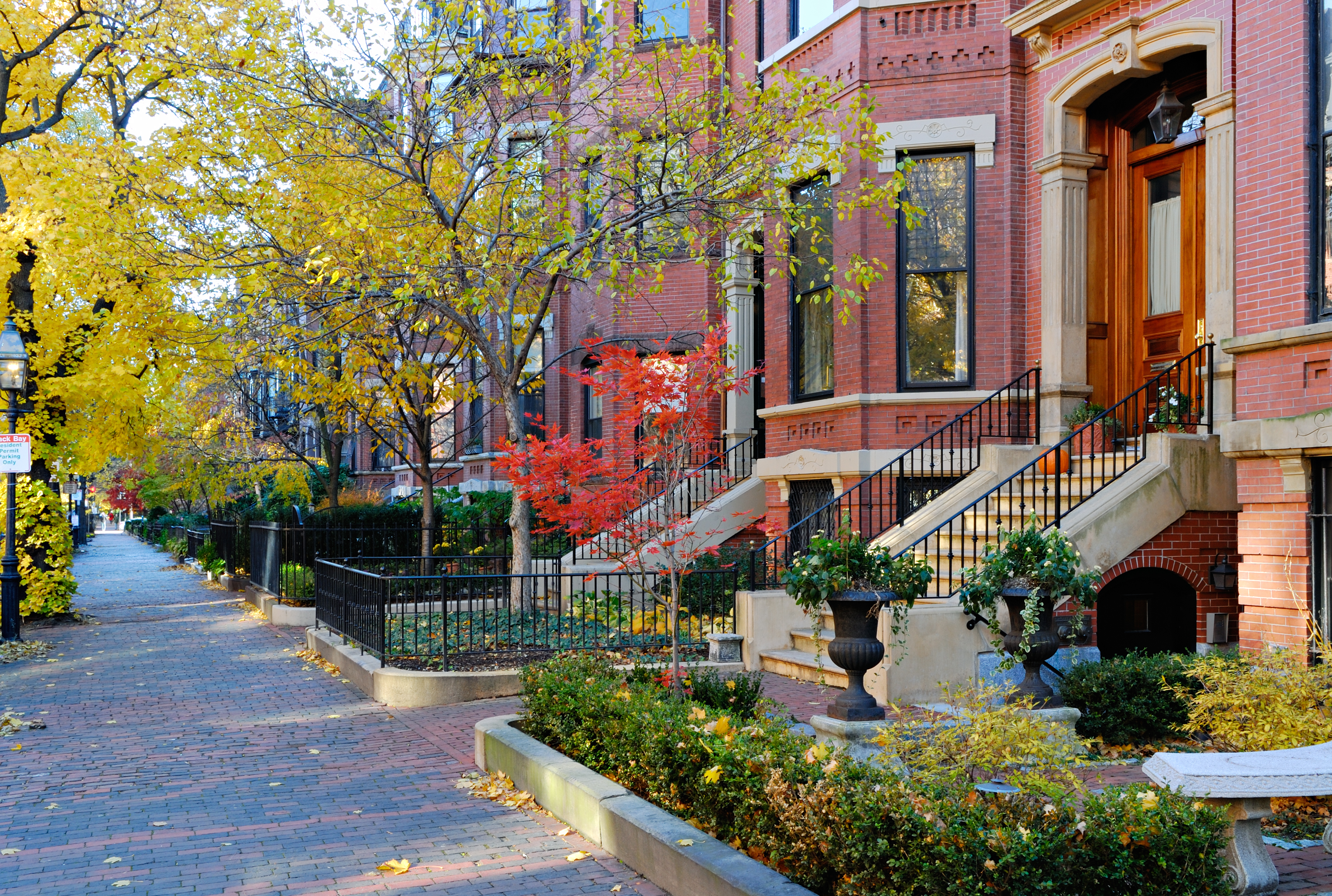
Meanwhile, Back Bay exudes grand Victorian elegance. Home to Newbury Street’s high-end shops, diverse dining, and architecturally stunning brownstones, Back Bay offers a sophisticated urban lifestyle. With access to the Charles River Esplanade for recreation and excellent public transportation, it attracts professionals, couples, and empty nesters seeking a refined, central location with abundant amenities. The availability of luxury condominiums alongside historic apartment conversions provides a range of high-end living options.
Vibrant Hubs for Young Professionals and Creatives
For those seeking dynamic environments, innovative industries, and a thriving social scene, Boston has several hotspots. The Seaport District has transformed into a gleaming hub of innovation, dining, and nightlife. Dominated by modern high-rise apartments and condominiums, it offers a contemporary, amenity-rich lifestyle popular with young professionals in tech, finance, and biotech. The waterfront location provides stunning views, and numerous restaurants, bars, and cultural venues like the Institute of Contemporary Art ensure a lively atmosphere. While newer, its rapid development means a constant evolution of services and attractions, creating a cutting-edge urban experience.
The South End offers a more bohemian and artistic alternative. Known for its Victorian brick row houses, thriving arts scene, numerous award-winning restaurants, and boutique shops, the South End appeals to creatives, foodies, and young professionals. Its charming parks, community gardens, and popular SOWA Open Market contribute to a strong sense of community. The neighborhood’s diverse housing stock includes renovated brownstones and stylish new developments, offering a vibrant, culturally rich lifestyle with excellent access to downtown Boston.
Family-Friendly Havens and Academic Centers
Families seeking strong schools, green spaces, and a slower pace often look to neighborhoods slightly removed from the downtown core but still within city limits or adjacent communities.
Suburban Comfort Within City Reach
Jamaica Plain, affectionately known as “JP,” is celebrated for its progressive atmosphere, diverse community, and abundant green spaces, including a substantial portion of the Emerald Necklace park system, notably Jamaica Pond and the Arnold Arboretum. The neighborhood features a mix of Victorian homes, triple-deckers, and condominiums, attracting families, artists, and those who appreciate an active, outdoors-oriented lifestyle with a strong community feel. Its vibrant main streets offer eclectic shops and eateries, striking a perfect balance between urban amenities and natural tranquility.
Further out, Roslindale and West Roxbury offer a more suburban feel with single-family homes, spacious yards, and tight-knit communities, all while maintaining excellent access to downtown via the MBTA Commuter Rail. Roslindale Village boasts independent businesses, a popular farmers market, and community events, fostering a strong local identity. West Roxbury is known for its strong schools and family-friendly atmosphere, making both appealing choices for those seeking more space and a quieter lifestyle without leaving Boston entirely.
Academic Excellence in Adjacent Communities
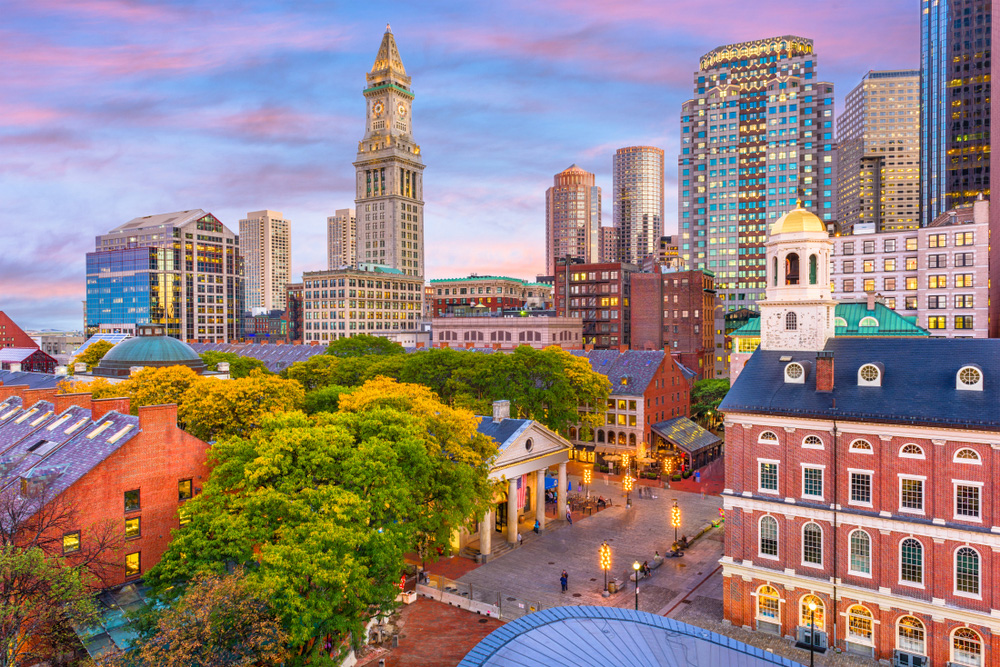
While technically separate municipalities, Cambridge and Brookline are often considered part of the greater Boston lifestyle ecosystem due to their proximity and integrated public transit. Cambridge, home to Harvard University and the Massachusetts Institute of Technology (MIT), is a global center for education and innovation. Its diverse neighborhoods, from the historic squares of Harvard Square and Central Square to the quieter residential areas, attract students, academics, and professionals. The lifestyle here is intellectually stimulating, culturally rich, and highly walkable, with excellent access to the Charles River and Boston’s downtown.
Brookline is consistently ranked among the best places to live for its top-tier public schools, lush parks, and elegant homes. It offers a more upscale, suburban-like lifestyle with the convenience of urban living, appealing to families and established professionals. Its main commercial areas, like Coolidge Corner and Washington Square, provide boutique shopping, dining, and cultural attractions, all accessible by the MBTA Green Line.
Affordable Options and Emerging Hotspots
Boston’s real estate market is competitive, but several neighborhoods offer more accessible price points and a vibrant, evolving character.
Student-Centric and Value-Oriented Living
Allston and Brighton are historically student-dense neighborhoods, offering a mix of triple-deckers and multi-family homes, often at more affordable rental rates. These areas buzz with youthful energy, featuring a plethora of casual eateries, bars, and music venues. While popular with students, young professionals and artists are increasingly drawn to their vibrant, unpretentious atmosphere and good public transit connections to downtown Boston. The lifestyle here is dynamic, social, and budget-conscious.
Revitalized Districts with Growing Appeal
East Boston, often referred to as “Eastie,” has undergone significant revitalization in recent years, making it an attractive option for those seeking value, spectacular skyline views, and quick access to downtown via the MBTA Blue Line. Its diverse community, growing number of restaurants, and new residential developments along the waterfront offer a more affordable entry point into the Boston market. It appeals to young professionals and families looking for a community on the rise with a strong sense of identity and convenient airport access.
Dorchester, Boston’s largest and most populous neighborhood, is rich in history and diversity. It offers a wide range of housing options, from historic Victorian homes to multi-family properties, making it one of the more affordable areas within city limits. With numerous parks, cultural institutions, and thriving commercial centers, Dorchester provides a genuine neighborhood feel with a strong sense of community. Its extensive MBTA access makes commuting relatively straightforward, appealing to those who desire space and value within a diverse, established urban setting.
Navigating Boston’s Lifestyle Factors
Beyond specific neighborhoods, several overarching factors influence the lifestyle of living in Boston.
Commute and Transportation
Boston is a highly walkable city with an extensive public transportation system, the MBTA (locally known as “the T”). Many residents choose to live without a car, relying on walking, cycling, or public transit. However, for those who drive, parking can be expensive and scarce, and traffic congestion is a significant consideration. Proximity to an MBTA station often dictates housing desirability and price.
Cost of Living Considerations
Boston consistently ranks among the most expensive cities in the United States. Housing costs are a primary driver of this, whether renting or buying. Utilities, groceries, and entertainment also contribute to a higher cost of living compared to national averages. Prospective residents should factor this into their budget planning and consider how different neighborhoods offer varying price points and value.
Cultural Scene and Amenities
Regardless of the chosen neighborhood, living in Boston means access to a world-class cultural scene. From the Museum of Fine Arts and the Boston Symphony Orchestra to countless theaters, live music venues, and historical sites, there is always something to explore. Sports enthusiasts can cheer on the Red Sox at Fenway Park, the Celtics and Bruins at the TD Garden, fostering a strong sense of civic pride and shared experience.
Ultimately, “Where To Live In Boston” is a question of matching personal priorities with the distinct character of its many neighborhoods. Whether you seek historic charm, modern vibrancy, family-friendly tranquility, or a burgeoning artistic scene, Boston offers a compelling lifestyle choice for nearly everyone.
LifeOutOfTheBox is a participant in the Amazon Services LLC Associates Program, an affiliate advertising program designed to provide a means for sites to earn advertising fees by advertising and linking to Amazon.com. Amazon, the Amazon logo, AmazonSupply, and the AmazonSupply logo are trademarks of Amazon.com, Inc. or its affiliates. As an Amazon Associate we earn affiliate commissions from qualifying purchases.