
The question “Who Are The Boston Bombers?” delves into a dark chapter of modern American history, an event that forever altered the landscape and consciousness of one of the nation’s most historically rich cities. On April 15, 2013, Patriot’s Day, the joy and camaraderie of the annual Boston Marathon were shattered by an act of terror. Understanding who was responsible requires a journey back to that fateful day, tracing the lives of the perpetrators, and examining the profound impact their actions had on Boston and the nation. This event, now a significant historical landmark in its own right, stands as a testament to both human cruelty and remarkable resilience, fundamentally shaping the city’s narrative for future generations.
A Day Etched in Boston’s History
The Boston Marathon bombing did not just occur in Boston; it struck at the heart of its identity, a city deeply proud of its history, its community, and its cherished traditions. To truly grasp the significance of the attack, one must first understand the context of the marathon itself and the atmosphere of that particular day.
The Boston Marathon and Its Significance
The Boston Marathon is one of the world’s oldest and most prestigious annual marathons, first run in 1897. Held on Patriot’s Day, a state holiday in Massachusetts commemorating the battles of Lexington and Concord, it is more than just a race; it is a civic celebration. Tens of thousands of runners from across the globe participate, and half a million spectators line the 26.2-mile course, culminating at the finish line on Boylston Street in downtown Boston. The day is synonymous with community spirit, athletic endeavor, and the vibrant life of the city. Families gather, local businesses thrive, and a festive atmosphere permeates every neighborhood touched by the race. This deep cultural and historical roots made the attack particularly jarring, as it targeted not just individuals, but a collective symbol of Boston’s enduring spirit and heritage.
The Attack: April 15, 2013
On April 15, 2013, as runners completed their arduous journey and crowds cheered them on, two improvised explosive devices detonated near the finish line on Boylston Street, approximately 12 seconds apart. The explosions killed three people—a young boy, an international student, and a restaurant manager—and injured more than 260 others, many of whom suffered life-altering injuries, including limb amputations. The sheer scale of the casualties, the chaos, and the immediate aftermath sent shockwaves across the globe. Emergency responders, medical personnel, and ordinary citizens rushed to aid the wounded, showcasing an immediate, powerful outpouring of compassion and heroism amidst the devastation. The serene, celebratory atmosphere instantly transformed into a scene of terror and tragedy, leaving an indelible scar on the city’s historical memory.
The Identity Revealed: The Tsarnaev Brothers
In the immediate aftermath, a massive federal investigation was launched, involving hundreds of law enforcement officers from various agencies. The hunt for those responsible became a national priority, utilizing an unprecedented amount of surveillance footage and eyewitness accounts. Within days, the identities of the perpetrators began to emerge, shocking many who knew them.
Dzhokhar Tsarnaev and Tamerlan Tsarnaev
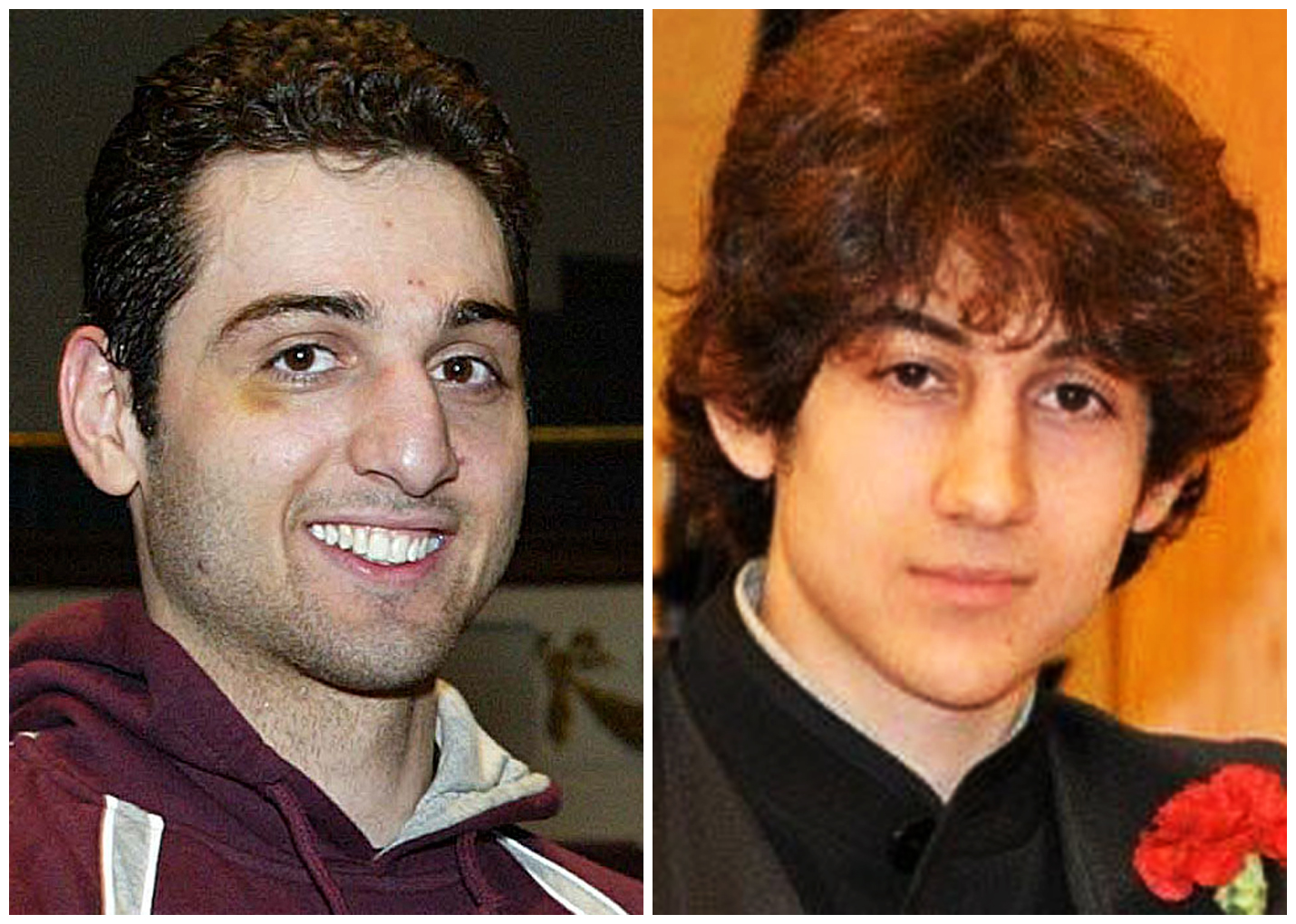
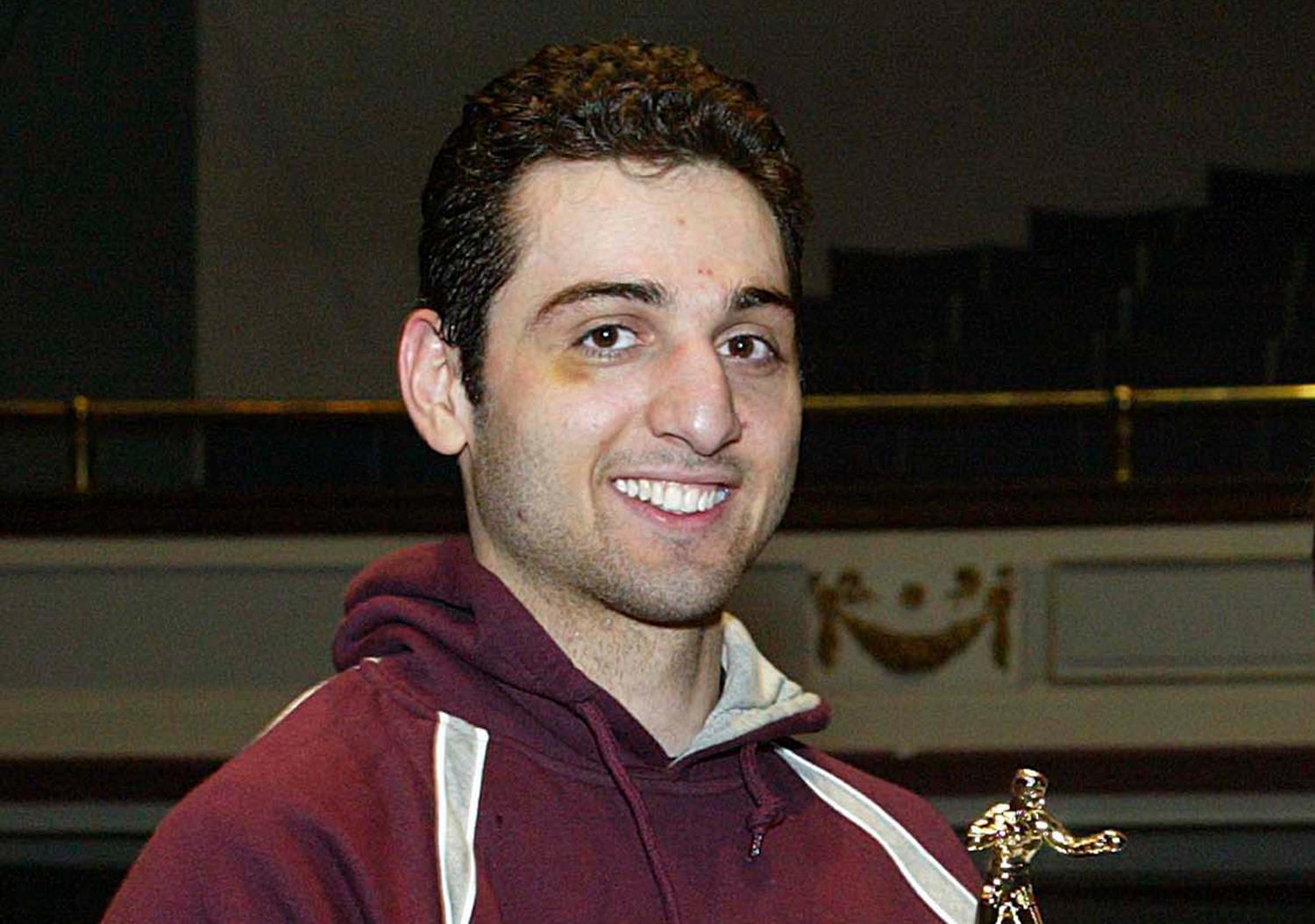
The two individuals identified as the Boston Bombers were brothers: Tamerlan Tsarnaev, 26, and Dzhokhar Tsarnaev, 19. Both were ethnic Chechens who had immigrated to the United States from Dagestan in 2002, arriving on tourist visas and later seeking asylum. Tamerlan had applied for U.S. citizenship in 2007, while Dzhokhar became a naturalized U.S. citizen on September 11, 2012. They lived in Cambridge, a city adjacent to Boston, and were, by many accounts, seemingly integrated into American society. Dzhokhar was a student at the University of Massachusetts Dartmouth, and Tamerlan had pursued boxing. Their seemingly ordinary lives made the revelation of their involvement even more unfathomable to the public and those who knew them.
Radicalization and Motivation
The motives behind the Tsarnaev brothers’ actions became a central focus of the subsequent investigation and trial. Evidence suggested that Tamerlan, the elder brother, had become increasingly radicalized in the years leading up to the attack. He consumed extremist Islamist propaganda online, including materials from al-Qaeda, and reportedly harbored anti-American sentiments stemming from U.S. foreign policy. His travel to Dagestan in 2012 raised concerns among U.S. intelligence agencies, though no direct evidence of terrorist training was ever definitively confirmed.
Dzhokhar, by his own admission during his capture, stated that the bombings were motivated by extremist Islamic beliefs and a desire to retaliate against the U.S. for its wars in Muslim countries. He claimed his brother had been the primary instigator, but acknowledged his full participation. The brothers’ radicalization, largely self-directed through online materials, highlights a disturbing trend of homegrown terrorism influenced by global extremist ideologies, posing a significant challenge to national security and community vigilance.
The Manhunt and Its Aftermath
The identification of the Tsarnaev brothers as suspects triggered one of the most intense and widespread manhunts in U.S. history, effectively shutting down the city of Boston and its surrounding communities.
A City United in Crisis
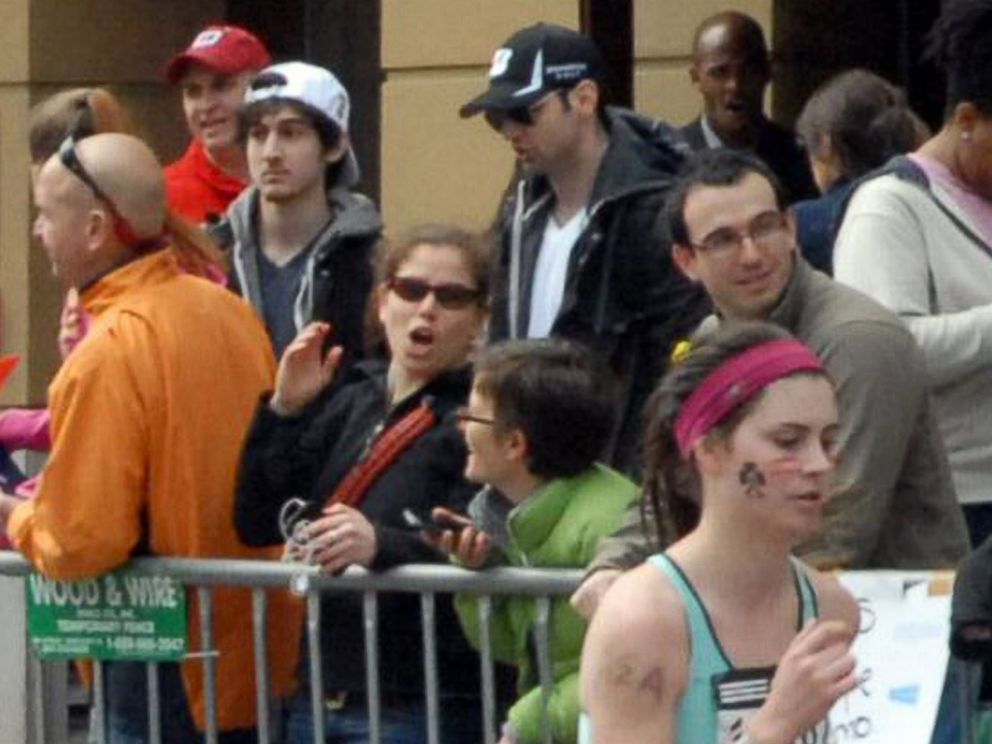
On Thursday, April 18, three days after the bombing, the Federal Bureau of Investigation (FBI)) released images of the two suspects captured from surveillance footage near the finish line. This public appeal for help quickly led to an escalation of events. Later that night, the brothers ambushed and murdered MIT Police Officer Sean Collier in Cambridge in an attempt to steal his firearm. They then carjacked an SUV, holding the driver hostage for a period before he managed to escape, providing crucial information to law enforcement. During the carjacking, the brothers admitted to being the marathon bombers. The entire region entered a state of unprecedented lockdown, a measure known as “shelter-in-place,” as residents were urged to stay indoors and public transportation was halted. This collective experience of fear and uncertainty forged a powerful sense of unity and determination among Bostonians.
The Watertown Standoff and Capture
The manhunt culminated in a dramatic series of events in Watertown, a suburb of Boston. In the early hours of April 19, police engaged the brothers in a furious gun battle. During the confrontation, Tamerlan Tsarnaev was mortally wounded, sustaining multiple gunshot injuries and being run over by his brother Dzhokhar as he fled in the stolen SUV. Dzhokhar escaped the scene, leading to an all-day lockdown of the entire Boston metropolitan area. Thousands of law enforcement officers conducted a meticulous house-to-house search. That evening, Dzhokhar Tsarnaev was discovered hiding in a boat in a backyard in Watertown, severely injured but alive. His capture brought immense relief to the terror-stricken city and marked the end of a terrifying four-day ordeal.
Legal Proceedings and Lasting Legacy
The capture of Dzhokhar Tsarnaev initiated a lengthy legal process that sought to bring justice to the victims and accountability for the heinous acts. Beyond the courtroom, Boston embarked on a journey of healing and remembrance, demonstrating a profound resilience that added another layer to its storied history.
Trials and Convictions
Dzhokhar Tsarnaev was indicted on 30 federal charges, including use of a weapon of mass destruction and bombing of a place of public use resulting in death. His trial began in March 2015, and he was found guilty on all counts. The sentencing phase saw intense testimony from victims and their families. In May 2015, a federal jury sentenced him to death. The death penalty sentence for Dzhokhar Tsarnaev has been a subject of ongoing legal appeals, reflecting complex debates surrounding capital punishment. While the legal battles continue, the convictions provided a sense of closure for many of those impacted by the tragedy, solidifying the historical record of who perpetrated the attacks and the justice sought in their wake.
Memorials and Resilience: A City Remembers
In the years since the bombing, Boston has shown remarkable strength and unity, embodying the spirit of “Boston Strong.” The city has established several memorials, most notably the permanent tribute near the finish line on Boylston Street. These memorials, often incorporating granite and light, serve as solemn reminders of the lives lost and the courage displayed. The annual Boston Marathon continues to be run, but with heightened security and an even deeper sense of purpose and community, commemorating those who died and those who survived. The historical marker of the bombing now stands alongside the city’s other significant landmarks, not as a symbol of defeat, but as a testament to an enduring spirit that refused to be broken.
Impact on Security and Public Spaces
The Boston Marathon bombing profoundly impacted security protocols for large public gatherings, not just in Boston but across the globe. Event organizers and law enforcement agencies re-evaluated security perimeters, crowd control, and emergency response strategies. There was a significant increase in surveillance, bag checks, and visible police presence at major events. The incident also highlighted the critical role of public vigilance and rapid information sharing between agencies and with the public. Historically, the bombing serves as a stark reminder of the vulnerabilities inherent in open public spaces and the ongoing challenge of protecting them from acts of terror, forever changing how Boston and other major cities approach the security of their iconic landmarks and popular events. The question of “Who are the Boston Bombers?” therefore leads to a deeper understanding of a specific historical moment, its perpetrators, and its indelible mark on the identity, security, and resilience of a legendary city.
LifeOutOfTheBox is a participant in the Amazon Services LLC Associates Program, an affiliate advertising program designed to provide a means for sites to earn advertising fees by advertising and linking to Amazon.com. Amazon, the Amazon logo, AmazonSupply, and the AmazonSupply logo are trademarks of Amazon.com, Inc. or its affiliates. As an Amazon Associate we earn affiliate commissions from qualifying purchases.