
Navigating the Golden State: A Traveler’s Guide to Wildfire Season
The question “Are California fires still going?” is a common and vital concern for anyone planning a trip to the Golden State. While headlines often paint a broad picture, the reality of wildfires in California is far more nuanced and localized than many travelers assume. California is a vast and geographically diverse state, stretching over 800 miles from north to south, encompassing everything from temperate rainforests to arid deserts, towering mountain ranges to sprawling urban centers, and a magnificent coastline. This immense scale means that while one region might be grappling with fire activity, dozens of others remain entirely unaffected, vibrant, and welcoming to visitors.

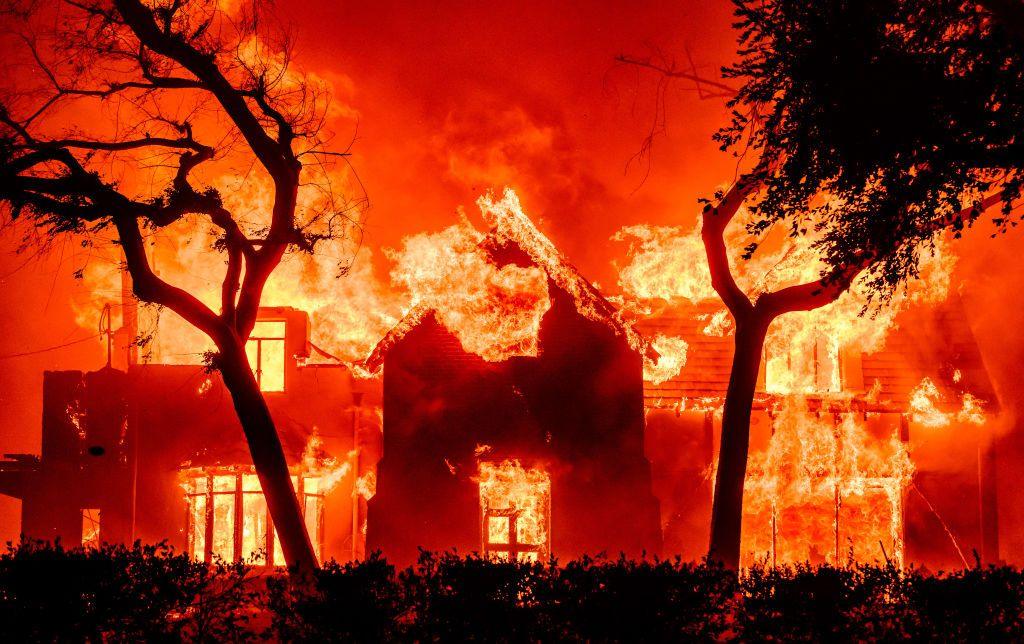
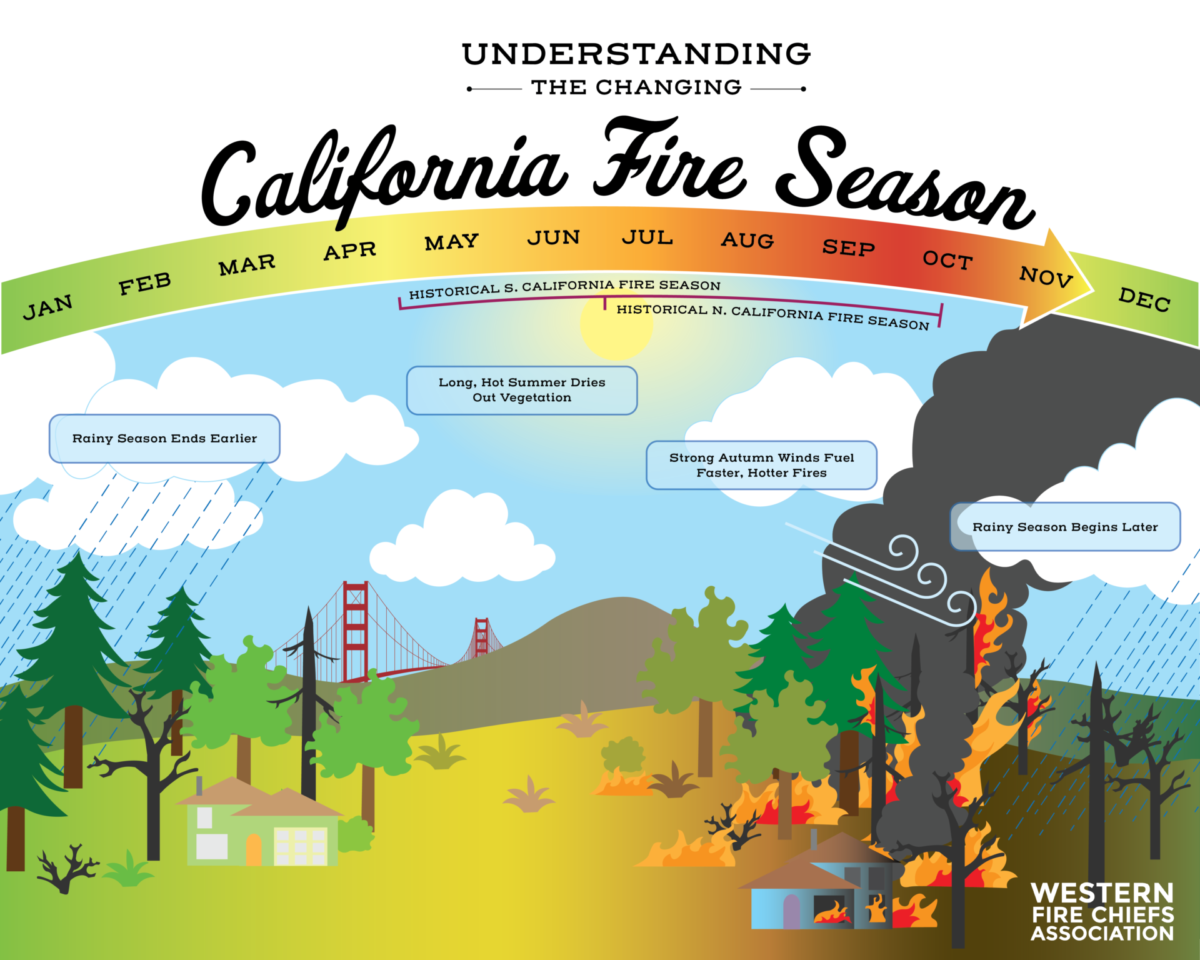
Understanding the state’s wildfire patterns is key to making informed travel decisions. Wildfire season in California typically runs from late spring through late autumn, peaking in late summer and early fall when hot, dry Santa Ana or Diablo winds can exacerbate conditions. However, the exact timing and severity are heavily influenced by factors like drought conditions, snowpack levels from the previous winter, and specific weather events. For travelers, this means that “California fires” are rarely a monolithic threat to the entire state. Instead, they represent specific incidents affecting particular areas, making it crucial to conduct diligent research tailored to your chosen destination and travel dates.
The goal of this guide is not to deter travel but to empower visitors with the knowledge to explore California safely, responsibly, and with peace of mind. By understanding the localized nature of fire activity, the resources available for real-time information, and best practices for safe travel, you can still experience the unparalleled beauty and diverse attractions that California has to offer.
Direct Impact: Understanding Current Conditions and Destination Accessibility
When considering a trip to California during fire season, the primary concern for travelers revolves around the direct impacts on safety, accessibility, and the overall travel experience. These impacts are rarely uniform across the state.
Regions Affected vs. Unaffected
California’s size is its greatest asset and also the reason why localized incidents can be misinterpreted as statewide crises. While areas like the Sierra Nevada foothills, parts of Northern California’s forested regions, and the chaparral-covered hills of Southern California are historically more prone to wildfires, the state’s popular coastal cities and major urban centers are often far removed from direct fire lines.
For instance, a major fire in a national forest east of Los Angeles would likely have minimal direct impact on a beach vacation in Santa Monica or a theme park visit in Anaheim. Similarly, fires in the remote northern wilderness would not typically affect a wine-tasting tour in Napa Valley or a cultural exploration in San Francisco, unless smoke conditions extend. It is vital to pinpoint your specific destination and then research the current fire status in that immediate vicinity and its surrounding areas.
Air Quality and Health Considerations
One of the most widespread impacts of wildfires, even for areas not directly threatened by flames, is the degradation of air quality due to smoke. Smoke plumes can travel hundreds of miles, affecting visibility and posing health risks, especially for individuals with respiratory conditions, the elderly, and young children. Checking air quality indices (AQI) is an essential step for any traveler during fire season. These real-time metrics, often color-coded, provide clear guidance on whether outdoor activities are safe or if it’s better to stay indoors. A beautiful, smoke-free day can quickly turn hazy if winds shift, so continuous monitoring throughout your trip is advisable. Major cities often have excellent air filtration in indoor spaces, making them viable options even when outdoor air quality is compromised in surrounding regions.
Infrastructure and Attraction Closures
Wildfires can lead to the closure of roads, trails, national parks, and other tourist landmarks. Iconic destinations like parts of Yosemite National Park, Sequoia National Park, or sections of the Pacific Coast Highway might experience temporary closures or limited access for safety reasons or to allow emergency services to operate. These closures are dynamic and can change rapidly. Always check the official websites of national and state parks, as well as Caltrans (for road conditions), before embarking on your journey. While a specific trail might be closed, often other areas of a park or nearby attractions remain open and accessible.
Responsible Travel in Fire-Prone Landscapes
Traveling to California requires an elevated sense of awareness and responsibility, particularly during wildfire season. By adopting a proactive and flexible approach, travelers can minimize risks and contribute positively to the communities they visit.
Pre-Trip Research is Paramount
The most crucial step for any traveler is thorough pre-trip research. Do not rely solely on general news reports. Instead, consult official, real-time sources:
- Cal Fire: The official source for wildfire incident information in California, providing maps, incident updates, and alerts.
- National Forest Service: For conditions and closures within national forests.
- National Park Service: For alerts, closures, and air quality advisories in national parks like Joshua Tree National Park, Big Sur and Pinnacles National Park.
- Caltrans QuickMap: Provides real-time information on road closures and traffic conditions across the state.
- AirNow.gov: For detailed air quality index (AQI) data.
- Local Tourism Boards: Websites for cities like San Diego, Monterey, or Santa Barbara often provide localized updates relevant to visitors.
Always cross-reference information from multiple reliable sources to get a comprehensive picture.
Flexibility and Contingency Planning
Travel during fire season demands flexibility. Even with diligent research, conditions can change rapidly. It is highly advisable to:
- Book Flexible Accommodations and Flights: Opt for hotels and airlines that offer free cancellation or rebooking options.
- Consider Travel Insurance: Comprehensive travel insurance that covers natural disaster-related cancellations or interruptions can be a valuable investment.
- Have Alternative Plans: Identify backup destinations or activities in case your primary choice becomes inaccessible or unsafe. This might mean having a coastal alternative if mountain areas are affected, or planning urban activities if outdoor air quality is poor.
- Stay Informed On The Go: Keep your phone charged, monitor local news, and sign up for local emergency alerts if available in your destination.
Fire Safety Etiquette
Being a responsible traveler also means adhering to fire safety regulations and exercising caution, especially if venturing into wildland-urban interface areas.
- Campfire Restrictions: Always obey current campfire bans, which are common during dry periods. Use designated areas only and ensure fires are completely extinguished.
- Vehicle Safety: Be mindful of where you park. Hot catalytic converters can ignite dry grass. Avoid parking on dry vegetation.
- Cigarette Disposal: Never discard cigarette butts outside of designated receptacles.
- Evacuation Preparedness: If you are staying in a higher-risk area, familiarize yourself with local evacuation routes and emergency procedures. Have an emergency kit in your vehicle, especially if road-tripping.
Exploring California Safely: Destinations and Experiences to Consider
Despite the seasonal challenges, California remains an extraordinary destination with countless safe and inspiring experiences available year-round. Focusing on regions historically less impacted by major fires or those with robust urban infrastructure can offer peace of mind.
Coastal Escapes
California’s extensive coastline is often a safer bet, as fires rarely reach the immediate shore.
- Southern California Beaches: Cities like San Diego, Laguna Beach, Santa Barbara, and Malibu offer beautiful beaches, surfing, and vibrant pier scenes, usually with minimal direct fire risk.
- Central Coast Gems: Monterey and Carmel-by-the-Sea provide stunning coastal drives, world-class aquariums, and charming villages.
- Northern California Coast: San Francisco and nearby coastal towns like Sausalito offer iconic landmarks, cool climates, and unique cultural experiences that are typically unaffected by inland wildfires.
Urban Adventures
California’s major cities are hubs of culture, dining, and entertainment, and their urban environments naturally offer a buffer against wildfires.
- Los Angeles: From Hollywood glamor to diverse culinary scenes, world-class museums, and theme parks, Los Angeles provides an endless array of activities well within urban safety zones.
- San Francisco: Explore Alcatraz, ride cable cars, visit the Golden Gate Bridge, and enjoy the city’s unique neighborhoods.
- Sacramento: The state capital offers rich history, a thriving farm-to-fork culinary scene, and riverfront activities.
- Oakland: Across the bay from San Francisco, Oakland boasts diverse neighborhoods, a vibrant arts scene, and beautiful Lake Merritt.
Desert Retreats
The desert regions of California have different fire dynamics than forested areas and can offer unique experiences during certain times of the year.
- Palm Springs: This oasis city is famous for its mid-century modern architecture, luxurious resorts, and thriving arts scene. The surrounding desert landscape typically experiences fires differently, though heat can be a factor.
- Joshua Tree National Park: While parts of the park can be susceptible to brush fires, conditions are often stable. Always check park alerts before visiting for hiking and stargazing.
Vineyards and Valleys (with caution)
California’s wine regions, such as Napa Valley and Sonoma Valley, are world-renowned but have experienced fire impacts in the past.
- Travelers to these areas should pay particular attention to local conditions, air quality, and winery operational status. Many wineries are resilient and quick to reopen, but vigilance is key.
- Consider other wine regions like the Central Coast (e.g., Paso Robles) which may have different fire patterns.
Essential Resources and Staying Informed
For any trip to California, especially during wildfire season, ongoing access to reliable, real-time information is your most valuable asset. Empower yourself with these types of resources:
- Official Fire Incident Maps: Always consult the California Department of Forestry and Fire Protection (Cal Fire) incident page or local county emergency services websites for the most up-to-date information on active fires, containment, and evacuation orders.
- Air Quality Monitoring: Use federal (e.g., EPA’s AirNow) and local air quality district websites or apps to check the Air Quality Index (AQI) for your specific destination daily.
- Road Conditions: Caltrans (California Department of Transportation) provides real-time updates on road closures, detours, and traffic through its QuickMap service.
- National and State Park Alerts: Before visiting any park, always check the official website of the National Park Service or California State Parks for current conditions, closures, and fire restrictions.
- Local Tourism & Chambers of Commerce Websites: These sites often provide localized insights, business operational updates, and community-specific resources for visitors.
- Weather Forecasts: Pay close attention to local weather, especially wind advisories, which can significantly influence fire behavior and smoke dispersion.
By utilizing these resources and maintaining a flexible, informed approach, travelers can confidently plan and enjoy their California adventure. Remember that supporting local businesses in affected areas, once they are safe and open, can also be a meaningful way to contribute to recovery efforts. California’s spirit of resilience is strong, and its natural beauty remains boundless, ready to be explored by mindful travelers.
LifeOutOfTheBox is a participant in the Amazon Services LLC Associates Program, an affiliate advertising program designed to provide a means for sites to earn advertising fees by advertising and linking to Amazon.com. Amazon, the Amazon logo, AmazonSupply, and the AmazonSupply logo are trademarks of Amazon.com, Inc. or its affiliates. As an Amazon Associate we earn affiliate commissions from qualifying purchases.