
The majestic peacock, with its iridescent plumage and elaborate tail feathers, is an undeniably striking sight. For many who encounter these birds freely roaming suburban streets or gracing grand estates across California, a natural question arises: are these flamboyant creatures indigenous to the Golden State? The definitive answer is no; peacocks are not native to California. Their presence here is a fascinating story of human introduction, adaptation, and the complex interplay between exotic species and local environments, shaping the unique natural landscape of many California communities.
The Global Origins of the Peacock
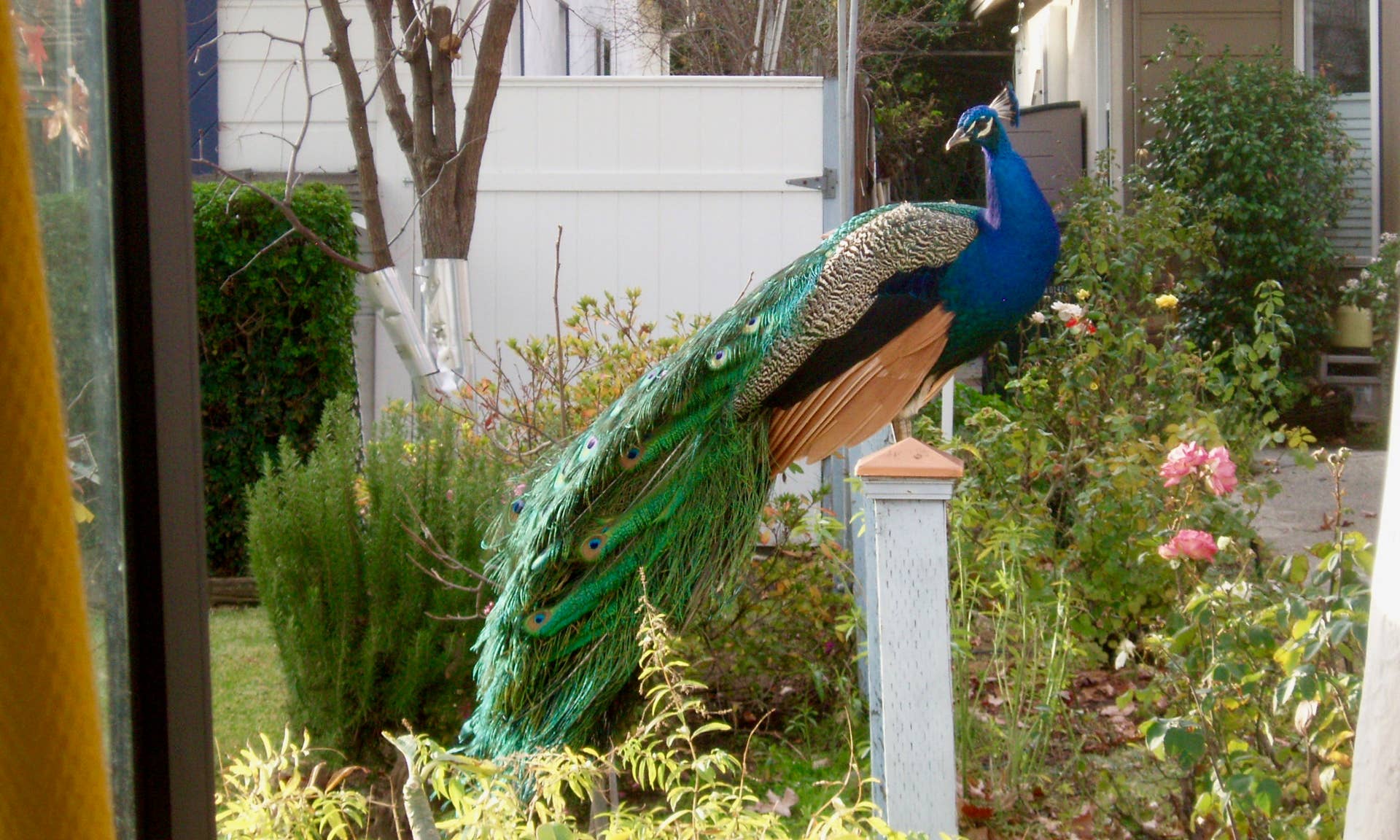
To understand the peacock’s journey to California, one must first look to its ancestral homeland. The species most commonly seen in California and worldwide is the Indian Peafowl (Pavo cristatus), also known as the blue peafowl. This magnificent bird originates from the Indian subcontinent, specifically India and Sri Lanka, where it holds significant cultural and religious importance, even being the national bird of India. A lesser-known species, the Green Peafowl (Pavo muticus), is native to Southeast Asia.
From Ancient India to Europe
The migration of peacocks beyond their native range began millennia ago. Historical records indicate that these birds were admired for their beauty and luxury status by ancient civilizations. They were traded across the Middle East and introduced to the Mediterranean region by merchants and conquerors. The ancient Persians, Greeks, and Romans all kept peacocks, valuing them as ornamental birds for their elaborate gardens and as a symbol of royalty and immortality. Over centuries, they spread throughout Europe, often housed in zoological gardens, royal parks, and private estates.
The Symbolism and Spread
The peacock’s striking appearance, particularly the male’s elaborate tail, has cemented its place in mythology, art, and folklore across various cultures. This inherent appeal fueled its global distribution. As European colonial powers expanded and global trade routes flourished, peacocks were transported to virtually every corner of the world, prized as exotic additions to grand estates and public parks. This historical pattern of introduction by humans, rather than natural migratory patterns, sets the stage for their eventual arrival in the Americas and, specifically, California.
Peacocks Arrive in California: A Story of Introduction
The presence of peacocks in California is not a testament to natural migration but rather a direct result of human intervention, driven by aesthetic appreciation and a desire to cultivate beautiful surroundings. Their introduction can be traced back to the late 19th and early 20th centuries, a period marked by significant landscape development and the establishment of grand private estates in the burgeoning state.
Early Introductions and Estate Gardens
Wealthy landowners and horticulturalists were eager to import exotic flora and fauna to enhance their sprawling properties. Peacocks, with their magnificent display, were a popular choice for these affluent individuals. They were seen as living adornments, adding a touch of grandeur and exoticism to the meticulously designed gardens and grounds of estates throughout Southern California and other prosperous regions. One of the most famous examples is the Los Angeles County Arboretum and Botanic Garden in Arcadia, which inherited a thriving population of peafowl from the former Lucky Baldwin Ranch in the 1880s. These birds were initially kept within the confines of these properties, but their adventurous nature and the occasional oversight led to their eventual escape.
Escapes and Feral Populations
Peacocks are not easily contained. Their ability to fly short distances, coupled with their strong foraging instincts, meant that some birds inevitably escaped their original enclosures. Once free, these birds found the California climate to be surprisingly hospitable. The mild winters, abundant food sources (ranging from insects and seeds to fruits and small reptiles), and availability of roosting sites in mature trees allowed them to thrive. Over decades, these escaped individuals established self-sustaining, wild (or more accurately, feral) populations in numerous communities. Areas like Arcadia, San Marino, Palos Verdes Estates, and parts of Pasadena in the Greater Los Angeles area became particularly known for their flourishing peacock communities, where they have become an integral, if sometimes controversial, part of the local natural environment.
The Ecological Footprint of California’s Peafowl
While undeniably beautiful, the presence of any non-native species can have ecological consequences. California’s peafowl populations are no exception, presenting a mixed bag of interactions with the local ecosystem and human residents.
Impact on Native Flora and Fauna
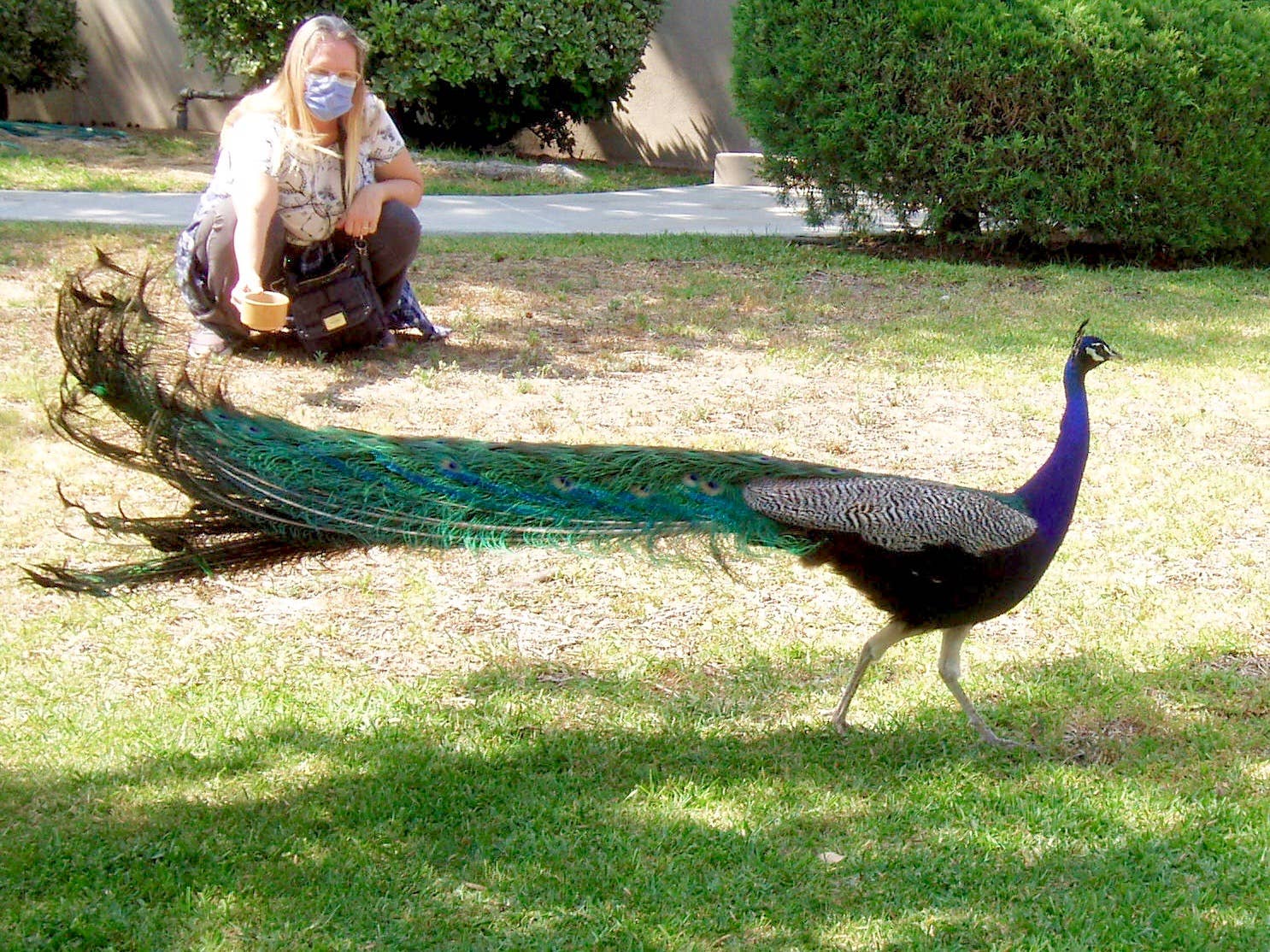
As an introduced species, peafowl occupy an ecological niche that didn’t previously exist in California’s native ecosystems. Their diet is quite varied, consisting of insects, snails, slugs, seeds, berries, flowers, and even small reptiles and amphibians. This broad diet means they can compete with native ground-dwelling birds and other wildlife for food resources. Additionally, their foraging habits can impact native plant communities, especially in gardens and cultivated areas, where they might consume valuable plants and crops.
However, the specific extent of their negative ecological impact on truly wild, undisturbed native California ecosystems is often debated. Most feral populations thrive in suburban and semi-urban environments, which are already significantly altered by human development. In these altered landscapes, their impact might be localized to garden depredation rather than widespread ecological disruption of sensitive habitats. Their predation on certain insect pests could even be viewed as a minor benefit in some contexts, though this is rarely a primary justification for their presence.
Coexistence and Conflict with Humans
The relationship between California‘s human residents and its feral peacocks is complex, often swinging between admiration and exasperation. Many residents cherish the sight of these magnificent birds, viewing them as a unique and charming aspect of their community’s natural landscape. They become accustomed to their calls, their graceful presence, and the occasional display of their dazzling tail feathers.
Conversely, others experience significant challenges. Peacocks are noisy, especially during mating season, with their loud, piercing calls echoing through neighborhoods. They can be destructive to gardens, trampling plants and consuming vegetables and flowers. Their droppings can be messy and damaging to property, and their tendency to roost on rooftops and cars can cause scratches and dents. These issues have led to calls for population control in some areas, prompting communities like Arcadia and Palos Verdes Estates to implement measures, including Peafowl Removal Programs and strict ordinances, to manage their numbers and mitigate conflicts. These debates highlight the ongoing challenge of managing non-native wildlife that has naturalized in human-dominated environments.
Where to Encounter Peacocks in the Golden State
Despite the debates, peafowl remain a distinctive feature of the naturalized landscape in several California locales. For those interested in observing these birds in a semi-wild or managed setting, several places offer opportunities, often integrated into the very fabric of the community.
Notable Feral Communities
One of the most famous concentrations of feral peafowl is found in the suburban cities of Arcadia and San Marino, immediately east of Pasadena. Here, they roam freely through residential streets, perch on rooftops, and graze in front yards, their presence a defining characteristic of the neighborhoods. Similarly, the upscale community of Palos Verdes Estates on the Palos Verdes Peninsula also boasts a large and well-established peafowl population. These birds are so intertwined with the local identity that they are often seen as community mascots, despite the occasional nuisance they cause. Observing them here offers a glimpse into how an introduced species can adapt and flourish within human settlements, becoming an almost organic part of the urban-wild interface.
Public Gardens and Parks
For a more curated experience, the Los Angeles County Arboretum and Botanic Garden in Arcadia is arguably the best place to see peafowl in California. This institution is home to hundreds of these birds, descendants of the original flock introduced in the 1880s. Here, visitors can observe them in a lush, expansive garden setting, where they roam freely amidst diverse plant collections and historic structures. The Arboretum embraces its peafowl population, recognizing them as a significant attraction and a living testament to the estate’s history. Similarly, other botanical gardens and large parks across California may host smaller, managed populations, providing a chance to appreciate their beauty in a more controlled, naturalistic environment.
The Enduring Charm and Controversy
The story of peacocks in California is a microcosm of broader themes related to human interaction with the natural world, the allure of exotic species, and the ecological implications of introduction. While not native, these birds have carved out a distinct niche in the state’s naturalized landscape, captivating observers and challenging residents alike.
An Integral Part of Local Character
For many, the sight and sound of peacocks have become synonymous with certain California communities. They contribute to a sense of place, offering a touch of the unexpected and the beautiful in everyday suburban life. Their resilience and adaptability, having thrived far from their original habitat, speak to the robustness of these creatures and the surprising capacity of human-altered environments to host diverse life forms. Their presence reminds us that ‘nature’ in many developed regions is a dynamic tapestry woven from both native and introduced threads.
Management and Conservation Debates
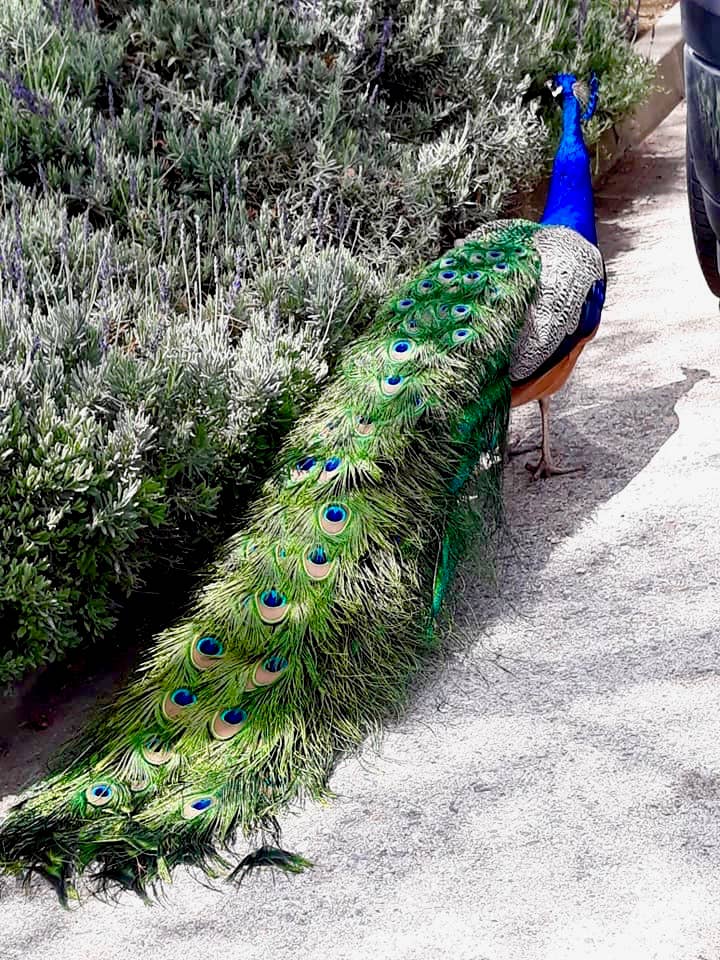
The ongoing debates surrounding peafowl management in California reflect a common challenge faced globally: how to balance the aesthetic and historical value of introduced species with potential ecological impacts and human comfort. While some argue for their removal due to nuisance and potential harm to native species, others advocate for their protection, viewing them as a cherished, albeit non-native, element of local biodiversity. The nuanced reality is that managing these populations often requires thoughtful community engagement and strategies that prioritize both human well-being and the welfare of the animals. Ultimately, the question of whether peacocks belong in California extends beyond mere nativity to encompass cultural value, ecological integration, and the evolving definition of the natural world in our human-dominated landscapes.
LifeOutOfTheBox is a participant in the Amazon Services LLC Associates Program, an affiliate advertising program designed to provide a means for sites to earn advertising fees by advertising and linking to Amazon.com. Amazon, the Amazon logo, AmazonSupply, and the AmazonSupply logo are trademarks of Amazon.com, Inc. or its affiliates. As an Amazon Associate we earn affiliate commissions from qualifying purchases.