
For entrepreneurs looking to tap into the vibrant tourism economy of California, understanding the nuances of business compliance is just as crucial as developing compelling attractions or services. A fundamental requirement for any business engaged in selling tangible personal property to consumers – from souvenir shops and art galleries to boutique hotels selling local crafts – is the California Resale License, also officially known as a Seller’s Permit. This permit is not merely a formality; it’s the cornerstone of legal operation, enabling businesses to collect sales tax on behalf of the state and often allowing them to purchase goods for resale without immediately paying sales tax. Navigating the application process correctly ensures a smooth launch and sustainable growth within one of the world’s most dynamic travel destinations.
Understanding the California Seller’s Permit for Tourism Businesses
The golden state draws millions of visitors annually, from the sun-kissed beaches of Southern California to the majestic redwoods of Northern California. These tourists often seek mementos, local delicacies, artisanal products, and specialized gear that commemorate their experiences. For businesses catering to these demands, a Seller’s Permit is indispensable.
What is a Resale License (Seller’s Permit)?
A California Seller’s Permit, often referred to as a resale license, is a permit issued by the California Department of Tax and Fee Administration (CDTFA) that authorizes a business to sell tangible personal property at retail. When a business sells goods, it is generally required to collect sales tax from the customer and remit it to the state. The Seller’s Permit is the official registration that allows this process to occur legally. Without it, a business cannot legally collect sales tax, nor can it generally make wholesale purchases of items intended for resale without paying sales tax to its suppliers.
Why is it Crucial for California Tourism?
Imagine a charming gift shop nestled in San Francisco‘s Fisherman’s Wharf, selling crab-themed merchandise, or a surf shop in Santa Monica offering branded apparel and equipment. Both are integral parts of the tourism experience. Any business that sells physical goods to tourists – be it a hotel gift shop, a museum store, a vineyard selling wine directly to consumers in Napa Valley, or a tour operator vending branded souvenirs – requires this permit.
The permit ensures that these businesses operate within the state’s tax laws, contributing to the public services that indirectly support the tourism infrastructure, such as road maintenance and public safety in tourist hotspots like Disneyland or Yosemite National Park. Furthermore, possessing a Seller’s Permit provides legitimacy, building trust with both suppliers and customers. It signifies that a business is serious, compliant, and part of the formal economy, a reputation particularly valuable in competitive tourist markets.
The Application Process: Step-by-Step for Tourism Entrepreneurs
Obtaining a Seller’s Permit in California is a relatively straightforward process, primarily managed through the CDTFA. However, prospective tourism business owners should prepare thoroughly to avoid delays.
Pre-Application Checklist
Before you even begin the online application, ensure you have the following information readily available:
- Business Information: This includes your legal business name, trade name (DBA), business address, and mailing address. For tourism businesses, this could be the physical location of your souvenir shop, art gallery, or the main office for your tour company if it sells merchandise.
- Federal Employer Identification Number (FEIN): If you operate as a corporation, partnership, or multi-member LLC, you will need an FEIN. Sole proprietors or single-member LLCs (not electing to be treated as a corporation) can typically use their Social Security Number (SSN).
- Social Security Number (SSN): Required for sole proprietors, single-member LLCs, and often for all owners/officers of other entity types.
- Business Start Date: The date you began or intend to begin selling taxable goods.
- Description of Business Activities: Be specific about what your tourism business entails. For instance, “Retail sales of souvenirs and local crafts,” “Hotel gift shop selling sundry items and branded merchandise,” or “Wine tasting room selling bottled wine and related accessories.”
- Estimated Monthly Sales: An estimate of your projected taxable sales. This helps the CDTFA determine your reporting frequency (e.g., quarterly, monthly).
- Contact Information: Phone number and email address.
Navigating the California Department of Tax and Fee Administration (CDTFA)
The most efficient way to apply for a Seller’s Permit is online through the CDTFA website.

- Visit the CDTFA Website: Go to www.cdtfa.ca.gov and look for the “Register a New Business” or “Apply for a Seller’s Permit” section.
- Create an Account (if necessary): If you don’t already have one, you’ll likely need to create an online services account.
- Complete the Application: The online application will guide you through various sections, asking for the information gathered in your pre-application checklist. Be thorough and accurate.
- Review and Submit: Double-check all entered information before submitting. Errors can lead to delays.
- Confirmation and Permit Issuance: Once submitted, you’ll receive a confirmation. The CDTFA typically processes applications quickly, and you may receive your permit number immediately or within a few business days. A physical permit will be mailed to your business address.
While online application is preferred, you can also apply in person at a CDTFA field office, which may be beneficial if you have specific questions about your tourism business type or if you are located in a major tourist hub like Los Angeles or San Diego.
Essential Information for Your Application
Beyond the basic details, specific aspects of your tourism business might influence your application:
- Location: If your business has multiple locations (e.g., a chain of souvenir shops across different cities like Pasadena and Anaheim), you may need to register each location, or operate under one master permit depending on the structure.
- Temporary Sales: For tourism businesses that operate temporarily, such as vendors at seasonal festivals, farmers’ markets catering to tourists, or pop-up shops near attractions, the CDTFA also offers a temporary Seller’s Permit. This is vital for events like the Pasadena Rose Parade or seasonal markets.
- Non-Profit Organizations: If your tourism-related entity is a non-profit (e.g., a museum gift shop supporting its operations), you might still need a Seller’s Permit if you’re selling goods regularly, as certain sales are not exempt from sales tax.
Maintaining Compliance and Maximizing Tourism Business Potential
Obtaining the Seller’s Permit is just the first step. Ongoing compliance is vital for the longevity and reputation of any tourism business in California.
Sales Tax Collection and Remittance
Once you have your permit, you are legally obligated to collect sales tax on all taxable sales you make. The sales tax rate varies by city and county within California, so it’s crucial to know the correct rate for your specific business location. For example, a tourist purchasing a t-shirt in San Francisco will pay a different sales tax rate than one buying the same item in Palm Springs.
You will be assigned a filing frequency (e.g., monthly, quarterly, annually) by the CDTFA based on your estimated sales volume. It is imperative to file your sales tax returns and remit the collected taxes by the due dates to avoid penalties and interest. Online filing through the CDTFA website is highly recommended for its convenience and accuracy.
Using Your Seller’s Permit for Wholesale Purchases
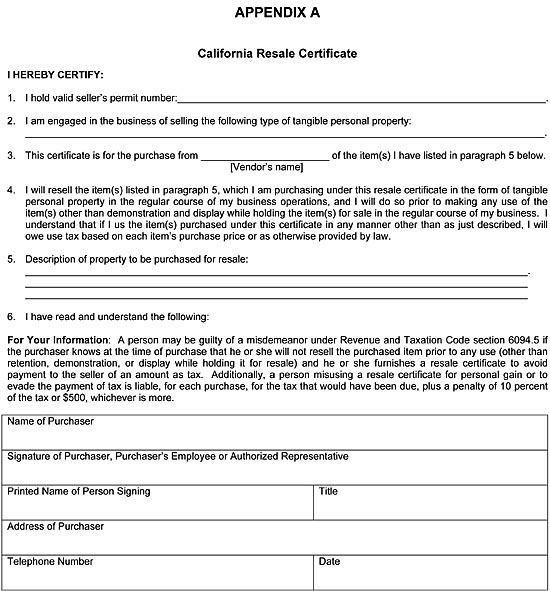
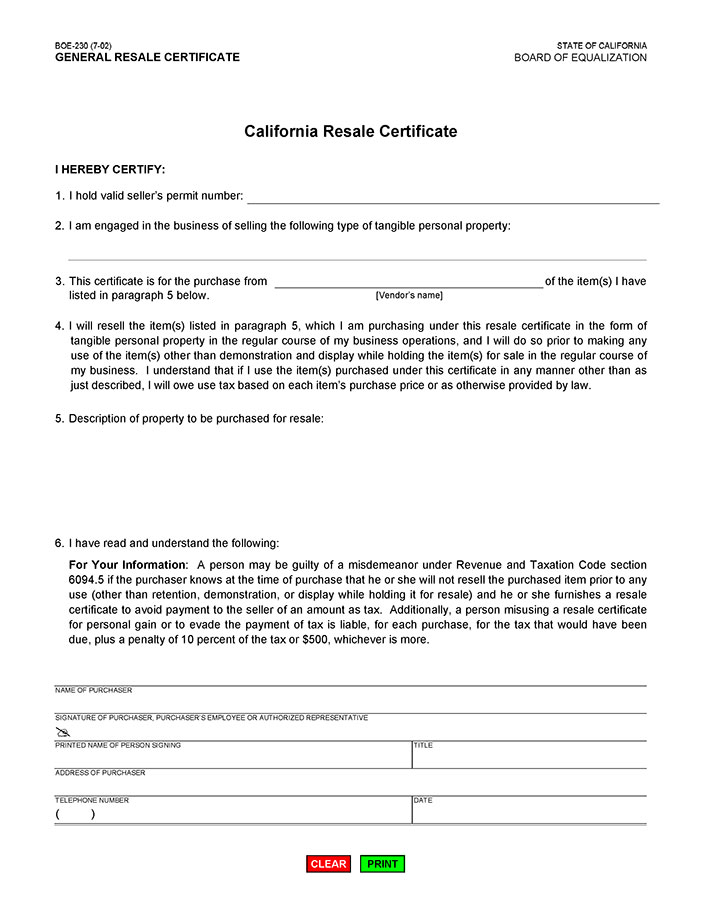
One significant advantage of having a Seller’s Permit is the ability to issue a resale certificate to your suppliers. When you purchase goods that you intend to resell (e.g., a gift shop buying inventory, a hotel purchasing bulk amenities for resale in its mini-bar), you can present your resale certificate to the supplier, and they will not charge you sales tax on that purchase. This prevents double taxation (once when you buy it, and again when your customer buys it) and improves your cash flow. Ensure you only use your resale certificate for items you genuinely intend to resell. Misuse can lead to significant penalties. This is particularly useful for tourism businesses sourcing local products like artisan crafts, regional food items, or branded apparel.
Common Pitfalls to Avoid for Tourism Operators
- Ignoring Local Taxes: Remember that while the Seller’s Permit handles state sales tax, local taxes (like Transient Occupancy Taxes for accommodations or specific district taxes) are separate and must also be complied with.
- Failing to File: Even if you have no sales for a given period, you must still file a “zero return” with the CDTFA. Failure to file can result in penalties.
- Incorrect Sales Tax Rates: Always verify the correct sales tax rate for your specific location, including district taxes, to ensure you are collecting the accurate amount from customers. The CDTFA website provides a helpful tool for this.
- Not Renewing/Updating Information: While Seller’s Permits typically don’t expire, it’s crucial to keep your business information (address, ownership changes, etc.) updated with the CDTFA.
Beyond the Permit: Growth Strategies for California Tourism Businesses
With your Seller’s Permit secured and compliance measures in place, your tourism business is poised for growth. The permit is more than just a legal document; it’s a license to operate credibly within California’s robust retail and tourism sectors. From charming bed and breakfasts in Sonoma selling local jams, to adventure tour companies in Lake Tahoe providing branded gear, having the proper licensing solidifies your foundation. This foundational step allows entrepreneurs to focus on what truly drives tourism: creating unforgettable experiences and offering unique products that capture the spirit of California for visitors from around the globe. Continuous adherence to tax regulations not only avoids legal headaches but also contributes to the overall health and stability of the diverse economies that make California a premier global destination.
LifeOutOfTheBox is a participant in the Amazon Services LLC Associates Program, an affiliate advertising program designed to provide a means for sites to earn advertising fees by advertising and linking to Amazon.com. Amazon, the Amazon logo, AmazonSupply, and the AmazonSupply logo are trademarks of Amazon.com, Inc. or its affiliates. As an Amazon Associate we earn affiliate commissions from qualifying purchases.