
For individuals considering a long-term stay in the Golden State, investing in property for accommodation, or managing existing rental units, understanding the nuances of solar incentives is paramount. The California Solar Tax Credit is primarily embodied by the federal Solar Investment Tax Credit (ITC), a significant financial incentive designed to encourage the adoption of renewable energy. While California has historically offered various state-specific programs, the federal ITC remains the cornerstone for most property owners looking to install solar energy systems. For those focused on long-term accommodation – whether as an owner-occupant, a landlord, or an investor – leveraging these credits can dramatically reduce upfront costs, enhance property value, and lead to substantial savings on utility bills, thereby making accommodation more attractive and sustainable.
Understanding the Federal Solar Investment Tax Credit (ITC) for California Accommodation
The Solar Investment Tax Credit (ITC), also known as the federal solar tax credit, is not exclusively a California Solar Tax Credit, but it is the primary incentive utilized by property owners within the state. This credit allows residential and commercial property owners to deduct a percentage of the cost of installing a solar energy system from their federal taxes. For anyone considering purchasing or improving accommodation in California, understanding this powerful incentive is crucial for financial planning and maximizing return on investment. The ITC applies to the entire cost of the solar installation, including equipment, labor, and necessary permits.
Eligibility for Homeowners and Property Investors
Eligibility for the federal Solar Investment Tax Credit is broad, encompassing most property owners who install solar panels on their primary residence, secondary residence, or even rental properties. For accommodation purposes, this means:
- Owner-Occupants: If you purchase a home in California for your long-term stay and install a solar system, you are eligible for the full credit. The system must be new and commissioned within the tax year you claim the credit.
- Landlords and Property Investors: Individuals or entities owning properties intended for long-term accommodation, such as single-family rentals, multi-unit dwellings, or apartment buildings, can also claim the ITC. The solar system must power the dwelling units. This is a significant advantage for investors looking to reduce operating costs, increase property appeal, and command potentially higher rental yields due to lower utility bills for tenants. The credit can be applied to solar installations that provide electricity for shared common areas or directly to individual units, depending on the setup. It’s important to consult with a tax professional to ensure proper categorization and claim for rental properties.
- Leased Systems vs. Owned Systems: The ITC is only available for solar systems that are purchased outright or financed through a loan. If a property owner enters into a solar lease or power purchase agreement (PPA), they are generally not eligible for the ITC, as they do not own the system. In such cases, the third-party owner (the leasing company) typically claims the credit. For long-term accommodation providers, direct ownership through purchase or loan offers the most direct financial benefits through the ITC.
The Financial Incentive for Long-Term Stays
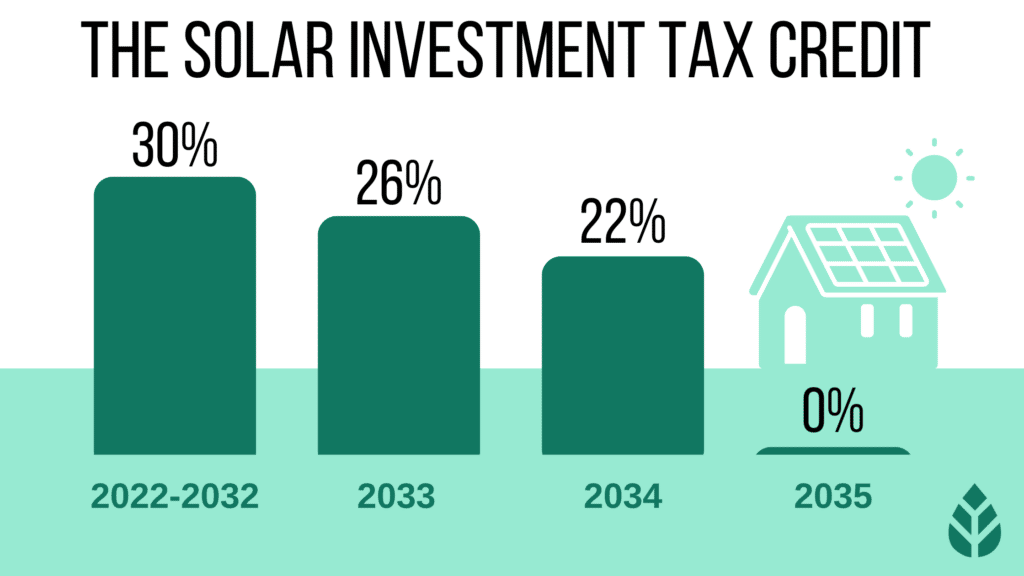
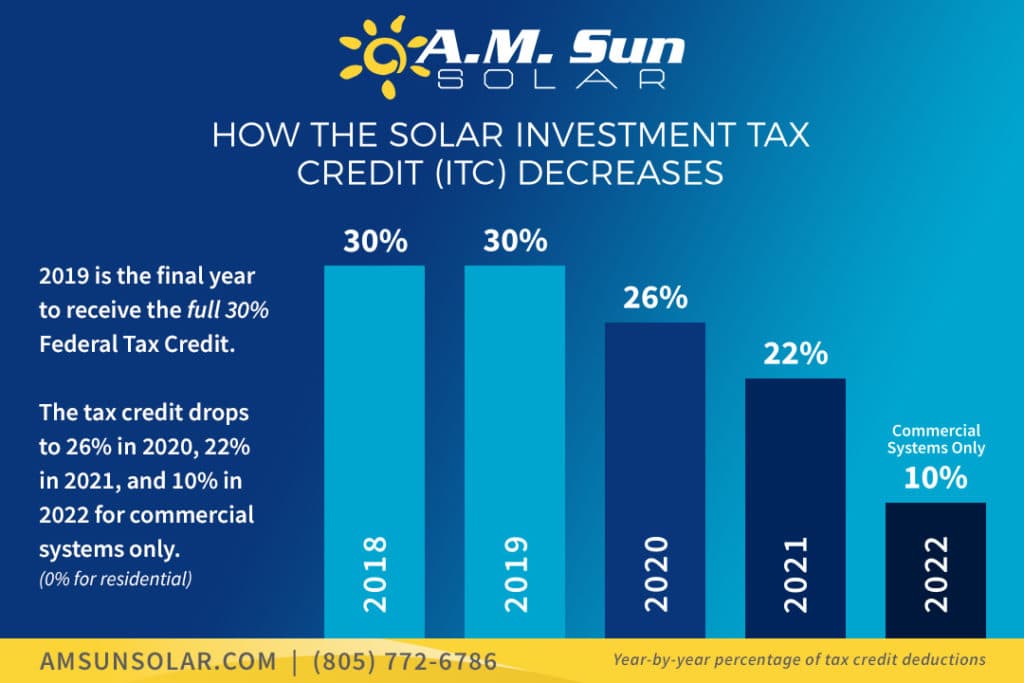
The percentage of the credit has varied over time but has seen renewed strength, particularly with recent legislative enhancements. For systems placed in service from 2022 through 2032, the credit stands at 30% of the cost of the system. This significant percentage can translate into thousands of dollars in tax savings, directly impacting the overall financial viability of solar adoption for any type of long-term accommodation.
Consider an investor purchasing a property in California intended for long-term rental. If a solar system costs $25,000 to install, the 30% ITC would reduce their federal tax liability by $7,500. This substantial reduction in net cost makes solar a far more attractive proposition, accelerating the payback period and increasing the property’s profitability. For long-term residents, the reduced energy costs coupled with the initial tax saving makes sustainable living more affordable and accessible, contributing to a more comfortable and financially predictable long-term stay. The credit is non-refundable, meaning it can only reduce your tax liability to $0. However, if the credit exceeds your tax liability in one year, you can typically carry forward the unused portion to subsequent tax years.
Navigating State-Specific California Solar Programs
While the federal ITC is the primary driver, California has historically complemented it with various state-level programs and mandates that significantly influence the economics of solar for accommodation properties. Though direct statewide tax credits akin to the federal ITC are no longer widely available from California itself, other mechanisms continue to support solar adoption. These include strong Net Energy Metering policies and localized rebates that can further enhance the financial benefits for long-term residents and property owners.
Net Energy Metering (NEM) and its Impact on Accommodation Costs
Net Energy Metering (NEM) is a billing mechanism that provides credit to solar customers for the electricity they add to the grid. In California, NEM has been instrumental in making solar power financially attractive for accommodation of all types. Under NEM, if a solar system on a residential property or an apartment building generates more electricity than the property consumes during certain periods, the excess power is sent back to the utility grid. The utility then credits the solar customer’s account for this electricity. When the property’s electricity consumption exceeds its solar production (e.g., at night), the customer draws power from the grid and is charged for it. At the end of a billing cycle (often annually), the customer pays only for the “net” electricity used, after credits are applied.
For long-term accommodation, NEM is critical because it maximizes the value of the solar energy produced. It effectively allows the grid to act as a battery, storing excess solar energy for later use. This dramatically reduces, or in some cases eliminates, monthly electricity bills for residents or property managers, making solar-equipped accommodation highly desirable. The California Public Utilities Commission has recently updated NEM policies (NEM 3.0), shifting from a net metering approach to a net billing approach with lower export compensation rates. While this change alters the economics slightly, solar remains a compelling investment, especially when paired with battery storage to maximize self-consumption and minimize reliance on grid exports. Understanding these evolving policies is essential for property investors in California looking to optimize their accommodation’s energy strategy.
Local Rebates and Incentives for Property Enhancements
Beyond federal and statewide policies, many local jurisdictions and utility companies within California offer additional incentives that can further sweeten the deal for solar installations on accommodation properties. These can include:
- Local Rebates: Some cities or counties may offer one-time rebates for installing solar panels, battery storage systems, or other energy-efficiency upgrades. These are often designed to promote specific local environmental goals or to support low-income residents in accessing sustainable accommodation.
- Property Assessed Clean Energy (PACE) Programs: While less common now for new residential solar due to changes in financing regulations, PACE programs historically allowed property owners to finance energy-efficient and solar improvements through an assessment on their property tax bill. These programs were popular for allowing upfront costs to be spread over many years.
- Utility-Specific Programs: Individual utility companies, such as Pacific Gas and Electric, Southern California Edison, or San Diego Gas & Electric, might offer their own incentive programs, such as rebates for specific equipment or demand-response programs that reward customers for reducing energy use during peak times.

For anyone considering a long-term stay or investment in California accommodation, researching these local opportunities is crucial. These incentives, when combined with the federal ITC and NEM, can significantly reduce the overall cost of solar ownership, making solar-powered accommodation a financially intelligent choice.
The Application Process for Accommodation Providers and Residents
Claiming the federal Solar Investment Tax Credit (ITC) for your California accommodation property is a straightforward process, integrated into your annual federal tax filing. It does not require a separate application to the federal government or the state of California at the time of installation, but rather, it is claimed when you file your taxes for the year the system was placed in service.
Key Steps to Claiming the Credit
For property owners focused on accommodation, the process generally involves these steps:
- Install a Qualifying Solar System: Ensure your solar panel system meets the federal requirements. It must be new, located on your California property, and generate electricity for the residence or multiple dwelling units. The system must be “placed in service” during the tax year you intend to claim the credit. This usually means it’s fully operational.
- Keep Meticulous Records: Retain all documentation related to your solar installation. This includes invoices, contracts, proof of payment, permits, and any warranties. These documents will serve as proof of the system’s cost and installation date.
- File IRS Form 5695: When preparing your federal income tax return, you will need to complete IRS Form 5695, “Residential Clean Energy Credit.” On this form, you will report the total cost of your solar energy system. The form then calculates your credit amount (30% for systems placed in service from 2022-2032).
- Transfer Credit to Form 1040: The calculated credit from Form 5695 is then transferred to Schedule 3 (Form 1040), “Additional Credits and Payments,” which ultimately reduces your overall tax liability.
- Consult a Tax Professional: While the steps are clear, tax laws can be complex, especially if you own multiple rental properties or have unique financial circumstances. Consulting a qualified tax professional is highly recommended to ensure you maximize your credit and comply with all Internal Revenue Service (IRS) guidelines. They can provide tailored advice regarding the interplay of personal and business income, and how the credit affects your specific accommodation investments.
Documentation Requirements for Your California Property
To successfully claim the Solar Investment Tax Credit, accurate and complete documentation is essential. Property owners should keep an organized file containing:
- Itemized Invoice: A detailed invoice from the solar installer clearly showing the cost of all equipment, labor, permitting fees, and other eligible expenses directly related to the solar energy system. This is crucial for calculating the 30% credit.
- Proof of Payment: Receipts or bank statements demonstrating payment for the solar installation.
- Permits and Inspection Records: Copies of all necessary permits from local authorities and final inspection reports confirming the system’s approval and operational status. This validates the “placed in service” date.
- System Specifications: Documentation outlining the type, size, and capacity of the solar panels and inverter, as well as any battery storage components if those are included in the credit claim.
- Contract with Installer: The signed contract with your solar installer, detailing the scope of work and agreed-upon costs.
Having these documents readily available will streamline the tax filing process and provide critical evidence should the IRS ever request further information. For accommodation providers, this meticulous record-keeping is just as vital as managing rental agreements and property maintenance records.
Long-Term Benefits and Value Proposition for California Accommodation
Investing in solar energy for accommodation in California extends far beyond the immediate financial relief of the tax credit. The long-term implications for property value, rental appeal, and operating costs create a compelling value proposition for both property owners and long-term residents.
Enhancing Property Value and Rental Appeal
A solar-equipped accommodation property in California immediately gains a significant edge in the competitive real estate and rental markets. Studies consistently show that homes with solar panels sell for a premium compared to those without. For long-term accommodation investors, this translates into:
- Increased Property Value: The presence of an owned solar system is viewed as a permanent upgrade that reduces future operating costs, making the property more valuable upon resale. This capital appreciation adds to the overall return on investment for property owners.
- Higher Rental Demand and Potential for Premium Rents: Tenants looking for long-term accommodation are increasingly prioritizing properties with lower utility bills and sustainable features. Solar panels directly address both concerns. Landlords can leverage significantly reduced or even zero electricity costs as a major selling point, attracting environmentally conscious tenants and potentially justifying higher rental rates. The promise of predictable, lower monthly expenses is a strong incentive for long-term renters seeking financial stability.
- Modern Appeal: Solar installations convey a modern, forward-thinking image, making properties stand out in the market. This aesthetic and functional upgrade appeals to a broad demographic seeking contemporary living solutions.
Sustainable Living and Reduced Utility Expenses for Residents
For individuals planning a long-term stay in a solar-powered home or apartment in California, the benefits are tangible and immediate:
- Substantial Savings on Electricity Bills: This is perhaps the most direct and impactful benefit. With rising electricity rates in California, having a solar system significantly hedges against these increases. Long-term residents in solar-equipped accommodation can expect dramatically lower, or even negligible, monthly electricity costs, leading to considerable savings over years. This financial predictability is invaluable for budgeting a long-term stay.
- Reduced Carbon Footprint: For residents committed to sustainable living, solar power offers a direct way to reduce their environmental impact. Living in a solar-powered accommodation contributes to cleaner air and reduces reliance on fossil fuels, aligning with personal values and contributing to California’s broader environmental goals.
- Energy Independence and Reliability: While not entirely off-grid, a solar system reduces dependence on the utility company. When paired with battery storage, it can even provide backup power during outages, enhancing the reliability and comfort of a long-term accommodation.
In conclusion, the federal Solar Investment Tax Credit, combined with California’s supportive energy policies, creates a powerful incentive for integrating solar technology into accommodation properties. For anyone focused on long-term living, property investment, or rental management in California, understanding and utilizing these financial mechanisms is key to unlocking significant savings, increasing property value, and fostering sustainable living environments.
LifeOutOfTheBox is a participant in the Amazon Services LLC Associates Program, an affiliate advertising program designed to provide a means for sites to earn advertising fees by advertising and linking to Amazon.com. Amazon, the Amazon logo, AmazonSupply, and the AmazonSupply logo are trademarks of Amazon.com, Inc. or its affiliates. As an Amazon Associate we earn affiliate commissions from qualifying purchases.