
The journey between the vibrant metropolis of Chicago, Illinois, and the expansive state of California represents a significant transcontinental traverse within the United States. When considering air travel, the primary concern for many is often the distance and the time it takes to bridge it. On average, the air distance from Chicago to central California (e.g., Los Angeles or San Francisco) typically spans approximately 1,700 to 1,800 miles (2,735 to 2,897 kilometers). This considerable expanse translates into a direct flight duration that usually ranges from about 4 hours to 5 hours and 30 minutes, depending on the specific origin and destination airports, as well as various atmospheric and operational factors. Understanding this aerial corridor is the first step in planning a seamless journey across the heartland to the Pacific.
The Aerial Corridor: Understanding the Distance and Time
Traversing the United States by air from the Midwest to the West Coast is a routine flight for millions, but the specifics of distance and duration are not always immediately apparent. The exact “how far” depends on the specific city pairs chosen within Chicago and California, as the Golden State itself stretches over 800 miles from north to south.
Direct Flight Paths and Great Circle Routes
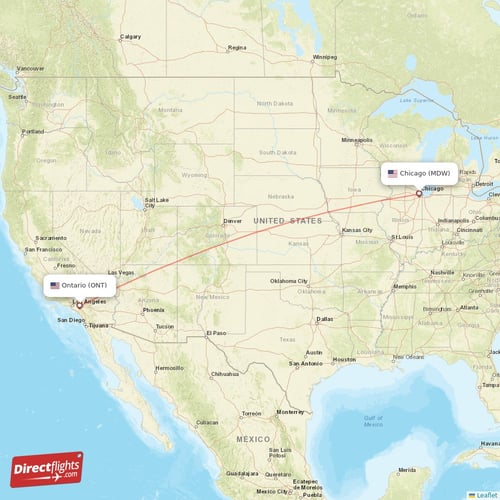
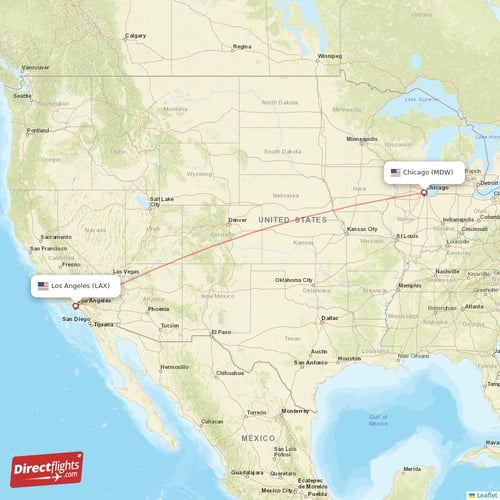
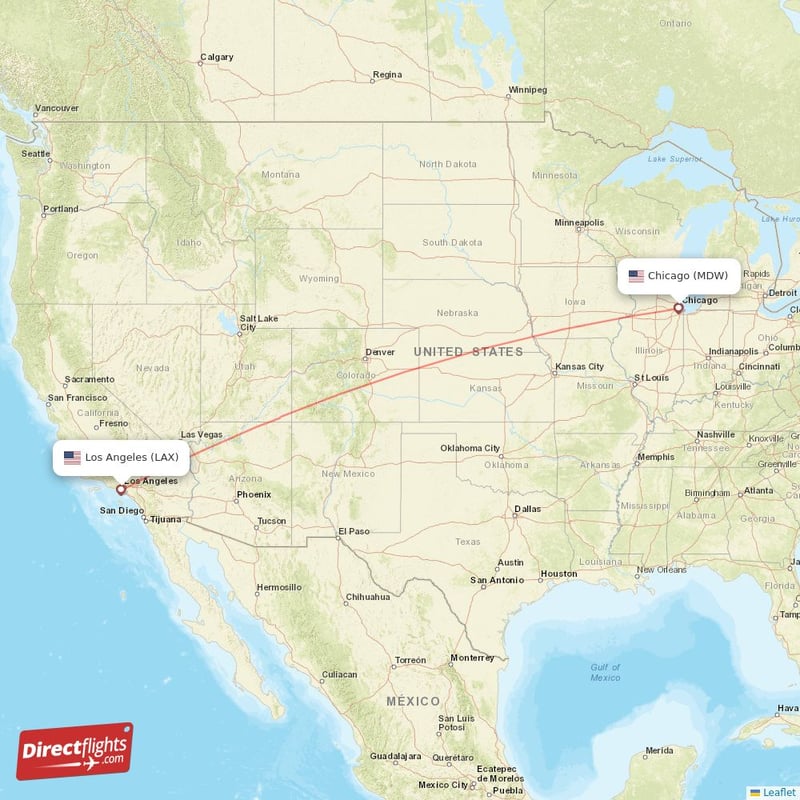
Aviation relies on the concept of a great circle route, which is the shortest distance between two points on the surface of a sphere (like Earth). While aircraft don’t always fly a perfect great circle due to air traffic control, weather, and geopolitical restrictions, the underlying principle guides flight planning. For flights from Chicago to California, this generally means a slightly arcing path over states such as Iowa, Nebraska, Colorado, Utah, and Nevada before descending into California. The air distance, as opposed to road distance, is calculated point-to-point, reflecting the most direct route achievable in the sky. For instance, a flight from O’Hare International Airport to Los Angeles International Airport covers roughly 1,745 miles (2,808 km), while to San Francisco International Airport it’s about 1,845 miles (2,969 km). These distances underpin the flight durations travelers experience.
Average Flight Times: What to Expect
For a non-stop flight, passengers can anticipate spending approximately 4 hours to 5 hours and 30 minutes airborne. Heading west, against the prevailing winds, often takes slightly longer than the return eastbound journey. For example, a typical flight from Chicago to Los Angeles might be around 4 hours and 20 minutes, whereas a flight to San Francisco could extend to 4 hours and 45 minutes or more due to the slightly greater distance. These are average figures, and individual flight schedules will always provide the most precise estimates for any given trip.
Factors Influencing Flight Duration
Several variables can subtly, or sometimes significantly, impact the actual flight time. Headwinds or tailwinds are major determinants; a strong tailwind from the west can shave off considerable time, while a powerful headwind can add 30 minutes or more to a flight. Air traffic control (ATC) plays a crucial role in managing the flow of aircraft, and delays can occur due to congestion around major airports, especially during peak travel times. The type of aircraft also matters, with newer, more efficient jets sometimes offering marginally faster travel thanks to higher cruising speeds. Furthermore, unexpected events such as diversions, mechanical issues, or severe weather en route can, in rare instances, alter flight paths and extend travel times. For travelers, understanding these factors helps set realistic expectations for their cross-country journey.
Navigating the Airspace: Key Airports and Their Roles
Choosing the right airports for departure and arrival is a critical element of planning any long-distance air travel, particularly for a journey spanning from Chicago to California. Both regions boast world-class aviation infrastructure, offering numerous options for travelers.
Major Departure Hubs in Chicago
Chicago is served by two major international airports, each with its unique characteristics and offerings:
- O’Hare International Airport (ORD): As one of the busiest airports in the world, O’Hare is a primary hub for United Airlines and American Airlines. It offers an extensive network of direct flights to virtually all major airports in California, providing numerous daily options across various airlines. Its vast capacity means a wide range of choices for departure times and carriers, though it can also be prone to delays during peak periods or inclement weather.
- Midway International Airport (MDW): While smaller than O’Hare, Midway is a significant hub for Southwest Airlines and offers a more streamlined, often less congested experience for travelers. It provides direct flights to several key California cities, particularly popular for budget-conscious travelers seeking efficient point-to-point service. Its proximity to downtown Chicago can also be an advantage for local residents.
Primary Arrival Gates in California
California’s immense size and diverse population centers necessitate multiple major international airports to accommodate the influx of travelers:
- Los Angeles International Airport (LAX): Serving the sprawling Los Angeles metropolitan area, LAX is one of the busiest airports globally and a crucial gateway to Southern California. It receives a high volume of direct flights from Chicago from all major carriers.
- San Francisco International Airport (SFO): Located south of San Francisco, SFO is the primary airport for the Bay Area and Northern California. It offers robust direct service from Chicago, appealing to business and leisure travelers heading to Silicon Valley or the scenic northern coast.
- San Diego International Airport (SAN): Situated near downtown San Diego, SAN is a convenient option for those visiting the southernmost parts of California and boasts numerous direct flights from Chicago.
- Other significant California airports include Oakland International Airport (OAK), San Jose International Airport (SJC), and Sacramento International Airport (SMF), all of which also offer varying levels of direct or connecting service from Chicago.
Connecting Flights and Layover Considerations
While direct flights are the most efficient option for this route, connecting flights can sometimes be more cost-effective or necessary if traveling to a smaller regional airport in California not served by direct service from Chicago. Layovers typically occur in major hub cities like Denver, Dallas/Fort Worth, or Phoenix. While they extend the overall travel time, they can provide opportunities for a break, a change of aircraft, or access to different routes. When booking, always factor in the additional time for layovers, especially when considering tight connections or potential delays.
Planning Your Transcontinental Journey: Tips for Travelers
A journey from Chicago to California by plane, while relatively straightforward, benefits from thoughtful planning to ensure a comfortable and efficient travel experience. From booking strategies to managing the in-flight experience, a few key considerations can make all the difference.
Best Time to Book and Fly
Flexibility is often the traveler’s best friend when it comes to securing optimal airfares and flight times. Generally, booking several weeks to a few months in advance yields better prices, especially for popular routes like Chicago to California. Mid-week flights (Tuesdays, Wednesdays, and Saturdays) are frequently less expensive and less crowded than those on peak travel days (Fridays and Sundays). Similarly, flying during off-peak seasons—such as late winter (excluding holidays) or early fall—can offer more competitive fares and a more relaxed airport experience compared to the bustling summer months or major holiday periods. Tools like price alerts can help monitor fare fluctuations and notify travelers of ideal booking windows.
Airline Choices and Cabin Classes
Multiple major airlines operate daily direct flights between Chicago and various California airports. United Airlines and American Airlines, both with major hubs at O’Hare, offer extensive service, including various cabin classes from basic economy to first class, catering to different budgets and comfort preferences. Southwest Airlines, primarily from Midway, is known for its flexible booking policies and two free checked bags. Other carriers like Delta Air Lines also provide competitive options. When choosing an airline, consider not just the price, but also baggage allowances, seat pitch, in-flight amenities, and loyalty program benefits that might enhance your journey.
In-Flight Experience and Comfort
For a flight lasting approximately 4 to 5.5 hours, comfort is paramount. Consider dressing in layers to adapt to varying cabin temperatures. Hydration is key; drink plenty of water and avoid excessive caffeine or alcohol. Bringing your own entertainment, such as downloaded movies, e-books, or music, is advisable, though many airlines offer in-flight entertainment systems. A neck pillow, eye mask, and noise-canceling headphones can significantly improve relaxation. If possible, choose an aisle seat for easier movement, or a window seat for views (especially during sunrise/sunset). Taking short walks in the aisle when permitted can also help with circulation on longer flights.
Time Zone Adjustments
Traveling from Chicago (in the Central Time Zone) to California (in the Pacific Time Zone) involves crossing two time zones, resulting in a 2-hour time difference. Upon arrival in California, your clock will effectively go back two hours. For example, a 9 AM departure from Chicago arriving at 1 PM Pacific Time Zone in Los Angeles means a 4-hour flight. To minimize the effects of jet lag, adjust your watch to the destination time as soon as you board the plane. Try to acclimate to the local time quickly by exposing yourself to daylight and maintaining a normal sleep schedule once you land.
Beyond the Miles: Exploring Chicago and California as Destinations
While understanding the logistics of air travel between Chicago and California is essential, it’s the rich array of experiences awaiting at either end that truly motivates the journey. Both destinations offer distinct, compelling reasons for travelers to cross the country.
Iconic Chicago Experiences
Before departing or upon returning to Chicago, the city itself is a world-class destination. Visitors can marvel at the architectural masterpieces on a Chicago Architecture Foundation Center River Cruise, stand in awe of “The Bean” (Cloud Gate sculpture) at Millennium Park, or delve into artistic treasures at the Art Institute of Chicago. The city’s vibrant food scene, from deep-dish pizza to Michelin-starred restaurants, offers culinary adventures for every palate. Exploring diverse neighborhoods like Wicker Park or Lincoln Park provides a glimpse into local life and unique boutiques.
Diverse California Adventures
California’s immense geographical and cultural diversity means there’s an experience for every type of traveler. In Northern California, the iconic Golden Gate Bridge, the historic cable cars of San Francisco, and the serene beauty of Yosemite National Park beckon. Southern California offers the sun-drenched beaches of San Diego, the glamour of Hollywood in Los Angeles, and the enchanting fantasy of Disneyland Park in Anaheim. Further inland, the desert landscapes of Palm Springs and Joshua Tree National Park provide a stark contrast to the coastal vibrancy. Whether seeking urban excitement, natural splendor, or theme park thrills, California delivers a spectrum of unforgettable travel opportunities, making the hours spent in the air a worthwhile investment.
LifeOutOfTheBox is a participant in the Amazon Services LLC Associates Program, an affiliate advertising program designed to provide a means for sites to earn advertising fees by advertising and linking to Amazon.com. Amazon, the Amazon logo, AmazonSupply, and the AmazonSupply logo are trademarks of Amazon.com, Inc. or its affiliates. As an Amazon Associate we earn affiliate commissions from qualifying purchases.