
Traveling between Washington State and California is a common journey for many, whether for leisure, business, or relocating. Understanding the distance and the various travel implications is crucial for planning an efficient and enjoyable trip. These two states, representing the northern and southern poles of the contiguous Pacific Coast of the United States, are connected by a vast stretch of diverse landscapes and major transportation arteries. The exact distance can vary significantly depending on your specific starting and ending points, as well as your chosen mode of transportation.
The Geographic Span and Defining the Distance
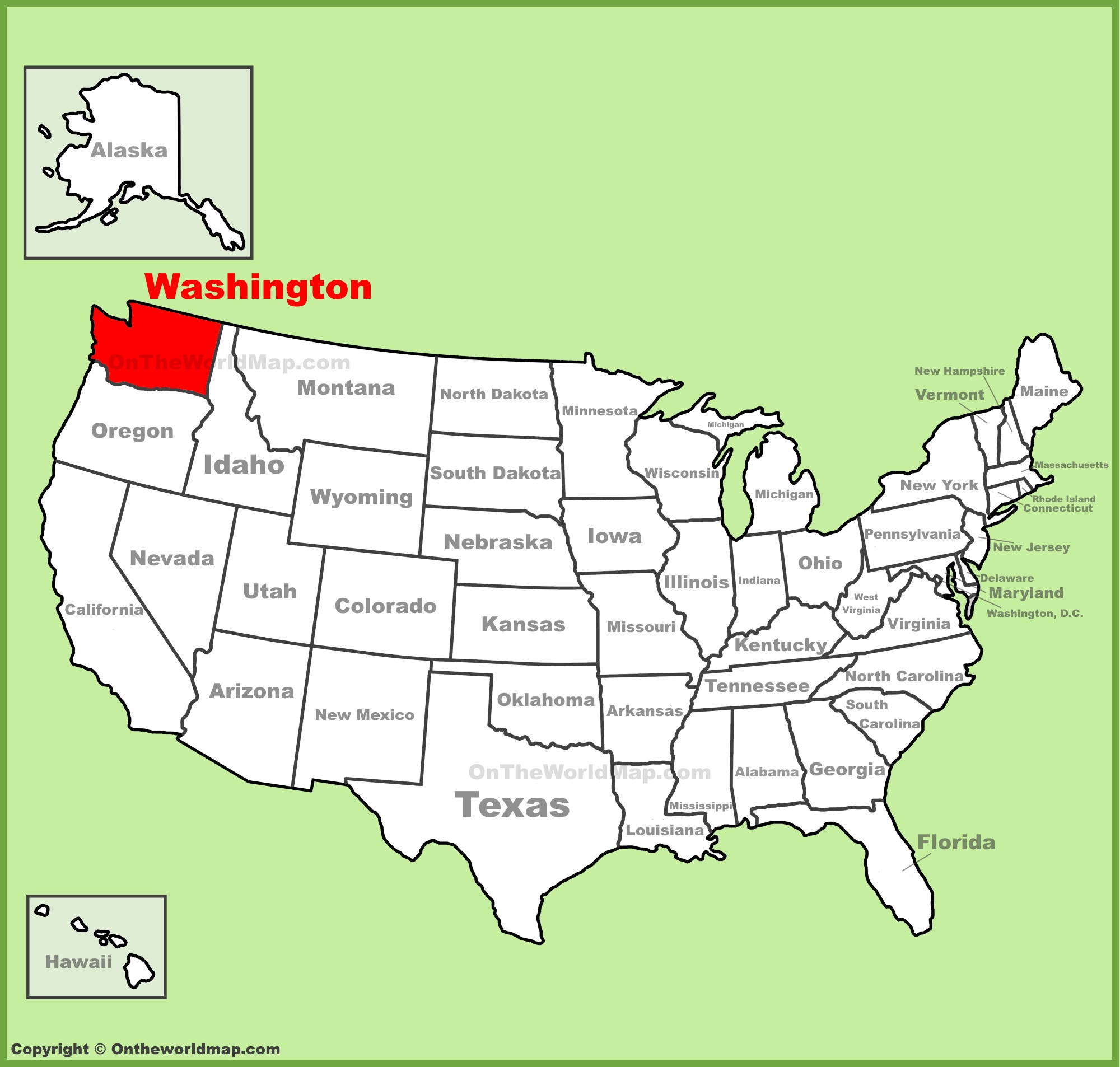
At a glance, Washington State and California might seem like neighboring states, but they are separated by the entire state of Oregon, creating a considerable expanse. This geographical reality means that travel between them is more than just a short hop; it’s a significant journey that requires careful consideration.

Defining the Distance
The straight-line (as the crow flies) distance between the southernmost tip of Washington State and the northernmost tip of California is approximately 350 miles. However, travel between major metropolitan areas is far more common and significantly longer. For instance, the distance between Seattle, Washington’s largest city, and Los Angeles, California’s largest city, is roughly 1,000 miles by road. This translates to an estimated driving time of 15 to 18 hours without significant stops, often requiring an overnight stay.
Similarly, a journey from Seattle to San Francisco covers about 800 miles, taking around 12 to 14 hours of continuous driving. Traveling from Portland, Oregon (a common midway point for many travelers) to San Francisco is approximately 630 miles, an 11-hour drive. These figures underscore the considerable distance involved and highlight why many travelers choose to break up the journey, especially when driving.
Key Cities and Variances
The specific cities of departure and arrival within each state dramatically impact the total distance.
- From Northern Washington to Southern California: A trip from Bellingham, near the Canadian border, to San Diego near the Mexican border, could stretch close to 1,300 miles, necessitating a multi-day drive.
- From Southern Washington to Northern California: Conversely, traveling from Vancouver, Washington (just across the river from Portland), to Eureka, California (in the Redwood National Park area), would be a much shorter journey, around 500 miles.
These variations mean that travelers must pinpoint their exact origin and destination to accurately gauge the distance and plan their logistics.
Modes of Travel and Time Commitments
The choice of transportation heavily influences both the duration and experience of your journey between Washington State and California. Each mode offers a unique balance of speed, cost, and comfort.
Driving the Pacific Coast
Driving is a popular option for those who enjoy road trips and the flexibility to explore along the way. The primary route for most of the journey is Interstate 5 (I-5), which runs directly through Seattle, Portland, and major California cities like Sacramento, San Francisco (via I-5 and connector routes), and Los Angeles.
- Duration: As mentioned, a non-stop drive from Seattle to Los Angeles is about 15-18 hours. To make this journey safely and enjoyably, it’s highly recommended to break it up into at least two days, with an overnight stay in Oregon or northern California. Many choose to stop in Portland, Ashland, or Redding.
- Scenic Alternatives: While I-5 is the fastest, travelers with more time can opt for the stunning coastal Highway 101, particularly through Oregon and northern California. This route offers breathtaking ocean views, charming coastal towns, and opportunities to visit landmarks like the Redwood National Park. Be prepared for significantly longer travel times (20+ hours for Seattle to San Francisco via the coast) due to winding roads and lower speed limits.
- Considerations: Driving involves factoring in fuel costs, potential tolls, wear and tear on your vehicle, and the need for frequent breaks to avoid driver fatigue. Traffic can be particularly heavy around major metropolitan areas in both states, especially during peak hours.
Flying for Speed
For those prioritizing speed, air travel is unequivocally the fastest option. Both Washington and California are home to major international airports that offer frequent direct flights.
- Major Airports:
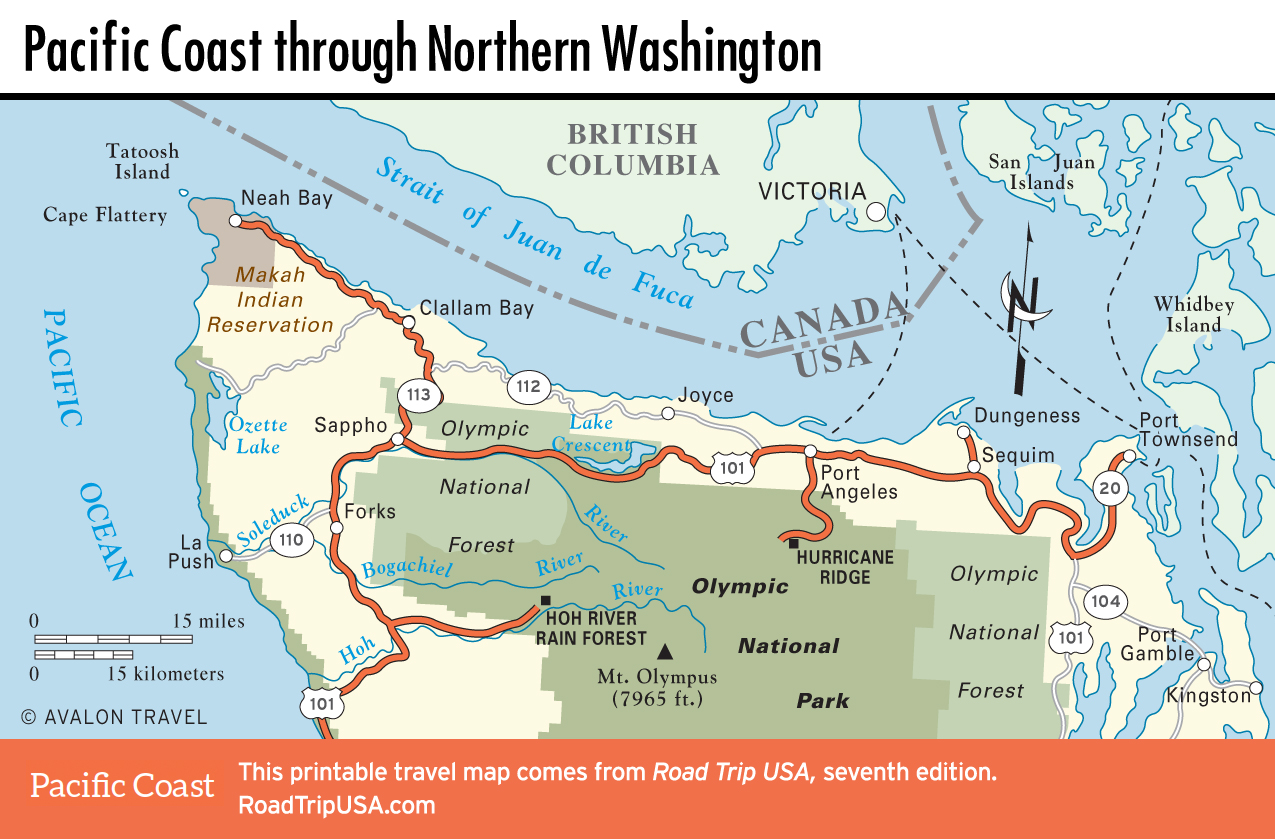
- Washington: Seattle-Tacoma International Airport (SEA) is the primary hub.
- California: Key airports include Los Angeles International Airport (LAX), San Francisco International Airport (SFO), Oakland International Airport (OAK), San Jose International Airport (SJC), and San Diego International Airport (SAN).
- Flight Duration: A direct flight from Seattle to Los Angeles typically takes around 2 hours and 45 minutes to 3 hours. Flights to San Francisco are even shorter, usually between 1 hour 45 minutes and 2 hours.
- Total Travel Time: While the flight itself is quick, remember to account for time spent traveling to and from airports, security checks, boarding, and baggage claim. This can easily add 3-4 hours to the total journey, making a door-to-door trip between major city centers roughly 5-7 hours. This is still significantly faster than driving, especially for long distances.
Rail and Bus Journeys
For a more relaxed pace, or for those who prefer not to drive or fly, train and bus services offer viable alternatives, albeit with longer travel times.
- Amtrak: Amtrak‘s Coast Starlight route is a renowned train journey that connects Seattle to Los Angeles, with stops in Portland, Sacramento, the San Francisco Bay Area (via a bus connection), and other scenic locations. This journey is approximately 35 hours end-to-end, often spanning two days and one night, offering breathtaking views of the Pacific coastline, Cascade Mountains, and California’s valleys. It’s an experience in itself, perfect for sightseers.
- Bus Services: Companies like Greyhound offer inter-state bus travel. A bus trip from Seattle to Los Angeles can take anywhere from 20 to 28 hours, depending on the number of stops and transfers. While generally the most economical option, it is also the slowest and can be less comfortable for extended periods.
Planning Your Inter-State Journey
Effective planning ensures a smooth and enjoyable travel experience, regardless of the distance between Washington State and California.
Best Time to Travel
The ideal time to travel depends on your preferences and mode of transport.
- Summer (June-August): Offers the warmest weather and best conditions for scenic drives, especially along the coast. However, it’s also peak tourist season, meaning higher prices for flights and accommodations, and more crowded attractions. I-5 can experience heavy traffic, and popular coastal routes will have more visitors.
- Spring (April-May) and Fall (September-October): These shoulder seasons often present the best balance. The weather is generally pleasant, crowds are thinner, and prices for travel and lodging may be more competitive. These months are excellent for road trips, as the vibrant spring blooms or fall foliage add to the scenery.
- Winter (November-March): While flying is usually unaffected, driving can be challenging, particularly through the Siskiyou Mountains region in southern Oregon and northern California, where snow and ice can necessitate tire chains or cause road closures. Coastal routes are less affected by snow but can be rainy and stormy.
Essential Packing and Preparation
Regardless of how you travel, certain preparations are universally beneficial.
- Documentation: Always carry valid identification. If driving, ensure your driver’s license, vehicle registration, and insurance are current.
- Navigation: A reliable GPS or map app is essential. For driving, consider offline maps in areas with spotty cell service.
- Road Trip Essentials (for drivers): Pack an emergency kit, jumper cables, extra water, snacks, and a first-aid kit. Check tire pressure, oil levels, and fluid levels before embarking on a long drive.
- Comfort: For long journeys, be it by car, train, or bus, bring a neck pillow, blanket, entertainment (books, headphones, fully charged devices), and comfortable clothing.
- Booking in Advance: Especially during peak seasons, booking flights, train tickets, and overnight accommodations (if driving) well in advance can save money and ensure availability.
Cost Considerations
Travel costs are a significant factor.
- Driving: Primarily involves fuel costs, which can add up significantly over 800-1,300 miles. Factor in potential tolls, food, and at least one night of accommodation if not completing the drive in a single, arduous day.
- Flying: Airfare can vary widely based on airline, booking time, and flexibility. Budget for airport transfers or parking at both ends.
- Rail/Bus: Generally more affordable than flying, especially if booked in advance, but more expensive than driving your own vehicle (when only considering fuel and not vehicle depreciation).
The Journey as a Destination
Traveling between Washington State and California is more than just covering distance; it’s an opportunity to experience the diverse beauty of the Pacific Northwest and the Golden State.
Scenic Stops Along the Way
If driving, the journey itself can be a memorable part of your trip.
- Oregon Coast: Detour onto Highway 101 in Oregon to witness stunning rugged coastline, charming towns like Astoria or Cannon Beach, and natural wonders like Thor’s Well.
- Redwood National Park, California: This is a must-see for anyone driving through northern California. Marvel at the ancient, towering redwood trees. Many scenic drives and short hikes are accessible from the highway.
- Crater Lake National Park, Oregon: A short detour east of I-5 in southern Oregon reveals the deepest lake in the U.S., renowned for its intense blue color and dramatic caldera.
- Mount Shasta, California: The majestic, snow-capped peak of Mount Shasta provides a stunning backdrop as you drive through northern California, offering spiritual retreats and outdoor activities in its vicinity.
Contrasting Landscapes
The journey showcases a remarkable transition in landscapes. Starting with the lush, often evergreen forests and misty mountains of Washington State, you pass through Oregon’s diverse terrain – from the volcanic peaks of the Cascades to the high desert plateaus. As you enter California, the scenery continues to evolve, featuring the dramatic Redwood forests, the agricultural richness of the Central Valley, and finally, the sprawling urban centers and coastal beauty of southern California.
Ultimately, the distance between Washington State and California is substantial, but the various travel options make it an accessible journey. Whether you opt for the speed of air travel, the scenic adventure of a road trip, or the leisurely pace of a train, understanding the logistics will help you plan an unforgettable traverse along the West Coast.
LifeOutOfTheBox is a participant in the Amazon Services LLC Associates Program, an affiliate advertising program designed to provide a means for sites to earn advertising fees by advertising and linking to Amazon.com. Amazon, the Amazon logo, AmazonSupply, and the AmazonSupply logo are trademarks of Amazon.com, Inc. or its affiliates. As an Amazon Associate we earn affiliate commissions from qualifying purchases.