
Embarking on a new chapter in life often involves significant shifts, from exploring exotic travel destinations to embracing a refreshed personal identity. For many, this journey includes a legal name change, a profound decision that can align your personal brand with your evolving lifestyle. Whether you’re celebrating a marriage, navigating a divorce, affirming your gender identity, or simply seeking a fresh start, understanding the legal process in California is crucial. This isn’t just about updating a document; it’s about ensuring your new identity is recognized seamlessly, especially when planning future travel experiences, booking accommodations, and immersing yourself in local culture around the globe.
In a world where identification is key to almost every transaction – from checking into a luxury hotel in Paris to renting a car for a scenic drive through wine country – having your legal name consistently reflected across all your documents is paramount. Discrepancies can lead to frustrating delays, missed flights, or even denied entry to attractions, turning what should be a relaxing journey into a stressful ordeal. This guide will walk you through the comprehensive steps to legally change your name in California, ensuring your future adventures, whether they involve a stay at a vibrant resort suite or exploring historical landmarks, are as smooth and enjoyable as possible.
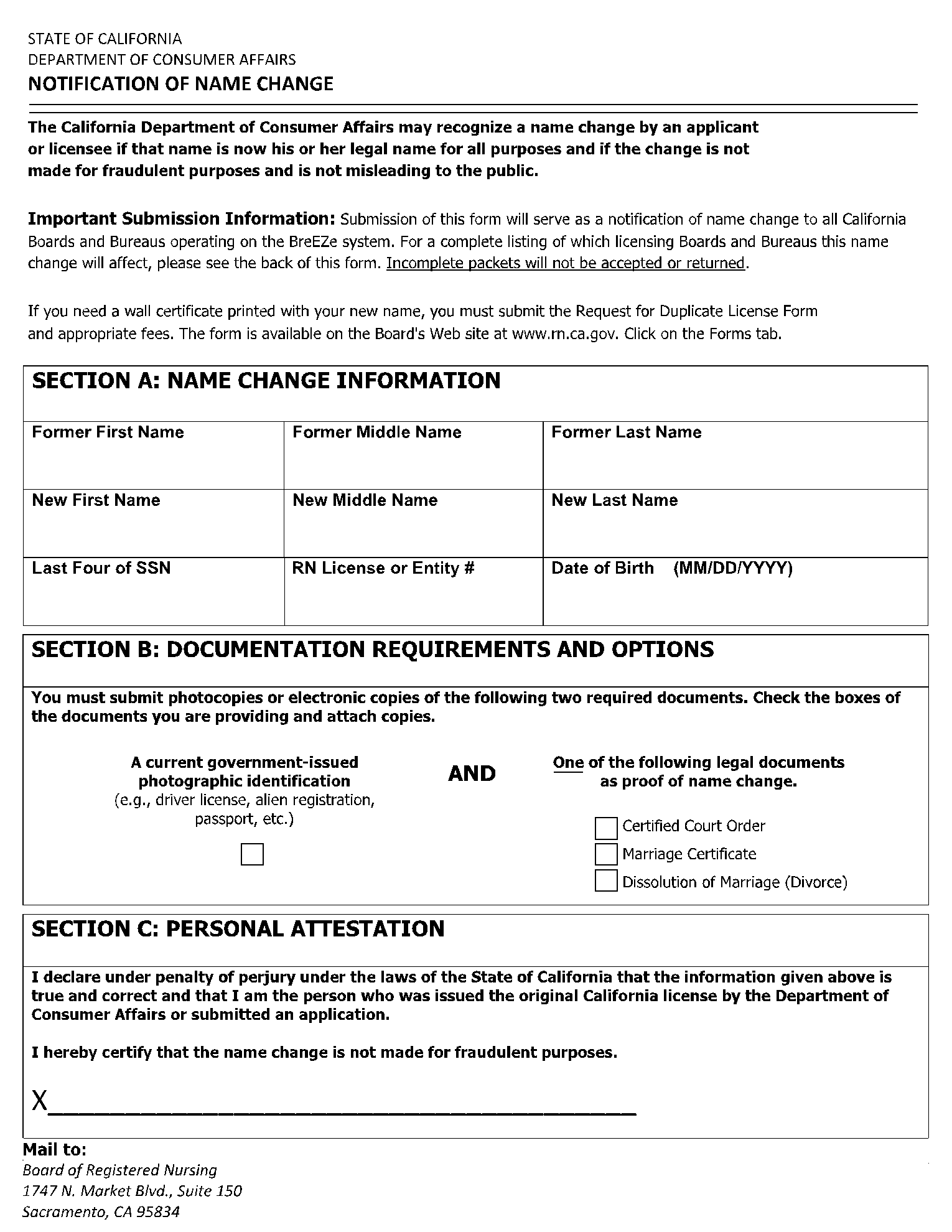
Understanding the “Why”: A Lifestyle Shift & Travel Considerations
The decision to legally change your name is deeply personal, often marking a significant milestone in your life’s journey. For individuals passionate about travel and embracing diverse lifestyles, this change can symbolize a new beginning, a clearer reflection of their true selves, or a practical step towards streamlining their future adventures.
Personal Evolution & Digital Nomad Identity
Life is a constant evolution, and sometimes, our names need to evolve with us. Marriage, divorce, and gender affirmation are common reasons for a legal name change, each signifying a profound personal transformation. For instance, after a wedding, many choose to adopt their spouse’s surname, consolidating their identity as a couple. Conversely, a divorce often prompts a return to a maiden name or the adoption of an entirely new one, signifying independence and a fresh start. For transgender and gender non-conforming individuals, a name change is a crucial step in aligning their legal identity with their true self, a powerful affirmation that resonates deeply with their personal journey.
Beyond these common reasons, some individuals simply desire a fresh start or feel a stronger connection to a new name that better reflects their personality, heritage, or aspirations. This is particularly true in the evolving landscape of the digital nomad lifestyle, where personal branding often merges with individual identity. A name change can be a strategic move for someone building a brand as a travel blogger, consultant, or artist, allowing them to present a unified, memorable identity to their global audience. Imagine a content creator traveling through Bali or establishing a base in Lisbon; having a name that truly resonates with their public persona and private self can be incredibly empowering, fostering a sense of authenticity that enhances both their professional and personal travels.
Seamless Travel & Accommodation Bookings
For the avid traveler, the practical implications of a legal name change are immense. The accuracy of your identification documents is the bedrock of hassle-free travel. Every time you book a flight, reserve a room at a charming boutique hotel, or check into an apartment rental, your name on the booking must precisely match the name on your passport or driver’s license.
Imagine arriving at Charles de Gaulle Airport in Paris, eager to explore the Eiffel Tower, only to discover a mismatch between your flight ticket and your passport due to a recent name change you haven’t yet formalized across all documents. This common scenario can lead to denied boarding, requiring costly rebookings and disrupting meticulously planned itineraries. Similarly, checking into a pre-paid suite at a prestigious hotel can become a bureaucratic nightmare if the name on your reservation doesn’t align with your government-issued ID.
From international flights to domestic bus tours, from luxurious resort check-ins to simple online bookings for attractions, consistency is key. Taking the time to legally change your name and update all associated identification documents ensures that your future travel experiences are smooth, secure, and stress-free, allowing you to focus on the joy of discovery and immersion in new cultures, rather than logistical hurdles.
Navigating the Legal Journey in California
The process of legally changing your name in California involves a series of structured steps, primarily handled through the state’s court system. While it might seem daunting, breaking it down into manageable stages makes the journey much clearer.
The Petition Process: Your First Step
The initial phase of your name change journey begins at the Superior Court of California in your county of residence. This is where you will file a formal petition asking the court to legally change your name. Think of this as preparing your most important “travel documents” for your new identity.
You’ll need to complete several court forms, primarily the “Petition for Change of Name” (Form NC-100), “Order to Show Cause for Change of Name” (Form NC-120), and “Civil Case Cover Sheet” (Form CM-010). If you are also changing the names of your minor children, you’ll use “Attachment to Petition for Change of Name (Minor)” (Form NC-110). These forms require you to provide details such as your current legal name, the new name you wish to adopt, and the reason for the change. It’s crucial to be thorough and accurate, as any errors can cause delays.
Once completed, these forms must be filed with the court clerk. There is a filing fee, which can vary slightly by county but is typically several hundred dollars. If you are experiencing financial hardship, you may be eligible to apply for a fee waiver by filing “Request to Waive Court Fees” (Form FW-001) and “Order on Court Fee Waiver” (Form FW-003). After filing, the clerk will provide you with a stamped copy of your “Order to Show Cause,” which includes a scheduled court hearing date and vital instructions for the next step: publication.
Public Notice: Ensuring Transparency for Future Adventures
An integral part of the name change process in California is the requirement for public notice. This means you must publish the “Order to Show Cause for Change of Name” in a newspaper of general circulation in your county for four consecutive weeks before your scheduled court hearing. This requirement ensures that anyone who might have an objection to your name change has an opportunity to voice it to the court.
For the aspiring digital nomad or frequent traveler, this step underscores transparency. It’s about making your new identity officially known, ensuring that your change is public record and verifiable by various authorities in the future – from passport agencies to foreign embassies, from hotel booking systems to immigration officers. Reputable legal newspapers in major cities like Los Angeles or San Francisco are familiar with this process and can guide you. After the publication period, the newspaper will provide you with an affidavit of publication, which you must then file with the court. This affidavit serves as proof that you have fulfilled the public notice requirement.

The Court Hearing: A Milestone on Your Path
Your journey culminates in the court hearing, a significant milestone where a judge reviews your petition. On the day of your hearing, you will appear before a judge who will examine your petition, confirm that all procedural requirements – including filing and publication – have been met, and may ask a few questions about your reasons for the name change.
In most straightforward cases, especially if no objections have been filed, the hearing is relatively brief and routine. The judge will then sign the “Decree Changing Name” (Form NC-130), which is the official court order legally changing your name. This decree is your golden ticket, the official document that formally recognizes your new identity. Make sure to obtain several certified copies of this decree, as you will need them for updating all your personal identification and financial records. These certified copies are essentially your new identity’s “travel visas,” allowing you to move forward confidently in your new name, ready to book that next great adventure or settle into a new lifestyle.
Post-Approval: Updating Your Travel & Lifestyle Essentials
Once the court has officially granted your name change, the real work of integrating your new identity into your everyday life and travel plans begins. This crucial phase ensures consistency across all your vital documents, preventing future complications.
The All-Important Passport & Driver’s License
For anyone planning to travel, updating your passport and driver’s license is paramount. Your passport is your gateway to international travel, allowing you to explore destinations from the bustling markets of Marrakech to the serene landscapes of Kyoto. To update your U.S. passport, you’ll need to submit your original name change court order, your current passport, and a new passport application (Form DS-11 or DS-82, depending on how recently your current passport was issued) to the U.S. Department of State. The process can take several weeks, so it’s wise to plan this well in advance of any international trips. Without an updated passport matching your new legal name, you could face significant issues at airport security, during flight check-ins, or when entering foreign countries.
Your driver’s license or state ID card is equally critical for domestic travel, proving your identity at airports, for car rentals, or when checking into any accommodation within the United States. In California, you’ll need to visit a local California Department of Motor Vehicles (DMV) office. Bring your court order, current driver’s license, and other required identification documents. You will likely need to reapply for a new license, take a new photo, and pay a fee. It’s important to complete this promptly, as your driver’s license is often the primary form of identification for domestic purposes, from verifying age to opening new accounts.
Financial & Other Identifications for a Smooth Journey
Beyond your passport and driver’s license, numerous other identifications and records require updating to reflect your new legal name. This step is vital for a truly seamless transition into your new identity, both at home and while traveling.
First, contact the Social Security Administration (SSA) to update your Social Security card. This is a foundational step, as your Social Security number is linked to nearly all financial and employment records. You’ll need to submit your court order, current Social Security card, and an application for a new card. Once your SSA record is updated, it makes updating other accounts much smoother.
Next, focus on your financial institutions. Inform your banks, credit card companies, and investment firms of your name change. You’ll typically need to provide a certified copy of your court order. This ensures that all your financial transactions, whether you’re using a credit card to book a hotel suite or withdrawing cash from an ATM abroad, are conducted under your correct legal name. Discrepancies here can lead to declined transactions or even issues with identity verification, especially when dealing with international banks or payment systems.
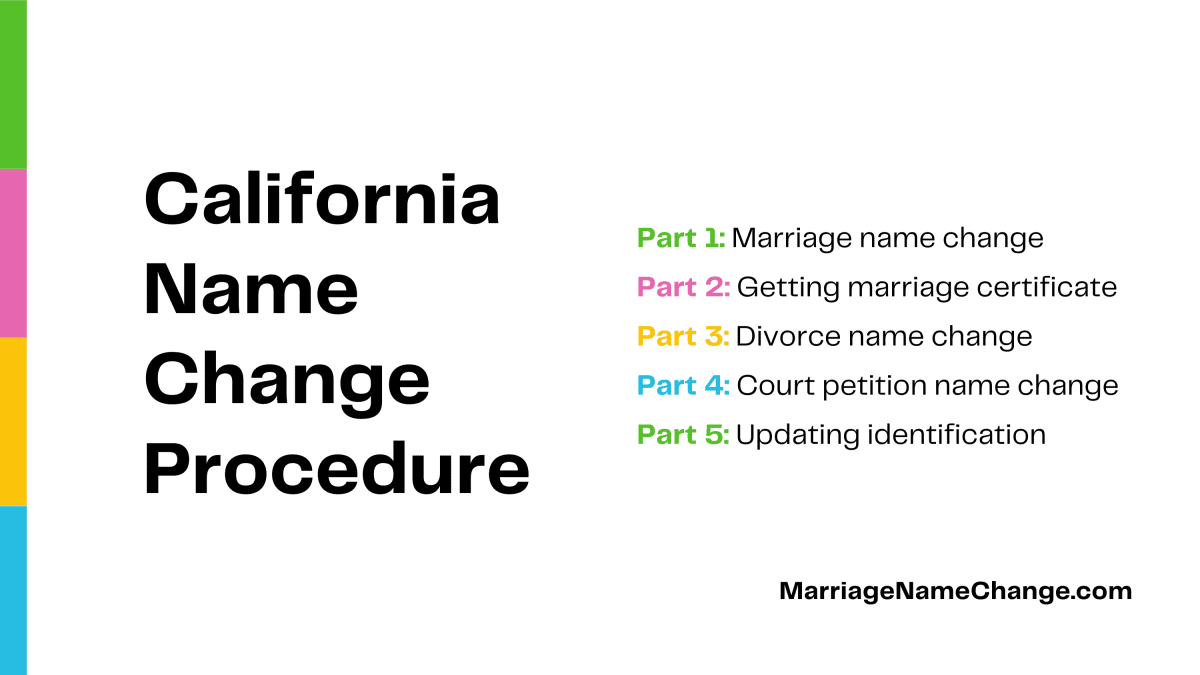
Don’t forget to update your name with airlines for frequent flyer programs, any TSA PreCheck or Global Entry memberships, and other travel-related memberships. These programs are designed for efficiency, and a mismatched name can nullify their benefits, causing delays at security checkpoints. Similarly, update insurance policies (health, auto, travel), utility bills, voter registration, and any professional licenses.
Finally, consider updating your name on any property deeds or vehicle titles if applicable. While less immediately critical for travel, these are important for long-term legal and financial consistency. By meticulously updating all these documents, you solidify your new identity across every facet of your life, ensuring that your adventures, whether they involve exploring historical landmarks or simply enjoying a peaceful accommodation in a new city, are completely unburdened by administrative hurdles.
Embracing a new name in California is more than a legal formality; it’s an affirmation of your personal journey and a passport to a future filled with new possibilities. By carefully navigating the legal process and diligently updating your identification, you ensure that your evolving identity is respected and recognized wherever your lifestyle takes you. So, take this step with confidence, knowing that your new name will accompany you seamlessly on every exciting adventure that lies ahead.
LifeOutOfTheBox is a participant in the Amazon Services LLC Associates Program, an affiliate advertising program designed to provide a means for sites to earn advertising fees by advertising and linking to Amazon.com. Amazon, the Amazon logo, AmazonSupply, and the AmazonSupply logo are trademarks of Amazon.com, Inc. or its affiliates. As an Amazon Associate we earn affiliate commissions from qualifying purchases.