
California, a state renowned for its diverse landscapes, vibrant cities, and iconic natural beauty, also faces the annual challenge of wildfires. For prospective visitors, understanding the reality of these fires and their potential impact on tourism is crucial for planning a safe and enjoyable trip. It’s not simply a matter of “how many fires,” but rather understanding their scope, location, and the proactive measures taken to mitigate risks, ensuring that the Golden State remains a premier destination for global travelers.
Understanding California’s Wildfire Landscape for Tourists
Wildfires are a natural, albeit often devastating, part of California’s ecosystem, particularly during its warm, dry seasons. For tourists, the key is to understand the context rather than fixate on a fluctuating number of incidents, which can change daily. The narrative surrounding fires can sometimes overshadow the vastness and continued accessibility of much of the state.
The Seasonal Reality of Wildfires
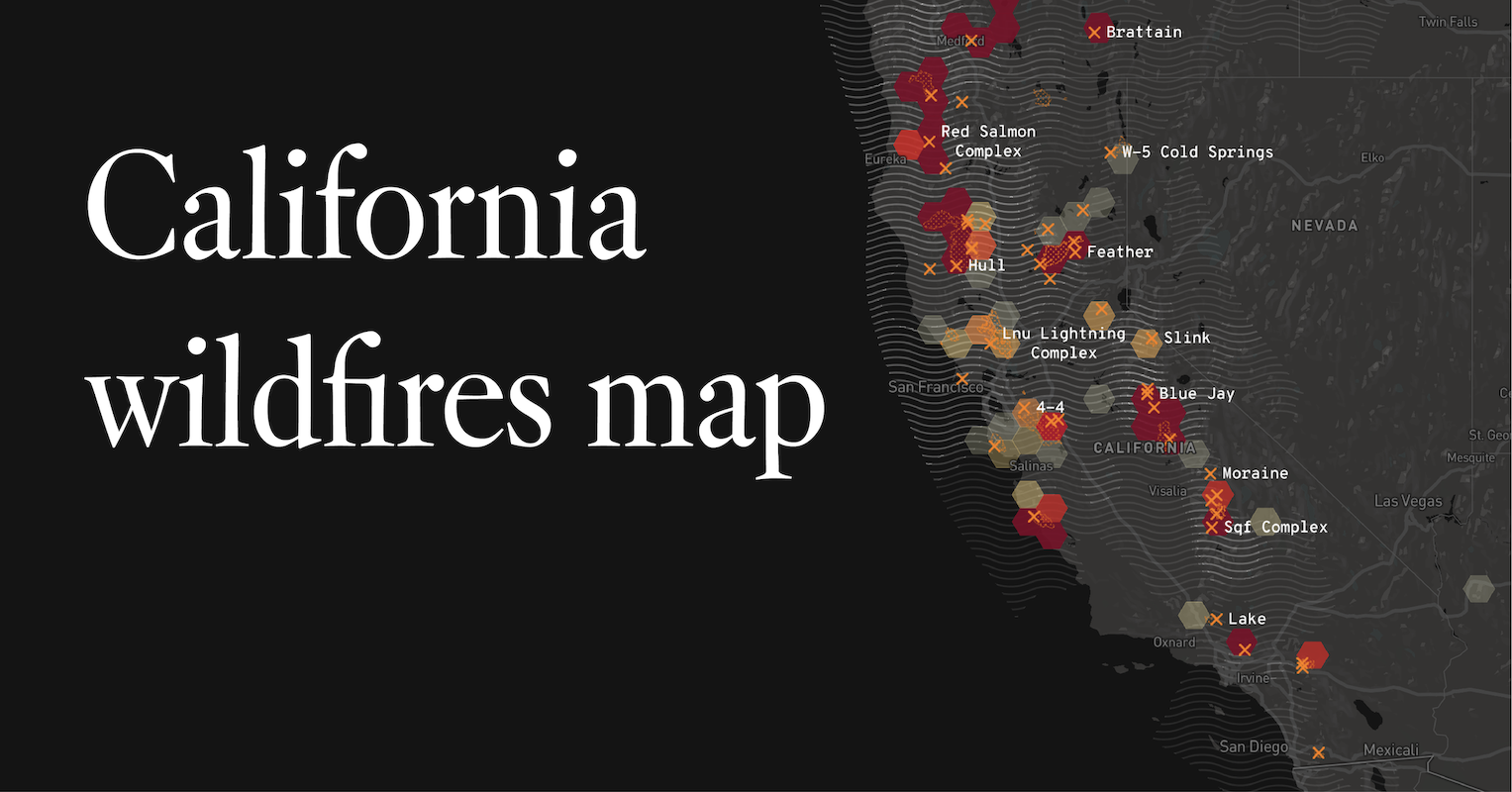
California’s fire season typically runs from late spring through late autumn, often peaking in the hot, dry months of August, September, and October. During this period, high temperatures, low humidity, and strong winds – notably the Santa Ana winds in Southern California and Diablo winds in Northern California – create conditions ripe for rapid fire spread. This seasonal pattern means that visitors planning trips during these months should remain particularly vigilant about fire updates. However, it’s important to note that fires can occur outside this window due to climate change impacts and varying weather patterns.
Regional Considerations: Where Fires Tend to Occur
Wildfires are not uniform across the entire state. They primarily affect wildland-urban interface areas, dense forests, and chaparral landscapes. Popular tourist regions such as coastal cities like San Francisco, Los Angeles, or San Diego are generally less directly impacted by the fires themselves, though they can experience secondary effects like smoke.
Mountainous regions and national parks are often more susceptible. For instance, areas within the Sierra Nevada range, including regions surrounding Yosemite National Park, Sequoia National Park, and Kings Canyon National Park, or parts of the Redwood National and State Parks in the north, have historically seen significant fire activity. Similarly, wine country regions like Napa Valley and Sonoma County have also faced challenges. Understanding these regional distinctions helps tourists assess risk more accurately based on their planned itinerary. Often, large portions of the state remain entirely unaffected, and many popular attractions continue to operate normally even during active fire incidents elsewhere.
Impact on California Tourism: What Visitors Need to Know
For tourists, the primary concerns related to wildfires are safety, air quality, and potential disruptions to travel plans. Responsible tourism in California involves being informed and adaptable.
Air Quality and Health Considerations
One of the most widespread impacts of wildfires, even far from the actual flames, is poor air quality due to smoke. Smoke plumes can travel hundreds of miles, affecting metropolitan areas and popular destinations that are otherwise safe from fire. This is particularly relevant for individuals with respiratory conditions or young children.
Before and during a trip, visitors should monitor air quality indexes (AQI) for their specific destination. Resources like AirNow.gov provide real-time air quality data. On days with poor air quality, it’s advisable to limit outdoor activities, keep windows closed, and utilize indoor attractions like museums, galleries, or shopping centers. Many hotels and resorts are equipped with advanced filtration systems to ensure comfortable indoor environments.
Road Closures and Evacuation Orders
Active wildfires can lead to immediate road closures and, in severe cases, evacuation orders for specific areas. These measures are critical for public safety and are implemented by local authorities such as CAL FIRE and the California Office of Emergency Services (CalOES). While essential for those in affected zones, these can cause significant disruptions for travelers.
Tourists should consult official sources for real-time information on road conditions (e.g., Caltrans QuickMap) and evacuation zones before setting out, especially if their itinerary includes remote areas or national forests. Flexibility is key; having alternative routes or backup accommodation plans can save considerable stress. Tour operators and local tourism boards are generally excellent sources of up-to-date information regarding accessibility and safety in their respective areas.

Preserving Natural Attractions: Parks and Wilderness Areas
California’s state and national parks are major draws for tourists, offering unparalleled opportunities for hiking, camping, and wildlife viewing. Wildfires can directly impact these areas, leading to temporary closures for visitor safety or long-term damage to ecosystems.
When planning to visit parks like Yosemite, Big Basin Redwoods State Park, or Joshua Tree National Park, check the park’s official website for current conditions, fire alerts, and any closures. Many parks, even after fires, work diligently to restore trails and facilities, often reopening sections safely while others remain closed for rehabilitation. Supporting these parks through visitation (when safe) and donations contributes to their recovery.
Navigating a Visit During Fire Season: Essential Tips for Tourists
Traveling to California during fire season doesn’t have to be daunting. With proper preparation and a flexible mindset, visitors can still enjoy the state’s many offerings.
Monitoring Official Sources for Real-Time Information
Reliable information is a tourist’s best friend. Visitors should regularly check official channels for the most accurate and up-to-date wildfire information:
- CAL FIRE: The primary state agency for fire management and information. Their website provides incident maps and updates.
- National Weather Service: Offers weather forecasts, including warnings for high fire danger.
- Local Emergency Services & Sheriff’s Departments: Often have specific information for their counties and cities.
- National Park Service and California State Parks Websites: Provide detailed conditions for individual parks.
- Local Tourism Boards: Destinations like Lake Tahoe or Palm Springs have their own tourism sites that offer localized advice.
Flexibility in Travel Plans
While having an itinerary is helpful, being prepared to adjust it is essential during fire season. Consider booking accommodations and activities with flexible cancellation policies. If a fire incident occurs near your intended destination, be ready to pivot to an alternative area or activity. California is vast, and many regions are often unaffected. For example, if parts of the Sierra Nevada are impacted, coastal attractions or desert regions like Death Valley National Park might offer a viable alternative.
Supporting Local Communities
When fires do impact an area, the economic consequences can be severe for local businesses dependent on tourism. If your travel plans are affected but the area is safe to visit, consider still going, perhaps to nearby, unaffected towns. Your patronage helps these communities recover. If direct travel isn’t possible, look for ways to support local businesses online or through donation to reputable relief funds. Many communities showcase remarkable resilience and bounce back quickly, eager to welcome visitors once conditions improve.
California’s Resilience: Beyond the Blaze
While wildfires present a recurring challenge, California and its communities demonstrate remarkable resilience. The state continuously invests in fire prevention, early detection systems, and swift response capabilities, ensuring visitor safety remains a top priority.
Recovery and Reopening of Destinations
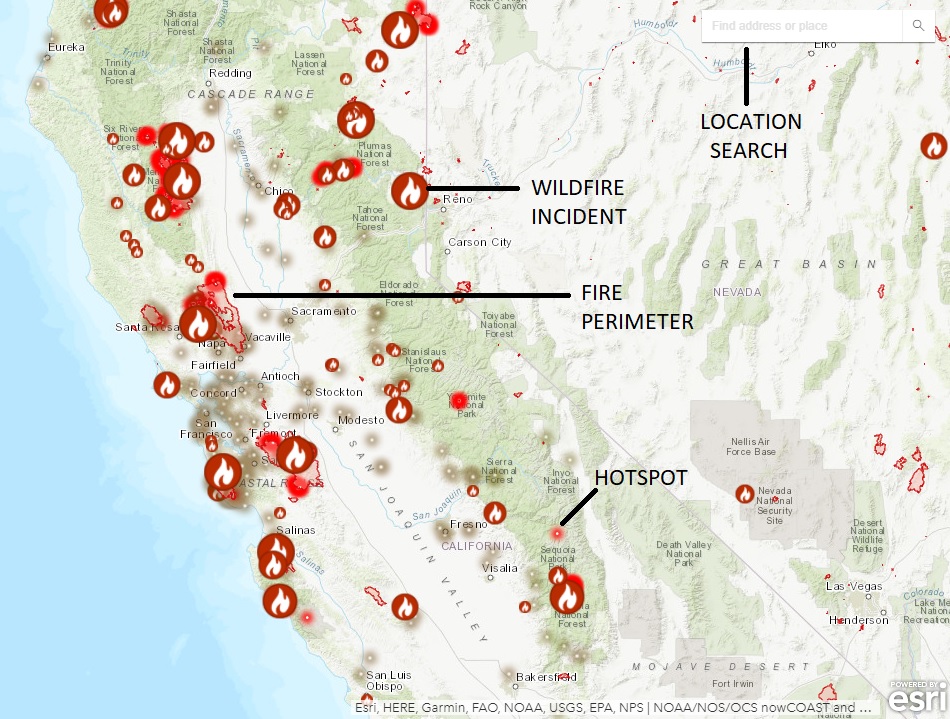
After a wildfire, affected areas often undergo significant recovery efforts. This process can be lengthy, but communities and park services work diligently to clear debris, repair infrastructure, and restore natural beauty. Many areas that experienced fires in previous years have successfully reopened to tourism, often with new trails, enhanced fire-resistant landscaping, and renewed vibrancy. Destinations like parts of the Santa Cruz Mountains or areas within the Mendocino National Forest have demonstrated this impressive recovery, showcasing the enduring spirit of the state.
Sustainable Tourism and Prevention Efforts
Tourism can play a role in promoting fire prevention. Visitors are encouraged to practice “Leave No Trace” principles, be extremely cautious with campfires (if permitted), dispose of smoking materials properly, and understand local fire restrictions, particularly in wilderness areas. Many tourism operators and local authorities are increasingly integrating sustainable practices and fire-aware messaging into their offerings, helping to educate visitors and foster a culture of prevention.
Ultimately, while the question of “how many fires” is complex and ever-changing, the essence for a tourist lies in preparedness, informed decision-making, and an appreciation for the vastness and diverse appeal of California. The state remains a world-class destination, welcoming millions of visitors annually who, with a bit of planning, can enjoy its splendors safely and responsibly.
LifeOutOfTheBox is a participant in the Amazon Services LLC Associates Program, an affiliate advertising program designed to provide a means for sites to earn advertising fees by advertising and linking to Amazon.com. Amazon, the Amazon logo, AmazonSupply, and the AmazonSupply logo are trademarks of Amazon.com, Inc. or its affiliates. As an Amazon Associate we earn affiliate commissions from qualifying purchases.