
Traveling across the vast expanse of the United States often involves navigating not just different landscapes and cultures, but also distinct time zones. For anyone planning a journey or coordinating activities between the East Coast and the West Coast, a fundamental question arises: how many hours ahead is New York from California? The answer, while seemingly straightforward, carries significant implications for flight schedules, meeting coordination, and personal well-being. Understanding this time difference is crucial for a smooth and enjoyable travel experience, helping you mitigate jet lag and maximize your time in both vibrant regions.

Understanding the Great American Time Divide
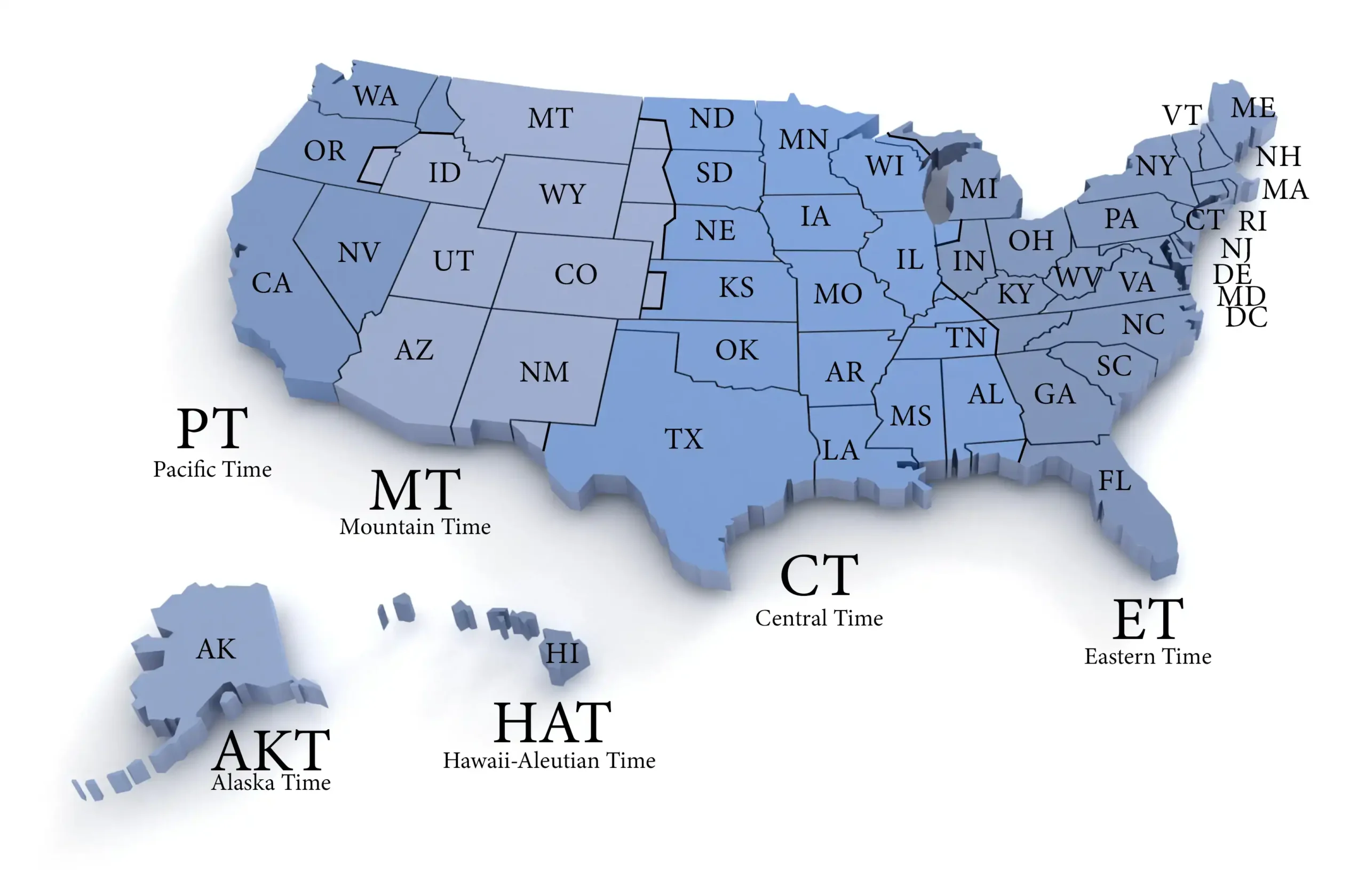
The continental United States is divided into four primary time zones, each separated by one hour. When comparing New York and California, we are looking at the two outermost time zones: Eastern Standard Time (EST) and Pacific Standard Time (PST).
The Basics: Eastern vs. Pacific
New York, including its bustling metropolis New York City, operates on Eastern Standard Time (EST). This time zone is UTC-5 during standard time and UTC-4 during Daylight Saving Time.
California, home to iconic cities like Los Angeles and San Francisco, operates on Pacific Standard Time (PST). This time zone is UTC-8 during standard time and UTC-7 during Daylight Saving Time.
Therefore, there is consistently a three-hour difference between New York and California. New York is always three hours ahead of California. For example, if it’s 12:00 PM (noon) in New York City, it will be 9:00 AM in Los Angeles.
Daylight Saving Time Considerations
Both New York and California observe Daylight Saving Time, which typically begins in early March and ends in early November. During this period, both states “spring forward” by one hour. For instance, Eastern Standard Time becomes Eastern Daylight Time (EDT), and Pacific Standard Time becomes Pacific Daylight Time (PDT). Crucially, because both states adjust their clocks simultaneously, the three-hour difference remains constant year-round. There are no periods where the gap widens or narrows due to Daylight Saving Time disparities between these two specific regions.
Navigating Cross-Country Travel Logistics
The three-hour time difference has practical implications for travel planning, affecting everything from flight schedules to coordinating your itinerary upon arrival.
Flight Planning and Arrival Times
When booking flights from California to New York, a direct flight might take around 5-6 hours. However, due to the time difference, your perceived travel time can be confusing. If you depart Los Angeles at 9:00 AM PST, a five-hour flight would land you in New York City at 5:00 PM EST (9 AM + 5 hours flight + 3 hours time difference = 5 PM). This means you “lose” three hours of your day.
Conversely, flying from New York to California often feels like gaining time. A six-hour flight departing New York City at 9:00 AM EST would arrive in Los Angeles at 12:00 PM PST (9 AM + 6 hours flight – 3 hours time difference = 12 PM). You seemingly arrive just a few hours after you left, which can be an advantage for onward plans but still requires internal adjustment. Always double-check your arrival times, ensuring you’re looking at the local time zone of your destination. Most flight booking platforms automatically display local times, but a conscious understanding helps prevent errors.
Coordinating Meetings and Communications
For business travelers or those connecting with friends and family across the country, the time difference is paramount for scheduling. A call planned for 9:00 AM PST (in California) means you’ll need to be ready at 12:00 PM EST (in New York). Conversely, a 5:00 PM EST meeting (in New York) translates to 2:00 PM PST (in California).
When setting up calls, virtual meetings, or even simply communicating with others, always state the time zone explicitly to avoid confusion. Using universal time (UTC) or dual-time zone scheduling tools can be incredibly helpful. This foresight ensures that no one misses an important appointment due to a simple oversight of the time gap.
Mitigating the Effects of Jet Lag
The three-hour time difference, particularly when traveling from west to east (California to New York), is enough to induce mild to moderate jet lag. Your body’s internal clock, or circadian rhythm, struggles to adjust to the new light-dark cycle and meal times. While not as severe as transcontinental or international travel, it can still impact your energy levels and enjoyment.
Before You Depart
Preparation begins even before you leave. If possible, start adjusting your sleep schedule a few days before your trip. When flying from California to New York, try to go to bed and wake up an hour or so earlier each day. This gradual shift can ease your body into the new time zone. Ensure you are well-rested before your flight, as sleep deprivation exacerbates jet lag symptoms. Hydration is also key, so drink plenty of water in the days leading up to your departure.
During Your Journey
On the flight, focus on hydration and avoid excessive alcohol or caffeine, which can disrupt sleep patterns. Try to adjust your watch to the destination time zone as soon as you board the plane. If it’s daytime at your destination, keep the window shade open and expose yourself to natural light. If it’s nighttime, try to sleep. Noise-canceling headphones and a comfortable neck pillow can be invaluable for resting on the plane, even for shorter cross-country flights. Light exercise, such as walking the aisle, can also help maintain circulation and reduce stiffness.
Upon Arrival
Upon landing in New York from California, resist the urge to nap if it’s still daylight. Instead, try to stay awake until a reasonable local bedtime. Exposure to natural sunlight is the most effective way to reset your circadian rhythm, so spend time outdoors. Eat meals at local times to further anchor your body to the new schedule. If you arrive late in the day, a short walk outdoors before settling in for the night can be beneficial. Similarly, when flying from east to west, try to stay awake until a later local time to match the California schedule. The first 24-48 hours are critical for adaptation.
Maximizing Your Trip Experience in Both Zones
Understanding the time difference isn’t just about logistics; it’s about making the most of your travel experience, whether you’re exploring the bustling streets of Manhattan or soaking up the sun on a California beach.
East Coast Adventures: Early Starts and Late Nights
When you arrive in New York from California, your body will initially feel like it’s three hours earlier. This can be an advantage for early risers, allowing you to hit New York City’s attractions like Central Park or the Metropolitan Museum of Art right when they open, beating the crowds. Your body might naturally wake up earlier, giving you a head start on sightseeing. Embrace this initial burst of morning energy. However, be prepared for an earlier evening crash. Plan your more energetic activities for the morning and early afternoon, and schedule dinner or evening entertainment a bit earlier than you might typically. A Broadway show ending at 10 PM EST might feel like 7 PM PST to your internal clock, making it perfectly manageable.
West Coast Wonders: Adapting to the Pace
Traveling from New York to California presents a different challenge. Your body will feel like it’s three hours later. This means that a 9:00 AM PST breakfast might feel like a midday meal, and you might experience a significant slump in the late afternoon or early evening. It’s common to feel hungry or tired earlier than the local time suggests.
To counteract this, take advantage of the later sunsets in California, especially during summer. Plan your day with a slightly later start if needed, and be prepared for potential afternoon fatigue. Coffee shops are abundant, and an afternoon pick-me-up can help you push through. Embrace the more relaxed California pace. Dining out at 8:00 PM PST might feel like 11:00 PM EST, so you might prefer earlier reservations for the first couple of nights. Adjusting to the laid-back lifestyle and sunny outdoor activities in places like Santa Monica or Napa Valley can also aid in your body’s adaptation.

Essential Tips for Seamless Time Zone Transitions
- Wear a Dual Time Zone Watch: Having both local time and your home time visible can help you mentally bridge the gap.
- Utilize Technology: Your smartphone automatically updates to the local time, but use world clock features to easily reference the other time zone.
- Stay Flexible: Don’t overschedule your first day. Allow room for your body to adjust.
- Prioritize Sleep: Even if it feels unnatural, try to stick to your destination’s sleep schedule from day one.
- Hydrate, Hydrate, Hydrate: Water is your best friend in combating the dehydration from air travel and aiding in jet lag recovery.
- Embrace Natural Light: Seek out sunlight during the day and ensure darkness at night to help regulate your circadian rhythm.
- Eat Smart: Try to eat meals according to the local schedule, even if you’re not hungry. Light, healthy meals can aid digestion and energy levels.
The three-hour time difference between New York and California is a constant factor in cross-country travel. By understanding its implications for logistics and personal well-being, you can plan more effectively, minimize the effects of jet lag, and ensure a more enjoyable and productive trip, whether for business or leisure.
LifeOutOfTheBox is a participant in the Amazon Services LLC Associates Program, an affiliate advertising program designed to provide a means for sites to earn advertising fees by advertising and linking to Amazon.com. Amazon, the Amazon logo, AmazonSupply, and the AmazonSupply logo are trademarks of Amazon.com, Inc. or its affiliates. As an Amazon Associate we earn affiliate commissions from qualifying purchases.