
Navigating California’s Roads: Understanding the Driver Permit Test
For anyone planning an extended stay, a relocation, or even a long-term tourist visit to California with the intention of driving, understanding the state’s permit test is a fundamental step. While often perceived as a bureaucratic hurdle, preparing for and passing this knowledge examination is a crucial activity that unlocks the freedom to explore the vast landscapes and vibrant cities of the Golden State at your own pace. California’s sprawling geography, from the bustling streets of Los Angeles to the scenic routes of Highway 1, makes personal transportation not just a convenience, but often a necessity. Familiarizing yourself with local traffic laws and road signs isn’t merely about passing a test; it’s about integrating safely into the local driving culture and ensuring a smooth, enjoyable experience on California’s iconic roadways. This process, while seemingly administrative, forms an essential “tip” for anyone looking to truly immerse themselves in the local lifestyle and travel independently across this magnificent state. It equips you with the foundational knowledge required to drive responsibly, understand local nuances like HOV lanes, and navigate the state’s diverse driving conditions, from urban freeways to winding mountain passes.

Why the Permit Test Matters for Visitors and New Residents
Whether you’re a student relocating to Berkeley, a professional moving to Silicon Valley, or an international visitor planning an extensive road trip along the Pacific Coast Highway, the California Driver Permit Test is your gateway to legal driving within the state. For those holding an out-of-state or international driver’s license, the rules for temporary driving can vary, but for long-term stays or residency, obtaining a California driver’s license is mandatory. The permit test is the first significant step in this process. It ensures that every driver on California’s roads possesses a baseline understanding of the state’s specific traffic laws, regulations, and road signs, which can differ significantly from other states or countries. This focus on local regulations is paramount for safety, helping to prevent accidents and ensure harmonious traffic flow. Beyond the legal aspect, successfully navigating this initial phase provides a sense of accomplishment and a practical skill that greatly enhances the ability to engage with local communities, access remote attractions, and truly experience the breadth of California’s offerings.
The Basics: What to Expect
The California Driver Permit Test, often referred to as the knowledge test, is administered by the California Department of Motor Vehicles (DMV). This test assesses your knowledge of traffic laws, road signs, and safe driving practices outlined in the official California Driver Handbook. The application process typically involves submitting a driver’s license application (Form DL 44), providing proof of identity and residency, paying the application fee, having your thumbprint taken, and passing a vision test. Only after these initial steps are completed can you proceed to take the written knowledge test. The test is available in multiple languages and can be taken at any DMV field office. Understanding these fundamental steps is crucial for efficient planning, ensuring you arrive at the DMV prepared and with all necessary documentation, minimizing potential delays in obtaining your permit.
Deconstructing the California Driver’s Permit Exam
The core of your permit application journey lies within the knowledge test itself. Understanding its structure, content, and scoring mechanism is key to a successful outcome. The California DMV designs this test to be comprehensive yet fair, ensuring that all new drivers have a solid grasp of the rules before they even get behind the wheel for supervised practice. It’s not just about rote memorization, but about comprehending the principles that govern safe driving on California roads. This initial hurdle screens for critical awareness and helps prevent uninformed drivers from posing risks to themselves and others.
Structure of the Knowledge Test
The most direct answer to “How many questions on California Permit Test?” is 46 questions. This applies to both adults (18 years and older) and minors (under 18 years old) seeking a provisional permit. The test is a multiple-choice examination, usually administered on a touch-screen computer at the DMV office, though paper tests may be available in some circumstances or for specific accommodations. Each question presents a scenario or asks about a specific rule, with several possible answers from which to choose the correct one. The questions are designed to cover a broad spectrum of the California Driver Handbook, ensuring that applicants are familiar with various aspects of driving, not just a select few. The computer-based format provides instant results, allowing you to know your outcome immediately after completion.
Key Topics Covered
The 46 questions on the California Permit Test are drawn from a comprehensive list of topics, all detailed within the official California Driver Handbook. Key areas of focus include:
- Traffic Laws and Regulations: This covers fundamental rules like speed limits, right-of-way, lane usage, turning regulations, and stopping requirements. Understanding these is critical for navigating intersections and multi-lane roads safely.
- Road Signs and Markings: Identification and interpretation of various road signs (regulatory, warning, guide signs) and pavement markings are heavily tested. Knowing what a yield sign means or what a double solid yellow line indicates is essential for safe driving.
- Safe Driving Practices: Questions will address defensive driving techniques, impaired driving laws (DUI), distracted driving, pedestrian safety, bicycle safety, and what to do in emergency situations.
- Vehicle Operation and Equipment: Basic knowledge about vehicle lighting, signaling, and safe practices related to vehicle maintenance and loading can also appear.
- Special Driving Conditions: Understanding how to drive in adverse weather, on slippery roads, or in areas with heavy pedestrian traffic is also covered.
Thorough review of all chapters in the California Driver Handbook is highly recommended, as the questions are designed to test your understanding across the entire breadth of driving knowledge.
Passing Scores and Retake Policies
To successfully pass the California Permit Test, you must answer a specific number of questions correctly. For adults (18 and older), you are allowed a maximum of 8 incorrect answers, meaning you must answer at least 38 out of 46 questions correctly. For minors (under 18), the standard is slightly stricter, allowing a maximum of 7 incorrect answers, requiring at least 39 out of 46 questions to be correct. If you do not pass on your first attempt, you are allowed two more attempts. However, after each failed attempt, the DMV requires a waiting period before you can retake the test. This period is typically 7 days (including the day you failed), providing an opportunity to review the material again. It’s important to note that if you fail all three attempts, you will need to reapply for your permit and pay the application fee again. This policy underscores the importance of adequate preparation before your initial test attempt.
Essential Tips for Acing Your California Permit Test
Preparing effectively for the California Driver Permit Test can significantly increase your chances of passing on the first attempt, saving you time and potential re-application fees. Approaching the test strategically, utilizing available resources, and understanding the test environment are key “tips” for success in this initial step towards driving independence in California.
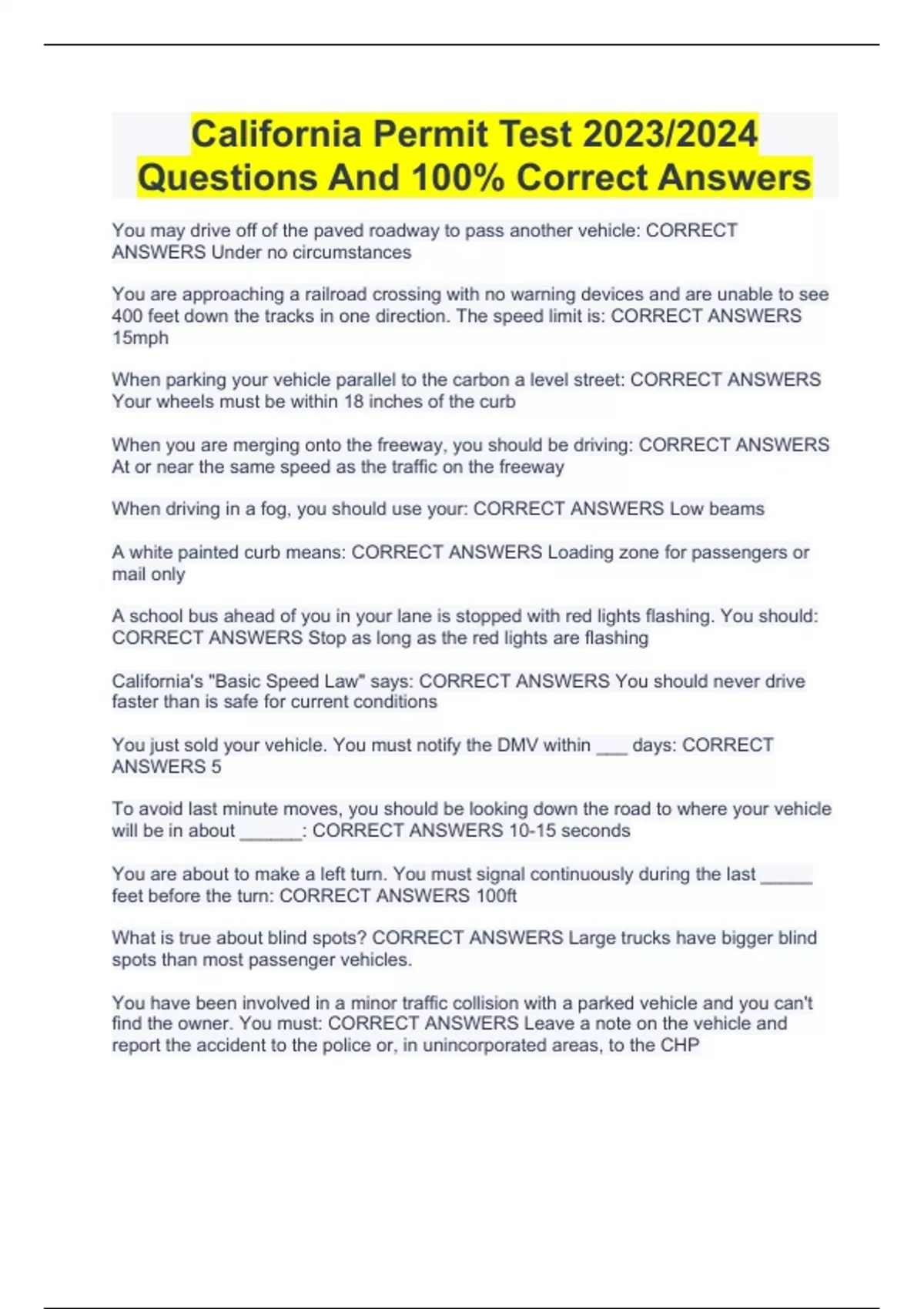
Study Resources and Strategies
The single most important resource for passing the California Permit Test is the official California Driver Handbook. This comprehensive guide, available for free online on the California DMV website or as a physical copy at DMV offices, contains all the information you need to know.
- Read the Handbook Thoroughly: Don’t just skim it. Pay close attention to sections on traffic signs, right-of-way rules, impaired driving laws, and the points system. Many find it helpful to read it multiple times.
- Focus on Key Areas: While all information is important, certain topics are more frequently tested. These include speed limits in various zones, rules for making turns, understanding traffic signals, and reacting to emergency vehicles.
- Highlight and Take Notes: Active learning techniques like highlighting key definitions and rules or jotting down notes can aid retention.
- Flashcards: Create flashcards for road signs, common driving scenarios, and important numbers (e.g., DUI blood alcohol content limits).
- Study Groups: Discussing the material with others who are also preparing for the test can help clarify confusing points and reinforce your knowledge.
Practice Makes Perfect: Utilizing Sample Tests
Once you’ve studied the California Driver Handbook, the next crucial step is to take practice tests. Numerous online resources, including the official California DMV website, offer free practice permit tests.
- Simulate the Real Test: Look for practice tests that mimic the format and question style of the actual 46-question exam. This helps you get comfortable with the multiple-choice structure and timing.
- Identify Weak Areas: Pay attention to the questions you answer incorrectly on practice tests. This highlights areas where you need further review of the handbook. Don’t just memorize the correct answer for that specific question; understand the underlying rule or concept.
- Take Multiple Tests: Don’t rely on just one practice test. Take several, from different sources if possible, to expose yourself to a wider variety of questions. Aim for consistent passing scores on your practice tests before you head to the DMV.
- Understand the “Why”: For every question you answer, ensure you understand why the correct answer is correct, rather than just knowing what the correct answer is. This builds a deeper understanding of driving principles.
On Test Day: What to Bring and How to Prepare
Proper preparation on the day of your permit test can significantly reduce stress and improve performance.
- Gather Required Documents: Double-check the California DMV website for the exact list of documents needed for your application. This typically includes proof of identity (e.g., birth certificate, passport), proof of residency (e.g., utility bill, rental agreement), and your social security number.
- Arrive Early: Give yourself ample time to travel to the DMV office, find parking, and complete any preliminary paperwork. Rushing can lead to unnecessary anxiety.
- Get Enough Rest: A well-rested mind is a sharper mind. Ensure you get a good night’s sleep before your test.
- Stay Calm and Focused: Read each question carefully and consider all answer choices before selecting. Don’t rush through the questions. If you encounter a difficult question, you can often “skip” it on the digital test and return to it later, allowing you to answer all the questions you are confident about first.
- Vision Test: Remember you’ll also need to pass a vision test. If you wear glasses or contact lenses, be sure to bring them.
Beyond the Test: Next Steps for Driving in the Golden State
Passing the 46-question permit test is a significant milestone, but it’s just the beginning of your journey to becoming a fully licensed driver in California. The permit grants you the privilege to learn to drive under specific conditions, providing the practical experience needed before you can take the final step towards unrestricted driving. This phased approach is a cornerstone of California’s efforts to ensure new drivers are not only knowledgeable but also experienced and confident behind the wheel.
Provisional License Requirements (for minors)
For applicants under 18 years old, the permit obtained after passing the knowledge test is a provisional instruction permit. This comes with specific restrictions and additional requirements before a provisional driver’s license can be issued. Minors must:
- Complete 50 hours of supervised driving practice, including 10 hours at night, with a California licensed driver 25 years or older.
- Complete 6 hours of professional driver training with a certified driving instructor.
- Hold the provisional instruction permit for a minimum of 6 months.
- Be at least 16 years old to apply for the provisional driver’s license.
During this permit phase, minors must always be accompanied by a licensed adult 25 years or older. This structured learning period is designed to build critical driving skills and responsible habits under careful supervision.
The Driving Test: Preparing for Practical Application
Once you’ve met the requirements for your permit (either as an adult or a minor) and feel confident in your driving abilities, the next step is the behind-the-wheel driving test. This practical exam assesses your ability to safely operate a vehicle and demonstrate your knowledge of traffic laws in real-world scenarios.
- Practice Consistently: Regular driving practice is crucial. Focus on maneuvers like turns, lane changes, parking (parallel and backing), and maintaining proper following distance.
- Know Your Vehicle: Be familiar with your vehicle’s controls, including headlights, wipers, horn, turn signals, and emergency brake, as you’ll be asked to demonstrate their use.
- Simulate the Test Route: While official test routes are not published, practicing in areas around DMV offices can familiarize you with common intersections and traffic patterns.
- Follow All Laws: During your practice, consistently apply all traffic laws you learned from the handbook. This includes coming to a complete stop, signaling correctly, and checking mirrors and blind spots.

Embracing California’s Driving Culture
Successfully obtaining your California driver’s license is more than just a legal formality; it’s an invitation to experience the state’s unique driving culture. From navigating the multi-lane freeways of Southern California to enjoying the serene coastal drives of Northern California, driving offers unparalleled freedom to explore. Be prepared for varying traffic conditions, especially during peak hours in metropolitan areas like San Francisco or San Diego. Always drive defensively, be aware of motorcyclists and bicyclists, and respect the state’s strict environmental regulations regarding vehicle emissions. With your license in hand, you are now equipped to discover California’s diverse attractions, from its national parks and ski resorts to its wine country and vibrant urban centers, all at your own pace.
LifeOutOfTheBox is a participant in the Amazon Services LLC Associates Program, an affiliate advertising program designed to provide a means for sites to earn advertising fees by advertising and linking to Amazon.com. Amazon, the Amazon logo, AmazonSupply, and the AmazonSupply logo are trademarks of Amazon.com, Inc. or its affiliates. As an Amazon Associate we earn affiliate commissions from qualifying purchases.