
Understanding the financial landscape of vehicle ownership is a critical aspect of managing one’s lifestyle, particularly in a state like California with its unique regulatory environment. For residents, or those contemplating a move to the Golden State, the recurring expense and logistical hurdle of a smog check is a practical reality. This mandatory inspection ensures vehicles meet stringent emissions standards, playing a vital role in California’s efforts to combat air pollution. But beyond its environmental imperative, what does a smog test truly cost, and how does it factor into the broader lifestyle budget of a California motorist?
Understanding California’s Smog Check Program: A Lifestyle Imperative
Vehicle maintenance and regulatory compliance are integral components of responsible living in California. The California Smog Check Program is not merely a formality; it is a cornerstone of the state’s environmental protection strategy, directly impacting the air quality of its diverse communities. For any car owner, understanding this program is as essential as knowing their monthly utility bills or property taxes, forming a predictable, albeit sometimes inconvenient, part of their annual financial planning.
Why Smog Checks Matter for California Residents
California has historically faced significant air quality challenges, particularly in its expansive urban centers. The Smog Check Program, administered by the Bureau of Automotive Repair (BAR), aims to reduce vehicle emissions, which are a major contributor to smog and other airborne pollutants. For residents, this translates to tangible benefits: cleaner air for breathing, healthier communities, and a commitment to environmental stewardship that defines much of the California lifestyle. Ignoring this mandate not only jeopardizes air quality but can also lead to significant penalties, including inability to renew vehicle registration with the Department of Motor Vehicles (DMV).
Who Needs a Smog Check?
The vast majority of vehicles registered in California require a smog check. This includes most gasoline-powered vehicles manufactured in 1976 or newer, and diesel-powered vehicles from 1998 and newer with a gross vehicle weight rating under 14,000 pounds. Generally, a smog check is required every two years for registration renewal, upon a change of ownership, or when initially registering an out-of-state vehicle in California. There are some exemptions, such as newer vehicles (typically the most recent eight model years, which pay a smog abatement fee instead), motorcycles, and certain alternative fuel vehicles. However, for most residents, integrating this bi-annual test into their vehicle maintenance schedule is a given.
Types of Smog Checks and Stations
Not all smog checks are created equal, and understanding the different types of stations can influence both cost and convenience.
- Test-Only Station: These facilities are licensed to perform smog tests but cannot conduct any repairs. They are ideal for vehicles that are likely to pass and offer an unbiased inspection.
- Test-and-Repair Station: These stations can perform both the smog inspection and any necessary repairs if the vehicle fails. This can be convenient, but some drivers prefer the impartiality of a Test-Only Station if they anticipate needing repairs.
- STAR Station: Designated by the BAR, STAR Stations meet higher performance standards. Certain vehicles, such as those that have failed a previous test or are identified as “Gross Polluters“, or are randomly selected, are specifically required to obtain their smog check at a STAR Station. These stations can be either Test-Only or Test-and-Repair.
The type of station required can influence where a motorist goes, and potentially, the overall cost, especially if they are mandated to visit a STAR Station.
Deconstructing the Cost: What to Expect
The cost of a smog test in California is not a fixed statewide fee. It varies based on several factors, including the type of vehicle, the location of the testing station, and whether the station is a STAR Station. For budget-conscious individuals and families, understanding these variables is key to accurate financial planning.
The Core Smog Check Fee
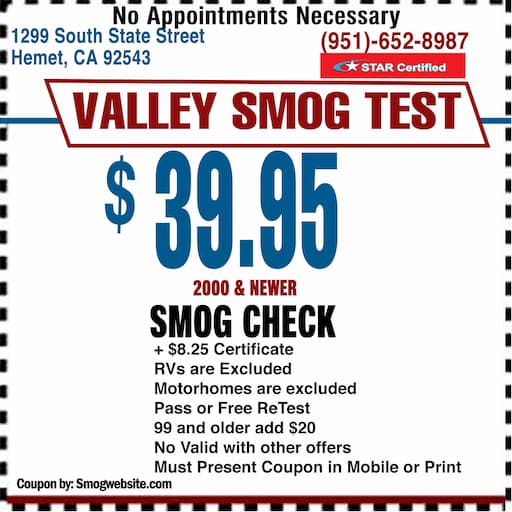
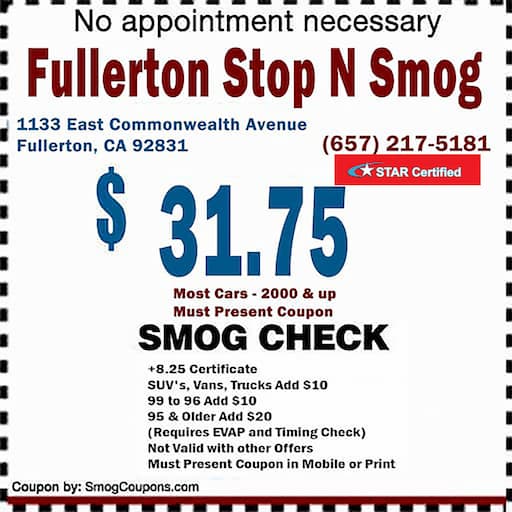
On average, a basic smog check for most passenger vehicles typically ranges from $30 to $60. This fee primarily covers the cost of the inspection itself, including labor, equipment usage, and the submission of results to the DMV. It’s important to note that this is a general range, and prices can fall outside these figures. Many stations advertise competitive rates, and it’s always advisable to call ahead or check online for current pricing.
Additional Fees and Variables
While the core fee is straightforward, several factors can add to the total cost:
- Certificate Fee: Regardless of the inspection cost, there is a mandatory state-mandated smog certificate fee, currently around $8.25. This fee is charged only if your vehicle passes the inspection and is necessary for your registration. It’s often added as a separate line item or may be implicitly included in an advertised “total price.”
- STAR Station Requirement: If your vehicle requires a smog check at a STAR Station, the cost might be slightly higher, often ranging from $40 to $70 or more, plus the certificate fee. This is due to the enhanced oversight and performance standards required of these facilities.
- EVAP Test: Some older vehicles (pre-1996 model year, generally) may also require an Enhanced Vapor Recovery (EVAP) test, which checks for fuel system leaks. This additional test can add $10 to $20 to the total cost. Newer vehicles typically have self-diagnostic systems that negate the need for a separate EVAP test.
- Retest Fees: If your vehicle fails the initial smog check, you will need to get repairs and then have it retested. Some stations offer a free retest within a certain timeframe (e.g., 30 days) if they also performed the initial inspection and repairs. However, if you take it to a different station or exceed the timeframe, a retest will likely incur another fee, though often at a reduced rate compared to the full initial test.
Geographic Variations in Pricing
The cost of living in California varies significantly across regions, and smog check prices are no exception. Stations in densely populated urban areas, particularly in Enhanced Areas like Los Angeles or the San Francisco Bay Area, might charge slightly more due to higher operational costs. Conversely, stations in more rural or Basic Areas may offer slightly lower prices. It’s always prudent to compare prices from a few local stations to find the most competitive rate.
Finding a Reputable Smog Test Station
For a stress-free and accurate smog check, choosing a reliable station is paramount. This decision impacts not just the immediate cost, but potentially the need for repairs and subsequent retests, making it a key lifestyle decision for your vehicle’s longevity and your peace of mind.
State-Licensed Facilities
Ensure the station you choose is licensed by the Bureau of Automotive Repair. All legitimate smog check stations will prominently display their BAR license. You can also verify a station’s license status and whether it’s a STAR Station using the BAR’s online search tool, which provides a comprehensive list of approved facilities.
Online Tools and Resources
The BAR website is an invaluable resource for finding approved smog check stations in your vicinity. Simply inputting your zip code will yield a list of nearby Test-Only Stations, Test-and-Repair Stations, and STAR Stations, often including contact information. Online reviews on platforms like Google Maps, Yelp, or specific automotive forums can also provide insights into customer experiences and pricing trends at various locations.
Tips for a Smooth Smog Check Experience
- Warm Up Your Vehicle: Driving your vehicle for at least 15-20 minutes before the test ensures the engine is at optimal operating temperature, which can help catalytic converters function more efficiently and potentially improve emissions readings.
- Check Engine Light: If your “Check Engine” light is on, your vehicle will automatically fail the smog check. Address any underlying issues and ensure the light is off before your appointment.
- Maintenance: Regular oil changes, proper tire inflation, and routine engine maintenance can significantly contribute to a vehicle passing its smog check. A well-maintained vehicle is less likely to produce excessive emissions.
- Bring Documentation: While not always strictly necessary, having your previous smog certificate or vehicle registration handy can be helpful.
Budgeting for Vehicle Maintenance in California’s Lifestyle
Integrating smog check costs into your personal or family budget is a crucial component of financial foresight when living in California. Beyond the inspection itself, the potential for necessary repairs should also be accounted for.
Integrating Smog Test Costs into Your Annual Budget
For most vehicles, a smog check is required every two years. This means budgeting approximately $30-$70 (plus the $8.25 certificate fee) every other year. While this might seem like a small amount annually, it’s a recurring expense that needs to be factored into your long-term vehicle ownership costs. For those with multiple vehicles, these costs can add up. Setting aside a small amount monthly or semi-annually can prevent this expense from becoming an unexpected burden.
Potential Repair Costs and Financial Planning
The real financial impact of a smog check often comes not from the test itself, but from potential repairs if the vehicle fails. Common reasons for failure include faulty oxygen sensors, worn catalytic converters, evaporative emission control system issues, or ignition system problems. These repairs can range from a few hundred dollars to over a thousand, depending on the complexity and parts needed.
California offers some financial assistance programs, such as the Consumer Assistance Program (CAP), which can help eligible low-income motorists with repair costs or even provide a vehicle retirement incentive. However, relying on such programs isn’t a long-term strategy. Proactive vehicle maintenance is the best defense against expensive emission-related failures.
Exemptions and Alternatives
The cost and hassle of smog checks are entirely circumvented by certain vehicle types. Battery Electric Vehicles (BEVs), such as a Tesla or Chevy Bolt, produce zero tailpipe emissions and are exempt. Similarly, Hydrogen Fuel Cell Vehicles are exempt. Hybrid Electric Vehicles (HEVs) currently have an exemption for the most recent eight model years, similar to new gasoline vehicles. For those prioritizing a specific lifestyle that avoids traditional fuel vehicles and their associated inspections, opting for an electric or hydrogen vehicle is a viable alternative, though they come with their own distinct upfront costs and charging infrastructure considerations.
The Broader Impact on California Living
Beyond the immediate financial implications, participating in the smog check program reflects a broader commitment to the California way of life, emphasizing environmental responsibility and adherence to community standards.
Environmental Responsibility and Community Well-being
The smog check program underscores California’s dedication to public health and ecological preservation. By ensuring that vehicles on the road meet emissions standards, every driver contributes to cleaner air, which is vital for the state’s diverse ecosystems and its residents’ quality of life. This collective effort is a fundamental aspect of responsible living in a state known for its natural beauty and environmental consciousness.

Avoiding Penalties and Registration Holds
Failure to comply with smog check requirements has tangible consequences. The DMV will place a hold on your vehicle’s registration renewal, preventing you from legally operating your vehicle. This can lead to citations, fines, and even impoundment. For anyone whose lifestyle depends on reliable transportation, avoiding these penalties is crucial. Planning ahead for smog checks ensures uninterrupted mobility and compliance with state law, allowing you to fully enjoy the rich tapestry of experiences California offers.
LifeOutOfTheBox is a participant in the Amazon Services LLC Associates Program, an affiliate advertising program designed to provide a means for sites to earn advertising fees by advertising and linking to Amazon.com. Amazon, the Amazon logo, AmazonSupply, and the AmazonSupply logo are trademarks of Amazon.com, Inc. or its affiliates. As an Amazon Associate we earn affiliate commissions from qualifying purchases.