
For anyone planning an extended stay, embarking on a new life chapter, or simply managing the practicalities of vehicle ownership in the vibrant Golden State, understanding the operating hours of the California Department of Motor Vehicles (DMV) is crucial. While California beckons with its iconic landmarks, breathtaking natural beauty, and diverse cultural experiences, administrative tasks like renewing a driver’s license or registering a vehicle are an unavoidable part of life and travel, especially for those settling in for the long haul. The question, “Is California DMV open on Saturday?” is a common one, particularly for individuals with busy weekday schedules, and the answer involves a bit more nuance than a simple yes or no. This comprehensive guide aims to demystify the DMV weekend schedule, explore essential services relevant to newcomers and long-term visitors, and offer strategies to make your DMV experience as smooth as possible, ensuring it doesn’t detract from your enjoyment of all California has to offer.
The Weekend DMV Schedule: What You Need to Know
Navigating government services, especially when you’re new to a region or balancing a demanding schedule, can often feel like a puzzle. The California DMV is a vital agency for residents and those establishing a long-term presence, offering services ranging from driver’s licenses and vehicle registrations to identification cards. Understanding their operating hours, particularly on weekends, is paramount for efficient planning.
General Saturday Opening Hours and Branch Variations
Historically, most California DMV field offices operated primarily on weekdays. However, in response to growing demand and to better serve the public, a select number of DMV offices across the state now offer Saturday hours. It’s important to emphasize that not all DMV locations are open on Saturdays. Typically, these Saturday-operating offices run on a modified schedule, often from 8:00 AM to 5:00 PM, though specific times can vary.
The decision to open on Saturdays is usually made for high-volume offices in major metropolitan areas such as Los Angeles, San Francisco, San Diego, and Sacramento. These locations are strategically chosen to accommodate the largest populations and address the greatest need for weekend access. For instance, a traveler temporarily residing in Hollywood might find a nearby Los Angeles area DMV office open, while someone in a more rural part of the state might be out of luck.
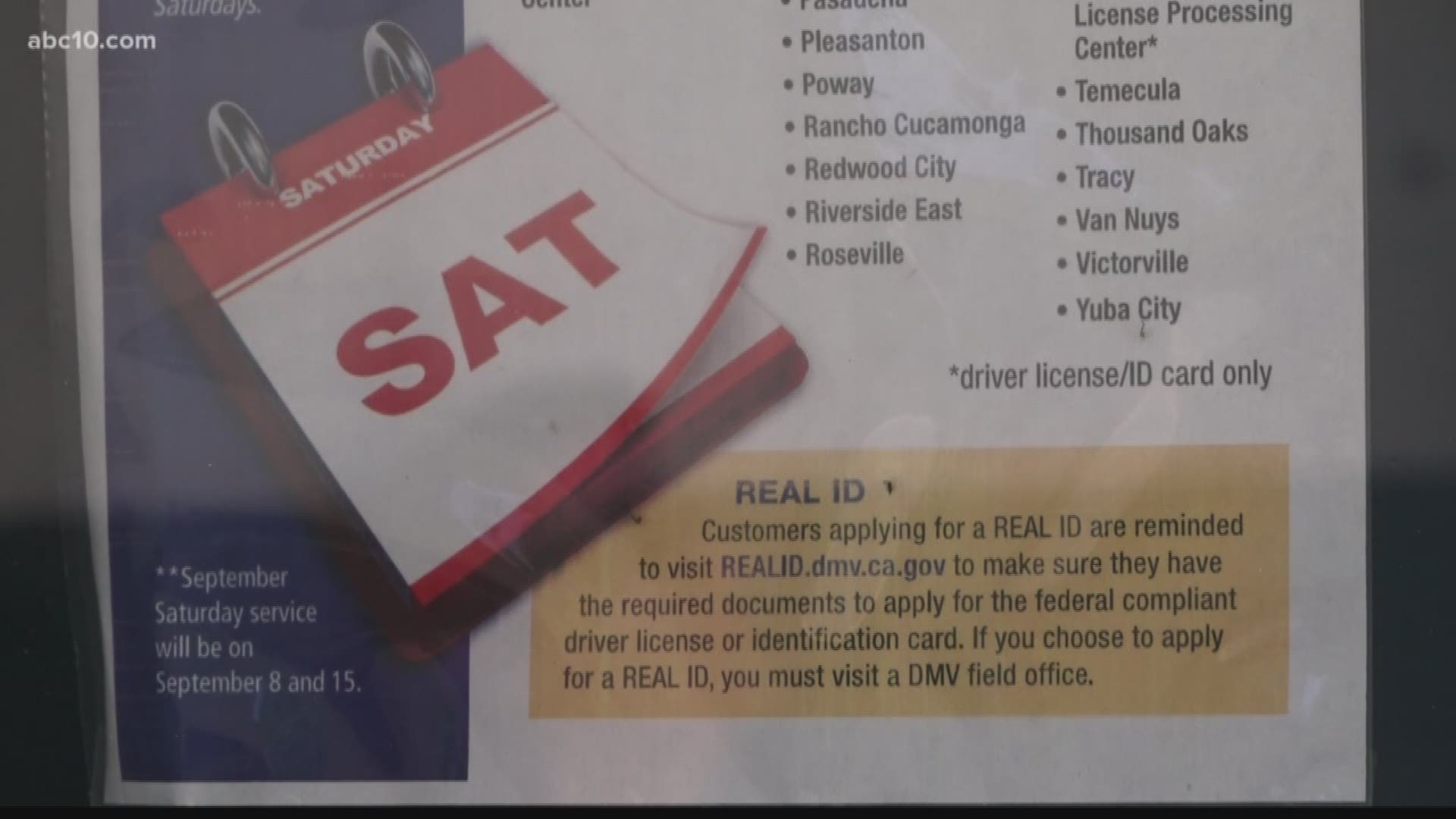
To ascertain if a specific DMV office is open on Saturday, the most reliable method is to check the official California DMV website using their “Office Locations” tool. This resource provides up-to-date information on hours of operation, available services, and contact details for each branch. It is highly recommended to verify the hours of your preferred office before making any travel plans, especially if you’re coming from a distance or planning your itinerary around other California attractions or commitments.
Planning Your Visit: Appointments vs. Walk-ins
Visiting the DMV often conjures images of long lines and extensive wait times. While the agency has made significant strides in improving efficiency, strategic planning remains key to a smooth experience, particularly on Saturdays when demand can be high.
Appointments are strongly encouraged, and in many cases, essential. The California DMV prioritizes customers with appointments, leading to significantly shorter wait times. For services that can be scheduled – such as driver’s license applications, written tests, and vehicle registration transactions – booking an appointment online well in advance is the most effective way to guarantee service and minimize delays. Weekend appointments, understandably, tend to fill up quickly due to their convenience for many individuals. It’s advisable to check for available slots several weeks out, especially if you have a specific Saturday in mind.
Walk-ins are generally accommodated, but often face longer queues and there’s no guarantee of being served, particularly if the office reaches capacity before closing. Some services, like obtaining a REAL ID or taking a driving test, almost always require an appointment. If you opt for a walk-in visit on a Saturday, arrive as early as possible – ideally before the doors even open – to maximize your chances of being served promptly. Consider bringing something to keep yourself entertained, like a good book or music, as waits can sometimes be unpredictable.
DMV Services for California Newcomers and Long-Term Visitors
For individuals relocating to California or planning an extended stay that moves beyond typical tourism, interacting with the DMV becomes a necessary part of establishing a new lifestyle. Whether you’re here for work in Silicon Valley, studying at one of the state’s renowned universities, or simply seeking a longer-term retreat, understanding how to navigate essential DMV services is paramount.
Obtaining a California Driver’s License or ID
If you’re establishing residency in California, you generally have a limited time (typically 10 days) to apply for a California driver’s license after becoming a resident. This applies even if you possess a valid driver’s license from another U.S. state or territory, or from a foreign country. While many visitors enjoy the convenience of car rentals for exploring destinations like the Pacific Coast Highway or Yosemite National Park, a California license becomes essential for longer-term driving and can serve as a primary form of identification.
The process typically involves:
- Filling out an online application: This saves time at the office.
- Scheduling an appointment: Crucial for most offices, especially on Saturdays.
- Providing proof of identity, residency, and social security number: A comprehensive list of acceptable documents is available on the DMV website.
- Passing a written knowledge test: Even if you have an out-of-state license, a written test is usually required.
- Passing a vision test.
- Taking a photograph and providing a thumbprint.

For those without a need to drive but requiring a valid state identification, the California Identification (ID) Card is an excellent option. The application process is similar to that of a driver’s license, minus the driving tests, making it a convenient solution for non-drivers who still need official state-issued identification for various purposes.
Vehicle Registration for Relocation and Extended Stays
Bringing a vehicle into California from another state or country, or purchasing one locally, necessitates proper registration with the DMV. New residents are generally required to register their vehicles within 20 days of establishing residency. This process is critical not just for legal compliance but also for insurance purposes and to avoid potential fines.
Key steps for vehicle registration often include:
- Smog Inspection: Most vehicles require a smog check certification, particularly those previously registered outside of California. There are exceptions for newer vehicles or those from specific counties.
- Proof of Ownership: Providing your vehicle’s title or registration from your previous state/country.
- Proof of Insurance: California mandates minimum liability insurance coverage.
- Odometer Reading: Required for most vehicles.
- Fees: Various registration fees apply, which can be calculated using online tools.
If you’re purchasing a vehicle within California, whether new or used, the dealership typically handles the initial registration. However, if you purchase from a private party, you will be responsible for transferring the title and registering the vehicle yourself. Some Saturday DMV offices can assist with these transactions, providing a crucial window for busy individuals to complete these administrative tasks.
REAL ID: Enhancing Your Travel Experience
The REAL ID Act, enacted by the United States Congress, requires federal agencies to accept state-issued driver’s licenses and identification cards only from states that meet certain security standards. For travelers, this means that a REAL ID compliant driver’s license or ID card (identifiable by a star symbol) will be required for domestic air travel within the United States and to access certain federal facilities, like military bases.
While standard California driver’s licenses and ID cards remain valid for driving, voting, and age verification, upgrading to a REAL ID is highly recommended for anyone planning domestic flights from major hubs like Los Angeles International Airport or San Francisco International Airport, or accessing other federal buildings. The application for a REAL ID requires presenting more extensive documentation – typically including proof of identity, social security number, and two proofs of California residency – and must be completed in person. Saturday DMV hours offer a valuable opportunity to complete this essential upgrade without disrupting your weekday commitments, ensuring seamless future travel experiences across the United States.

Beyond the Branch: Online and Alternative DMV Options
While the question of Saturday hours is important, it’s equally vital to recognize that the modern DMV experience extends far beyond the physical office. Leveraging online tools and alternative service channels can significantly reduce the need for an in-person visit, saving you time and streamlining your administrative tasks. For travelers and those integrating into the California lifestyle, these options are invaluable for managing vehicle and identity needs efficiently.
Harnessing the Power of the DMV Website
The official California DMV website (dmv.ca.gov) is an indispensable resource. It offers a surprisingly extensive array of services that can be completed from the comfort of your home, hotel, or even during a quiet moment while exploring a new city. For many routine transactions, an office visit, even on a Saturday, can be entirely avoided.
Online services commonly available include:
- Vehicle Registration Renewals: One of the most frequently used online services, allowing you to renew your registration and receive your new tags by mail.
- Driver’s License Renewals (if eligible): Certain driver’s licenses can be renewed online, particularly if you’re not due for an in-person photo or test.
- Change of Address: Update your mailing address for your driver’s license and vehicle registration.
- Requesting Driving Records: Obtain an official copy of your driving history.
- Making Appointments: As mentioned, this is crucial for any in-person visits.
- Forms and Publications: Access all necessary forms and comprehensive guides for various transactions.
- Calculators: Estimate registration fees or taxes.
- Practice Tests: Prepare for your written driver’s license test.
Before planning any DMV visit, it’s always prudent to check the website first to see if your specific transaction can be completed online. This proactive approach can save hours of waiting and is especially convenient for those managing travel itineraries or busy work schedules in cities like San Francisco or San Diego.
Third-Party Providers and DMV Kiosks
Beyond the official website, California also offers other convenient avenues for certain DMV transactions. These alternatives can be particularly beneficial for those who find Saturday DMV hours still inconvenient or prefer to avoid the potential crowds.
DMV Now Kiosks: These self-service kiosks are strategically located in various public places, including grocery stores, retail outlets, and even some DMV field offices. They allow you to complete common transactions quickly and efficiently, such as:
- Vehicle registration renewals.
- Printing a temporary registration card.
- Submitting proof of insurance.
- Requesting driver records.
Kiosks are available during the operating hours of their host locations, which often include weekends and extended evening hours, providing a flexible alternative to an in-person DMV visit. This flexibility is a boon for anyone trying to fit administrative tasks into a packed travel or lifestyle schedule.
Third-Party Registration Services: In California, there are also licensed third-party businesses that can process certain vehicle registration services for a fee. These “registration services” or “auto clubs” can handle renewals, transfers, and other common transactions, often with minimal wait times. While they charge a convenience fee, their extended hours and efficient service can be a valuable trade-off for busy professionals, long-term visitors, or families juggling various commitments in the state. Always ensure that any third-party provider you use is licensed by the DMV to ensure the legitimacy and security of your transactions.
Optimizing Your California Experience: Tips for DMV Success
Successfully navigating the California DMV system, whether you’re a new resident or a long-term visitor, is all about preparation and strategy. By taking a few proactive steps, you can significantly reduce stress and ensure your administrative tasks are completed efficiently, freeing you up to enjoy the myriad experiences California has to offer, from exploring Disneyland Resort to savoring the culinary delights of Napa Valley.
Essential Documents and Preparation
The single most common reason for a delayed or unsuccessful DMV visit is incomplete or incorrect documentation. Before you even consider stepping foot into a DMV office, especially on a precious Saturday, dedicate time to gather all required paperwork.
The DMV website provides comprehensive checklists for nearly every transaction, from obtaining a REAL ID to registering a vehicle. Print these checklists and meticulously cross-reference your documents. For a REAL ID, for example, you’ll need:
- Proof of identity (e.g., U.S. birth certificate, valid U.S. passport, foreign passport with valid U.S. visa and I-94 form).
- Proof of Social Security number (e.g., Social Security card, W-2 form, pay stub with full SSN).
- Two proofs of California residency (e.g., utility bill, rental agreement, mortgage statement, bank statement).
For vehicle registration, you might need:
- Out-of-state title and registration.
- Smog certificate (if applicable).
- Proof of California insurance.
- Odometer disclosure statement.
Ensure all documents are originals or certified copies as required; photocopies are generally not accepted for primary identification. Double-check expiration dates on any current licenses or identification. Being fully prepared will not only expedite your visit but also prevent the frustration of needing to return another day, potentially wasting another Saturday.
Timing Your Visit and Avoiding Peak Hours
Even with an appointment, the timing of your DMV visit can significantly impact your overall experience. If you must go in person, especially on a Saturday, strategic timing can make a world of difference.
- Early Bird Gets the Worm: Arriving at the office before it opens, even with an appointment, can help you get processed faster. This is particularly true for walk-ins on Saturdays, as early arrivals typically constitute the first wave of customers.
- Mid-Week, Mid-Morning: If you have any flexibility, a weekday visit (Tuesday, Wednesday, or Thursday) during the mid-morning (after the initial rush but before the lunch crowd) often yields the shortest wait times.
- Avoid Lunchtime and End of Day: The hours around noon and just before closing are universally busy. Staff breaks can reduce the number of open windows, and everyone rushes to get in before the doors shut.
- Holiday Season and Post-Holiday Rush: The weeks surrounding major holidays (e.g., Christmas, New Year’s, Thanksgiving) and the first few days of the month often see increased foot traffic. If possible, plan your visit outside these peak times.
For those planning an adventurous road trip across California, a family vacation to Disneyland Resort, or even a business trip with extended stays, successfully managing your DMV obligations efficiently means less time in line and more time enjoying the unparalleled lifestyle and travel opportunities that the Golden State offers. By understanding the Saturday hours, leveraging online tools, and preparing meticulously, you can ensure that your DMV experience is a minor footnote in your grand California adventure.
LifeOutOfTheBox is a participant in the Amazon Services LLC Associates Program, an affiliate advertising program designed to provide a means for sites to earn advertising fees by advertising and linking to Amazon.com. Amazon, the Amazon logo, AmazonSupply, and the AmazonSupply logo are trademarks of Amazon.com, Inc. or its affiliates. As an Amazon Associate we earn affiliate commissions from qualifying purchases.