
Understanding the costs and implications of obtaining a Real ID in California is a crucial step for any traveler planning domestic air trips or needing access to secure federal facilities. While the base fee for a Real ID might seem straightforward, the true cost extends beyond mere dollars, encompassing time, preparation, and the peace of mind it offers for seamless travel experiences across the United States. This comprehensive guide delves into the financial specifics, the application journey, and the undeniable value of having this essential document for modern-day travel within the Golden State and beyond. Navigating the requirements of the Department of Homeland Security can seem daunting, but armed with the right information, travelers can ensure their documentation is compliant and their journeys remain uninterrupted.
Understanding the Real ID Mandate for Travelers
The Real ID Act, passed by Congress in 2005, established minimum security standards for state-issued driver’s licenses and identification cards and prohibits federal agencies from accepting for certain purposes driver’s licenses and identification cards from states that do not meet these standards. For travelers, this primarily impacts domestic air travel. Since the enforcement date on May 7, 2025, every traveler 18 years of age or older will need a Real ID compliant driver’s license or identification card, or another acceptable form of identification such as a passport or military ID, to fly within the United States.
What is Real ID and Why is it Important for Travel?
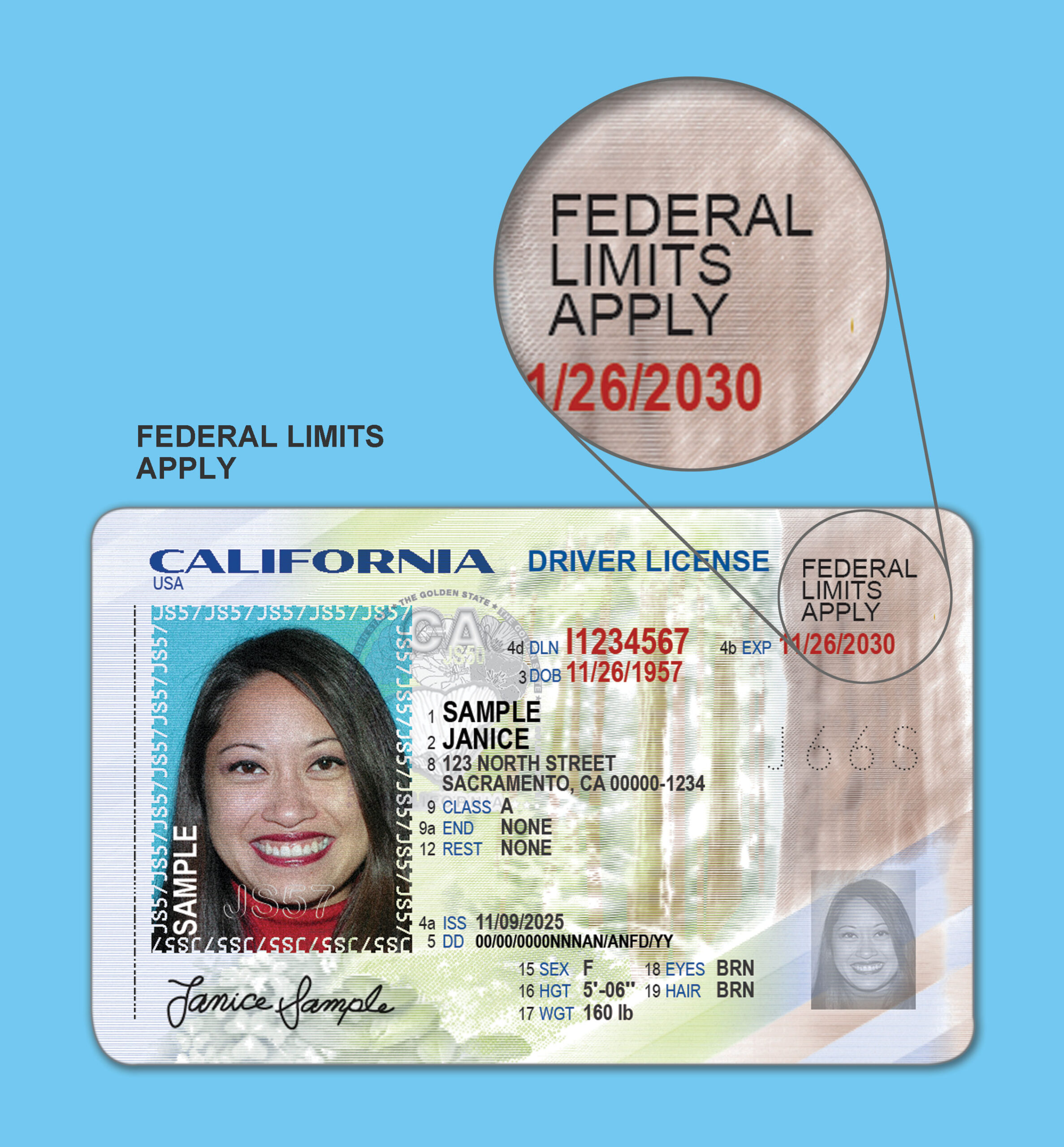
A Real ID is a federally compliant state-issued driver’s license or identification card that has undergone a more rigorous application process, verifying the applicant’s true identity, date of birth, Social Security number, and two proofs of residency. For travelers, its importance cannot be overstated. Without a Real ID or an alternative acceptable form of identification (like a U.S. passport or passport card), individuals will not be permitted to pass through Transportation Security Administration (TSA) checkpoints at airports for domestic flights. This mandate fundamentally shifts the landscape of domestic air travel, making proper identification a non-negotiable part of your pre-flight checklist. The star symbol, typically found in the upper right corner of your California driver’s license or ID card, signifies its Real ID compliance, offering peace of mind at airport security.
The Impending Deadline and Its Impact on Californian Travelers
While the initial enforcement deadline for the Real ID Act has been postponed several times, the current and definitive date is set for May 7, 2025. This means that as of this date, all individuals planning to board a federally regulated commercial aircraft will need a Real ID compliant identification. For California residents, this means planning ahead to ensure your identification meets the federal standards. Procrastination could lead to missed flights and disrupted travel plans, especially given the potential wait times at California Department of Motor Vehicles (DMV) offices. The impact on Californian travelers is significant: without the proper documentation, even a short hop to Las Vegas or San Francisco could become impossible via air. Therefore, securing a Real ID should be a priority for anyone who travels domestically by air, ensuring uninterrupted mobility and adherence to federal security regulations.
The Financial Aspect: Cost of a Real ID in California
When considering the “how much” of a Real ID in California, it’s important to distinguish between the direct fees charged by the DMV and the indirect costs associated with the application process. The state of California does not levy an additional charge specifically for the Real ID designation itself. Instead, the cost is tied to the standard fees for obtaining or renewing a driver’s license or an identification card.
Initial Application Fees and Renewal Costs
As of the current fee schedule, the cost for an original or renewal Class C driver’s license in California is $41. For an original or renewal identification card, the fee is $36. These are the fees you will pay whether you are applying for a standard license/ID or a Real ID compliant version. The key difference in cost isn’t in the fee amount, but in the requirements for documentation and the necessity of an in-person visit to the DMV. While a standard renewal might sometimes be processed online or by mail, a Real ID always requires an initial in-person application at a DMV office to verify your documents. Therefore, the direct financial cost is quite transparent and aligns with existing licensing fees, making it an accessible option for most residents.
Potential Hidden Costs
Beyond the direct DMV fees, there can be several “hidden costs” associated with obtaining a Real ID. These primarily revolve around the effort and resources required to gather the necessary documentation. For instance, if you need to order certified copies of birth certificates or marriage licenses, there will be fees charged by the respective government agencies (e.g., county clerk’s office or vital records office). These fees can range from $10 to $30 or more per document. Additionally, proof of residency documents might require printing or obtaining official statements. The time spent gathering these documents, making an appointment, and visiting the DMV office represents an opportunity cost – time that could be spent elsewhere, potentially impacting work or personal engagements. For some, transportation costs to and from the DMV or fees for professional document services might also factor into the overall expense.
Comparing Real ID Costs with Standard Driver’s Licenses/IDs
In California, there is no additional monetary cost to convert your standard driver’s license or ID card to a Real ID compliant version, beyond the standard application or renewal fees. The fees for both are identical: $41 for a driver’s license and $36 for an ID card. The principal difference lies in the application process, which for a Real ID requires more stringent documentation and an mandatory in-person visit to the DMV. This enhanced verification process ensures the higher security standards mandated by federal law. Essentially, for the same price, you receive a credential that offers broader utility for travel and access to federal facilities, making the Real ID a more valuable choice for travelers compared to a non-compliant standard license.
The Application Process: A Traveler’s Guide
Obtaining a Real ID in California involves a structured application process designed to verify your identity thoroughly. For travelers, understanding this process is key to a smooth and efficient experience, minimizing delays and ensuring you have the necessary documentation for your next flight.
Essential Documents Required for Application
The California DMV requires several key documents to process a Real ID application. These are categorized as follows:
- Proof of Identity: This is typically an original or certified copy of a U.S. birth certificate, a valid U.S. passport or passport card, or a foreign passport with a valid U.S. visa and I-94 form. This document establishes who you are.
- Proof of Social Security Number (SSN): Your Social Security card, a W-2 form, or a pay stub with your full SSN are acceptable. This verifies your SSN.
- Proof of Residency (Two Different Documents): You need two different documents showing your name and California mailing address. Examples include utility bills, mortgage statements, rental agreements, bank statements, or vehicle registration. These confirm you are a resident of California.
- Proof of Name Change (if applicable): If your current name differs from the name on your birth certificate or identity document (e.g., due to marriage, divorce, or court order), you must provide original or certified legal documents showing the name change links.
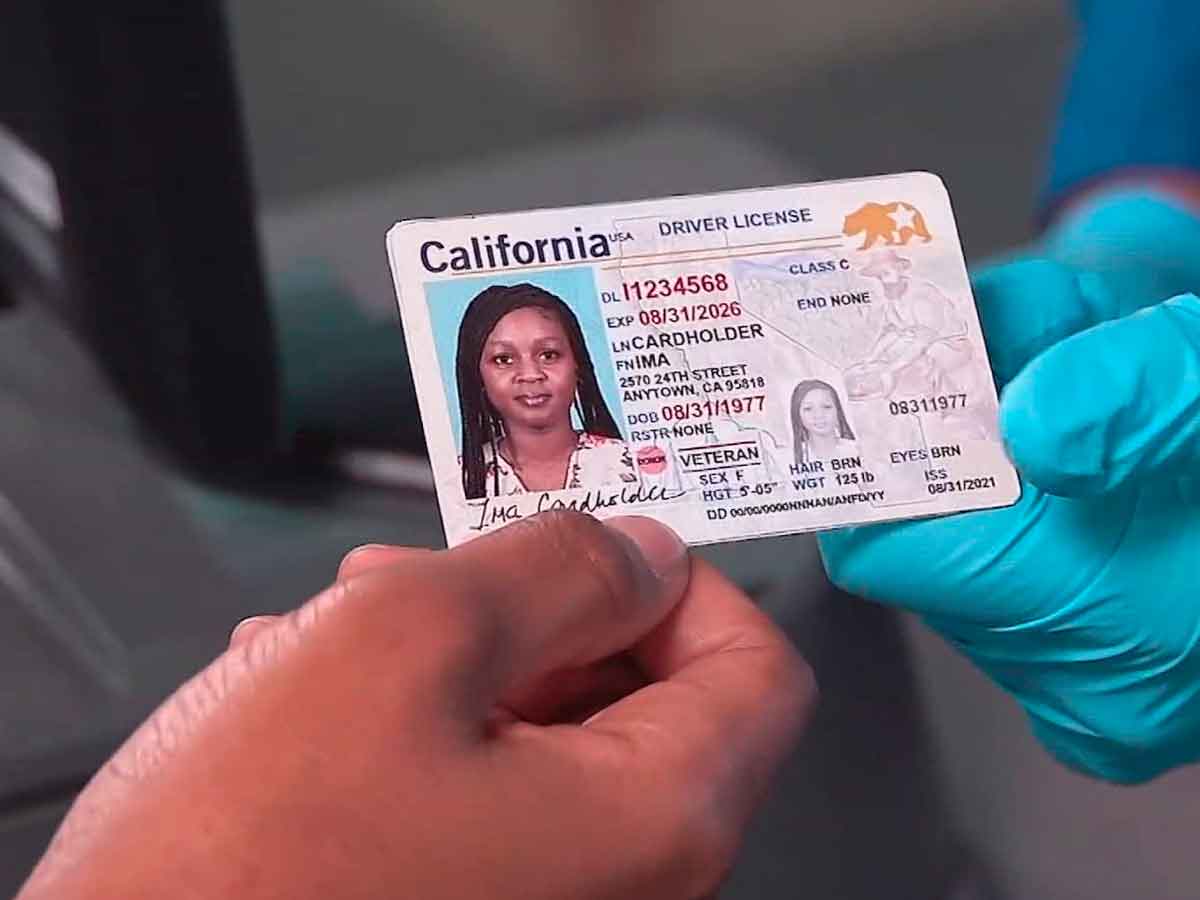
It’s crucial to bring original documents (or certified copies) as photocopies are generally not accepted. This meticulous documentation process is what distinguishes the Real ID from a standard license and ensures its federal compliance.
Step-by-Step Application Process at the California DMV
The application process for a Real ID in California is straightforward if you’re prepared:
- Complete the Online Application: Start by filling out the online Real ID application form on the California DMV website. This saves time at the office, as it pre-populates some of your information and provides a confirmation code.
- Gather Your Documents: Based on the requirements listed above, collect all necessary original or certified copies of identity, SSN, and residency documents. Double-check everything before your visit.
- Schedule an Appointment: Due to high demand, it’s highly recommended to make an appointment at your local DMV office. Walk-ins are accepted but often involve significant wait times.
- Visit the DMV: On the day of your appointment, bring all your original documents, your online application confirmation code, and the applicable fee. You will present your documents, have your photo taken, and complete any remaining forms. A temporary paper license or ID will be issued on the spot, with the permanent card mailed to you within a few weeks.
Expediting the Process: Tips for Busy Travelers
For busy travelers, efficiency is key. Here are some tips to expedite your Real ID application:
- Use the Online Application: Completing the application online beforehand significantly reduces processing time at the DMV.
- Verify Documents Meticulously: Ensure all your documents are original or certified copies and that they accurately reflect your current name and address. A single missing or incorrect document can lead to a rejected application and a wasted trip.
- Schedule an Early Appointment: Aim for the first appointment of the day or shortly after opening to avoid peak crowds.
- Check Branch Wait Times: Some DMV offices might have shorter wait times than others. Check the DMV website for current estimated wait times at various locations.
- Consider a Passport as Backup: If the Real ID deadline is looming and you’re traveling soon, remember that a valid U.S. passport or passport card is an acceptable alternative for domestic air travel, potentially offering a quicker solution if you already possess one.
Beyond the Cost: The Value of Real ID for Seamless Travel
While the direct and indirect costs of obtaining a Real ID are certainly a consideration, the true value for travelers extends far beyond the monetary investment. It translates into convenience, security, and peace of mind, making it an invaluable asset for anyone regularly traversing the skies or requiring access to federal facilities.
Domestic Air Travel Without Hassle
The primary benefit of a Real ID for most individuals is ensuring seamless domestic air travel. Once the federal enforcement date of May 7, 2025, arrives, a Real ID compliant driver’s license or state ID card will be a mandatory form of identification for passing through TSA checkpoints. Without it, travelers face the prospect of being denied boarding, even if they have a confirmed ticket. Having a Real ID eliminates this concern, allowing for quicker passage through security and reducing travel-related stress. It means no more worrying about whether your older license will be accepted, offering a consistent and recognized form of identification across all U.S. airports. This reliability makes the small investment in time and effort a worthwhile trade-off for hassle-free journeys, whether you’re flying for business or leisure.
Access to Federal Facilities
Beyond air travel, a Real ID compliant card is also required for entry into certain federal facilities, such as military bases, federal courthouses, and other restricted federal buildings. While this may not be a frequent need for every traveler, it adds another layer of utility to the Real ID. For those whose travel itineraries might include visits to such locations, or for individuals with family members in the military, having a Real ID ensures unhindered access without needing to carry a passport or other specialized identification. This broader acceptance of the Real ID underscores its comprehensive federal compliance, making it a versatile document for various identification needs within the United States.
Long-Term Convenience and Peace of Mind for Frequent Travelers
For frequent travelers, the long-term convenience and peace of mind offered by a Real ID are perhaps its most significant benefits. Once obtained, it serves as a reliable, federally recognized identification for years, aligning with the standard validity period of a California driver’s license or ID card. This means fewer worries about future changes in identification requirements for domestic travel and less need to carry multiple forms of ID. Knowing that your primary state-issued identification is fully compliant with federal regulations removes a significant potential point of stress, allowing travelers to focus on the enjoyment or purpose of their trip. The initial effort to secure a Real ID pays dividends in sustained convenience, making every future domestic air journey more predictable and less prone to unexpected documentation hurdles.
Alternatives to Real ID for Travel in California (and beyond)
While the Real ID is becoming the standard for domestic air travel, it’s not the only acceptable form of identification. Travelers have several alternatives, each with its own benefits and use cases, providing flexibility depending on their travel habits and existing documentation. Understanding these options is crucial for those who may not yet have a Real ID or prefer to use other forms of identification.
Passport or Passport Card
For many travelers, a U.S. passport or passport card is the most common and widely accepted alternative to a Real ID. A valid U.S. passport serves as federal identification and is accepted by the TSA for domestic flights, as well as for all international travel. The passport card, on the other hand, is suitable for domestic flights and land/sea travel to Canada, Mexico, the Caribbean, and Bermuda under the Western Hemisphere Travel Initiative, but not for international air travel. For frequent international travelers, using their passport for domestic flights can be a convenient default, eliminating the need for a separate Real ID. However, carrying a passport can also present a security risk if it is lost or stolen.
Other TSA-Approved Identification
The TSA accepts a range of other federal and state-issued identification documents for domestic air travel. These include:
- U.S. Military ID: Active duty or retired military IDs are readily accepted.
- Permanent Resident Card (Green Card): For non-citizens residing in the U.S., this serves as a valid ID.
- Border Crossing Card: Accepted for travel between the U.S. and Mexico.
- Tribal Enrollment Card: Federally recognized tribal IDs are acceptable.
- HSPD-12 PIV Card: Personal Identity Verification cards issued by the federal government.
- Airline or Airport Issued ID: Specific IDs for airport employees.
- State-Issued Enhanced Driver’s Licenses (EDLs): These are specifically designed for crossing land and sea borders to Canada, Mexico, and the Caribbean from certain states. However, California does not issue EDLs; its Real ID is for federal compliance, not border crossing.
Travelers should always check the official TSA website for the most current list of acceptable identification to ensure compliance before heading to the airport.

When You Don’t Need a Real ID for Travel
It’s equally important to understand when a Real ID is not required for travel, helping travelers avoid unnecessary stress or application processes. You generally do not need a Real ID for:
- Driving: A standard California driver’s license is perfectly valid for driving within the state and across state lines (e.g., to Nevada or Arizona).
- Non-Federal Identification: Using your license to verify your age, cash a check, or any other activity where federal identification is not explicitly required.
- Train, Bus, or Cruise Travel (Domestic): For most domestic travel by train, bus, or cruise ship, a standard driver’s license or state ID card is sufficient. The Real ID mandate specifically targets federally regulated commercial air travel and access to certain federal facilities.
- Children Under 18: TSA does not require children under 18 to provide identification when traveling with an adult within the U.S.. The accompanying adult, however, will need to present an acceptable form of identification.
By understanding these distinctions, travelers can make informed decisions about whether a Real ID is necessary for their specific travel plans, or if an alternative or a standard ID will suffice.
LifeOutOfTheBox is a participant in the Amazon Services LLC Associates Program, an affiliate advertising program designed to provide a means for sites to earn advertising fees by advertising and linking to Amazon.com. Amazon, the Amazon logo, AmazonSupply, and the AmazonSupply logo are trademarks of Amazon.com, Inc. or its affiliates. As an Amazon Associate we earn affiliate commissions from qualifying purchases.