
For anyone considering a long-term stay, relocation, or simply seeking to understand the true cost of living in the Golden State, understanding utility expenses like the water bill is crucial for accurate budgeting and accommodation planning. California, a state renowned for its diverse landscapes and vibrant cities, also faces unique challenges regarding water resources, which directly impact the cost of this essential utility. Navigating the nuances of water bills here requires insight into local regulations, conservation efforts, and regional variations.
Understanding California’s Water Landscape and Its Impact on Your Bill
California’s water supply is a complex tapestry woven from snowmelt, rivers, reservoirs, and groundwater, managed by a sophisticated network of state, federal, and local agencies. The state’s recurring drought cycles and increasing population place immense pressure on these resources, leading to continuous efforts in conservation and infrastructure development. These factors are not just environmental concerns; they are economic realities that shape the pricing structure of water across the state.
The Role of Water Districts and Local Governance
Unlike electricity or gas, water services in California are predominantly managed by hundreds of local water districts, municipalities, and private utility companies. This decentralized system means there isn’t a single, uniform water bill across the state. Each district, such as the Los Angeles Department of Water and Power (LADWP) in Los Angeles or the San Francisco Public Utilities Commission (SFPUC) in San Francisco, sets its own rates based on its operational costs, infrastructure needs, water sources, and local conservation mandates. For long-term residents, identifying your specific water provider is the first step in understanding your potential bill.
Drought Conditions and Conservation Mandates
California’s climate, characterized by dry summers and unpredictable rainfall, often leads to periods of drought. During these times, state and local authorities frequently implement mandatory water restrictions and surcharges for excessive usage. These measures are designed to encourage conservation but also mean that a household’s water bill can fluctuate based on broader environmental conditions. For those settling into new accommodation, being aware of current drought status and local water-use guidelines is essential for managing costs.
Key Factors Influencing Your Water Bill
Several variables contribute to the final cost of your water bill in California. Understanding these factors can help prospective residents estimate expenses and optimize their water usage.
Usage and Tiered Rate Structures
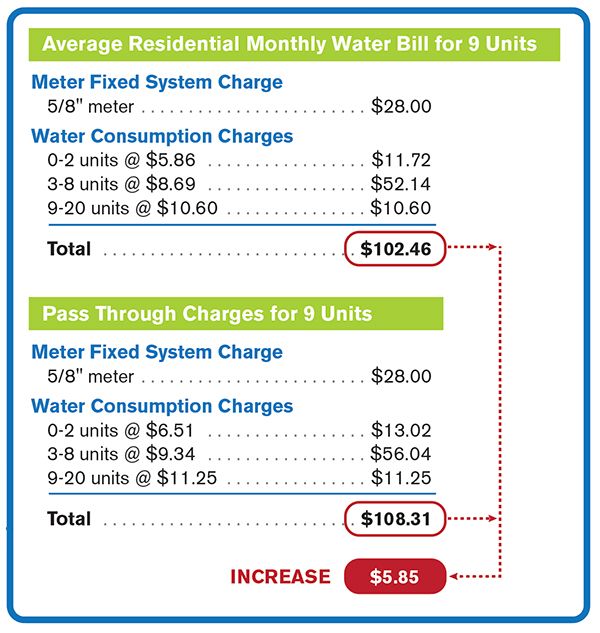
The most significant determinant of your water bill is your household’s water consumption. Most California water providers utilize a tiered rate structure, meaning the cost per unit of water increases as your usage crosses certain thresholds. The initial tiers are typically priced lower, covering essential indoor use, while higher tiers, often associated with outdoor irrigation or excessive consumption, come with a steeper price tag. This structure incentivizes conservation, especially for those with larger landscapes.
Fixed Charges vs. Volumetric Charges
A typical water bill comprises two main types of charges:
- Fixed Charges: These are recurring monthly or bi-monthly fees that cover administrative costs, infrastructure maintenance, meter reading, and access to the water system, regardless of how much water you use. These charges can vary based on meter size and property type.
- Volumetric Charges: These are usage-based fees calculated by the amount of water consumed, measured in units (e.g., hundred cubic feet, or HCF, which equals 748 gallons). This is where tiered rates come into play.
Location Within California
As previously noted, geographical location plays a crucial role. Water-scarce regions or areas with expensive water importation infrastructure (like parts of Southern California, which relies heavily on the Metropolitan Water District of Southern California to bring water from the Colorado River and Northern California through the State Water Project) generally have higher water rates than areas with abundant local supplies. Urban centers typically have more sophisticated and costly infrastructure than rural areas, which can also influence pricing.
Household Size and Property Type
Naturally, larger households tend to use more water, leading to higher volumetric charges. The type of property also matters. A single-family home with a large lawn and garden will likely have a higher water bill than an apartment or condominium, primarily due to outdoor water usage, which can account for 50-70% of residential water consumption. Accommodation with shared utility meters for multiple units might have different billing arrangements.
Average Water Bill Costs Across Key California Regions
While providing an exact statewide average is challenging due to the variability, we can offer general ranges for typical residential bills in major metropolitan areas, based on average household consumption (around 4,000-6,000 gallons per month for indoor use and potentially much more with outdoor irrigation). These figures are estimates and can fluctuate significantly based on individual usage and prevailing rates.
- Los Angeles County (LADWP): For a typical household, a combined water and sewer bill might range from $60 to $120+ per month. This can be higher with significant outdoor watering, especially during summer months. LADWP has multiple tiers and fixed charges for water and wastewater services.
- San Francisco (SFPUC): Residents in San Francisco can expect monthly bills in a similar range, often from $70 to $130+. SFPUC also employs tiered rates and fixed charges, with an emphasis on conservation.
- San Diego County: San Diego relies heavily on imported water, which can contribute to higher costs. A typical bill could be $75 to $150+ per month, with significant variations depending on the specific water district within the county (e.g., City of San Diego Utilities, Helix Water District).
- Sacramento Region: With access to relatively more local surface water, Sacramento generally sees slightly lower rates compared to coastal Southern California. Bills might range from $50 to $100+ per month for an average household.
- Central Valley and Inland Empire: Rates in these regions can vary widely, with some areas having lower costs due to local groundwater sources and others facing higher costs due to growth and infrastructure needs. Expect a range of $50 to $120+ per month.
It is crucial for anyone arranging accommodation to inquire directly with the property management or landlord about the average utility costs for that specific address, as well as which utility providers serve the location.
Decoding Your Water Bill: Components and Charges
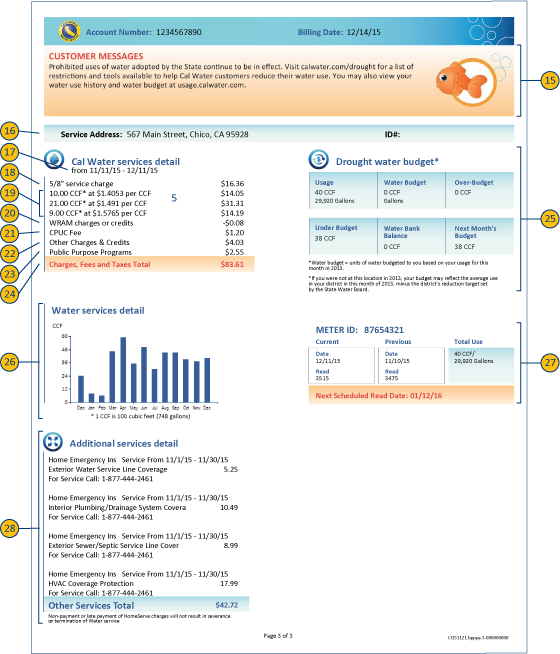
A typical California water bill isn’t just a single charge; it’s a breakdown of various services and fees. Understanding each component can help you identify areas for potential savings.
Water Service Charges
This is the core charge for the actual water consumed. It includes both fixed service charges and volumetric (usage-based) charges, often segmented by tiered rates. The fixed charge ensures the system is maintained and operational, while the volumetric charge reflects your individual consumption.
Wastewater (Sewer) Service Charges
Often appearing on the same bill as water, wastewater charges cover the cost of collecting, treating, and disposing of sewage. These are usually calculated based on your winter month water usage (as this is presumed to be mostly indoor use, not affected by outdoor watering), or sometimes as a fixed rate. Sewer charges can be a significant portion of your total bill.
Surcharges and Fees
Various surcharges might be added to your bill, including:
- Drought Surcharges: Imposed during periods of severe drought to fund conservation efforts or penalize excessive use.
- Capital Improvement Fees: Charges to fund upgrades and expansion of water infrastructure.
- Environmental Fees: To cover costs associated with environmental compliance and protection of water sources.
- Stormwater Fees: In some areas, a fee for managing stormwater runoff may also be included, especially in urban environments.
When reviewing a new accommodation option, always ask for an example of a recent water bill to get a clear picture of all the charges involved.
Strategies for Managing Water Costs in Your California Accommodation
For long-term residents, proactive water management is key to keeping utility bills reasonable, especially in California’s water-conscious environment.
Embrace Water-Efficient Habits
Simple changes in daily routines can lead to significant savings:
- Shorter Showers: Reduce shower time and install low-flow showerheads.
- Full Loads: Only run washing machines and dishwashers when they are full.
- Fix Leaks Promptly: Even a small drip can waste hundreds of gallons per month. Regularly check faucets, toilets, and irrigation systems for leaks.
- Turn Off Taps: Don’t let water run unnecessarily while brushing teeth, shaving, or washing dishes.
Optimize Outdoor Water Use
If your accommodation includes a yard or garden, outdoor watering is often the largest component of your water bill.
- Drought-Tolerant Landscaping: Consider “xeriscaping” or planting native, drought-tolerant plants that require minimal water.
- Efficient Irrigation: Install drip irrigation systems or smart controllers that adjust watering schedules based on weather and soil moisture. Water during cooler parts of the day (early morning or late evening) to minimize evaporation.
- Mulch: Apply mulch around plants to retain soil moisture and reduce the need for frequent watering.

Invest in Water-Saving Appliances and Fixtures
For homeowners or those with the ability to influence their rental property, upgrading to water-efficient appliances can yield long-term savings:
- High-Efficiency Toilets: Replace older toilets (which can use 3.5 to 7 gallons per flush) with new, high-efficiency models (1.28 gallons per flush or less).
- ENERGY STAR Appliances: Look for washing machines and dishwashers with the ENERGY STAR label, indicating high water and energy efficiency.
By understanding the unique factors at play in California and adopting smart water usage habits, residents can effectively manage their water bills and contribute to the state’s vital conservation efforts, ensuring their long-term accommodation costs remain predictable and sustainable.
LifeOutOfTheBox is a participant in the Amazon Services LLC Associates Program, an affiliate advertising program designed to provide a means for sites to earn advertising fees by advertising and linking to Amazon.com. Amazon, the Amazon logo, AmazonSupply, and the AmazonSupply logo are trademarks of Amazon.com, Inc. or its affiliates. As an Amazon Associate we earn affiliate commissions from qualifying purchases.