
Living in or contemplating a move to California often brings with it the allure of stunning landscapes, vibrant cities, and a distinct way of life. However, integrating into the California lifestyle also involves understanding certain regulatory requirements, especially concerning vehicle ownership. Among these, the smog check program stands out as a crucial element that impacts nearly every vehicle owner. This comprehensive guide delves into the specifics of California’s smog check mandates, helping you navigate the system with ease and integrate this responsibility seamlessly into your daily life.
Navigating California’s Vehicle Emissions Landscape
California has long been a trailblazer in environmental protection, and its stringent vehicle emissions regulations are a testament to this commitment. The state’s smog check program is designed to identify vehicles with excessive emissions, ensuring that they are repaired to reduce air pollution. For residents, understanding this program is not just about compliance, but also about contributing to the state’s air quality and preserving its natural beauty.
The Environmental Imperative Behind Smog Checks
The genesis of California’s smog check program lies in its unique geography and population density, which historically led to severe air quality issues, particularly in urban basins like Los Angeles and the Central Valley. Vehicle emissions contribute significantly to ground-level ozone (smog) and particulate matter, which can cause respiratory problems and other health issues. By mandating regular inspections, California aims to reduce the overall vehicle-related pollution, thereby safeguarding public health and maintaining its commitment to a cleaner environment. For residents, this means that owning a vehicle in California comes with the responsibility of ensuring it meets specific environmental standards, a key aspect of the California lifestyle.
What Constitutes a Smog Check?
A smog check is a diagnostic inspection that measures the amount of pollutants a vehicle emits. It typically involves a visual inspection of emission control components, a functional check of the On-Board Diagnostic (OBD) system (for newer vehicles), and a tailpipe emissions test (for older vehicles or those without full OBD II compliance). The goal is to ensure that your vehicle’s emission control systems are working correctly and that the vehicle is not releasing excessive pollutants into the atmosphere. This process is overseen by the Bureau of Automotive Repair (BAR), which sets the standards and licenses smog check stations across the state.
The Core Rule: Biennial Inspections and Beyond
The fundamental question for most California vehicle owners is the frequency of smog checks. While there are several specific scenarios, a primary rule applies to the majority.
The Standard Biennial Requirement
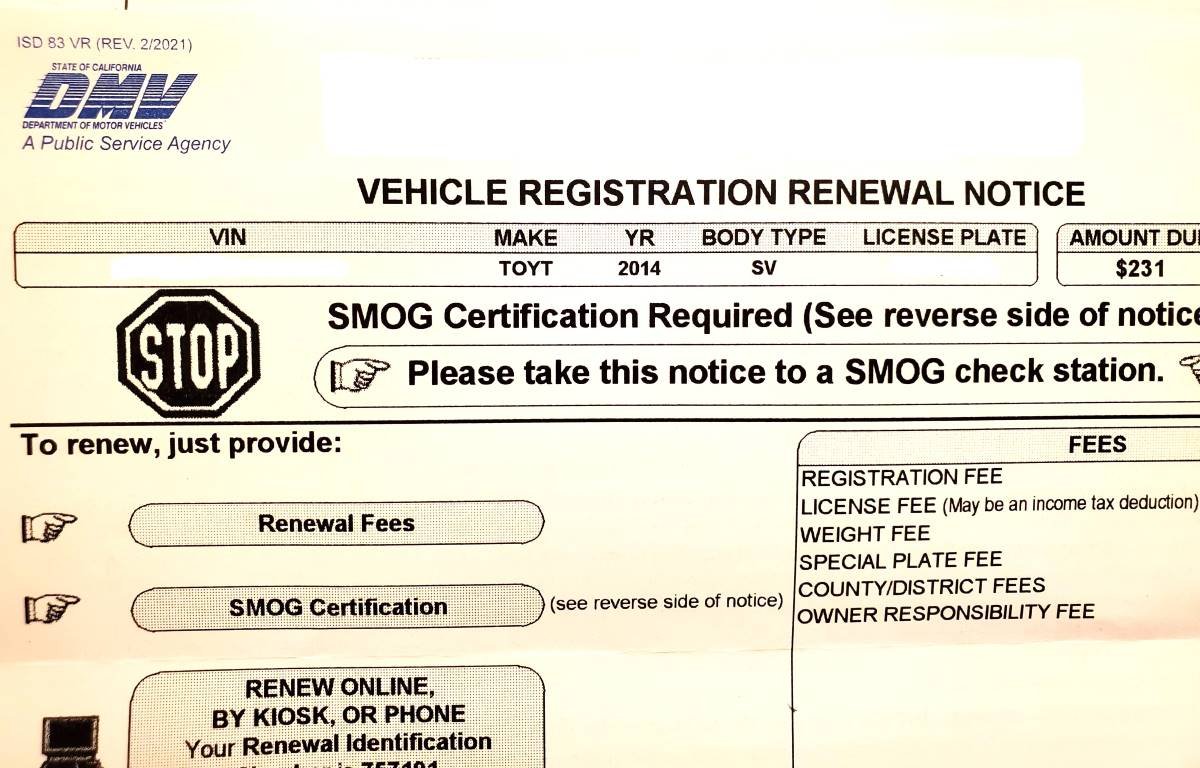
For most vehicles registered in areas designated as “enhanced” or “basic” smog check regions in California, a smog check is required every two years. This biennial inspection is typically due when you renew your vehicle’s registration with the Department of Motor Vehicles (DMV). The DMV will send you a registration renewal notice, which will indicate if a smog check is required. It’s crucial to complete the smog check and have the results electronically submitted to the DMV before your registration can be renewed. Failing to do so can result in late fees and an inability to legally drive your vehicle.
Smog Checks for Vehicle Sales and Title Transfers
Another common instance requiring a smog check is when a vehicle is bought or sold in California. When a vehicle changes ownership, the seller is generally responsible for providing the buyer with a valid smog certification before the sale is completed. This certification must be issued within 90 days of the date of sale. There are specific exceptions, such as a transfer between immediate family members, but for most private party sales, this rule applies strictly. This ensures that the buyer receives a vehicle that meets emissions standards, protecting them from inheriting a car that immediately requires costly repairs to pass a smog check. This particular requirement significantly impacts the used car market and the process of selling a car within the state, often becoming a pivotal negotiation point.
Out-of-State Vehicle Registration
If you are moving to California and bringing your vehicle with you, you will need to obtain a smog check to register it in the state. This is required even if your vehicle recently passed an emissions test in another state. The only exceptions are for vehicles that fall under one of California’s specific exemption categories (e.g., very new or very old vehicles, as discussed below). This requirement highlights California’s unique and often more stringent emissions standards compared to other states, making it an essential consideration for anyone relocating.
Understanding Exemptions and Special Circumstances
While the biennial rule applies broadly, several important exemptions and special circumstances can alter the frequency or necessity of a smog check.
Newer Vehicle Exemptions
California offers an exemption for newer vehicles. Generally, vehicles that are eight model years old or newer are exempt from the biennial smog check requirement. This means if your car is a 2024 model, it won’t need a smog check until its ninth model year (i.e., when renewing 2033 registration for a 2024 vehicle). However, it’s crucial to note that this exemption does not apply to vehicles being sold or registered for the first time in California as an out-of-state vehicle, which will still require an initial smog inspection. Additionally, a smog transfer fee may be required for certain new vehicles.
Older Vehicle Exemptions
On the other end of the spectrum, very old vehicles are also exempt. Gasoline-powered vehicles manufactured before 1976 are exempt from smog check requirements. This exemption acknowledges that older vehicles were not designed with modern emission control technologies and that requiring them to meet current standards would be impractical. This makes classic car ownership in California a unique experience, allowing enthusiasts to enjoy their vintage automobiles without the burden of regular emissions testing.
Electric, Hybrid, and Alternative Fuel Vehicles
The growing fleet of environmentally friendly vehicles enjoys significant exemptions. Battery Electric Vehicles (BEVs) and Fuel Cell Electric Vehicles (FCEVs) produce no tailpipe emissions and are therefore exempt from smog checks. Hybrid Electric Vehicles (HEVs) and Plug-in Hybrid Electric Vehicles (PHEVs) are also exempt from the biennial smog check until they are eight model years old, similar to newer gasoline vehicles. Vehicles operating exclusively on natural gas are also generally exempt. These exemptions reflect California’s efforts to promote the adoption of zero and low-emission vehicles as part of its broader environmental strategy.
Diesel Vehicles
Diesel vehicles have their own specific set of rules. Diesel vehicles that are 1998 model year and newer, with a gross vehicle weight rating (GVWR) of 14,000 pounds or less, are required to undergo a smog check biennially. However, diesel vehicles with a GVWR greater than 14,000 pounds, or those manufactured before 1998, are typically exempt from the light-duty smog check program, but may fall under other commercial vehicle inspection requirements. This distinction is important for owners of larger diesel vehicles and those engaged in commercial operations.
The Smog Check Process: A Step-by-Step Guide
Undergoing a smog check is a straightforward process once you understand the steps involved. This knowledge can save time and reduce potential stress.
Finding a Certified Smog Station
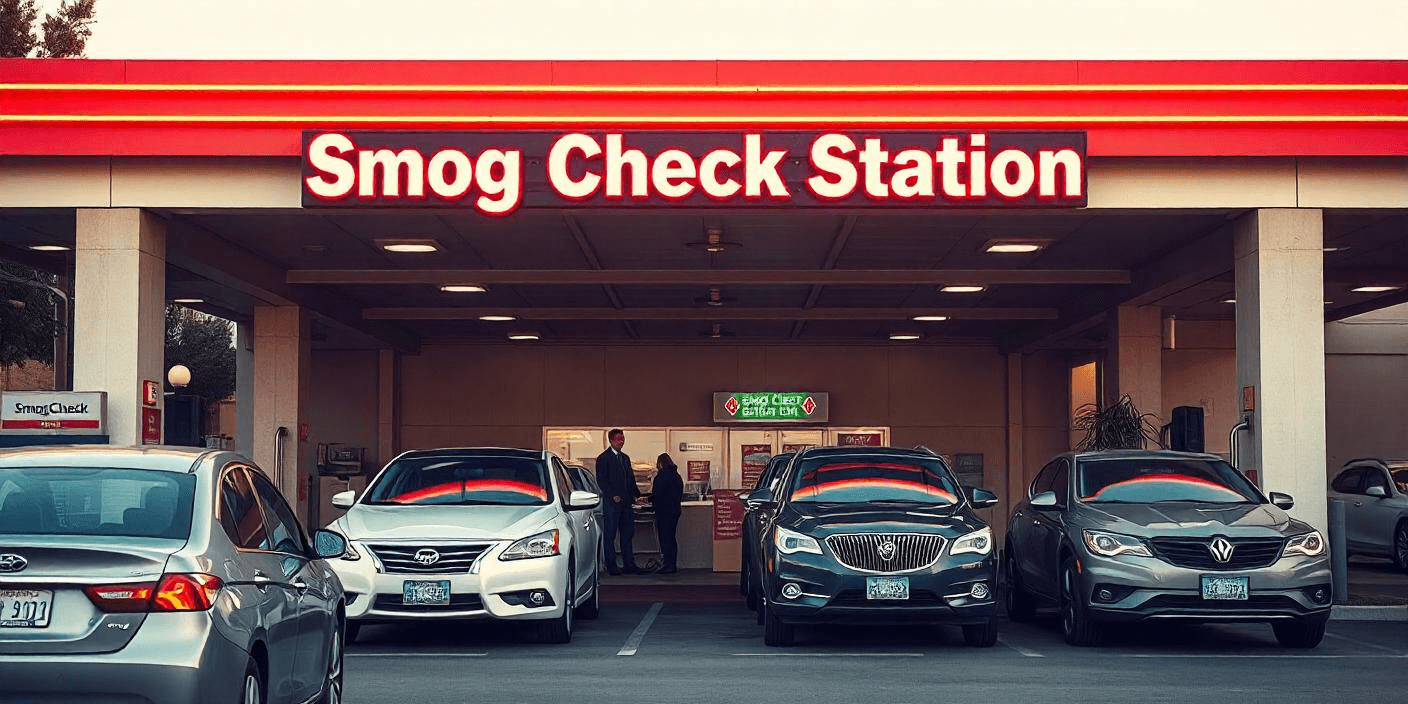
Smog checks must be performed by stations licensed by the BAR. You’ll notice two main types of stations:
- Smog Check Stations: These stations can perform smog checks on most vehicles.
- STAR Program Stations: Some vehicles, particularly those identified as Gross Polluters or vehicles being registered in areas with more severe air quality issues, must be inspected at a STAR Program station. STAR Program stations meet higher performance standards and are subject to stricter oversight. Your DMV renewal notice will specify if your vehicle requires a STAR Program inspection. You can find certified stations near you through the BAR website.
What to Expect During the Inspection
The inspection itself typically takes about 15-30 minutes. The technician will perform:
- Visual Inspection: Checking for the presence and proper connection of all required emission control components.
- Functional Inspection: Checking the ignition timing, exhaust gas recirculation (EGR) system, and evaporative control system (EVAP) (where applicable). For vehicles 2000 model year and newer, the On-Board Diagnostic (OBD II) system is plugged into to read for any stored fault codes.
- Emissions Test: For older vehicles (typically 1999 model year and older, or vehicles not fully OBD II compliant), the vehicle will be driven on a dynamometer (a treadmill for cars) while exhaust gases are collected and analyzed. Newer vehicles usually only require an OBD II check.
It’s advisable to ensure your vehicle is properly warmed up before the test and that your “Check Engine” light is not on, as these can cause an automatic failure.
Passing vs. Failing: Next Steps
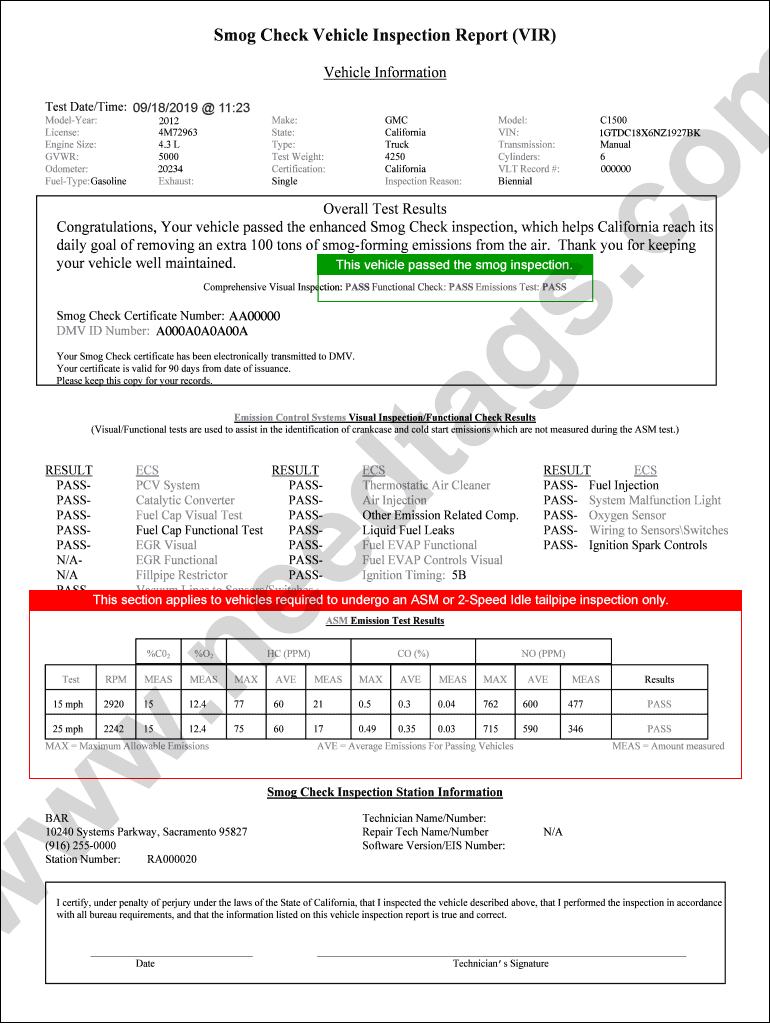
If your vehicle passes the smog check, the station will electronically submit the certificate to the DMV, and you’ll receive a copy. You can then proceed with your registration renewal.
If your vehicle fails, you will receive a diagnostic report detailing the reasons. You’ll need to have the necessary repairs performed and then undergo a retest. California offers assistance programs, such as the Consumer Assistance Program (CAP), which can help eligible consumers with financially challenging repairs or vehicle retirement options. Understanding these options is vital for maintaining your vehicle and adhering to state regulations without undue financial burden.
Integrating Smog Checks into Your California Lifestyle
For California residents, smog checks are more than just a regulatory hurdle; they are a routine part of vehicle ownership that influences financial planning, time management, and environmental consciousness.
Financial Planning and Vehicle Maintenance
The biennial smog check serves as a regular reminder of the importance of consistent vehicle maintenance. While the cost of the check itself is relatively minor (typically between $30-$80, depending on the station and location), the potential cost of repairs if a vehicle fails can be significant. Incorporating routine maintenance into your budget and schedule can help prevent costly surprises. Regular oil changes, tire rotations, and addressing minor issues promptly can improve your vehicle’s chances of passing the smog check and extend its lifespan, aligning with a mindful and sustainable lifestyle.
Time Management and Convenience
Scheduling a smog check requires a small allocation of time every two years. Savvy vehicle owners often integrate this into their broader vehicle maintenance schedule or plan it around other errands. Many smog check stations offer convenient walk-in services or online appointment scheduling, making the process fairly seamless. For busy individuals, choosing a station close to home or work, or one with flexible hours, can minimize disruption to their daily routine. Understanding the process and planning ahead are key to effortlessly managing this requirement.
The Broader Impact on California Living
Ultimately, the smog check program underscores a collective commitment to environmental stewardship that is deeply embedded in the California lifestyle. By complying with these regulations, vehicle owners contribute directly to cleaner air, healthier communities, and the preservation of California’s renowned natural beauty. It reflects a shared responsibility that goes beyond individual vehicle performance, impacting everything from outdoor activities in the mountains to everyday life in bustling cities. For those who embrace the full spectrum of the California experience, understanding and adhering to the smog check requirements is a natural and expected part of maintaining a vibrant and sustainable way of life.
LifeOutOfTheBox is a participant in the Amazon Services LLC Associates Program, an affiliate advertising program designed to provide a means for sites to earn advertising fees by advertising and linking to Amazon.com. Amazon, the Amazon logo, AmazonSupply, and the AmazonSupply logo are trademarks of Amazon.com, Inc. or its affiliates. As an Amazon Associate we earn affiliate commissions from qualifying purchases.