
For individuals who have invested in the California lifestyle—whether through a primary residence, a cherished vacation home in Napa Valley, or a rental property in San Diego—the security and sanctity of their property are paramount. The Golden State offers an unparalleled quality of life, but with property ownership comes the responsibility and the need to understand how to protect your domain from unwanted intruders. Trespassing, an unwelcome intrusion, can disrupt peace of mind, endanger assets, and infringe upon the very essence of comfortable living. Understanding the legal framework for charging someone with trespassing in California is a crucial aspect of responsible property management and maintaining one’s lifestyle free from such disruptions. This guide delves into the specifics, empowering property owners with the knowledge to navigate this complex legal terrain effectively.

The Foundation of California Trespassing Law: Protecting Your Property and Lifestyle
Trespassing laws in California are designed to protect private property rights, ensuring that owners can enjoy their land without unauthorized interference. For many, owning property in California is a significant life achievement, embodying a certain lifestyle. When this is threatened by trespassing, understanding the legal definitions is the first step toward resolution.
Defining Trespassing Under California Penal Code
In California, trespassing is generally defined under Penal Code Section 602. This section outlines various forms of trespassing, from entering private land with the intent to injure property or interfere with business, to refusing to leave property after being asked. Key elements that often constitute criminal trespassing include:
- Entry onto private property without permission: This is the most straightforward aspect. The individual must have entered land or buildings that are not open to the public without express or implied consent.
- Intent: The trespasser must have had a specific intent, such as the intent to interfere with the property owner’s rights, to commit a crime, or simply to occupy the property. In some cases, merely entering after proper warning is sufficient.
- Notice: The property must be clearly marked as private property, or the individual must have received explicit notice not to enter or to leave. This can be through “No Trespassing” signs, fences, or a direct verbal warning from the owner or an authorized agent. For property owners with sprawling estates or secluded vacation homes, clear signage is an indispensable part of property management and security.
- Damage or interference: While not always required for all forms of trespass, actions that cause damage to property or interfere with lawful business or enjoyment can elevate the severity of the offense.
For homeowners in residential areas, a common scenario involves someone entering their yard uninvited. For those managing a luxury vacation rental in Palm Springs or a vineyard in Sonoma, trespassing might involve unauthorized access that could compromise guest safety or valuable assets. The law provides distinct provisions for each scenario, reflecting the diverse property types that contribute to the California lifestyle.
Distinguishing Civil vs. Criminal Trespass
It’s crucial for property owners to understand the difference between civil and criminal trespassing, as this dictates the appropriate course of action.
- Civil Trespass: This occurs when someone enters or remains on your property without permission, but without the intent to commit a crime or cause significant damage. In such cases, the property owner’s remedy is typically a civil lawsuit for damages or an injunction to prevent future trespass. The goal is to compensate the owner for any harm and to deter future unauthorized entry. This might be relevant if, for instance, a neighbor repeatedly crosses your unfenced land for convenience, causing minor wear and tear, rather than malicious intent.
- Criminal Trespass: This involves a more serious intent, often to commit a crime, to interfere with lawful business, or to cause specific harm. It also includes situations where an individual refuses to leave after being explicitly told to do so by the owner or law enforcement. Criminal trespassing is prosecuted by the state, and if convicted, the trespasser faces fines, probation, or even jail time. For a property owner who values their peace and security, understanding when an incident crosses into criminal territory is vital for engaging the right authorities and protecting their lifestyle.
Most instances where a property owner would seek to “charge” someone involve criminal trespassing, as it falls under the purview of law enforcement and the state’s judicial system.
Initial Response: Securing Your Property and Gathering Evidence
When faced with a trespasser, the immediate priority for any California property owner is safety and securing their premises. The subsequent steps involve meticulously gathering evidence, which is critical for a successful charge. This proactive approach not only protects your property but also strengthens your legal standing.
Immediate Actions for Property Owners
Upon discovering a trespasser, exercising caution is paramount. Confronting an unknown individual can escalate a situation dangerously.
- Prioritize Safety: If you feel threatened or if the trespasser appears to be engaged in criminal activity (e.g., vandalism, theft), do not confront them. Retreat to a safe location and immediately contact law enforcement.
- Verbal Warning (If Safe): If the situation appears non-threatening and you deem it safe, you can issue a direct verbal warning, clearly stating that the person is on private property and must leave immediately. This establishes “notice,” which is often a critical element for criminal trespassing charges. Ensure your warning is unambiguous.
- Observe and Document from a Distance: While avoiding direct confrontation, observe the individual. Note their physical description, clothing, any distinguishing features, and their actions. This information will be invaluable to law enforcement.
For those with vacation properties in remote areas, utilizing smart home technology and remote monitoring systems as part of their lifestyle can be a game-changer. These systems often provide real-time alerts and video footage, allowing owners to assess situations from afar and contact local authorities like the Sheriff’s Department promptly.
Documenting the Trespass Incident
Thorough documentation is the bedrock of any legal action. Without robust evidence, even the clearest case of trespassing can be difficult to prosecute.

- Photographic and Video Evidence: Use your smartphone or security cameras to capture images or video of the trespasser, their activities, and any damage caused. Date and timestamp these recordings if possible. This visual proof is often the most compelling evidence.
- Witness Statements: If there were any witnesses (neighbors, family members, employees), obtain their contact information and a brief statement of what they observed. Their testimony can corroborate your account.
- Property Damage Assessment: Document any damage caused by the trespasser. Take detailed photos or videos of the damage, noting the date and time. Get estimates for repairs if possible.
- Proof of Ownership and Notice: Have documents ready that prove you own the property (deed, property tax statements). Also, demonstrate that the trespasser had notice that the property was private. This includes photos of “No Trespassing” signs, fences, or a log of previous verbal warnings given to the same individual.
- Chronological Log: Keep a detailed, chronological log of all incidents, including dates, times, descriptions of events, and actions taken (e.g., when you called the police, who you spoke with). This creates a clear timeline of events.
This meticulous approach ensures that when you engage with law enforcement, you can provide a comprehensive package of information, streamlining their investigation and bolstering the likelihood of charges being filed.
Navigating the Legal Path: Reporting and Charging a Trespasser
Once you have secured your property and gathered sufficient evidence, the next step is to formally engage with the legal system. This process involves reporting the incident to law enforcement and potentially working with the District Attorney.
Engaging with Law Enforcement
The primary point of contact for charging someone with criminal trespassing is your local law enforcement agency, whether it’s the Los Angeles Police Department, the San Francisco Police Department, or a county sheriff’s office in a more rural area.
- File a Police Report: Contact the non-emergency line of your local police or Sheriff’s Department to report the trespassing incident. Provide them with all the documented evidence you’ve collected. Be clear and concise in your narrative. Emphasize that you wish to press charges.
- Provide Detailed Information: When an officer responds, clearly articulate the facts. Explain how the person entered, what they did, any warnings given, and the evidence you possess. The officer will typically investigate, speak with you, and potentially with the trespasser if they are still present or identifiable.
- Citizen’s Arrest (Limited Circumstances): In California, a private citizen can make an arrest for a misdemeanor (like most trespassing offenses) if the crime occurred in their presence. However, this is strongly discouraged due to safety risks and potential legal liability. It is almost always safer and more advisable to rely on law enforcement to make an arrest. If you do make a citizen’s arrest, you must immediately turn the individual over to law enforcement.
- Follow Up: Once a report is filed, obtain a report number. Follow up periodically with the investigating officer to inquire about the status of the case. Be prepared to provide additional information if requested.
Law enforcement’s role is to investigate, collect evidence, and potentially arrest the individual. They will then forward their findings to the District Attorney’s office for review.
The Role of the District Attorney and Court Proceedings
After law enforcement has completed its investigation, the decision to formally “charge” someone with trespassing rests with the local District Attorney’s office.
- Review of Evidence: The District Attorney will review the police report and all submitted evidence to determine if there is sufficient probable cause and if the case can be proven beyond a reasonable doubt. They weigh the strength of the evidence and the likelihood of conviction.
- Filing Charges: If the District Attorney decides to proceed, they will file criminal charges against the trespasser. This officially begins the court process. As the property owner, you may be considered the “victim” in the case, and your cooperation will be crucial.
- Court Appearances: You may be required to testify in court. This could involve preliminary hearings, motions, and potentially a trial. Be prepared to recount the events, present your evidence, and answer questions from both the prosecution and defense attorneys. Your role as a responsible property owner living the California lifestyle means protecting your assets, and this might entail engaging fully in the legal process.
- Penalties for Trespassing: If convicted, the penalties for criminal trespassing in California can vary significantly depending on the specific circumstances and the trespasser’s prior record. Common penalties include fines (ranging from hundreds to thousands of dollars), probation, community service, and in some cases, jail time (typically up to six months for a misdemeanor). Aggravated forms of trespassing (e.g., entering with intent to commit a felony) carry harsher penalties.
Proactive Measures: Safeguarding Your California Property
While knowing how to charge a trespasser is essential, preventing trespassing in the first place is always the preferred approach for maintaining the peace and security inherent in the California lifestyle. Proactive security measures can significantly reduce the likelihood of unwanted intrusions.
Physical Deterrents and Signage
Implementing clear physical and visual deterrents is often the most effective initial step in preventing trespassing.
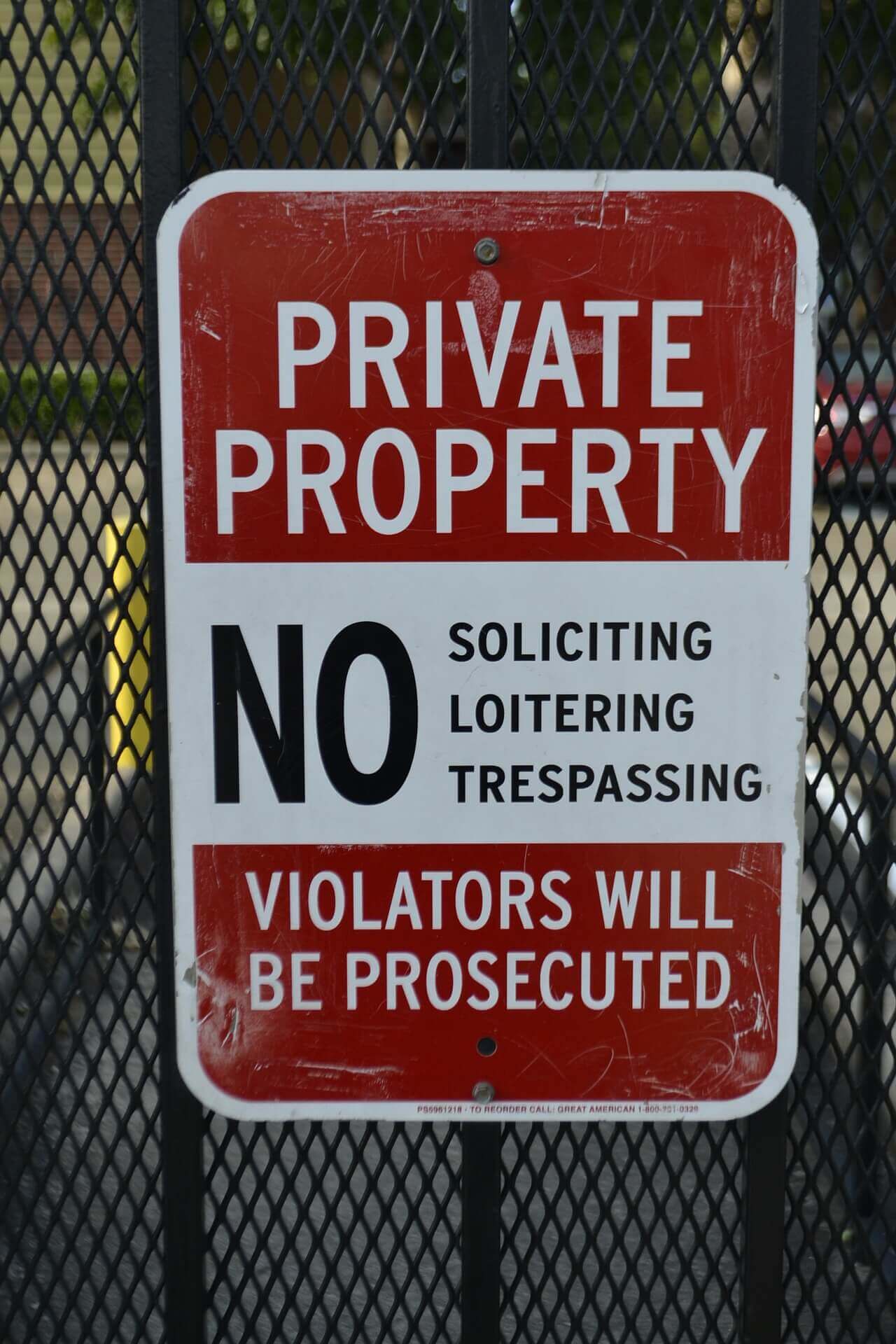
- Clear “No Trespassing” Signs: These are fundamental. Signs should be clearly visible, legible, and strategically placed around the perimeter of your property, especially at common entry points. The signs should explicitly state that entry is prohibited and that violators will be prosecuted. For larger properties or estates, consider signs that indicate “Private Property – No Unauthorized Entry.”
- Fencing and Gates: A well-maintained fence, especially one that delineates property boundaries, acts as a strong physical barrier. Secure gates with locks at all entry points further reinforce the message of privacy and restrict unauthorized access.
- Lighting: Adequate exterior lighting, particularly motion-activated lights, can deter trespassers by eliminating dark hiding spots and making their presence conspicuous. This is especially important for vacation homes that may be vacant for periods.
- Security Cameras and Alarm Systems: Modern security systems, often integrated with smart home technology, provide both a deterrent and crucial evidence. Visible cameras can discourage potential trespassers, and alarm systems can alert you and law enforcement to an intrusion immediately. For homeowners in Los Angeles or San Francisco managing urban properties, these systems are an indispensable part of their lifestyle and security protocols.
- Landscaping: Strategic landscaping, such as thorny bushes or dense hedges along property lines, can create natural barriers that are difficult and unpleasant to cross, adding an extra layer of protection.
Legal Strategies for Enhanced Protection
Beyond physical deterrents, certain legal actions can strengthen your position as a property owner.
- “No Trespassing” Enforcement Letter: For persistent trespassers, sometimes a formal cease and desist letter from an attorney can be effective. This demonstrates your serious intent to protect your property and can be a powerful deterrent.
- Restraining Orders: In extreme cases, where a specific individual repeatedly trespasses or harasses, a civil restraining order might be sought. Violation of a restraining order is a criminal offense, providing stronger legal recourse.
- Regular Property Inspections: For properties that are not constantly occupied, such as vacation homes or investment properties, regular inspections by yourself or a trusted property manager are crucial. This ensures that any signs of attempted or actual trespassing are identified promptly, allowing for immediate action.
By combining a thorough understanding of California’s trespassing laws with a proactive approach to property security, homeowners can effectively protect their valuable assets and maintain the tranquil lifestyle they cherish in the Golden State. It’s not just about charging someone; it’s about preserving the sanctity of your private domain.
LifeOutOfTheBox is a participant in the Amazon Services LLC Associates Program, an affiliate advertising program designed to provide a means for sites to earn advertising fees by advertising and linking to Amazon.com. Amazon, the Amazon logo, AmazonSupply, and the AmazonSupply logo are trademarks of Amazon.com, Inc. or its affiliates. As an Amazon Associate we earn affiliate commissions from qualifying purchases.