
The allure of the Golden State is undeniable. From the sun-kissed beaches of Malibu to the majestic peaks of Yosemite National Park, California offers an unparalleled tapestry of landscapes and experiences. For many, the dream of exploring this diverse state hinges on one crucial rite of passage: obtaining a driver’s license. Whether you’re a young resident eager for independence or a future traveler planning an epic road trip, understanding the age requirements and processes for getting a driver’s license in California is the first step toward unlocking countless adventures. This comprehensive guide will navigate you through the journey, detailing everything from provisional permits to the open road, all while highlighting how driving prowess can enhance your travel, tourism, and lifestyle experiences across this magnificent state.
The Golden State’s Driving Landscape: Freedom on Four Wheels
Driving in California isn’t just a means of transportation; it’s an integral part of the state’s culture and a gateway to an expansive world of exploration. The sheer size and geographical diversity of California make a personal vehicle almost essential for truly appreciating its wonders. Imagine cruising along the Pacific Coast Highway, with the vast Pacific Ocean stretching to your right, or navigating through the vibrant urban sprawl of Los Angeles to reach iconic landmarks. Having a driver’s license grants you the freedom to craft your own itinerary, discover hidden gems, and immerse yourself fully in the distinct character of each region.
The state’s infrastructure is designed for drivers, connecting major cities like San Francisco, Los Angeles, and San Diego with national parks, wine regions, and desert oases. This accessibility not only makes daily life more convenient for residents but also transforms California into a premier destination for road trips and adventurous tourism. The ability to drive independently opens up possibilities for spontaneous detours, stays in unique accommodations ranging from charming coastal hotels to secluded mountain resorts, and the chance to experience local culture and cuisine beyond the confines of public transport routes.
Why Driving in California is an Essential Travel Skill
For anyone planning to truly experience California beyond its major city centers, driving isn’t just a convenience – it’s often a necessity. While cities like San Francisco boast extensive public transportation, the real magic of California often lies between these urban hubs. Consider a journey through Napa Valley’s picturesque vineyards, where charming wineries are scattered across rolling hills, or a trek to the ancient sequoias in Sequoia National Park. These experiences are best accessed by car, allowing visitors to set their own pace and explore at leisure.
A driver’s license also facilitates diverse travel styles. Budget travelers can opt for more affordable accommodations outside city centers and drive in, while luxury travelers can effortlessly hop between high-end resorts and exclusive dining experiences. Families on vacation find the flexibility of a car invaluable for carrying luggage, car seats, and impromptu stops at roadside attractions. From a tourism perspective, the economic impact of road tourism in California is significant, with millions flocking annually to drive its famous routes, visit its landmarks, and enjoy its vibrant lifestyle. Preparing for a California adventure therefore often begins with understanding how to legally and safely navigate its roads.
The Path to a California Driver’s License: Age Requirements and Key Steps
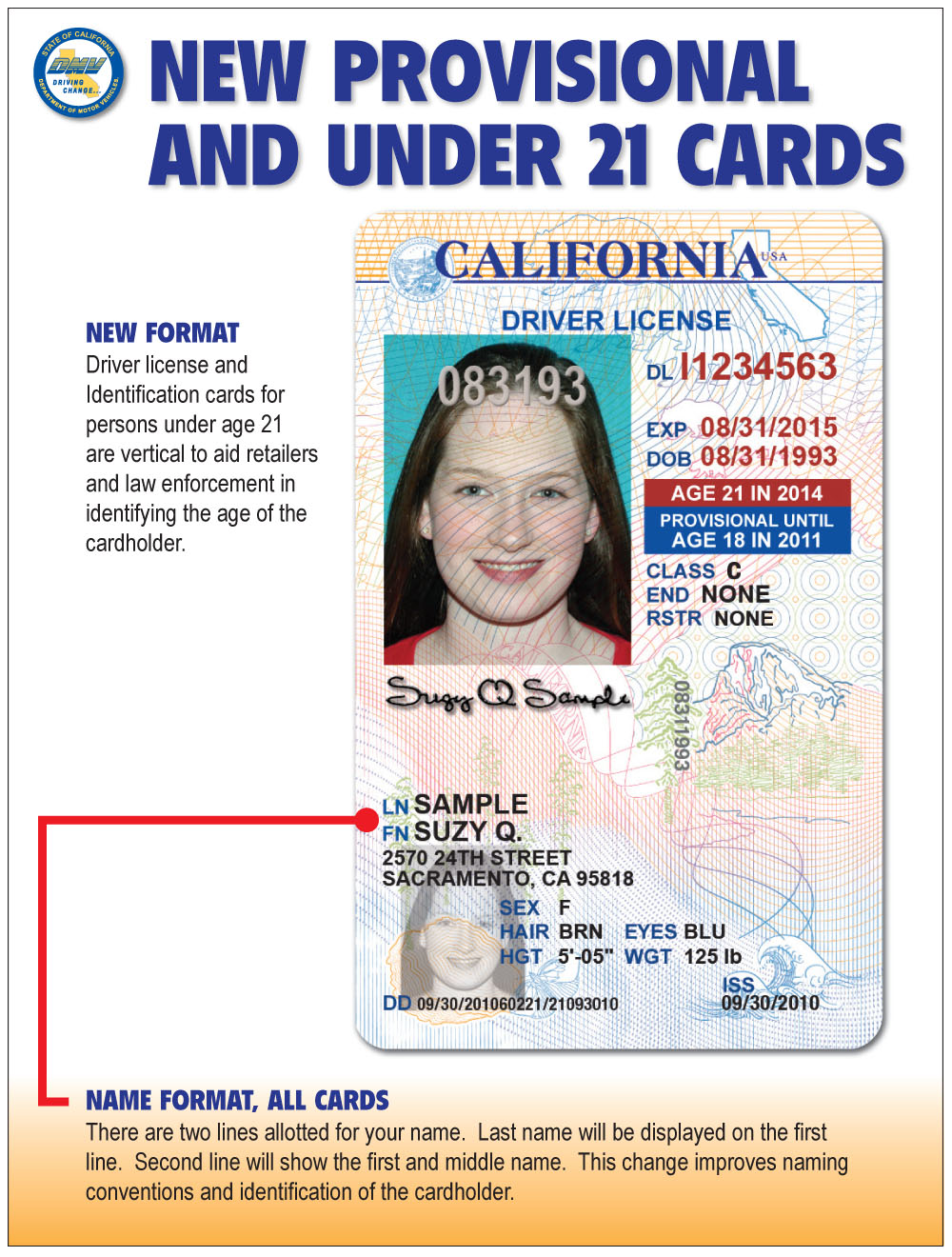
The process of obtaining a driver’s license in California is structured, beginning with a provisional permit for young drivers and progressing to a full license. The age at which you can get your license is a common question, and it’s essential to understand the phased approach mandated by the California Department of Motor Vehicles (DMV) for minors.
Provisional Permit: The First Step Towards Independence
For aspiring drivers in California, the journey typically begins at 15 years and 6 months of age. At this point, individuals become eligible to apply for a provisional instruction permit. This isn’t a license to drive alone, but rather a crucial learning phase designed to ensure new drivers gain supervised experience before hitting the road independently.
To obtain a provisional permit, applicants must:
- Complete Driver Education: This involves a state-approved driver education course, which can be taken in a classroom or online. The course typically consists of 30 hours of instruction and provides a foundational understanding of traffic laws, road safety, and responsible driving practices.
- Pass a Written Knowledge Test: Once driver education is complete, applicants must pass a written test at the DMV office. This test assesses their knowledge of California road signs and traffic laws.
- Provide Necessary Documentation: This includes proof of identity, residency, and social security number. A parent or guardian must sign the application form (DL 44).

With a provisional permit in hand, the learning truly begins. Permit holders must drive with a licensed California driver who is at least 18 years old and present in the passenger seat. This supervising driver must hold a valid California driver’s license. Before being eligible for a full driver’s license, permit holders under 18 must complete:
- 50 hours of supervised driving practice, including at least 10 hours at night.
- 6 hours of professional driver training with a certified instructor.
This supervised driving period is critical for developing practical skills, understanding real-world driving scenarios, and building confidence behind the wheel. It’s a time to familiarize oneself with different driving conditions, from bustling city streets to quiet suburban roads, and to learn defensive driving techniques that are vital for safety on California’s diverse roadways.
The Driver’s License Application: What to Expect
The moment many young Californians eagerly anticipate arrives at 16 years of age. Provided they have held their provisional permit for at least six months and completed all required supervised driving and professional training hours, they can apply for a provisional driver’s license.
The final steps involve:
- Scheduling a Driving Test: This is a behind-the-wheel examination conducted by a DMV examiner to assess the applicant’s ability to safely operate a vehicle and obey traffic laws.
- Passing the Driving Test: The test covers various maneuvers, including turns, lane changes, stops, and safe driving habits. If successful, the applicant is issued a provisional driver’s license.
It’s important to note that even with a provisional license, there are still some restrictions for new drivers under the age of 18, designed to further reduce accident risk during their initial period of independent driving:
- For the first 12 months, drivers cannot transport passengers under 20 years old, unless accompanied by a licensed driver 25 years or older.
- For the first 12 months, drivers cannot drive between 11 PM and 5 AM, unless accompanied by a licensed driver 25 years or older. There are exceptions for specific circumstances like employment or school activities, but these require documentation.

These provisional restrictions lift automatically once the driver turns 18 or has held the provisional license for 12 months, whichever comes first. At 18, the license automatically becomes a full, unrestricted California driver’s license, opening up full freedom for travel and daily life.
Navigating California with Your New License: Travel and Lifestyle Implications
Once you’ve successfully obtained your California driver’s license, a world of possibilities opens up. The independence of driving allows for a lifestyle rich in exploration and adventure, whether it’s daily commutes, weekend getaways, or epic cross-state journeys.
Iconic Road Trips and Destinations
California is synonymous with road trips, and a driver’s license is your passport to experiencing them firsthand.
- The Pacific Coast Highway (Highway 1): This legendary route offers breathtaking coastal views, winding through charming towns like Carmel-by-the-Sea and past the dramatic cliffs of Big Sur. A drive along the PCH is a quintessential California experience, allowing you to stop at scenic overlooks, pristine beaches, and quaint seaside resorts.
- National Parks: Your license grants access to incredible natural wonders. Drive to Yosemite National Park to witness its towering granite formations and waterfalls, or venture into the serene giant groves of Sequoia National Park. The otherworldly landscapes of Joshua Tree National Park and the extreme beauty of Death Valley are also within reach for those with a car.
- Urban Adventures: Navigate the bustling streets of Los Angeles to visit Hollywood landmarks, theme parks like Disneyland and Universal Studios Hollywood, or the vibrant beach communities of Santa Monica. Explore the iconic Golden Gate Bridge and steep hills of San Francisco, or enjoy the laid-back charm of San Diego and its world-famous zoo.
- Wine Country Escapes: Head north to Napa Valley and Sonoma for exquisite wine tasting experiences, facilitated by the freedom to drive between vineyards and charming boutique hotels.
- Desert Retreats and Mountain Getaways: From the vibrant art scene and mid-century modern architecture of Palm Springs to the stunning alpine scenery around Lake Tahoe, a car is essential for exploring these diverse regions and enjoying activities like hiking, skiing, or simply relaxing in a resort.
These destinations represent just a fraction of what’s accessible with a California driver’s license, transforming potential travel dreams into tangible plans.
Embracing the California Lifestyle
Beyond tourism, a driver’s license is fundamental to living the “California lifestyle.” It signifies independence and freedom, particularly for younger individuals. It means no longer relying on rides from family or friends, and the ability to pursue educational opportunities, employment, and social engagements with greater ease.
- Work and Education: For many, a car is necessary for commuting to school or work, especially in areas with limited public transportation. This opens up a wider range of job opportunities and educational institutions.
- Social Life and Hobbies: Whether it’s meeting friends at the beach, heading to a sports event, or transporting gear for a hobby like surfing or hiking, driving facilitates a more active and fulfilling social life.
- Family Travel and Experiences: For families, having a licensed driver in the household makes weekend trips, family vacations, and daily errands significantly simpler. It enhances the ability to visit attractions, explore new cities, and create lasting memories together.
- Flexibility in Accommodation: From finding long-term rentals in scenic but less accessible areas to booking unique holiday villas or apartments away from the city bustle, a car provides unparalleled flexibility in choosing where to stay, whether for a short trip or an extended period.
The ability to drive enables residents and visitors alike to fully immerse themselves in the diverse offerings of California, from its bustling urban centers to its tranquil natural landscapes, truly shaping their lifestyle and travel experiences.
Essential Tips for New Drivers in California
Once you’ve earned your California driver’s license, responsible driving practices are paramount. The state’s roads can be diverse, from multi-lane freeways to winding mountain passes. Here are some essential tips to help new drivers navigate the Golden State safely and confidently:
- Understand California Traffic Laws: While the DMV test covers basics, continuous learning is key. Pay attention to specific laws regarding cell phone use (hands-free only for adults, no cell phone use at all for minors), bicycle lanes, and pedestrian right-of-way, which can vary across different cities.
- Be Prepared for Traffic: California, especially in major metropolitan areas like Los Angeles, San Francisco, and San Diego, is notorious for heavy traffic. Plan your routes, use navigation apps, and allow ample travel time. Patience and defensive driving are crucial during peak hours.
- Defensive Driving: Always anticipate what other drivers might do. Maintain a safe following distance, especially on highways, and be aware of your surroundings using your mirrors. Avoid distractions like texting or eating while driving.
- Weather Conditions: California’s weather can vary dramatically. Be prepared for fog along the coast, heavy rain during winter months (which can make roads slick), and even snow in mountain regions like around Lake Tahoe. Adjust your driving speed and technique accordingly.
- Roadside Assistance: Consider subscribing to a roadside assistance program. A flat tire or mechanical issue can happen anywhere, and having support readily available provides peace of mind, especially on long road trips.
- Know Your Vehicle: Understand how your car handles in different conditions, its blind spots, and how to perform basic checks like tire pressure and fluid levels.
- Respect the Environment: When driving through natural areas, be mindful of wildlife, particularly at dusk and dawn. Stick to designated roads and dispose of waste properly to protect California’s beautiful environment.
- Practice, Practice, Practice: The more experience you gain under various conditions – day, night, city, highway, rain – the more confident and skilled you will become.
Obtaining a driver’s license in California is a significant milestone that unlocks a lifetime of exploration and independence. By understanding the age requirements, diligently following the application process, and embracing responsible driving habits, you’ll be well-equipped to navigate the Golden State’s magnificent roads and fully experience all the travel, tourism, and lifestyle opportunities it has to offer. The open road truly awaits.
LifeOutOfTheBox is a participant in the Amazon Services LLC Associates Program, an affiliate advertising program designed to provide a means for sites to earn advertising fees by advertising and linking to Amazon.com. Amazon, the Amazon logo, AmazonSupply, and the AmazonSupply logo are trademarks of Amazon.com, Inc. or its affiliates. As an Amazon Associate we earn affiliate commissions from qualifying purchases.