
Establishing a fulfilling lifestyle in California often hinges on acquiring the necessary licenses that enable mobility, career advancement, and entrepreneurial pursuits. Whether you’re a new resident eager to explore the state’s vast landscapes, a professional seeking to practice your trade, or an aspiring business owner, navigating California’s licensing landscape is a fundamental step. This guide delves into the various licenses critical for embedding yourself within the Golden State’s dynamic environment, offering insights into processes that empower your daily life and long-term aspirations.
Understanding California’s Licensing Landscape
California boasts a robust regulatory framework designed to ensure public safety, consumer protection, and professional standards across various sectors. For individuals and businesses, obtaining the correct licenses is not merely a legal formality; it’s a gateway to participation, opening doors to employment, commerce, and personal freedom. Understanding the distinction between common licenses—specifically driver’s licenses, professional licenses, and business licenses—is crucial for anyone looking to build a life here.
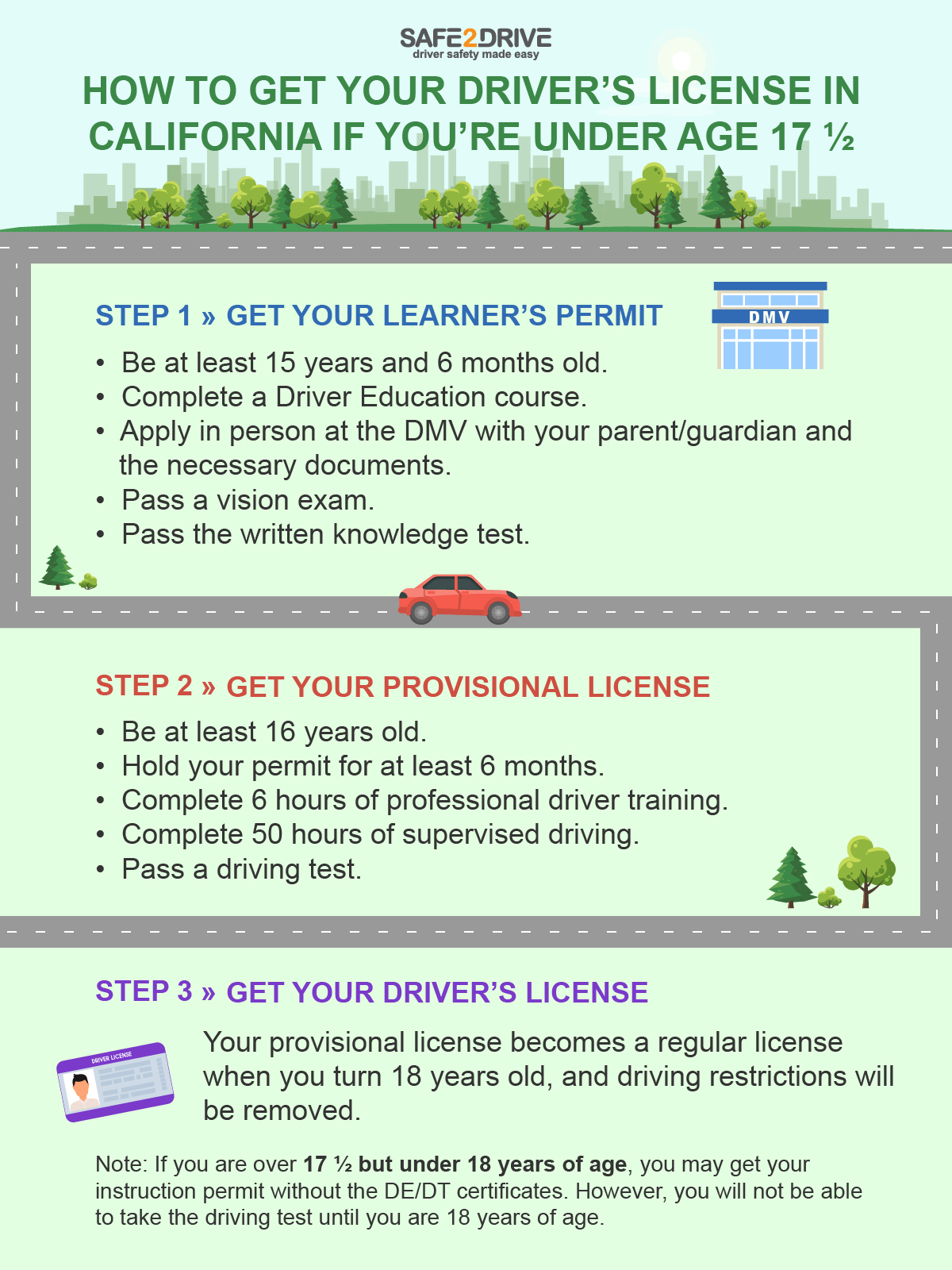
Driver’s License: Your Key to Mobility
A California driver’s license is arguably the most essential document for residents seeking independence and mobility. Given the state’s expansive geography and car-centric culture, a valid driver’s license allows you to commute to work, transport family members, and experience iconic road trips along the Pacific Coast Highway or through national parks. It serves as a primary form of identification and is indispensable for a truly integrated California lifestyle.
Professional Licenses: Advancing Your Career
For many careers, a state-issued professional license is mandatory. From healthcare practitioners and engineers to beauticians and contractors, these licenses validate your qualifications and ensure adherence to industry standards. Acquiring the appropriate professional license is a critical milestone for career progression and financial stability, allowing you to legally practice your profession and contribute your skills to California’s diverse economy. It’s an affirmation of your expertise, protecting both practitioners and the public.
Business Licenses: Entrepreneurial Foundations
Aspiring entrepreneurs or established businesses relocating to California must navigate a complex web of business licenses and permits. These can range from general business licenses required by cities and counties to specialized permits dictated by the nature of the business, such as health permits for restaurants or sales tax permits for retail. Proper business licensing establishes legal legitimacy, enabling operations, attracting customers, and ensuring compliance with state and local regulations, thereby laying a stable foundation for economic participation.
Navigating the Driver’s License Process
The California Department of Motor Vehicles (DMV) oversees all driver’s license applications. The process, while comprehensive, is designed to ensure all licensed drivers meet safety and legal requirements. Understanding each step is vital for a smooth application experience.
Eligibility and Required Documents
To apply for a driver’s license in California, you generally need to be at least 16 years old. Applicants must provide proof of identity, residency, and a Social Security Number (SSN) or demonstrate eligibility without one.
Key documents include:
- Proof of Identity: A U.S. birth certificate, passport, or permanent resident card. For a REAL ID, specific documents like your passport or original birth certificate are mandatory.
- Proof of California Residency: Two different documents showing your name and current California address. Examples include utility bills, rental agreements, or bank statements.
- Proof of Social Security Number: Your Social Security card or a W-2 form.
- Proof of Name Change (if applicable): Certified copies of marriage certificates or court orders.
It is highly recommended to visit the DMV website to review the most current list of acceptable documents, as requirements can change.
Application and Testing Procedures
Once your documents are in order, the application process involves several steps:
- Complete the Driver’s License Application: This can often be started online before your visit to the DMV.
- Schedule an Appointment: Appointments are strongly encouraged for most DMV services to minimize wait times.
- Pay the Application Fee: Fees vary based on the type of license and your age.
- Pass a Vision Test: Your eyesight will be checked to ensure you meet the minimum vision standards.
- Pass a Written Knowledge Test: This exam assesses your understanding of California traffic laws and road signs. Study the California Driver Handbook thoroughly.
- Provide a Thumbprint and Photo: These are for identification purposes.
- Complete a Driving Test: After successfully passing the written test, you’ll need to schedule and pass a behind-the-wheel driving test. This evaluates your driving skills and adherence to traffic laws in a real-world setting. You must provide a properly registered and insured vehicle for this test.
Upon successful completion of all steps, a temporary license will be issued, with your permanent driver’s license arriving by mail.
Special Considerations for New California Residents
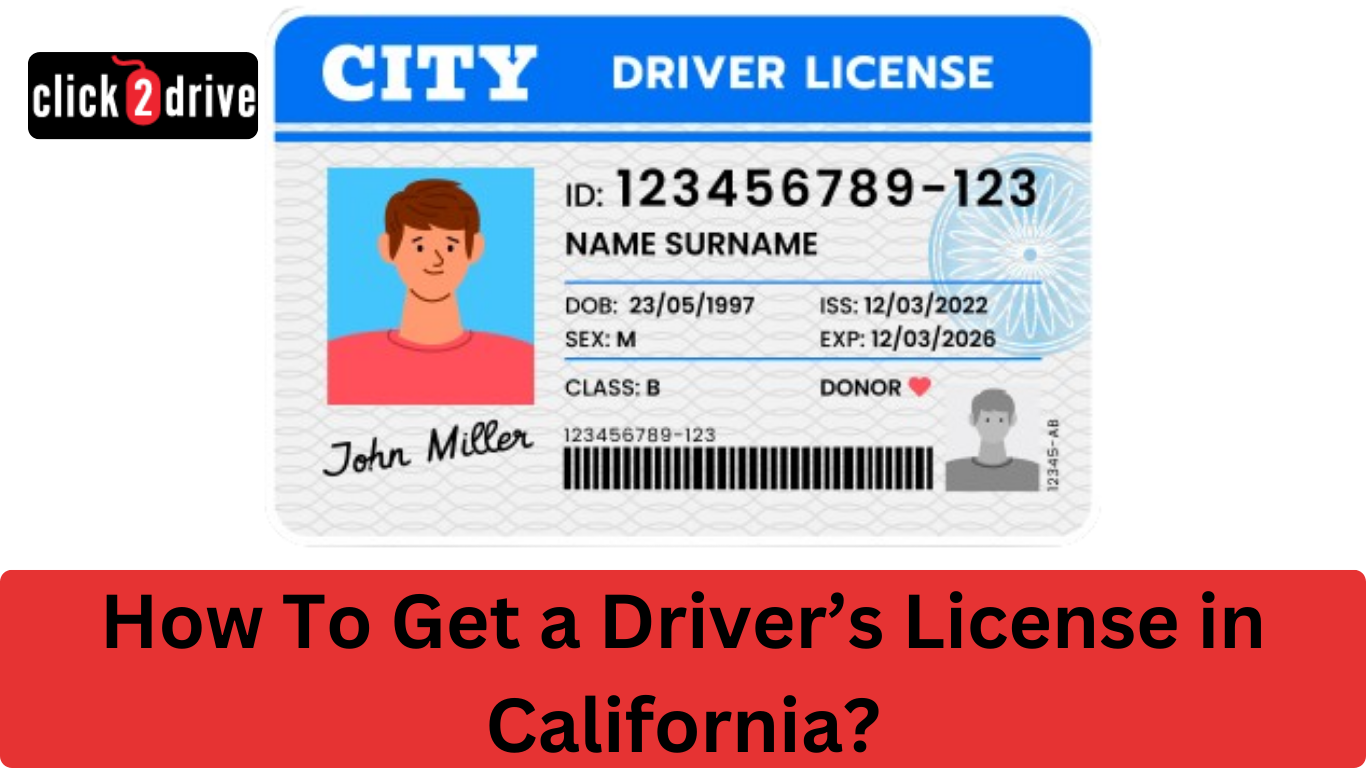
If you’re moving to California from another state or country, there are specific guidelines:
- Out-of-State Licenses: If you hold a valid driver’s license from another U.S. state, you generally won’t need to take the driving test, only the written test, vision test, and document verification. You must apply for a California license within 10 days of becoming a resident.
- International Drivers: Non-U.S. citizens can typically drive with their foreign license for a period, but it’s advisable to obtain a California license as soon as possible, especially if you plan on long-term residency. This usually involves taking both the written and driving tests.
Professional Licensing Pathways
California’s professional licensing is overseen by dozens of distinct boards and bureaus under the Department of Consumer Affairs (DCA), each regulating specific professions. The process can be rigorous but ensures high standards of practice throughout the state, which is a hallmark of the California lifestyle regarding service quality and professional integrity.
Identifying Your Governing Board
The first and most critical step is to identify the specific board or bureau that regulates your profession. For example:
- Healthcare professionals (doctors, nurses) are licensed by boards like the Medical Board of California or the Board of Registered Nursing.
- Engineers fall under the Board for Professional Engineers, Land Surveyors, and Geologists.
- Contractors are licensed by the Contractors State License Board.
Each board has its own website detailing specific requirements, application forms, and examination schedules. A thorough review of these resources is indispensable.
Application Steps and Examinations
While requirements vary by profession, common steps typically include:
- Educational Requirements: Proof of accredited education, degrees, or certifications relevant to your field.
- Experience Requirements: Documented hours of supervised experience or internships.
- Background Checks: Fingerprinting and criminal background checks are standard for most licensed professions to ensure public safety.
- Examinations: Passing one or more state-administered examinations that test your knowledge and competency in the profession. These can range from written multiple-choice tests to practical skill assessments.
- Application Submission and Fees: Completing the detailed application form and paying the associated fees.
It’s common for the application review process to take several weeks or even months, so planning ahead is crucial for professionals establishing their careers in California.
Maintaining Your License
Professional licenses are not one-time acquisitions. They require ongoing maintenance:
- Renewal: Licenses must be renewed periodically (e.g., every one to four years).
- Continuing Education: Many professions mandate continuing education (CE) hours to ensure licensees stay current with best practices and evolving industry standards.
- Fees: Renewal fees are also required.
Failing to meet renewal or CE requirements can lead to license suspension or revocation, severely impacting your ability to practice.
Establishing a Business: The Licensing Imperative
Launching or operating a business in California involves a multi-layered licensing approach that includes state, county, and city-level requirements. Successfully navigating these ensures your business operates legally and contributes positively to the state’s vibrant economic lifestyle.
State vs. Local Requirements
It’s vital to differentiate between state-level and local-level business licensing:
- State-level: The California Secretary of State is responsible for registering your business entity (e.g., LLC, corporation) and your business name. The California Department of Tax and Fee Administration (CDTFA) handles sales and use tax permits for businesses selling tangible goods. The Employment Development Department (EDD) is relevant for businesses with employees, overseeing payroll taxes.
- Local-level: Almost every city and county in California requires businesses to obtain a general business license (often called a “business tax certificate”) from their local city hall or county clerk’s office. This allows you to operate within that specific jurisdiction. Additional local permits may be needed for zoning, signage, health, or fire safety, depending on your business type and location (e.g., a restaurant in San Francisco will have different local permits than an online consulting firm in San Diego).
Common Business Permits and Licenses
Beyond entity registration, several common permits and licenses frequently apply:
- Seller’s Permit: If you sell physical goods, you must obtain a seller’s permit from the CDTFA to collect sales tax.
- Employer Identification Number (EIN): If you have employees or operate as a corporation/partnership, you need an EIN from the IRS for tax purposes.
- Fictitious Business Name (FBN): If your business operates under a name different from your personal name or registered corporate name, you’ll need to file an FBN statement with the county clerk.
- Zoning and Planning Permits: Ensure your business location complies with local zoning laws, especially for retail, manufacturing, or service-based businesses that require specific physical spaces.
- Health Permits: Essential for any business involved in food handling, cosmetics, or public health services, issued by local health departments.
Staying Compliant
Compliance is an ongoing commitment. Businesses must:
- Renew Licenses: Most business licenses, especially local ones, require annual renewal.
- File Taxes: Regularly file state and federal income taxes with the Franchise Tax Board (FTB) and the IRS, respectively, along with sales tax and payroll tax filings.
- Adhere to Regulations: Stay updated on industry-specific regulations, labor laws, and environmental standards that impact your operations.
Successfully acquiring and maintaining the appropriate licenses in California is more than just navigating bureaucracy; it’s about actively shaping and safeguarding your chosen lifestyle within this vibrant state. Whether it’s the freedom of the open road, the satisfaction of a thriving career, or the excitement of a successful enterprise, proper licensing is the essential underpinning.
LifeOutOfTheBox is a participant in the Amazon Services LLC Associates Program, an affiliate advertising program designed to provide a means for sites to earn advertising fees by advertising and linking to Amazon.com. Amazon, the Amazon logo, AmazonSupply, and the AmazonSupply logo are trademarks of Amazon.com, Inc. or its affiliates. As an Amazon Associate we earn affiliate commissions from qualifying purchases.