
California, a state renowned for its vibrant culture, diverse landscapes, and world-class culinary scene, attracts millions of visitors annually, all eager to sample its innovative dishes and fresh produce. From the farm-to-table restaurants in San Francisco to the bustling food trucks of Los Angeles and the wineries of Napa Valley, food is an integral part of the California experience. Behind every delectable dish and safe dining experience lies a commitment to public health and food safety, spearheaded by the state’s rigorous standards. A fundamental aspect of this commitment is the requirement for a California Food Handler Card, an essential certification for anyone working with unpackaged food in the Golden State.
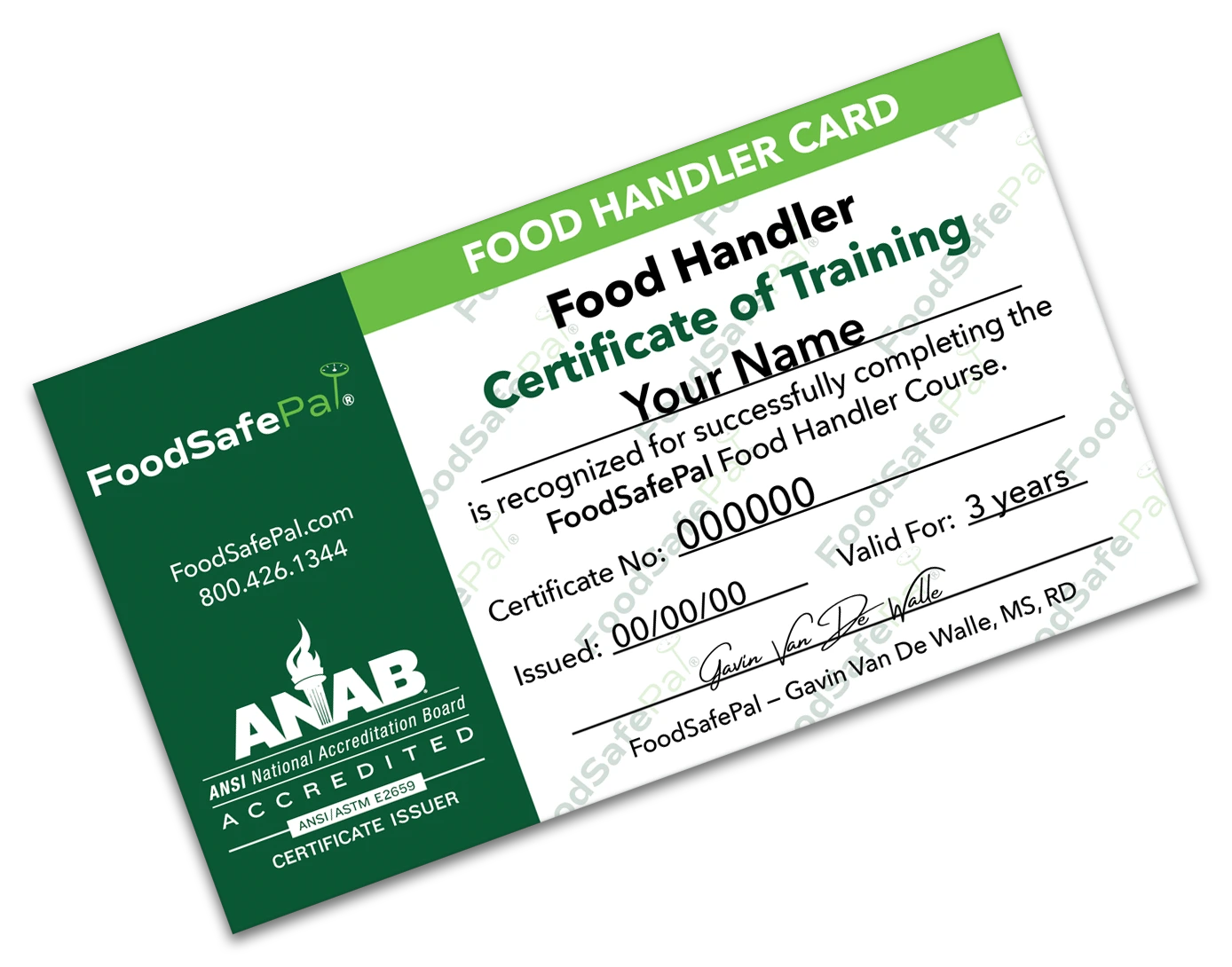
This card is more than just a piece of paper; it represents a foundational understanding of critical food safety principles designed to protect both residents and the countless tourists who explore California’s gastronomic offerings. For individuals seeking employment in California’s extensive food service and hospitality industries, obtaining this card is not merely a recommendation but a legal necessity. Understanding the process and adhering to the standards ensures that California’s reputation for quality and safety in food service remains paramount, contributing significantly to its appeal as a premier culinary destination.
The Essential Role of Food Safety in California’s Culinary Scene
California’s food culture is a dynamic tapestry woven from diverse influences, innovative chefs, and an unwavering emphasis on fresh, local ingredients. This rich culinary landscape supports a massive hospitality sector, providing livelihoods for hundreds of thousands and memorable experiences for millions. Central to sustaining this vibrant ecosystem is an uncompromising commitment to food safety. The California Food Handler Card program is a cornerstone of this commitment, ensuring that individuals directly involved in food preparation, storage, and service are well-versed in practices that prevent foodborne illnesses.
Foodborne illnesses can have severe public health consequences, economic repercussions for businesses, and significant damage to a destination’s reputation. For a state like California, where tourism is a vital economic driver and food experiences are a major draw, maintaining stringent food safety standards is non-negotiable. The Food Handler Card program educates workers on critical topics such as personal hygiene, cross-contamination prevention, temperature control, and sanitization, all of which are essential in safeguarding public health. By standardizing this basic level of food safety knowledge across the industry, California helps ensure that every meal served, from a gourmet restaurant in Beverly Hills to a casual beachside café in San Diego, meets rigorous safety benchmarks. This dedication not only protects consumers but also builds confidence in California’s food service establishments, encouraging both local patronage and continued tourist engagement with its celebrated culinary offerings.
Understanding California Food Handler Requirements
The mandate for a California Food Handler Card is enshrined in the California Retail Food Code, a comprehensive set of regulations overseen by the California Department of Public Health. This legislation aims to minimize foodborne illness risks and ensure the safety of food provided to the public.
Who Needs a Food Handler Card?
Virtually anyone who works with unpackaged food, food-contact surfaces, or utensils in a retail food facility in California is required to obtain a Food Handler Card. This broadly includes:
- Restaurant staff: Cooks, chefs, servers, bussers, dishwashers, and food preparers.
- Cafeteria workers: In schools, hospitals, and corporate settings.
- Deli and grocery store employees: Anyone handling unpackaged foods, meats, cheeses, or produce.
- Catering staff: Those involved in preparing or serving food at events.
- Food truck operators and staff: A burgeoning segment of California’s food scene.
- Bartenders: If they handle garnishes, pour ice, or prepare drinks that include unpackaged food components.
There are a few exemptions, such as individuals employed by certified farmers’ markets, certain temporary food facilities, and registered dietitians or food service managers who hold a more advanced food safety certification like a ServSafe Manager certification. However, for most frontline food service workers, the Food Handler Card is a non-negotiable requirement.
When is the Card Required?
New employees typically have 30 days from their date of hire to obtain a valid California Food Handler Card. Employers are responsible for ensuring their staff complies with this regulation. The card is valid for three years from the date of issuance, after which it must be renewed by retaking an approved course and passing the exam. This renewal cycle ensures that food handlers stay updated on the latest food safety practices and regulations.
Step-by-Step Guide to Getting Your California Food Handler Card
Obtaining a California Food Handler Card is a straightforward process, primarily facilitated through online platforms. The key is to choose an accredited provider to ensure the certification is legitimate and recognized by state authorities.
1. Choose an ANSI-Accredited Provider
The first and most crucial step is to select a course provider that is accredited by the American National Standards Institute (ANSI) and approved by the California Department of Public Health. ANSI accreditation ensures that the course material and examination meet nationally recognized standards for food handler training. Reputable providers often include:
- ServSafe Food Handler
- StateFoodSafety
- Food Handler Solutions
- 360training (Learn2Serve)
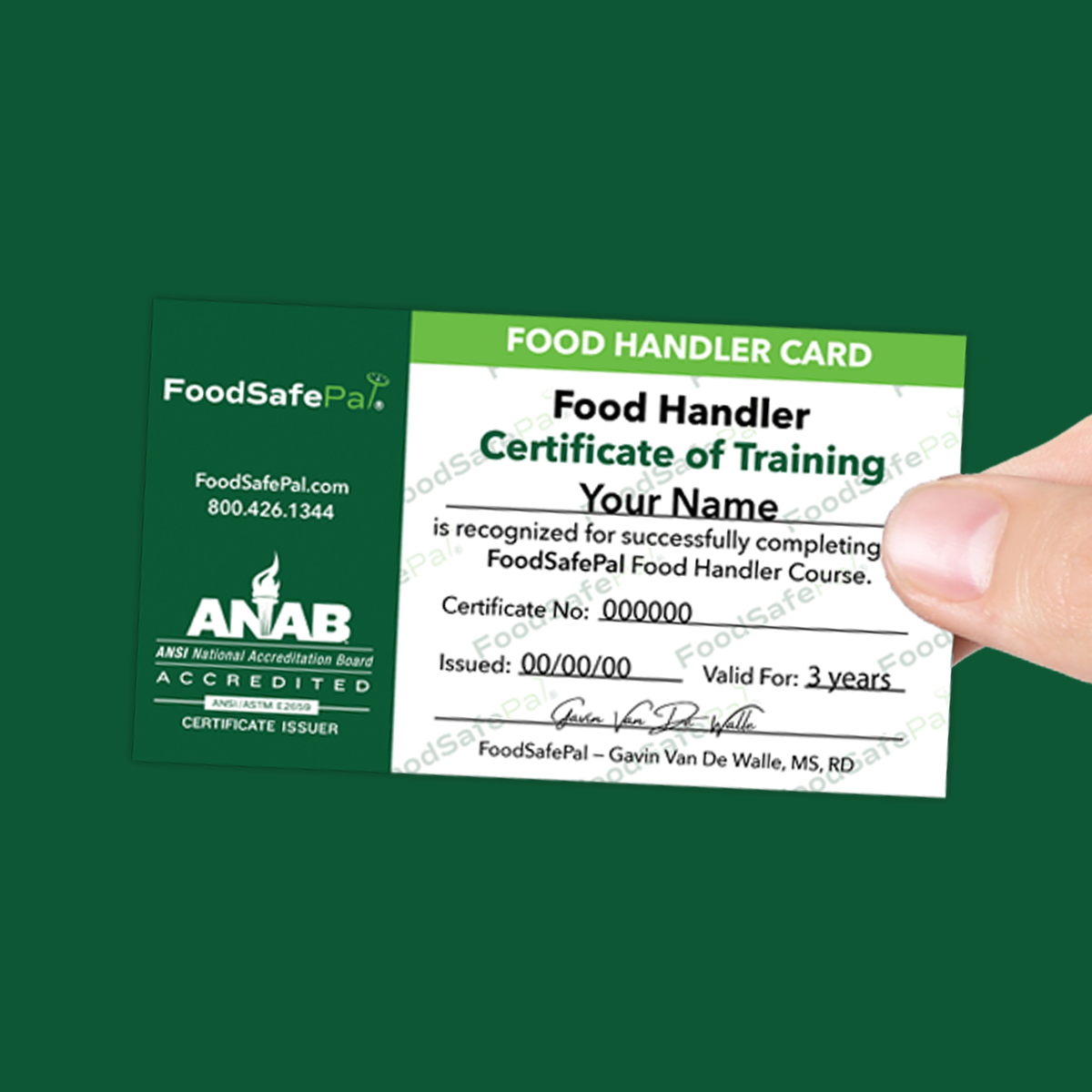
These providers offer online courses that can be completed at your own pace, making them accessible for individuals with varying schedules. Be wary of unaccredited programs, as their certifications will not be recognized by California health authorities.
2. Complete the Online Course
Once you’ve chosen a provider, you’ll register for their California Food Handler training program. The course content typically covers a range of essential food safety topics. The training usually takes a few hours to complete, depending on your pace and prior knowledge. Many platforms allow you to pause and resume the course, offering flexibility.
3. Pass the Food Handler Exam
After completing the training, you will be required to pass an online examination. The exam typically consists of multiple-choice questions designed to assess your understanding of the course material. Most providers require a passing score of at least 70% to 75%. If you don’t pass on your first attempt, most accredited programs offer a free retake or allow you to repurchase the exam at a reduced cost. It’s crucial to review the material thoroughly before attempting the exam to ensure success.
4. Print Your California Food Handler Card
Upon successfully passing the exam, you will receive your official California Food Handler Card, usually available for immediate download and printing. This card serves as proof of your certification. It’s essential to print it out and keep it accessible, as your employer will require a copy, and health inspectors may ask to see it during facility inspections. Some providers also offer a physical card for an additional fee, but a printed digital copy is generally sufficient.
5. Maintain and Renew Your Card
Remember, your California Food Handler Card is valid for three years. It is your responsibility to keep track of the expiration date and to renew your certification before it lapses. The renewal process is the same as the initial process: you’ll need to complete an approved training course and pass the corresponding exam again. Staying current ensures that your knowledge of food safety practices remains up-to-date with any changes in regulations or best practices.
What to Expect: Course Content and Certification
The core curriculum for a California Food Handler Card is standardized to cover essential aspects of food safety. Understanding these topics is not just about passing an exam; it’s about internalizing practices that prevent harm and contribute to a safer dining environment.
Key Topics Covered
The training programs typically delve into the following critical areas:
- Foodborne Illnesses: Understanding common foodborne pathogens (bacteria, viruses, parasites), their symptoms, and how they spread. This section emphasizes the importance of preventing contamination to protect consumers.
- Personal Hygiene: Proper handwashing techniques, maintaining clean uniforms, avoiding bare-hand contact with ready-to-eat foods, and reporting illnesses. This is often highlighted as one of the most critical aspects of food safety.
- Time and Temperature Control: Learning about the “Danger Zone” (41°F to 135°F or 5°C to 57°C) where bacteria multiply rapidly. This includes proper cooking temperatures, hot and cold holding temperatures, rapid cooling methods, and safe thawing procedures.
- Preventing Cross-Contamination: Strategies to prevent the transfer of harmful bacteria from one food item or surface to another. This involves using separate cutting boards, cleaning and sanitizing utensils, and storing raw meats properly.
- Cleaning and Sanitization: Differentiating between cleaning (removing visible dirt) and sanitizing (reducing pathogens to safe levels). Proper use of sanitizers and cleaning schedules for food contact surfaces and equipment.
- Allergen Awareness: Identifying common food allergens and understanding procedures to prevent allergic reactions, a crucial aspect for consumer safety, especially in diverse culinary environments like California’s.
Certification and Local Requirements
While the California Food Handler Card is a statewide requirement, some local health jurisdictions within California may have additional requirements or specific forms. For instance, workers in certain counties like Riverside County or San Bernardino County have historically had their own local food handler programs. However, the statewide ANSI-accredited card is generally accepted across the state. It’s always a good practice to confirm with your employer or local health department if there are any unique local stipulations.

Beyond the Card: Upholding California’s Food Standards
Obtaining a California Food Handler Card is a critical first step, but the true essence of food safety lies in the consistent application of these principles in daily practice. California’s robust food safety standards are a testament to its dedication to public health and its reputation as a global culinary leader. Every food handler plays a vital role in upholding these standards, contributing not only to a safer environment for residents but also to the continued allure of California as a destination where visitors can confidently enjoy exceptional food experiences.
The ongoing commitment to training, adherence to regulations, and a proactive approach to food safety are what truly differentiate California’s food service industry. For anyone aspiring to work in this dynamic sector, acquiring the Food Handler Card is an investment in both personal career growth and the collective well-being of the community and its guests. It’s an embrace of responsibility, ensuring that the delicious and diverse foods of California remain safe, enjoyable, and a source of pride for all.
LifeOutOfTheBox is a participant in the Amazon Services LLC Associates Program, an affiliate advertising program designed to provide a means for sites to earn advertising fees by advertising and linking to Amazon.com. Amazon, the Amazon logo, AmazonSupply, and the AmazonSupply logo are trademarks of Amazon.com, Inc. or its affiliates. As an Amazon Associate we earn affiliate commissions from qualifying purchases.