
The vivid imagery conjured by the question, “Is California going to sink?” is certainly dramatic, captivating the imagination and sparking concern among potential travelers and residents alike. While sensational headlines often lean into hyperbole, the underlying curiosity points to legitimate environmental dynamics at play in this geographically diverse and seismically active state. For anyone considering California as their next travel destination, understanding the reality behind such a provocative question is crucial to appreciating the enduring allure and safety of the Golden State.
The short answer is no, California is not going to sink as if swallowed by the Pacific Ocean in a catastrophic event. However, like many coastal regions worldwide, it faces ongoing environmental changes that are well-documented and managed. This article will delve into the scientific realities, dispel myths, and, more importantly, reaffirm why California remains an unparalleled travel destination, rich with experiences that cater to every type of adventurer.
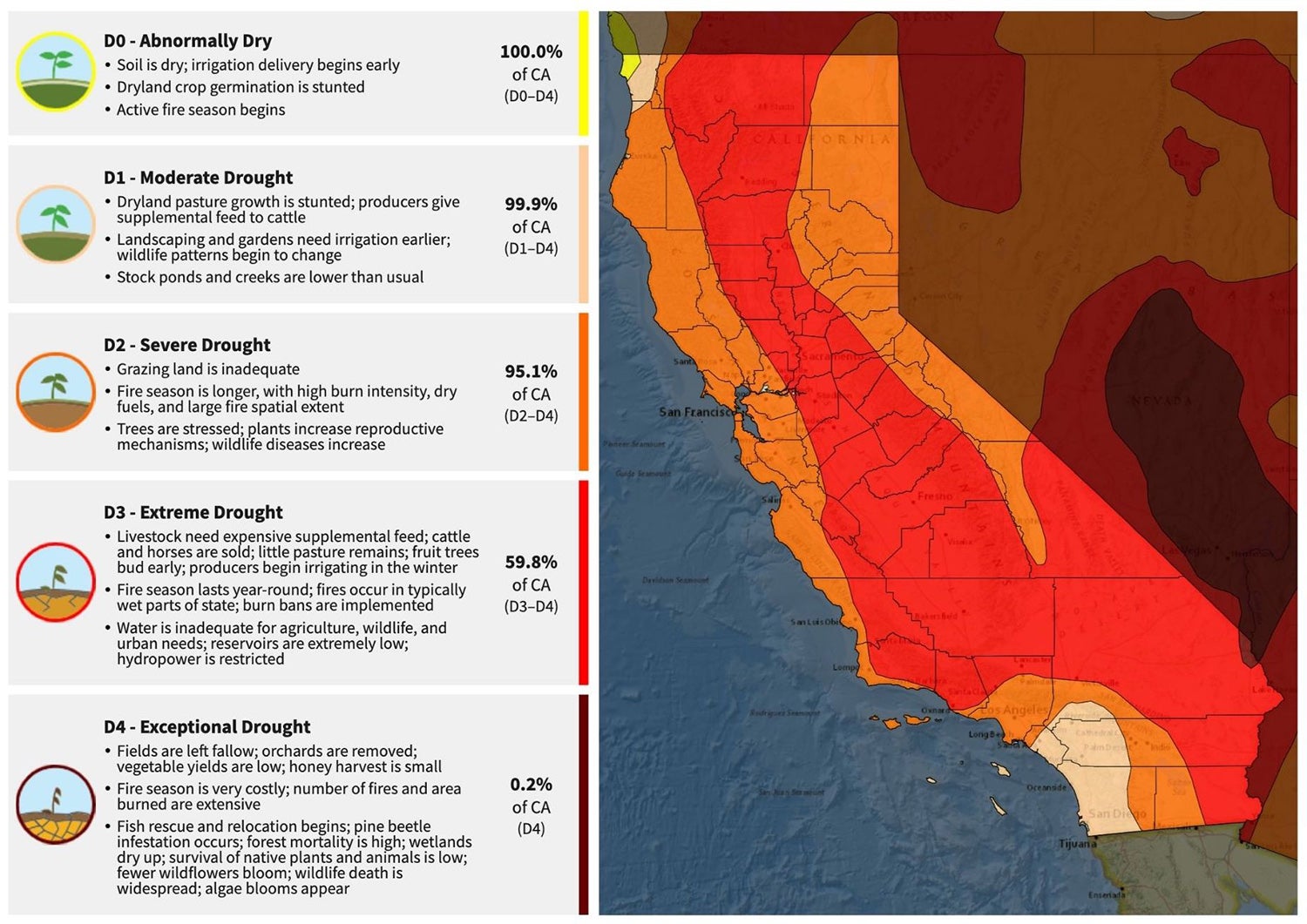
Understanding the California Coastline: Reality vs. Rhetoric
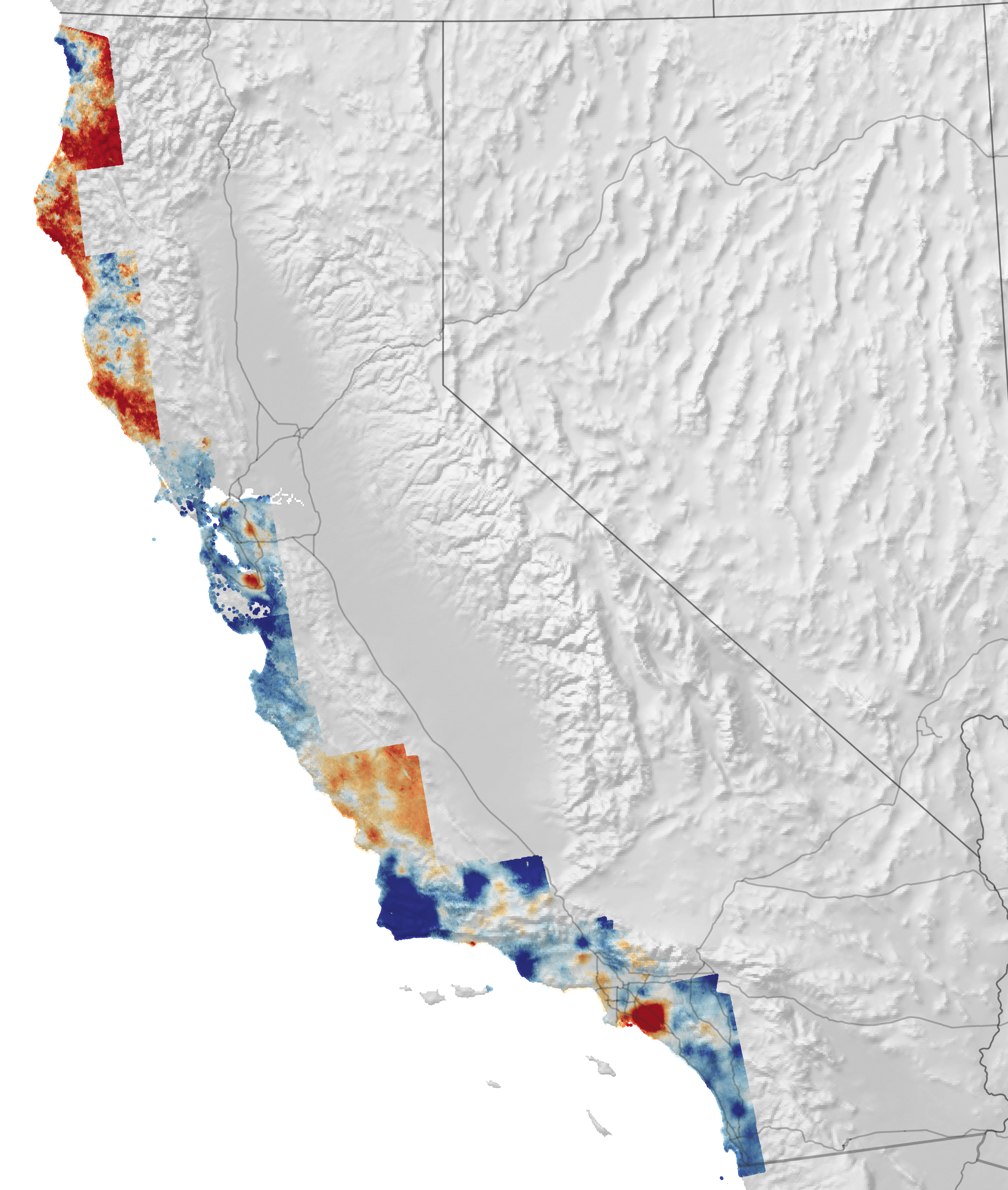
California’s dynamic landscape is a product of millennia of geological forces, from tectonic plate movements to erosion and deposition. While these forces are constantly at work, the idea of the entire state “sinking” is a misinterpretation of complex scientific phenomena, primarily concerning sea-level rise and localized subsidence.
Geological Dynamics and Sea-Level Rise
California sits atop the boundary of the Pacific and North American tectonic plates, leading to its characteristic seismic activity and the dramatic topography that defines much of its coastline. While earthquakes can cause localized ground deformation, they do not lead to the large-scale subsidence implied by “sinking.” Instead, the more pertinent concern for coastal areas globally, including California, is the gradual and measured phenomenon of sea-level rise.
Global sea levels are indeed rising due to thermal expansion of ocean water and the melting of glaciers and ice sheets. For California, projections indicate a continued upward trend in sea levels over the coming decades and centuries. This means that certain low-lying coastal areas, wetlands, and infrastructure near the shore are vulnerable to increased inundation, erosion, and saltwater intrusion. Cities like San Francisco Bay Area, parts of Los Angeles County, and specific delta regions are actively planning for and adapting to these changes. It is a slow, incremental process that calls for strategic infrastructure planning and environmental management, not sudden catastrophe.
Dispelling the “Sinking” Myth for Travelers
The notion of California “sinking” often evokes images of an Atlantis-like disappearance. This is far from the scientific consensus. Travelers visiting California should be assured that their experiences will not be marred by such an event. The state’s vast majority of destinations, from its towering mountains to its sprawling deserts and bustling urban centers, remain unaffected by these specific coastal concerns. Even along the coast, the changes are measured in millimeters and inches over decades, making them imperceptible to the casual visitor.
California’s agencies and communities are actively engaged in coastal resilience planning. This includes protecting natural barriers like dunes and wetlands, upgrading infrastructure, and implementing forward-thinking urban development strategies. These efforts ensure that the state’s iconic beaches, vibrant waterfront cities, and accessible coastal attractions will continue to welcome visitors for generations to come.
California’s Enduring Allure: A Traveler’s Paradise
Beyond the scientific discussions, the true essence of California lies in its unparalleled diversity as a travel destination. The state offers a spectrum of experiences, from sun-kissed beaches to snow-capped peaks, and from world-class urban sophistication to tranquil wilderness. The question of “sinking” hardly touches upon the profound and varied tapestry of adventures awaiting travelers.
Iconic Coastal Destinations
California’s coastline, stretching over 840 miles, is legendary. From the dramatic cliffs and redwood forests of the Mendocino Coast in the north to the sun-drenched beaches of San Diego in the south, the Pacific Coast Highway (Highway 1) offers one of the world’s most scenic drives.
- San Francisco: This iconic city, with its fog-kissed hills, historic cable cars, and the majestic Golden Gate Bridge, remains a vibrant hub of culture, food, and innovation. Explore Alcatraz Island, wander through Golden Gate Park, or indulge in the culinary delights of Fisherman’s Wharf. The city’s charm is timeless and its coastal character resilient.
- Big Sur: A truly breathtaking stretch of coastline where the Santa Lucia Mountains plunge dramatically into the Pacific. Driving Highway 1 through Big Sur is an experience of raw natural beauty, with opportunities for hiking, photography, and simply marveling at the panoramic views.
- Santa Barbara: Known as the “American Riviera,” Santa Barbara boasts pristine beaches, a charming downtown with Spanish colonial architecture, and a thriving wine scene. It’s an ideal destination for relaxation and refined experiences.
- Los Angeles: The sprawling metropolis of Los Angeles offers famous beaches like Malibu, Santa Monica, and Venice Beach, alongside the glitz and glamour of Hollywood and the magic of Disneyland Resort. Its coastal districts are continuously managed and protected.
- San Diego: With its near-perfect climate, beautiful bays, and family-friendly attractions like Balboa Park and the San Diego Zoo, San Diego epitomizes the quintessential Southern California lifestyle.
Beyond the Beaches: Mountains, Deserts, and Cities
To focus solely on the coast would be to miss the extraordinary inland wonders of California. The state’s geographical diversity ensures that even if coastal dynamics were a greater concern, an abundance of safe and spectacular travel options would remain.
- National Parks: California is home to an impressive nine national parks, each offering distinct and unforgettable experiences. Yosemite National Park, with its majestic granite cliffs and towering waterfalls, draws millions annually. Sequoia National Park and Kings Canyon National Park boast the world’s largest trees. Death Valley National Park offers surreal desert landscapes and extreme temperatures, a stark contrast to the verdant Redwood National and State Parks. These inland treasures are miles away from any sea-level concerns.
- Mountain Retreats: The Sierra Nevada mountain range is a paradise for outdoor enthusiasts. Lake Tahoe, straddling the California-Nevada border, is a year-round destination for skiing, hiking, and water sports, framed by pristine alpine scenery.
- Wine Country: The rolling hills of Napa Valley and Sonoma County are world-renowned for their vineyards, gourmet dining, and luxurious retreats. These regions offer a taste of sophisticated indulgence, far from any rising tides.
- Desert Adventures: The vast and mysterious Mojave Desert and Joshua Tree National Park provide unique opportunities for hiking, stargazing, and experiencing a different kind of natural beauty.
Planning Your Resilient California Adventure
Understanding the facts behind sensational headlines allows travelers to approach their California plans with confidence and an informed perspective. The state’s commitment to environmental stewardship and adaptive planning ensures that its natural wonders and cultural attractions will thrive.
Sustainable Travel Practices
As informed travelers, we can contribute to the long-term health and beauty of California by adopting sustainable practices. This means respecting natural environments, supporting local businesses, minimizing waste, and choosing eco-friendly transportation options where possible. Many California destinations and tour operators are at the forefront of sustainable tourism, offering ways for visitors to connect with the state responsibly. Seek out certified green businesses, participate in conservation-focused tours, and educate yourself on local environmental initiatives.
Experiencing California Safely and Responsibly
Whether you’re exploring the urban landscapes of Los Angeles or hiking in Yosemite, typical travel safety advice applies. Stay informed about local conditions, especially regarding weather, wildfires (a recurring concern in certain seasons), and road closures. Utilize official tourism resources and local guides to plan your itinerary, ensuring you have the most up-to-date information for a safe and enjoyable trip.
In conclusion, the concern over California “sinking” is largely unfounded in the dramatic sense implied by the question. While real environmental challenges like sea-level rise are being actively addressed, they do not diminish California’s immense appeal or immediate safety as a premier travel destination. The Golden State continues to offer an extraordinary array of landscapes, cultures, and experiences, inviting travelers to explore its diverse beauty with peace of mind.
LifeOutOfTheBox is a participant in the Amazon Services LLC Associates Program, an affiliate advertising program designed to provide a means for sites to earn advertising fees by advertising and linking to Amazon.com. Amazon, the Amazon logo, AmazonSupply, and the AmazonSupply logo are trademarks of Amazon.com, Inc. or its affiliates. As an Amazon Associate we earn affiliate commissions from qualifying purchases.