
When planning a significant travel adventure within the United States, two titans often emerge in discussions of scale, diversity, and sheer visitor appeal: California and Texas. The question “Is California or Texas bigger?” delves beyond a simple metric, encompassing not just geographical expanse but also the magnitude of their cultural footprint, natural wonders, and the vast spectrum of experiences they offer to travelers. While one clearly dominates in physical land area, the concept of “bigger” quickly expands into a nuanced comparison of destinations, attractions, and unique travel narratives.
The Geographic Colossus: Answering the Scale Question
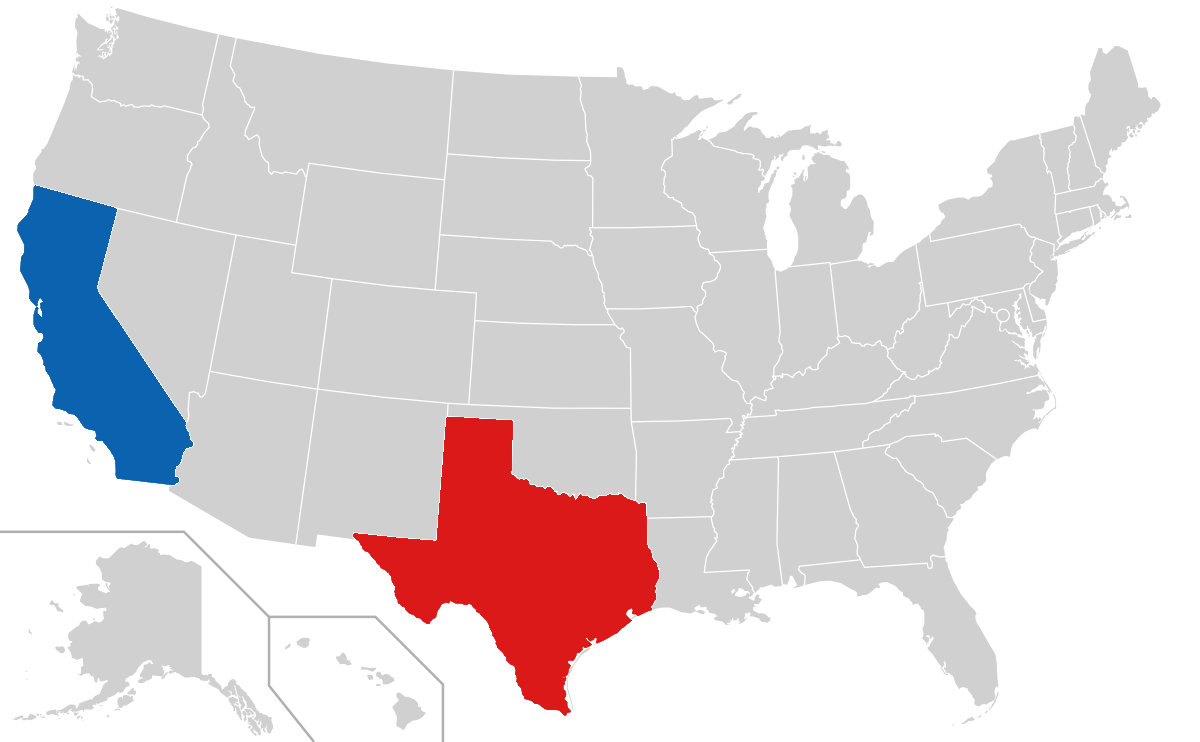
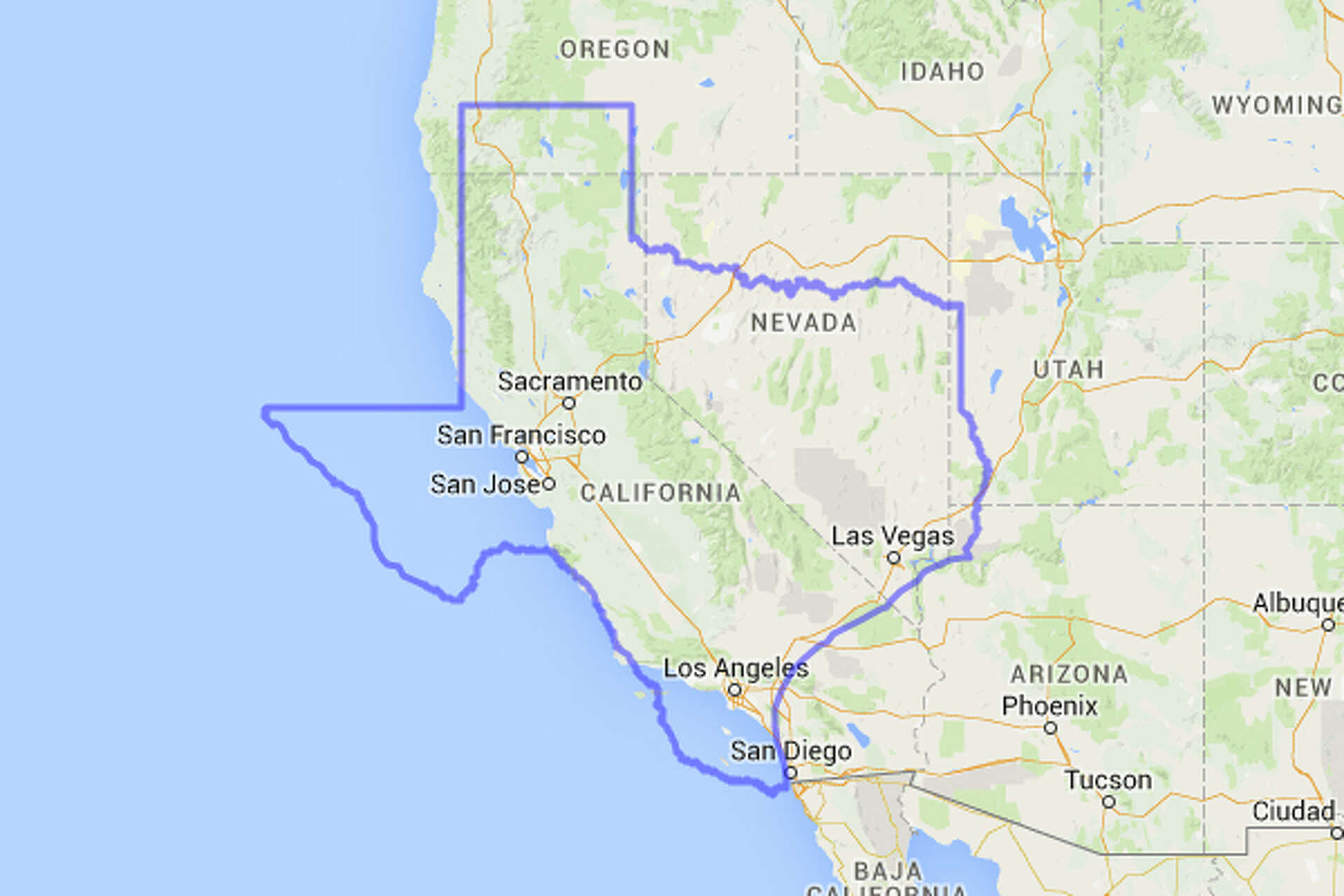
At its most fundamental, the question of size is easily answered: Texas is indeed larger than California in terms of land area. Texas boasts an impressive 268,596 square miles, making it the second-largest state in the United States after Alaska. California, while still vast, covers 163,695 square miles, ranking third. This difference in physical size profoundly influences the type of travel experiences each state offers, particularly regarding the sheer diversity of landscapes one can traverse and the distances between major attractions.
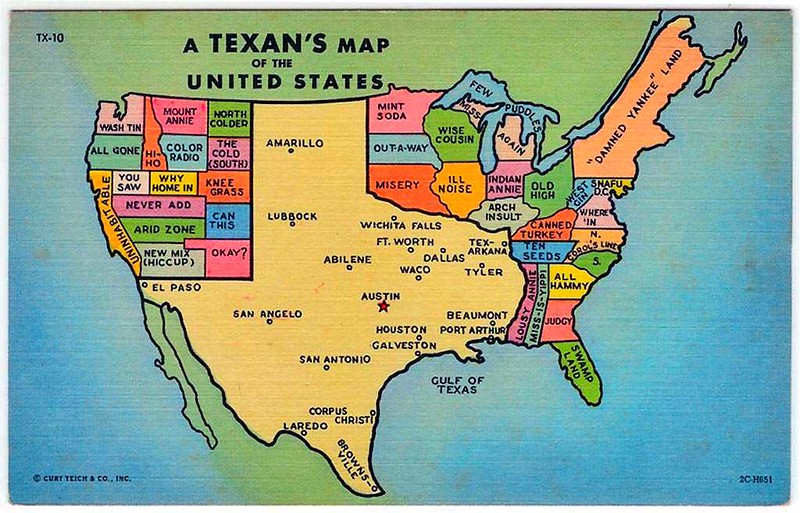
The immense scale of Texas means that a road trip can involve crossing multiple distinct ecological zones, from the humid forests of the Piney Woods in the east to the arid expanses of the Chihuahuan Desert in the west. Its extensive borders touch four other states and Mexico, contributing to a blend of cultural influences that permeate its towns and cities. Similarly, California’s size allows for an incredible range of geographical features, from the lowest point in North America at Death Valley National Park to the towering peaks of the Sierra Nevada mountain range. Its lengthy coastline along the Pacific Ocean defines much of its identity, offering endless beaches, dramatic cliffs, and iconic drives like Big Sur. Understanding this foundational difference in land mass sets the stage for appreciating the distinct travel opportunities each state presents.
A Canvas of Diversity: Natural Wonders and Outdoor Pursuits
Both California and Texas are phenomenal destinations for nature enthusiasts, each presenting a “bigger” collection of unique natural attractions. California’s natural grandeur is world-renowned. It is home to an extraordinary array of national parks, including Yosemite National Park with its majestic waterfalls and granite cliffs, Redwood National Park featuring the tallest trees on Earth, and Sequoia National Park with its colossal giant sequoias. Beyond these iconic sites, travelers can explore the serene alpine beauty of Lake Tahoe, the stark, otherworldly landscapes of Death Valley National Park, and the diverse ecosystems ranging from deserts to forests and volcanoes. The coastline offers myriad opportunities for surfing, whale watching, and exploring picturesque seaside towns.
Texas, while perhaps less famous for its national parks, offers a equally impressive, albeit different, spectrum of outdoor activities. Big Bend National Park in the Trans-Pecos region provides a vast expanse of mountainous desert, deep canyons, and diverse wildlife, ideal for hiking, stargazing, and river trips along the Rio Grande. Guadalupe Mountains National Park boasts the highest peak in Texas and features impressive canyons and fossil reefs. For beach lovers, Padre Island National Seashore offers miles of undeveloped coastline along the Gulf of Mexico, a haven for birdwatching and sea turtle conservation. The rolling hills and spring-fed rivers of the Hill Country provide opportunities for swimming, tubing, and exploring charming small towns, while the Big Thicket National Preserve showcases a unique biological crossroads with a rich array of plant and animal life. Both states promise “bigger” adventures, but their natural playgrounds offer distinctly different challenges and scenic rewards.
Urban Echoes: Major Cities and Cultural Hubs for Travelers
In terms of urban sophistication and cultural impact, both California and Texas host cities that are global magnets for travelers, each offering a “bigger” experience in their respective niches. California’s urban landscape is dominated by metropolises that are powerhouses of innovation, entertainment, and cultural diversity. Los Angeles, a sprawling global city, is synonymous with Hollywood, world-class museums, diverse culinary scenes, and vibrant neighborhoods. San Francisco, with its iconic Golden Gate Bridge, historic cable cars, and tech-driven Silicon Valley nearby, offers a unique blend of historical charm and futuristic innovation. San Diego provides a more relaxed, coastal vibe, known for its beautiful beaches, the world-famous San Diego Zoo, and proximity to Mexico. The state’s major cities are centers for film, technology, finance, and design, drawing millions seeking cutting-edge trends and diverse cultural experiences.
Texas counters with its own formidable array of major cities, each with distinct personalities and significant contributions to culture, music, and industry. Houston is a global energy hub, home to the NASA Johnson Space Center and a thriving arts scene, along with an incredibly diverse population reflected in its culinary offerings. Dallas is a center for business, fashion, and sophisticated dining, boasting impressive museums and a vibrant arts district. Austin, the state capital, is celebrated as the “Live Music Capital of the World,” known for its eclectic music scene, innovative tech industry, and a laid-back, progressive atmosphere. San Antonio offers a rich historical tapestry, highlighted by the Alamo and the enchanting Riverwalk, making it a prime destination for those interested in colonial history and unique urban experiences. These Texan cities collectively provide a “bigger” flavor of Southern hospitality mixed with diverse global influences, distinguishing them sharply from their Californian counterparts.
The Traveler’s Lens: Unpacking Unique Experiences and Economic Impact
When considering which state is “bigger” from a traveler’s perspective, it often boils down to the magnitude and variety of experiences each offers and their economic impact on the travel industry. Both California and Texas are economic powerhouses, and their respective tourism industries are colossal.
California’s tourism economy is one of the largest in the United States, driven by its iconic theme parks like Disneyland Resort and Universal Studios Hollywood, its world-class beaches, wine regions like Napa Valley, and diverse landscapes. Travelers flock to Southern California for its sunny weather and entertainment, to Northern California for its scenic beauty and cultural cities, and to the Central Valley for its agricultural bounty. The state’s influence on global culture, from film to technology, creates a magnetic pull for visitors seeking to witness innovation and celebrity. It offers a “bigger” dose of glamour, pioneering trends, and diverse population demographics that shape its vibrant food scenes and festivals.
Texas also boasts a substantial and rapidly growing tourism sector, attracting visitors with its unique blend of cowboy culture, live music, historical sites, and Gulf Coast attractions. Destinations like Space Center Houston, Six Flags Over Texas, and its many rodeos and BBQ trails offer distinctly Texan experiences. The state’s affordability compared to California often means that a “bigger” vacation experience can be had for the same budget, allowing travelers to explore more, dine lavishly, or extend their stay. The warm hospitality, rich history, and the state’s fierce pride contribute to a travel environment that feels authentically distinct and grand in its own right. From its thriving arts scene in Austin to its historic missions in San Antonio, Texas provides a “bigger” and bolder sense of regional identity.
In conclusion, while Texas is undeniably “bigger” in sheer land area, both states offer a monumental scale of travel experiences. California might be seen as “bigger” in terms of global cultural impact and diverse natural extremes, while Texas offers a “bigger” sense of historical heritage, regional identity, and broad, open spaces. The choice between them ultimately depends on what kind of “big” adventure a traveler seeks.
LifeOutOfTheBox is a participant in the Amazon Services LLC Associates Program, an affiliate advertising program designed to provide a means for sites to earn advertising fees by advertising and linking to Amazon.com. Amazon, the Amazon logo, AmazonSupply, and the AmazonSupply logo are trademarks of Amazon.com, Inc. or its affiliates. As an Amazon Associate we earn affiliate commissions from qualifying purchases.