
For many visitors and residents exploring the vibrant landscape of California, understanding the legalities surrounding popular leisure activities is crucial. Among the most frequently asked questions in the realm of modern entertainment is the status of sports betting, particularly concerning major national platforms like ESPN Bet. As a state renowned for its innovation, culture, and diverse attractions, California also presents a complex legal environment for gambling.
The straightforward answer to whether ESPN Bet is legal in California is no. At present, online sports betting, including operations by ESPN Bet or any other major operator such as DraftKings or FanDuel, is not legally permitted anywhere within the state’s borders. This reality significantly shapes the leisure and entertainment landscape for both tourists seeking to place a wager during their visit and local residents interested in participating in the burgeoning world of regulated sports wagering.
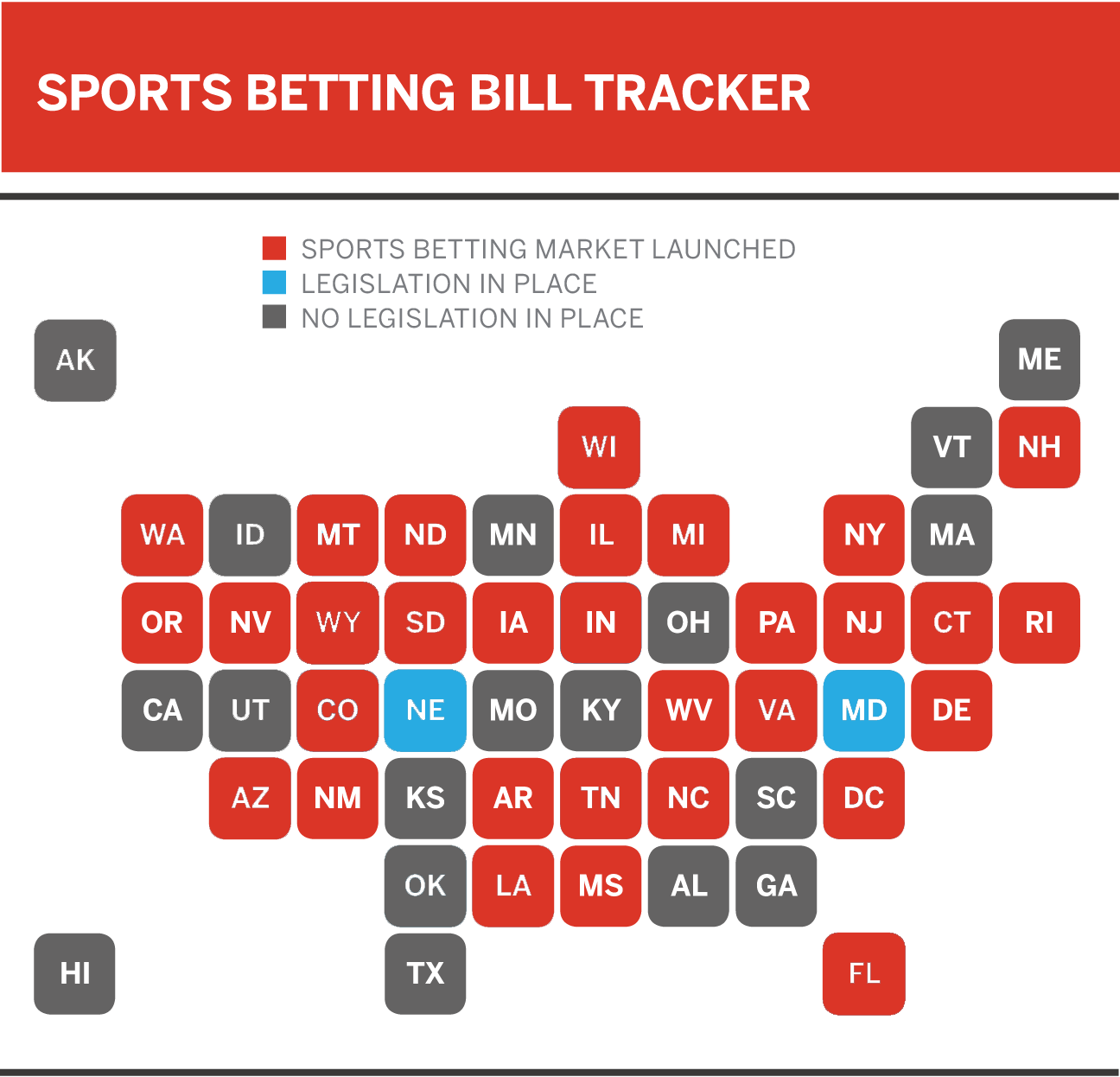
The Current Landscape of Sports Betting in California
California stands as the most populous state in the United States and represents an enormous potential market for the sports betting industry. Despite its size and economic power, the state has consistently lagged behind many others in legalizing online sports wagering. This situation is not due to a lack of interest, but rather a deeply entrenched and politically complex landscape involving powerful stakeholders and a cautious approach to regulatory changes.
No Legal Online Sports Betting
Unlike neighboring states like Arizona or traditional gaming hubs like Nevada, California has yet to pass legislation that would authorize and regulate online sports betting. This means that any platform requiring users to be physically present in a legal state to place bets, like ESPN Bet, will geo-fence users in California, preventing them from accessing their services. For tourists traveling through cities like Los Angeles or San Francisco, this translates into an inability to use their familiar betting apps while within the state.
The absence of legal online sports betting also extends to retail sportsbooks. There are no brick-and-mortar sportsbooks in casinos or racetracks in California where individuals can legally place bets on sporting events. This contrasts sharply with states that have moved to legalize, often starting with retail locations before expanding to online platforms.
Failed Initiatives and Tribal Resistance
The path to legalizing sports betting in California has been fraught with challenges, primarily highlighted by the comprehensive defeat of two ballot initiatives in November 2022. These initiatives represented different approaches to legalization and brought into sharp focus the deep divisions among key interest groups:
- Proposition 26: This measure sought to legalize in-person sports betting at tribal casinos and racetracks. It was primarily supported by a coalition of California’s tribal nations, who viewed it as a way to protect and expand their existing gaming monopolies. They argued that any expansion of gambling should remain under their control, given their historical compacts with the state.
- Proposition 27: This initiative aimed to legalize online sports betting, primarily supported by national sports betting operators like DraftKings and FanDuel. It proposed a regulatory framework that would allow these commercial entities to operate within California, with a portion of the revenue allocated to address homelessness and problem gambling.
Both propositions faced significant opposition and were overwhelmingly rejected by voters. The campaigns were the most expensive in California’s history, with hundreds of millions of dollars spent on advertising. The failure of Proposition 27 was largely attributed to intense tribal opposition, which successfully campaigned against commercial online betting, fearing it would siphon revenue from their lucrative casino operations. Proposition 26, while supported by tribes, also failed due to concerns about its scope and the complex political dynamics.
The outcome underscored the formidable influence of California’s tribal gaming community, which has a vested interest in maintaining its exclusivity over gaming operations. This resistance poses a significant hurdle for any future legislative efforts to introduce online sports betting, impacting the availability of platforms like ESPN Bet for tourists and residents alike.
Understanding the ESPN Bet Question
The emergence of ESPN Bet as a prominent player in the sports betting market highlights the growing convergence of sports media and wagering. However, even with the backing of a media giant, its operations are entirely dependent on state-level legalization and licensing.
Operator Requirements and State Licensing
For any sports betting operator, including ESPN Bet, to offer its services in a state, several fundamental requirements must be met:
- Legalization: The state legislature or a ballot initiative must first pass laws explicitly legalizing sports betting.
- Regulatory Framework: A state regulatory body (often a gaming commission or lottery commission) must be established or designated to oversee sports betting, setting rules for licensing, responsible gaming, taxation, and operational standards.
- Licensing: Operators must apply for and obtain a license from the state, which typically involves a rigorous vetting process, financial disclosures, and adherence to all regulatory requirements.
Since California has not met the first requirement—legalization—no operator, regardless of its size or brand recognition, can legally offer sports betting services within the state. ESPN Bet operates legally in states that have successfully navigated these steps, such as New York, Pennsylvania, and Michigan, but California is not among them.

What This Means for Visitors and Residents
For those visiting California for its national parks, beaches, or urban attractions, or for residents enjoying local culture, the inability to use ESPN Bet and similar platforms has direct implications.
- No Access to Apps: Sports betting apps will not function for real-money wagering when a user’s location is detected within California. Trying to circumvent geo-location technology is illegal and can result in account suspension and other penalties.
- No Legal In-Person Betting: There are no designated physical locations where legal sports bets can be placed. While there are tribal casinos offering traditional casino games, sports betting is not among them.
- Illegal Offshore Sites: Engaging with offshore, unregulated betting sites is strongly advised against. These sites offer no consumer protection, can be unreliable, and operate outside of any legal framework, making them risky for users.
This legal void means that sports enthusiasts in California cannot legally participate in the regulated sports betting market, distinguishing their experience from those in states where such activities are commonplace.
The Path Forward: Legislative Hurdles and Public Opinion
The defeat of the 2022 initiatives did not permanently close the door on sports betting in California, but it certainly reset the timeline. The political will and strategic alignment required to bring about legalization are still evolving.
Key Stakeholders and Their Positions
The primary actors in California’s sports betting debate remain unchanged:
- Tribal Nations: They are the most powerful voice, fiercely protecting their sovereignty and the economic benefits derived from their exclusive gaming rights. Any future legislation must garner significant tribal support or face insurmountable opposition. Their preference is often for in-person betting on tribal lands, with some openness to online platforms if they are tribal-controlled.
- Commercial Sports Betting Operators: Companies like ESPN Bet, DraftKings, and FanDuel are eager to enter the California market due to its immense potential. They advocate for a broad online betting market, often through partnerships or independent licensing.
- Racetracks and Card Rooms: These existing gaming entities also seek a piece of the sports betting pie, looking for opportunities to expand their offerings.
- State Legislature: Lawmakers in Sacramento are wary of another costly and divisive battle. They are likely waiting for stakeholders to find a compromise before pushing new legislation.
Reaching a consensus among these diverse and often opposing interests is the biggest hurdle. The financial stakes are enormous, and the political capital required to broker a deal is substantial.
Potential Future Scenarios
While the immediate future of sports betting in California remains uncertain, several scenarios could unfold:
- A New Ballot Initiative: It is possible that a new, more carefully crafted ballot measure, perhaps a compromise between tribal and commercial interests, could be proposed for a future election, potentially in 2024 or 2026. Such a measure would likely need to incorporate elements that satisfy the concerns of both tribal nations and the broader public.
- Legislative Action: Less likely but still possible, the state legislature could take the lead in crafting and passing a bill, though this would still require significant stakeholder buy-in to avoid a referendum challenge.
- Continued Stalemate: Given the complexity and past failures, a prolonged period of no new action is also a distinct possibility, leaving California as one of the few large states without legal online sports betting.
For tourists planning future trips and residents hoping for changes, staying updated on these legislative developments is key.
Navigating Entertainment Options in California
Despite the current lack of legal sports betting, California offers an unparalleled array of entertainment and gaming opportunities that cater to every taste, ensuring visitors and residents have plenty of leisure activities to enjoy.
Alternative Legal Gaming Opportunities
While sports betting is off-limits, other forms of regulated gambling are widely available throughout California:
- Tribal Casinos: Numerous tribal casinos are spread across the state, offering a full range of traditional casino games including slot machines, blackjack, poker, roulette, and more. These venues often provide a comprehensive entertainment experience, complete with restaurants, live shows, and luxury accommodations. For instance, a drive from Los Angeles or San Francisco can lead to world-class resorts where you can enjoy a vibrant gaming atmosphere.
- Horse Racing: Pari-mutuel wagering on horse races is legal in California. Race tracks like Santa Anita Park and Del Mar Racetrack offer live racing events and opportunities to bet on the outcome, providing a classic form of sports-related wagering.
- California Lottery: The California Lottery offers various draw games and scratchers, providing a state-regulated form of gambling.
- Daily Fantasy Sports (DFS): While not universally regulated or explicitly legalized by state law, Daily Fantasy Sports contests, offered by platforms like DraftKings and FanDuel, operate in a legal gray area in California and are widely available. These are considered games of skill rather than pure chance, distinguishing them from traditional sports betting in many jurisdictions.
For those eager to engage in betting activities, these legal alternatives offer a rich and varied experience that aligns with California’s existing gaming framework.

Staying Informed About Regulatory Changes
The legal landscape of sports betting in California is dynamic and subject to change. For any visitor or resident interested in placing a wager, it is always advisable to:
- Consult Official Sources: Before engaging in any form of gambling, always verify its legality through official California state government websites or gaming commission resources.
- Monitor News and Updates: Keep an eye on local news and reputable industry publications for legislative updates or new ballot initiatives related to sports betting.
- Understand Geo-location: If sports betting were to become legal, it would still rely on precise geo-location technology, meaning users would have to be physically within state lines to place bets, even if they have accounts registered elsewhere.
While ESPN Bet and other major online sportsbooks are not currently legal in California, the state continues to offer a rich tapestry of entertainment. Understanding these legal boundaries ensures a compliant and enjoyable experience for everyone exploring the golden state’s many leisure activities.
LifeOutOfTheBox is a participant in the Amazon Services LLC Associates Program, an affiliate advertising program designed to provide a means for sites to earn advertising fees by advertising and linking to Amazon.com. Amazon, the Amazon logo, AmazonSupply, and the AmazonSupply logo are trademarks of Amazon.com, Inc. or its affiliates. As an Amazon Associate we earn affiliate commissions from qualifying purchases.