
California has long been a beacon for innovation, culture, and, notably, progressive legislation, particularly concerning animal welfare. For tourists planning a visit to the Golden State, navigating its unique culinary landscape means understanding its local laws, especially when it comes to controversial delicacies like foie gras. The question of whether foie gras is illegal in California is more complex than a simple yes or no, having been a subject of intense legal and ethical debate for over a decade. For the discerning foodie and culturally curious traveler, grasping the nuances of this prohibition is key to fully appreciating California’s vibrant, albeit regulated, dining scene.

The Culinary Conundrum for California Tourists
For many international travelers and domestic visitors, experiencing a region’s unique cuisine is a cornerstone of their journey. Foie gras, a rich delicacy made from the liver of a duck or goose that has been force-fed, holds a special place in haute cuisine globally. Its controversial production method, however, has led to significant ethical concerns and outright bans in various jurisdictions. When visiting California, tourists often arrive with expectations shaped by its reputation for culinary excellence, from the fresh seafood of San Francisco to the farm-to-table movement of Napa Valley and the diverse gastronomic offerings of Los Angeles. Discovering that a prized ingredient might be off-limits can be surprising, prompting questions about local culture, animal rights, and the very fabric of California’s food identity. This situation isn’t merely about a single dish; it reflects California’s broader commitment to animal welfare, which permeates various aspects of its agricultural and consumer laws. Understanding this commitment helps tourists not only navigate dining choices but also appreciate the state’s values.
A Deep Dive into California’s Foie Gras Legislation
The journey of foie gras legality in California has been a protracted legal saga, marked by legislative action, court challenges, and public debate. It all began with a landmark piece of legislation that aimed to address the ethical concerns surrounding the production of this controversial delicacy.
The Initial Ban: SB 1520
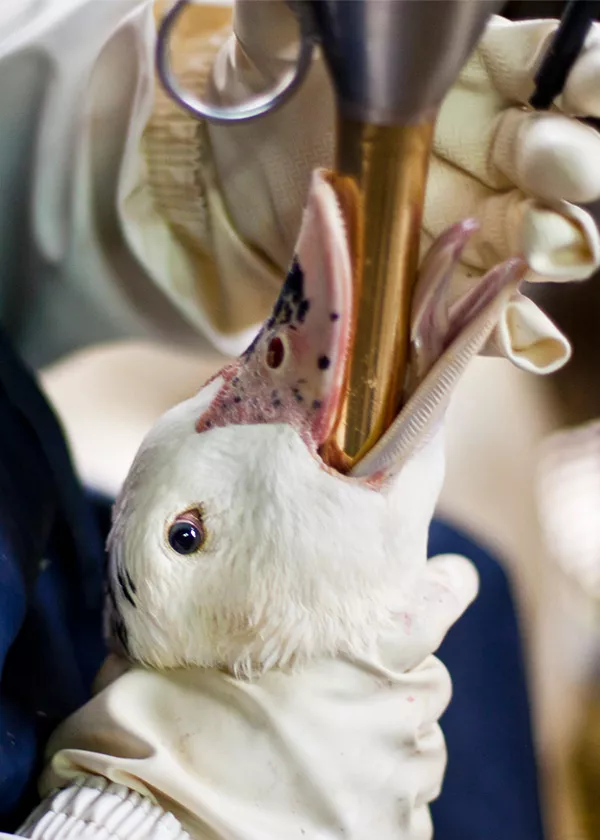
The story of California’s foie gras ban officially began in 2004 with the passage of Senate Bill 1520, authored by then-State Senator John Burton. This legislation stipulated a two-pronged prohibition: it banned the force-feeding of birds for the purpose of enlarging their livers to produce foie gras, and it prohibited the sale of products that resulted from this force-feeding process. Recognizing the need for producers to adapt, the bill included a seven-and-a-half-year grace period before it would take effect. This gave businesses until July 1, 2012, to transition away from the controversial practice or find alternative methods of production if they wished to continue operating within California. The rationale behind SB 1520 was rooted deeply in animal welfare concerns, with proponents arguing that the force-feeding method, known as “gavage,” was inherently cruel and inhumane.
Legal Challenges and Back-and-Forth
The implementation of the ban in 2012 immediately sparked a flurry of legal challenges. Producers, chefs, and industry groups argued that the ban was unconstitutional, violated federal commerce clauses, and unfairly targeted an agricultural product.
One of the most significant challenges came from a coalition of foie gras producers from New York and Canada and a local restaurant group. In 2015, a federal judge in California sided with the plaintiffs, issuing an injunction that temporarily halted the sales ban, though the production ban remained in effect. This created a period of confusion and opportunity, as restaurants across the state began to reintroduce foie gras to their menus, sourcing it from out-of-state producers.
However, this victory for foie gras advocates was short-lived. The state of California appealed the decision, and in September 2017, the Ninth Circuit Court of Appeals reversed the lower court’s ruling, reinstating the ban on sales. This meant that foie gras once again disappeared from California menus. The legal battles continued, with appeals reaching the Supreme Court of the United States on multiple occasions, but each time, the Supreme Court declined to hear the case, effectively allowing the Ninth Circuit ruling to stand.
The Current Legal Landscape
As of today, the ban on foie gras production and sale within California remains firmly in effect. This means it is illegal for any entity in California to produce foie gras through force-feeding or to sell foie gras, regardless of where it was produced. Restaurants, grocery stores, and distributors are prohibited from offering the product to consumers. This legislation targets the commercial aspect of foie gras, aiming to eliminate its presence in the state’s marketplace due to the perceived cruelty in its production. While the law specifically focuses on sales and production, the practical implication for tourists is that they will not find foie gras legally available in any restaurant or store during their visit to California.
Understanding the Implications for Dining in California
For tourists, the current legal status of foie gras in California has direct and clear implications for their dining experiences. The prohibition is not merely a suggestion but a legally enforced restriction that influences everything from high-end dining to specialty food markets.
The primary takeaway is straightforward: you will not find foie gras legally served in California restaurants, nor will you be able to purchase it from retailers within the state. This means that if enjoying foie gras is a key part of your culinary travel agenda, you will need to seek it out in other states or countries where its sale is permitted. Attempting to circumvent these laws by asking for it “off-menu” or looking for illicit sales is ill-advised and could put both the consumer and the establishment at risk.
While the law primarily targets the sale and production, personal possession of foie gras acquired outside the state isn’t explicitly prohibited for individual consumption. However, the practicalities of a tourist bringing foie gras into California for personal use are complex, involving transportation and potential health code implications if consumed in public or within an establishment. For most travelers, it’s a non-starter.
The ban has undoubtedly impacted some chefs and restaurants that once featured foie gras prominently. While some have lamented the loss of a versatile ingredient, many have embraced the challenge, developing innovative dishes and focusing on other luxury ingredients or ethically sourced alternatives. This adaptation has spurred creativity in California’s kitchens, leading to a vibrant and diverse culinary scene that continues to thrive without this particular delicacy. The ethical debate surrounding foie gras remains potent, with animal welfare advocates championing California’s stance as a victory for compassionate consumption, while some culinary traditionalists argue for gastronomic freedom.
Exploring California’s Diverse Culinary Alternatives
Despite the absence of foie gras, California’s culinary landscape remains one of the richest and most diverse in the world, offering an abundance of experiences for every palate. Tourists should view the foie gras ban not as a limitation, but as an invitation to delve deeper into the state’s unique gastronomic identity, which champions fresh, local, and often innovative cuisine.
California is renowned for its pioneering farm-to-table movement. From the fertile fields of the Central Valley to the coastal farms, the state boasts an incredible array of fresh produce, sustainably raised meats, and artisanal products. Visitors can indulge in seasonal menus that highlight the freshest ingredients, whether dining in a Michelin-starred restaurant in San Francisco, a trendy eatery in Los Angeles, or a charming bistro in Sonoma or Napa Valley.
Seafood is another pillar of California’s culinary scene. With its extensive coastline, fresh catches ranging from Dungeness crab and oysters to various local fish species are abundant. Coastal cities like Monterey, Santa Barbara, and San Diego offer unparalleled opportunities for ocean-fresh dining.
Furthermore, California’s cultural melting pot is reflected in its food. The state offers an incredible array of ethnic cuisines, from authentic Mexican food in San Ysidro to vibrant Asian eateries in San Francisco’s Richmond District or Los Angeles’ Koreatown. The fusion of global flavors with local ingredients often creates unique and unforgettable dining experiences. For those seeking luxury ingredients, many California establishments excel in preparing truffles, caviar, high-grade wagyu beef, and other gourmet items, often with a focus on sustainable and ethical sourcing. Exploring these alternatives allows tourists to immerse themselves in the true spirit of California’s gastronomic innovation and its commitment to quality and responsible practices.

Tips for the Discerning California Foodie
For tourists eager to make the most of their culinary adventures in California, a few practical tips can enhance the experience:
- Embrace Local and Seasonal: Rather than seeking out specific prohibited items, focus on what California does best: fresh, local, and seasonal ingredients. Ask your server about seasonal specials or regional delicacies that are currently highlighted on the menu. This approach often leads to the most authentic and memorable dining experiences.
- Explore Diverse Cuisines: California’s incredible diversity means an endless array of culinary options. Step outside your comfort zone and try an acclaimed Mexican eatery, a top-tier Japanese sushi bar, or a cutting-edge fusion restaurant. Each region, from San Francisco to Los Angeles and beyond, has its own unique culinary specialties.
- Research Restaurants Ahead of Time: If you have specific dietary preferences or are curious about a restaurant’s philosophy on sourcing and ingredients, a quick online search or call ahead can provide valuable information. Many California restaurants proudly showcase their commitment to sustainability and animal welfare.
- Understand California Values: The foie gras ban is a reflection of California’s broader cultural and legislative priorities regarding animal welfare. Approaching your visit with an understanding of these values can provide a richer context for your experiences, whether you agree with every specific law or not.
- Connect with Local Food Experts: Don’t hesitate to ask hotel concierges, local guides, or even friendly locals for their restaurant recommendations. They can often point you to hidden gems or establishments that truly embody the spirit of California’s food scene.
Ultimately, while foie gras may not be a part of the California dining experience, the state offers a vast and exciting culinary journey. By embracing its unique regulations and celebrating its wealth of fresh, ethically conscious, and diverse food options, tourists can discover a gastronomic paradise unlike any other.
LifeOutOfTheBox is a participant in the Amazon Services LLC Associates Program, an affiliate advertising program designed to provide a means for sites to earn advertising fees by advertising and linking to Amazon.com. Amazon, the Amazon logo, AmazonSupply, and the AmazonSupply logo are trademarks of Amazon.com, Inc. or its affiliates. As an Amazon Associate we earn affiliate commissions from qualifying purchases.