
Venturing through the sun-drenched landscapes and vibrant cities of California by car is an iconic travel experience. From the winding coastal roads to the bustling urban centers, a road trip across the Golden State promises unforgettable memories. However, amidst planning routes and packing essentials, some travelers might ponder seemingly minor details, such as the legality of driving barefoot. It’s a question that often sparks debate and curiosity, particularly for those accustomed to different regulations in their home regions or countries.
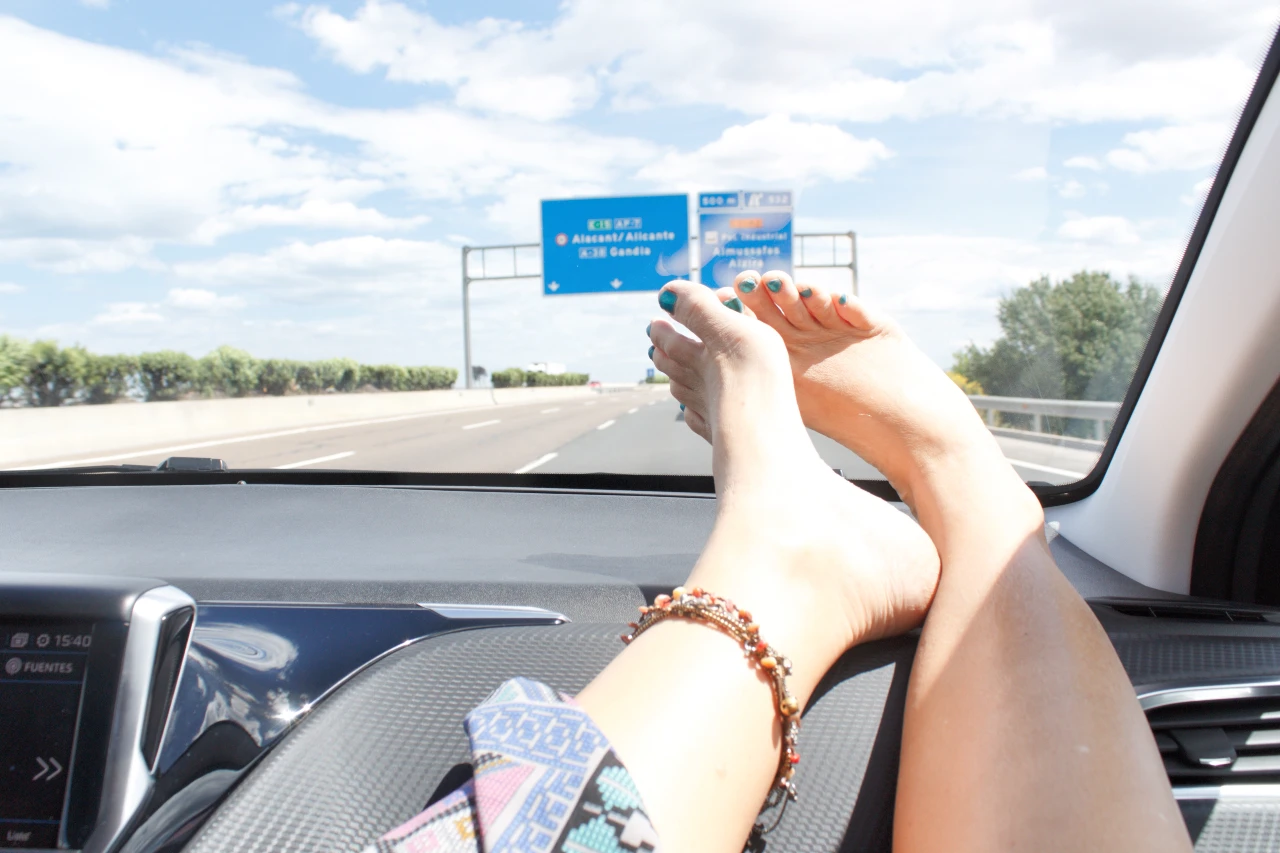
The short answer is no, it is not explicitly illegal to drive without shoes in California. Unlike some states or specific jurisdictions that might have statutes addressing footwear while operating a vehicle, California vehicle code does not contain a specific law prohibiting barefoot driving. This absence of a direct prohibition, however, doesn’t mean it’s the safest or most recommended practice, especially for tourists aiming for a smooth, incident-free journey. Understanding the nuances of this common misconception, alongside other crucial driving tips, is essential for any visitor planning to explore California behind the wheel.
The Letter of the Law: Barefoot Driving in California
When discussing the legality of various actions while driving, it’s crucial to refer to the specific statutes that govern road safety and vehicle operation. For barefoot driving in California, the legal landscape is quite clear by its very omission.
No Specific Statute
The California Vehicle Code is comprehensive, covering everything from speed limits and traffic signals to distracted driving and seatbelt use. However, a thorough review reveals no specific section or subsection that makes it illegal to operate a motor vehicle while barefoot. This means that, from a strictly legal standpoint, a law enforcement officer cannot issue a citation solely for driving without shoes. This often surprises many, as the myth of its illegality is widespread, possibly stemming from perceived safety concerns or generalized advice about responsible driving.
The misconception might also be rooted in the practices of other states or even certain insurance company policies, which can vary significantly. For visitors, assuming national uniformity in driving laws can lead to confusion. In California, however, the focus of the law is generally on impairment of control rather than the specific condition of the driver’s footwear.
“Safe Operation” and Discretion
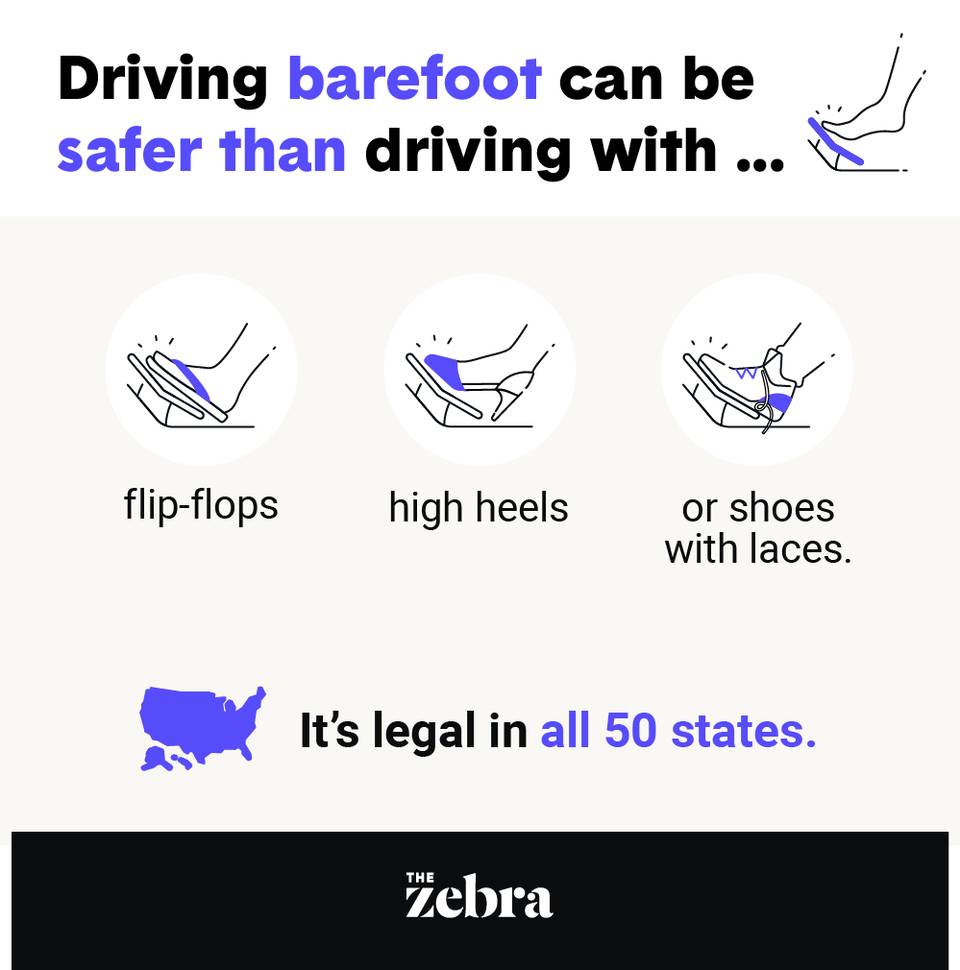
While there’s no direct prohibition, the broader principle of “safe operation” of a vehicle always applies. This is where a subtle but important distinction arises. If a law enforcement officer determines that a driver’s lack of shoes (or any other factor, including inappropriate footwear like flimsy flip-flops or high heels) is directly impairing their ability to safely operate the vehicle, they could potentially issue a citation for reckless driving or unsafe operation. However, such instances are exceedingly rare for barefoot driving alone and would typically require evidence that the bare feet actively contributed to a demonstrable loss of control or an unsafe maneuver.
The critical element here is the impairment of control. For example, if a driver’s bare foot were to slip off a pedal, leading to an accident, the cause of the accident (the slip) might be scrutinized, and the lack of proper footwear could be a contributing factor. Nevertheless, the act of driving barefoot in itself is not the punishable offense. This discretionary aspect underscores why it’s always prudent for drivers, especially those unfamiliar with local nuances, to err on the side of caution and prioritize safety and comfort.
Practical Considerations for Tourists and Drivers in the Golden State
Beyond the legal technicalities, there are several practical reasons why driving barefoot might not be the most advisable choice for anyone, especially tourists exploring California. These considerations often revolve around safety, comfort, and the overall driving experience.
Safety First: The Real Concerns
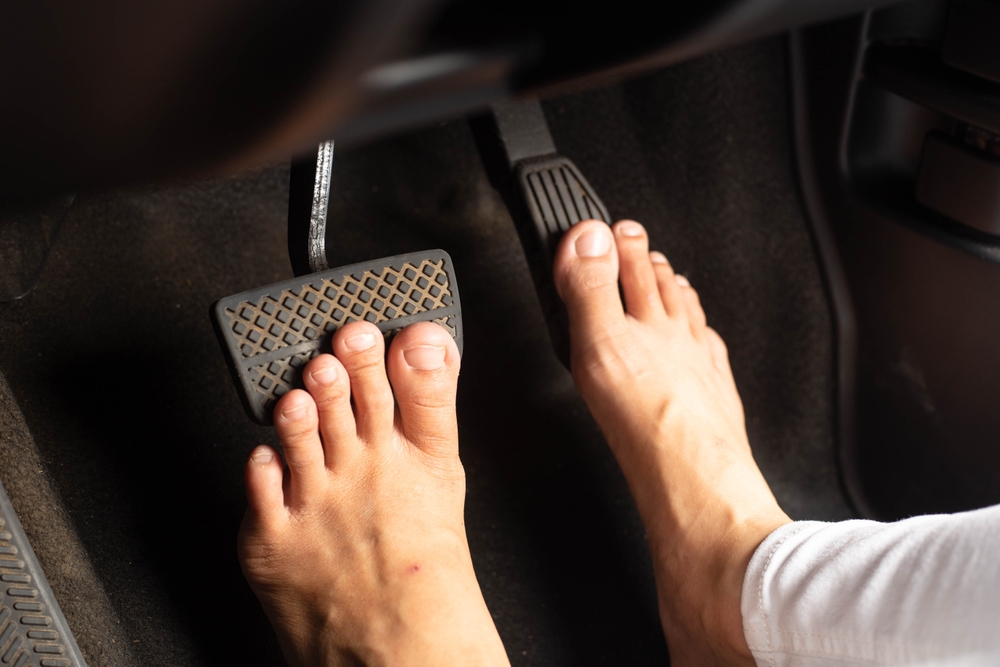
- Pedal Control: The primary safety concern with barefoot driving is the potential for reduced pedal control. Bare feet might lack the grip and leverage that a sturdy shoe provides, making it easier for a foot to slip off the brake or accelerator pedal, particularly during sudden maneuvers or in emergency situations. Furthermore, the small bones and tendons of the foot are more vulnerable to strain and injury when pressing hard on pedals over long periods or in forceful braking.
- Response Time: While a marginal difference, some argue that the tactile feedback and force distribution offered by shoes can contribute to quicker and more precise pedal engagement. In a critical situation, every fraction of a second and every degree of control matters.
- Debris and Injury: Getting in and out of a car, especially in parking lots, gas stations, or unfamiliar areas, exposes bare feet to potential hazards. Hot asphalt, sharp gravel, broken glass, or other debris can cause painful injuries. A sudden injury to the foot could, in turn, affect the driver’s ability to operate the vehicle safely if they have to quickly get back behind the wheel.
- Emergency Situations: In the unfortunate event of an accident, bare feet are highly vulnerable to injury from shattered glass, twisted metal, or other impacts. Proper footwear offers a layer of protection that bare skin simply cannot.
- Comfort on Longer Drives: California road trips can involve significant distances. Bare feet can become sweaty, uncomfortable, or even cramp over extended periods, leading to driver fatigue and distraction.
Hygiene and Vehicle Maintenance
While less critical than safety, hygiene is another practical consideration. Bare feet can transfer dirt, sweat, and oils directly onto the vehicle’s pedals and floor mats. Over time, this can lead to an accumulation of grime, potential odors, and increased wear and tear on the car’s interior. For those renting a vehicle, maintaining cleanliness is often part of the rental agreement’s implicit expectations.
Insurance Implications
Although unlikely to be a primary cause, if you were involved in an accident and it was determined that your barefoot driving contributed to the incident (e.g., your foot slipped off the brake pedal), an insurance company could potentially use this information to argue negligence or to deny parts of a claim. While rare and highly dependent on the specifics of the accident, it adds a layer of potential complication that is easily avoided by wearing appropriate footwear.
Beyond Barefoot: Other Driving Tips for California Visitors
Understanding the nuances of barefoot driving is just one small part of navigating California’s diverse roads. For a truly smooth and enjoyable trip, visitors should be aware of several other key driving practices and local peculiarities.
Understand Local Traffic Laws
- Lane Splitting (Motorcycles): California is unique in that it allows motorcycles to legally practice lane splitting (driving between lanes of stopped or slow-moving traffic). Car drivers should be aware of this and always check mirrors carefully before changing lanes.
- Right Turn on Red: In California, it is generally permissible to make a right turn on a red light after coming to a complete stop, unless a sign explicitly prohibits it. Always yield to pedestrians and oncoming traffic.
- Hands-Free Devices: California has strict laws regarding mobile phone usage while driving. It is illegal to drive with a cell phone in hand, even when stopped at a red light. All mobile communication must be hands-free.
- HOV Lanes: High Occupancy Vehicle (HOV) lanes are common on California freeways, designated for vehicles with two or more occupants (or specific clean-air vehicles). Fines for improper use are significant.
- Pedestrian Crosswalks: Pedestrians always have the right-of-way in marked and unmarked crosswalks. Drivers must stop and yield.
Navigating California’s Diverse Terrains
California’s geography is incredibly varied, and so are its driving conditions.
- Coastal Drives: Routes like the iconic Pacific Coast Highway offer breathtaking views but feature winding roads, steep cliffs, and sometimes heavy tourist traffic. Drive cautiously and be prepared for slower speeds.
- City Driving: Major metropolitan areas like Los Angeles and San Francisco are known for their dense traffic. In San Francisco, be prepared for steep hills and unique intersections. Los Angeles freeways can be complex, and navigation apps are indispensable.
- Mountain Roads: Driving to destinations like Yosemite National Park or Lake Tahoe involves mountain roads that can be challenging. In winter, snow chains might be required or recommended. Always check road conditions before heading into mountainous regions.
- Desert Areas: Exploring places like Death Valley or driving towards Palm Springs requires awareness of extreme heat. Ensure your vehicle is in good condition, carry plenty of water, and be prepared for potential long stretches without services.
Parking and Roadside Assistance
Parking in California’s popular tourist spots and major cities can be expensive and challenging to find. Always read parking signs carefully to avoid hefty fines or towing. For peace of mind on longer drives, consider enrolling in a roadside assistance program or ensuring your rental car company offers comprehensive support.
Recommendations for a Hassle-Free California Road Trip
While the legality of driving barefoot in California might be a fun trivia fact, the overarching recommendation for any visitor is to prioritize safety, comfort, and preparedness.
Always Opt for Appropriate Footwear
Despite the lack of a specific law, wearing comfortable, closed-toe shoes with good grip is universally recommended for driving. Sneakers, driving shoes, or sturdy sandals that secure firmly to the foot are ideal. This simple choice significantly reduces the risk of pedal slippage, offers protection to your feet, and generally enhances driving comfort and control.
Prioritize Safety and Comfort
A trip to California should be about enjoyment, exploration, and creating lasting memories. Minimizing potential hazards, even minor ones, contributes to a more relaxed and safer experience. Ensuring you are comfortable and in full control of your vehicle allows you to fully appreciate the stunning scenery and diverse attractions the state offers.
Stay Informed and Prepared
Before embarking on any extensive driving itinerary in California, take time to research your specific routes. Check for current road conditions, particularly during extreme weather seasons (winter in mountains, summer in deserts). Be aware of the general traffic patterns for the areas you plan to visit, especially around major cities during peak hours. Always have essential items in your car, such as water, a first-aid kit, and a charged mobile phone.
By combining an understanding of local driving practices with a commitment to safety and preparedness, visitors can ensure their California road trip is not only memorable but also smooth, safe, and entirely legal.
LifeOutOfTheBox is a participant in the Amazon Services LLC Associates Program, an affiliate advertising program designed to provide a means for sites to earn advertising fees by advertising and linking to Amazon.com. Amazon, the Amazon logo, AmazonSupply, and the AmazonSupply logo are trademarks of Amazon.com, Inc. or its affiliates. As an Amazon Associate we earn affiliate commissions from qualifying purchases.