
California, renowned for its sprawling beaches, vibrant cities, and diverse landscapes, attracts millions of tourists each year. From the bustling streets of Los Angeles to the serene beauty of Yosemite National Park, the Golden State offers an array of experiences. For some visitors, understanding the local customs and legal nuances, especially concerning public conduct, is a crucial part of planning their trip. One question that occasionally arises, particularly for those exploring specific subcultures or seeking unique experiences, is regarding the legality of nudity within the state. The answer is nuanced, reflecting [California]’s blend of progressive attitudes and adherence to public decency laws.
Navigating [California]’s Public Nudity Laws: A Tourist’s Guide
Understanding the legal landscape surrounding public nudity in [California] is essential for any tourist to ensure a responsible and enjoyable visit. While the state is often perceived as liberal, specific laws and local ordinances govern public behavior, including attire.
The General Legal Stance and Indecent Exposure Statutes
[California] does not have a blanket statewide law explicitly prohibiting public nudity in all circumstances. However, the state’s Penal Code Section 314, which addresses indecent exposure, is the primary legal framework that can lead to charges for public nudity. This statute generally prohibits the willful and lewd exposure of one’s private parts in any public place, or in any place where there are other persons present to be offended or annoyed thereby. The key terms here are “willful and lewd.” This implies an intent to sexually arouse or offend. Therefore, accidental exposure or nudity in contexts generally understood to be non-lewd (such as in designated clothing-optional areas) typically falls outside the scope of this statute.For tourists, this means that merely being nude in public is not automatically a crime, but the context and intent are paramount. Walking down a busy city street nude would almost certainly be considered indecent exposure due to the intent to be seen and the likelihood of offending others. Conversely, being nude in a remote, designated clothing-optional area, where such behavior is expected and accepted, is unlikely to lead to legal issues.
The Patchwork of Local Ordinances Across Cities and Counties
Further complicating the matter is the fact that many [California] cities and counties have their own ordinances that specifically regulate public nudity. These local laws can be more restrictive than state law. For example, while state law focuses on “lewd” intent, a local ordinance might prohibit nudity in any public place, regardless of intent.
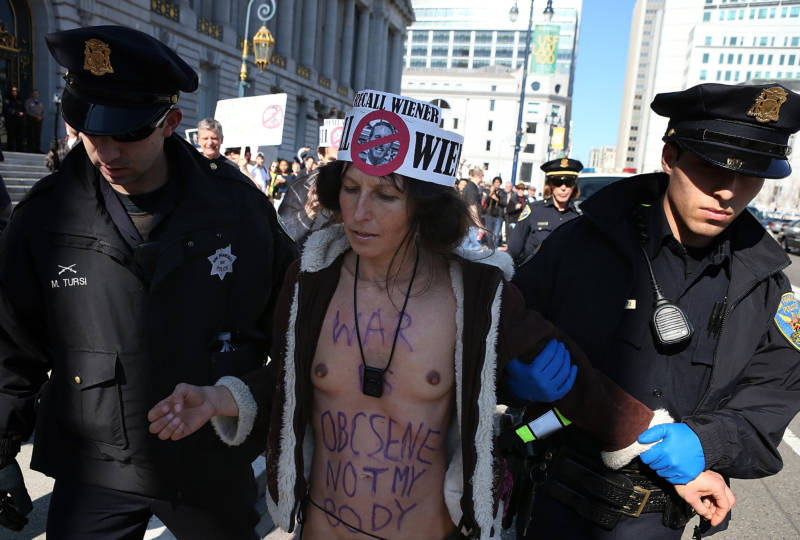
This creates a patchwork of regulations across the state. A tourist might find nudity tolerated or legal in one specific area, but just a few miles away, within a different municipal jurisdiction, it could be strictly prohibited. This is particularly true in urban centers or family-oriented tourist destinations where public decency standards are often more conservative. Therefore, relying solely on a general understanding of state law is insufficient; visitors must research and respect the specific rules of the locality they are visiting. Cities like San Francisco have grappled with public nudity ordinances, reflecting ongoing debates between personal freedom and public order.
Distinguishing Between Public and Private Spaces
The distinction between public and private spaces is critical in [California]’s legal understanding of nudity. On private property, such as a private residence, a rented vacation home, or a designated clothing-optional resort, individuals generally have much greater freedom regarding nudity, provided it does not create a public nuisance or violate local zoning laws (e.g., public view from neighboring properties).
However, “public places” are broadly defined and include streets, parks, public beaches, sidewalks, and any area accessible to the general public. Even if an area feels secluded, if it’s publicly owned or accessible, state and local public nudity laws apply. This distinction is vital for tourists who might mistakenly assume that a quiet beach or secluded hiking trail grants automatic permission for nudity.
Discovering [California]’s Designated Clothing-Optional Destinations
For tourists interested in experiencing [California]’s clothing-optional culture, there are specific, well-known destinations where nudity is accepted, tolerated, or even legally designated. These areas provide a welcoming environment for those who wish to shed their clothes responsibly.
Iconic Nudist Beaches and Their Unique Charms
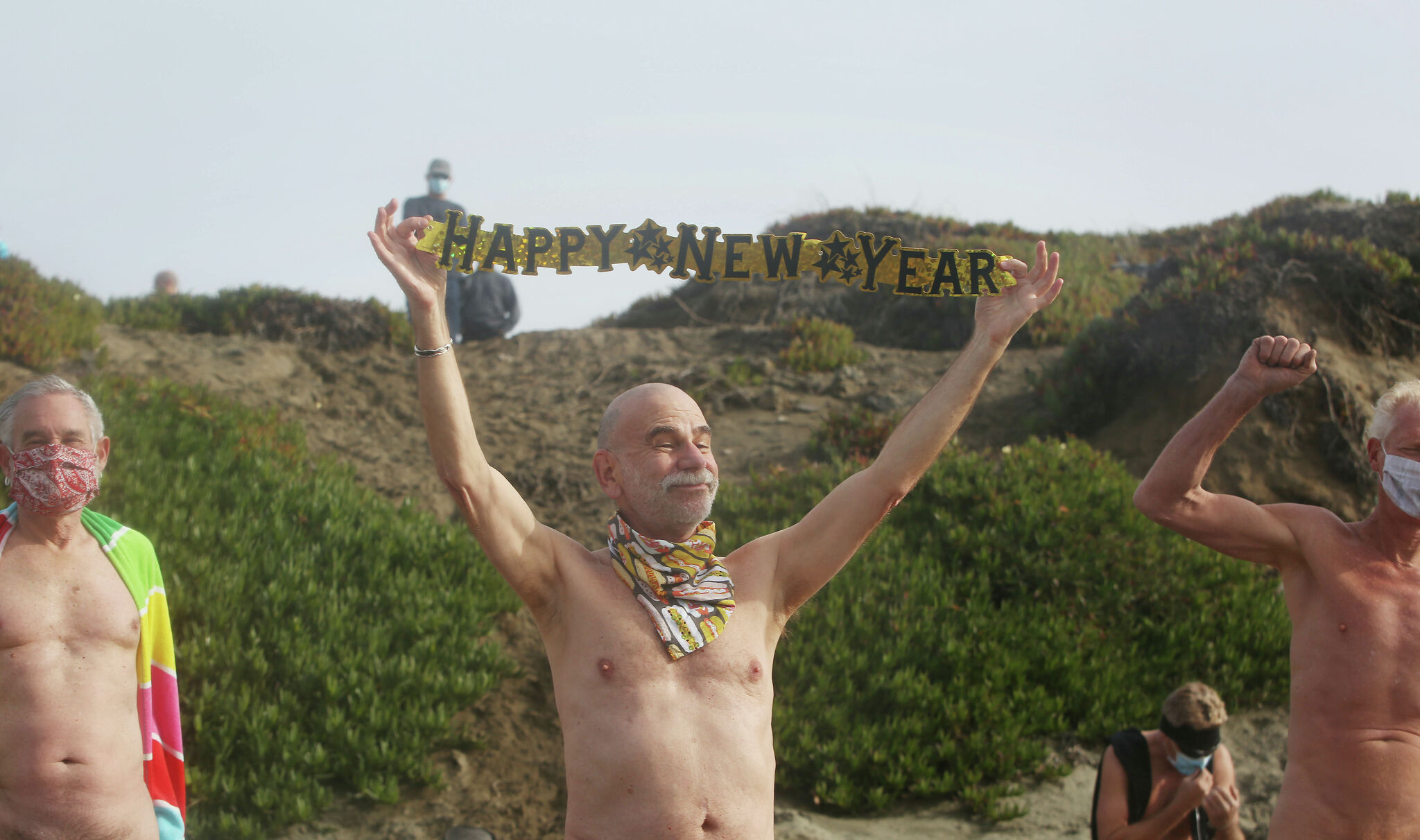
[California] is home to several famous nudist beaches, often nestled along its vast coastline. These locations are typically somewhat secluded and have developed a reputation over decades as places where visitors can enjoy the sun and surf without clothing.One of the most well-known is Black’s Beach in La Jolla, near San Diego. Access to [Black’s Beach] is famously challenging, requiring a steep hike down cliffs, which contributes to its secluded feel and its long-standing status as a clothing-optional haven. Visitors to [Black’s Beach] can expect a diverse crowd and a relaxed atmosphere, though it’s important to remember that the beach is part of a public university (UC San Diego) property and official stances may vary, but it remains widely recognized as a de facto nudist beach.
Further north, San Gregorio State Beach in San Mateo County also features a designated clothing-optional section. Known for its picturesque coastal bluffs and wetlands, the nude section of [San Gregorio State Beach] is typically found north of the main beach area. Similarly, parts of Stinson Beach north of San Francisco have historically been known for clothing-optional sunbathing, particularly in its more remote northern stretches. These beaches offer not just the freedom of nudity but also stunning natural beauty, making them popular tourist spots for a specific demographic.
Exclusive Clothing-Optional Resorts and Retreats
Beyond public beaches, [California] offers a range of private clothing-optional resorts and retreats. These establishments provide a controlled and private environment where nudity is not just permitted but encouraged. They are popular choices for tourists seeking a more comfortable and amenity-rich experience without the need for clothing.
Many of these resorts are found in regions known for wellness and relaxation, such as Palm Springs. For example, Living Waters Spa in [Palm Springs] is a well-regarded clothing-optional resort catering to couples, offering a luxurious experience with pools, spas, and private accommodations where guests can fully embrace naturism. Other similar venues exist throughout the state, from secluded mountain retreats to desert oases, each offering a unique take on the clothing-optional lifestyle. These private resorts operate under their own rules and offer a safe, legal, and often upscale environment for tourists interested in this aspect of [California]’s diverse offerings.
Responsible Tourism: Etiquette and Expectations in Nudist-Friendly Zones
For tourists venturing into [California]’s clothing-optional areas, understanding and adhering to a specific code of conduct is paramount. Responsible tourism in these spaces ensures a positive experience for everyone and maintains the integrity of these unique destinations.
Understanding Unwritten Rules and Respecting Privacy
Even in designated nudist areas, unwritten rules of etiquette are widely observed. The primary principle is mutual respect and discretion. While nudity is accepted, sexually explicit behavior or lewd conduct is never appropriate and remains illegal. Tourists should understand that these are public spaces (even if clothing-optional) and not venues for exhibitionism or inappropriate advances.
Respect for privacy is also crucial. Avoid staring at others, and maintain a respectful distance. People come to these areas to relax and enjoy nature, not to be scrutinized. Engaging in conversations is fine, but unsolicited comments about another person’s body are generally unwelcome and can make others uncomfortable. The general atmosphere is one of acceptance and relaxation, and visitors are expected to contribute to that harmony.
Photography, Conduct, and Maintaining a Respectful Environment
Photography in clothing-optional areas is a particularly sensitive topic. As a strict rule, never take photos or videos of other individuals without their explicit permission. Many nudist beaches and resorts have clear policies prohibiting photography to protect guests’ privacy. Violation of this rule can lead to serious legal consequences or immediate expulsion from private establishments. If you wish to capture the scenery, ensure no other individuals are identifiable in your shots.
Beyond photography, general conduct should always be respectful. This includes bringing a towel to sit on for hygiene purposes, keeping conversations at an appropriate volume, and refraining from littering. Alcohol consumption should be moderate and in accordance with local laws, as excessive intoxication can lead to inappropriate behavior and disturb the peaceful environment. In essence, treat a clothing-optional area with the same respect you would any other public space, with the added layer of mindfulness regarding personal space and privacy.
Beyond the Bare: Integrating Nudism into the Broader [California] Travel Experience
While exploring the legality and culture of nudity can be a niche interest for some tourists, it’s important to contextualize this within the vast and varied tapestry of [California]’s tourism offerings. Nudism represents just one small facet of the state’s liberal attitudes and diverse attractions.
[California]’s Diverse Attractions: A Spectrum of Experiences
[California]’s appeal extends far beyond its clothing-optional locales. The state boasts world-class cities like [Los Angeles] with its Hollywood glamour, [San Francisco] with its iconic Golden Gate Bridge and vibrant neighborhoods, and [San Diego] known for its beautiful beaches and family-friendly attractions. Theme parks like Disneyland draw millions, while natural wonders such as [Yosemite National Park], Redwood National Park, and the Mojave Desert offer unparalleled outdoor adventures. Wine regions like Napa Valley and Sonoma County provide exquisite culinary and oenological experiences.For most tourists, their visit to [California] will involve exploring these mainstream attractions, enjoying its diverse food scene, engaging in outdoor activities, or soaking in its rich cultural heritage. The topic of nudity, while legally present in designated areas, is a distinct and often separate aspect of the [California] travel experience, typically sought out by a specific segment of visitors.
Making Informed Choices for a Memorable and Law-Abiding Trip
Ultimately, a memorable and trouble-free trip to [California] hinges on making informed choices and respecting local laws and customs. For those interested in clothing-optional activities, thoroughly researching specific locations and their rules is non-negotiable. Understanding whether an area is officially designated, unofficially tolerated, or strictly prohibited is key.
Whether embracing [California]’s clothing-optional side or simply enjoying its myriad other attractions, tourists are encouraged to prioritize safety, respect, and adherence to regulations. This approach ensures that every visitor can fully appreciate the diverse and dynamic experiences that the Golden State so generously offers, from its breathtaking natural beauty to its cultural freedoms, all within the bounds of responsible and courteous tourism.
LifeOutOfTheBox is a participant in the Amazon Services LLC Associates Program, an affiliate advertising program designed to provide a means for sites to earn advertising fees by advertising and linking to Amazon.com. Amazon, the Amazon logo, AmazonSupply, and the AmazonSupply logo are trademarks of Amazon.com, Inc. or its affiliates. As an Amazon Associate we earn affiliate commissions from qualifying purchases.