
The question of whether San Francisco resides in Northern or Southern California is a common query among travelers planning their visit to the Golden State. While the answer might seem straightforward to long-time residents, the sprawling nature of California and its diverse regions can lead to genuine confusion for newcomers. For those mapping out their next travel adventure, understanding San Francisco’s precise geographical context is key to unlocking the distinct experiences and attractions that define the northern part of the state.
The Definitive Geographical Answer
Geographically and culturally, San Francisco is unequivocally located in Northern California. There is no ambiguity in this designation from a state planning or resident perspective. The city sits on the tip of a peninsula, defining a crucial part of the San Francisco Bay Area, which is the cultural and economic heart of Northern California.
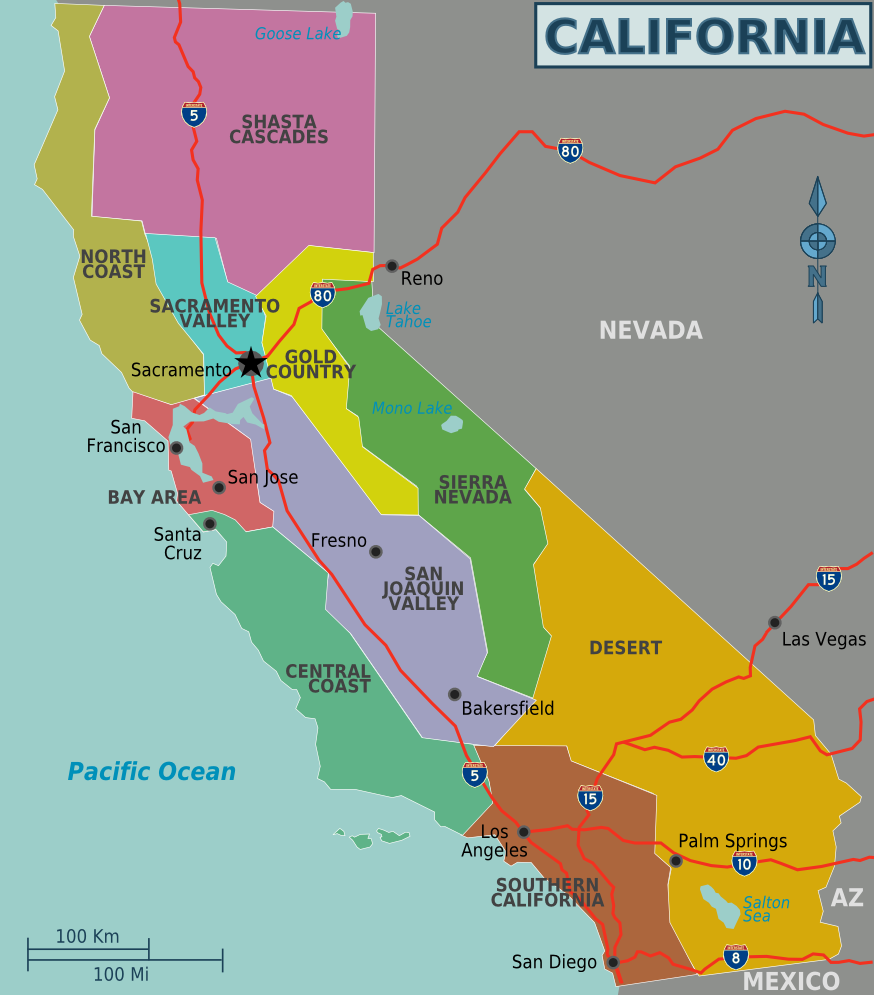
California’s North-South Divide
While not an official boundary line, the general consensus among Californians places the dividing line between Northern and Southern California roughly around Santa Barbara County or Kern County, extending inland. Sometimes, the Tehachapi Mountains are cited as a natural demarcation. Anything north of this approximate line, encompassing iconic cities like Sacramento, Oakland, and naturally, San Francisco, falls squarely into the northern region. This divide isn’t just about latitude; it reflects distinct cultural identities, political leanings, climatic zones, and even architectural styles that travelers will notice as they traverse the state.
The Bay Area’s Place on the Map
San Francisco is the jewel of the Bay Area, a metropolitan region that includes nine counties and is home to a vibrant mix of innovation, natural beauty, and historical depth. Its northern placement profoundly impacts everything from its climate to its proximity to other major Northern California attractions. Travelers arriving at San Francisco International Airport (SFO) are stepping directly into the northern part of the state, perfectly positioned to explore the region’s unique offerings without significant travel south.
Implications for the Traveler: Climate and Seasons
Understanding San Francisco’s Northern California location is paramount for packing and planning travel activities, primarily due to its distinct climatic patterns that differ significantly from its southern counterparts.
San Francisco’s Unique Microclimates
Despite being relatively far south on the global map, San Francisco is famous for its cool, often foggy, and temperate climate, a stark contrast to the sunny beaches typically associated with Southern California. This is due to its coastal position, the cold currents of the Pacific Ocean, and the city’s unique topography which funnels fog through the Golden Gate. Travelers should always pack layers, even in summer, as the temperature can fluctuate dramatically between neighborhoods and throughout the day. While summer in Los Angeles might mean consistent sunshine and high temperatures, a July day in San Francisco could involve chilly winds and persistent fog, making an evening boat tour under the Golden Gate Bridge an exhilarating but cool experience.
Seasonal Travel Considerations for Northern California
The seasons in Northern California, anchored by San Francisco’s influence, offer varied travel experiences. Spring brings clear days, blooming flowers, and fewer crowds, ideal for exploring parks like Golden Gate Park or taking a ferry to Alcatraz Island. Summer, while famous for fog, can also provide warm, sunny days perfect for exploring the Presidio or walking along Fisherman’s Wharf. Autumn often boasts the warmest, clearest weather, making it an excellent time for Napa Valley or Sonoma Valley wine tours. Winters are mild and wet, perfect for museum visits, cozy cafe experiences, and enjoying the city’s vibrant indoor culture.
Exploring Northern California from San Francisco
San Francisco’s location makes it an ideal launchpad for exploring the myriad attractions of Northern California. Its position allows for easy day trips or weekend excursions to some of the state’s most revered natural wonders and cultural hotspots.
Coastal Escapes and Redwoods
Just north of the city, travelers can quickly find themselves immersed in the majestic redwood forests of Muir Woods National Monument. A short drive further up the coast unveils charming towns like Sausalito and Point Reyes National Seashore, offering dramatic cliffside views and wildlife spotting opportunities. These coastal gems represent the rugged, natural beauty characteristic of Northern California’s shoreline, a distinct departure from the vast sandy beaches often found further south.

Wine Country Adventures
To the northeast, the world-renowned Napa Valley and Sonoma Valley beckon with their picturesque vineyards, gourmet dining, and luxurious spas. These regions are easily accessible from San Francisco via a scenic drive across the Golden Gate Bridge or the Richmond-San Rafael Bridge. For wine enthusiasts, a Northern California trip without experiencing these viticultural powerhouses would be incomplete. The ambiance here, with its rolling hills and sophisticated yet relaxed pace, defines a significant aspect of Northern California’s luxury travel experience.
Mountain Retreats and Lake Tahoe
Further inland, but still within a reasonable drive, lie the stunning peaks of the Sierra Nevada Mountains and the pristine waters of Lake Tahoe. This region offers year-round outdoor activities, from world-class skiing and snowboarding in winter to hiking, boating, and mountain biking in summer. Yosemite National Park, a true natural wonder, is also reachable from San Francisco for multi-day trips, showcasing Northern California’s dramatic inland landscapes.
Distinguishing Travel Experiences from Southern California
The Northern California experience, with San Francisco as its focal point, offers a distinctly different travel narrative compared to a journey through Southern California. Recognizing these differences allows travelers to tailor their expectations and itineraries.
Cultural Nuances and Urban Exploration
Northern California cities, especially San Francisco and Oakland, are often characterized by a more bohemian, progressive, and historically rich urban landscape. The architecture is frequently Victorian and Edwardian, offering a visual feast unlike the more modern or Spanish colonial influences prevalent in Southern California. Art, innovation, and a strong emphasis on sustainability are woven into the fabric of daily life. Exploring neighborhoods like Chinatown or the Mission District reveals layers of history and cultural evolution that are uniquely San Franciscan.
Natural Landscapes: From Coast to Mountains
While Southern California boasts its own impressive landscapes, Northern California’s natural beauty tends to lean towards dramatic coastlines, towering redwood forests, and rugged mountain ranges. The cooler climate supports lush greenery, distinct from the drier, often sunnier Mediterranean climate of the south. Travelers seeking misty coastal drives, ancient forests, and alpine lakes will find their paradise in Northern California, whereas those envisioning desert landscapes or expansive sunny beaches might find Southern California more aligned with their vision.
Culinary Scenes and Regional Specialties
The culinary scene in Northern California is renowned for its farm-to-table philosophy, emphasis on fresh, local ingredients, and innovative approaches. San Francisco is a gastronomic hub, famous for its sourdough bread, fresh seafood (especially Dungeness crab), and diverse ethnic cuisines. While Southern California also boasts a vibrant food scene, the specific regional specialties and culinary trends often differ, with a stronger emphasis on Mexican-inspired cuisine and health-conscious dining in the south.
Planning Your California Itinerary: North vs. South
Armed with the knowledge that San Francisco is firmly in Northern California, travelers can strategically plan their visits, deciding whether to focus on one region or attempt to combine both for a comprehensive Golden State adventure.
Combining Regions for an Epic Road Trip
For those with ample time, a road trip spanning the entire state offers an unparalleled experience, showcasing the full spectrum of California’s diversity. Starting in San Francisco and heading south along Highway 1 (the Pacific Coast Highway), travelers can witness the dramatic cliffs of Big Sur, the charming towns of Monterey and Carmel-by-the-Sea, before transitioning into the warmer climes and different cultural landscapes of Southern California, eventually reaching cities like Los Angeles or San Diego. This approach requires careful planning to account for travel time and diverse weather conditions.
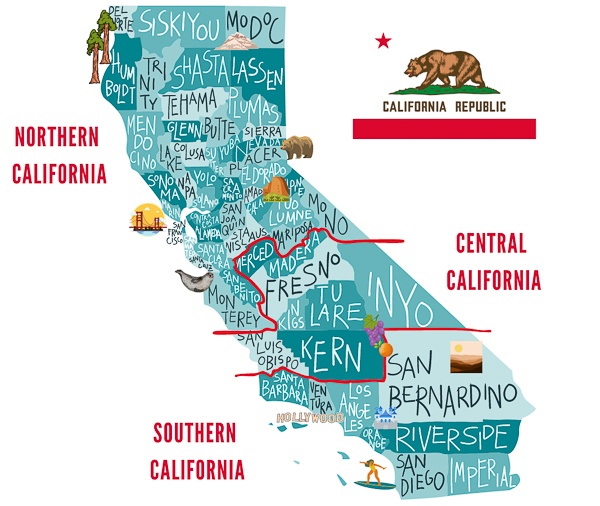
Focusing on the Northern California Experience
For a more focused and immersive trip, dedicating an entire visit to Northern California, using San Francisco as a central hub, is highly recommended. This allows travelers to delve deeper into the Bay Area’s nuances, explore the wine regions at a leisurely pace, venture into the redwood forests, and perhaps even experience the majesty of Yosemite or Lake Tahoe without feeling rushed. Such an itinerary offers a coherent travel narrative, celebrating the distinct beauty, culture, and innovation that define this vibrant part of the Golden State.
In conclusion, San Francisco is undeniably a gem of Northern California. This geographical fact shapes its climate, influences its culture, and dictates its proximity to some of the state’s most iconic natural and man-made attractions. For any traveler, understanding this distinction is the first step towards crafting an unforgettable California adventure tailored to their desires.
LifeOutOfTheBox is a participant in the Amazon Services LLC Associates Program, an affiliate advertising program designed to provide a means for sites to earn advertising fees by advertising and linking to Amazon.com. Amazon, the Amazon logo, AmazonSupply, and the AmazonSupply logo are trademarks of Amazon.com, Inc. or its affiliates. As an Amazon Associate we earn affiliate commissions from qualifying purchases.