
California, a state renowned for its diverse landscapes, vibrant cities, and breathtaking natural beauty, consistently beckons travelers from across the globe. From the sun-drenched beaches of Southern California to the towering redwoods of the north, its allure is undeniable. However, recent years have brought an increased awareness of the state’s wildfire challenges, leading many prospective visitors to ponder a critical question: “Is there still a fire in California?” The reality is nuanced, requiring travelers to approach their plans with informed caution and a deeper understanding of the state’s environmental dynamics. While fires are an inherent part of California’s ecosystem, affecting specific regions at specific times, they do not universally define the entire state’s travel experience. With careful planning, access to real-time information, and a commitment to responsible tourism, a memorable and safe California adventure remains entirely possible.

Understanding California’s Evolving Fire Landscape
To effectively plan travel in California, it’s crucial to first grasp the context of its wildfire situation. Wildfires are not a constant, widespread blaze engulfing the entire state, but rather localized events driven by a confluence of factors.
The New Normal: Why Fires Are a Recurring Concern
California’s Mediterranean climate, characterized by hot, dry summers and mild, wet winters, naturally creates conditions conducive to wildfires. Historically, fires played a vital role in forest regeneration. However, climate change has exacerbated these natural patterns. Prolonged droughts, higher average temperatures, and earlier snowmelt lead to drier vegetation (fuel), making forests and wildlands more susceptible to ignition and rapid spread. The expansion of the Wildland Urban Interface (WUI), where human development meets wild areas, also increases the risk of ignitions and impacts. This combination has led to a “new normal” where fire seasons are longer, more intense, and can occur almost year-round in some areas, though peak activity typically remains in late summer and fall.
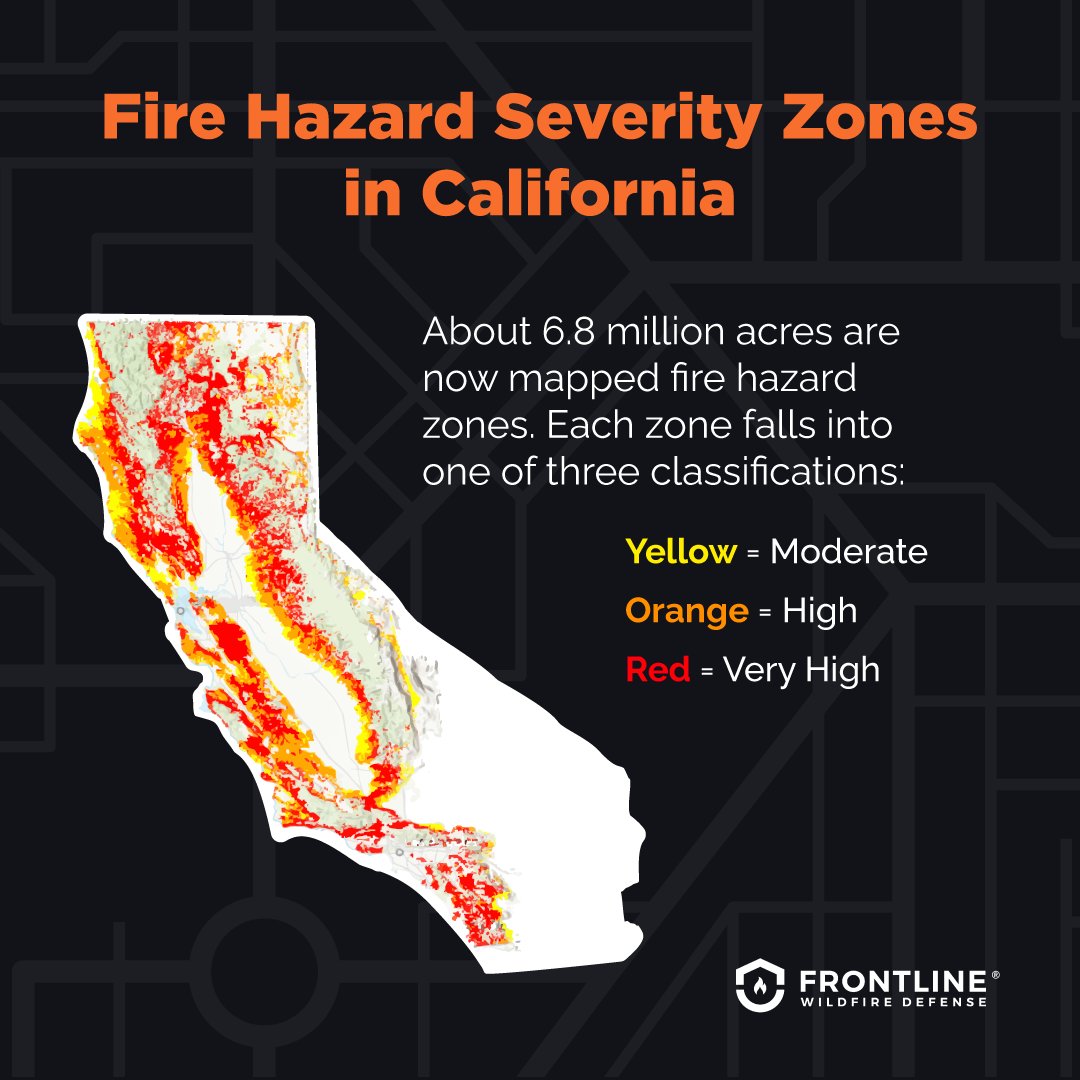
Geographical Nuances: Where Fires Typically Occur
Wildfires do not blanket the entire state. They tend to occur in specific regions, often dictated by vegetation type, topography, and wind patterns.
- Northern California: Areas like Napa Valley and Sonoma in the wine country, as well as parts of the Sierra Nevada foothills, are prone to fires, particularly in dense forest and chaparral.
- Southern California: This region is often affected by the strong, dry Santa Ana winds that push fires rapidly through dry brush, especially in the coastal mountains and canyons stretching from Los Angeles to San Diego.
Understanding these geographical tendencies helps travelers assess risk based on their chosen destination.
The Seasonal Rhythms: When to Expect Increased Risk
While fires can occur at any time, the traditional “fire season” generally spans from late spring through late fall, peaking in August, September, and October. This period aligns with the warmest and driest conditions. However, the exact timing and intensity vary year to year based on rainfall, temperature, and wind events. Travelers planning trips during these months should pay extra attention to fire alerts and air quality forecasts.
Essential Travel Planning in Fire Season
Successfully navigating a trip to California during periods of heightened fire risk hinges on diligent preparation and informed decision-making.
Real-Time Information: Your Best Tool
The most critical resource for any traveler is up-to-date, reliable information.
- Official State Resources: Bookmark websites like CalFire (the California Department of Forestry and Fire Protection) for current fire maps, incident updates, and red flag warnings. County sheriff’s department websites also provide localized evacuation orders and road closures.
- Air Quality Monitoring: Wildfires can significantly impact air quality, even in areas distant from the active blaze. Websites and apps providing the Air Quality Index (AQI), such as those from the EPA or local air districts, are invaluable. An AQI above 100 generally means the air is unhealthy for sensitive groups, and above 150 is unhealthy for everyone.
Health and Safety First: Air Quality and Evacuation Zones
Prioritizing personal health and safety is paramount.
- Air Quality Precautions: If traveling to an area with elevated AQI levels, consider wearing N95 masks, especially if you have respiratory sensitivities. Limit outdoor strenuous activities and stay indoors with windows and doors closed.
- Understanding Evacuation Orders: Familiarize yourself with the terminology: “Advisory” (be prepared), “Voluntary Evacuation Warning” (consider leaving), and “Mandatory Evacuation Order” (leave immediately). Always heed official instructions. Have a “go bag” ready if staying in a higher-risk area.
Flexibility and Insurance: Preparing for the Unexpected
- Travel Insurance: Investing in comprehensive travel insurance that covers unforeseen events, including natural disasters and mandatory evacuations, is highly recommended. Carefully review policy details regarding cancellation, trip interruption, and medical coverage.
- Flexible Bookings: Whenever possible, choose accommodations, flights, and activities with flexible cancellation or rebooking policies. This allows you to adjust plans quickly if conditions change.
Discovering California’s Resilient Destinations
Despite the challenges, vast areas of California remain unaffected by wildfires, offering incredible travel experiences year-round. Many destinations are also incredibly resilient, recovering quickly and welcoming visitors.
Coastal Escapes: Often Less Impacted

California’s extensive coastline often benefits from marine layers and cooler temperatures, making many coastal areas less susceptible to large-scale wildfires.
- Major Cities: Iconic cities like San Francisco, Los Angeles, and San Diego typically have robust fire protection infrastructure, and while surrounding hills can be at risk, the urban cores remain safe. These cities offer world-class dining, museums, cultural attractions, and urban parks.
- Scenic Drives: The Pacific Coast Highway (Highway 1) offers breathtaking coastal views, connecting charming towns like Carmel-by-the-Sea and Santa Barbara. Always check road conditions before embarking, as sections can be affected by other natural events like landslides.
Urban Adventures: Unaffected by Wildland Fires
Travelers seeking to avoid wildland fire concerns can focus their itineraries on California’s vibrant urban centers and their immediate surroundings. Theme parks like Disneyland in Anaheim, the studios of Hollywood, or the cultural institutions around San Francisco’s Golden Gate Bridge offer endless entertainment completely independent of wildland fire activity.
High-Altitude Havens: Post-Snowmelt Serenity
Mountainous regions, particularly those at higher elevations, can offer beautiful escapes during early summer or late spring, after the snowmelt and before the peak fire season intensifies at lower elevations.
- Lake Tahoe: This stunning alpine lake offers crystal-clear waters, hiking, and water sports, often less impacted by major wildfires in the summer due to its elevation and forest management, though it has seen significant fire activity in recent years. Timing your visit for early summer can be ideal.
- Mammoth Lakes: A gateway to the Eastern Sierra, Mammoth Lakes provides access to high-altitude hiking, fishing, and scenic beauty. Again, careful timing and monitoring local conditions are key.
Responsible Tourism and Community Support
Being a responsible traveler in California extends beyond personal safety; it involves supporting local communities and minimizing environmental impact.
Supporting Local Economies Ethically
When an area has been impacted by fire, it’s often the local businesses that suffer the most from reduced tourism. Once an area is declared safe and open, visiting and spending locally can be a powerful way to aid recovery. Purchase from small shops, dine at local restaurants, and book tours with local operators. Always verify that businesses are open and welcoming visitors before traveling.
Practicing Fire-Safe Behaviors
Every visitor has a role to play in fire prevention.
- Adhere to Fire Bans: Strictly follow all posted fire restrictions, including campfire bans in national and state parks.
- Vehicle Safety: Ensure your vehicle is properly maintained, as sparks from catalytic converters can ignite dry roadside vegetation. Always park in designated areas, never on dry grass.
- Cigarette Disposal: Never discard cigarettes out of a vehicle or onto dry ground. Use designated receptacles.
- Power Tool Use: If engaging in activities that involve power tools (e.g., chainsaws for camping firewood), be aware of spark risks and regulations.
Volunteering and Donations: Making a Difference
For those wishing to contribute more directly, consider supporting reputable organizations dedicated to wildfire relief, recovery, and prevention. Organizations like the California Community Foundation or local fire relief funds are often excellent avenues for aid, though specific charities may vary based on the current situation.
Crafting Your Safe California Itinerary
A trip to California can be incredibly rewarding, even with the ongoing reality of fire season. The key is intelligent planning and adaptability.
Pre-Trip Assessment: A Checklist for Travelers
Before finalizing your plans:
- Consult Official Sources: Check CalFire maps, AQI forecasts, and county emergency services websites for your chosen destinations.
- Review Local Regulations: Be aware of any specific fire restrictions in place for national parks, state parks, or public lands you intend to visit.
- Check Road Conditions: Use resources like the California Department of Transportation (Caltrans) website for real-time road closures.
Building Flexibility into Your Plans
Have alternative destinations or activities in mind. If your primary plan involves a high-risk area, consider a backup coastal city, an urban escape, or a different mountainous region. Booking accommodations with flexible cancellation policies provides peace of mind.
Embrace the State’s Diversity
Remember that California is immense and incredibly diverse. While one region might be facing fire challenges, many others, hundreds of miles away, will be unaffected and ready to welcome visitors. From world-class dining and cultural institutions to stunning coastlines and high desert landscapes, the state offers countless experiences that are safe and enjoyable year-round. With diligence and a responsible mindset, your California adventure can be as spectacular as you imagine.
LifeOutOfTheBox is a participant in the Amazon Services LLC Associates Program, an affiliate advertising program designed to provide a means for sites to earn advertising fees by advertising and linking to Amazon.com. Amazon, the Amazon logo, AmazonSupply, and the AmazonSupply logo are trademarks of Amazon.com, Inc. or its affiliates. As an Amazon Associate we earn affiliate commissions from qualifying purchases.