
California, a state renowned for its sprawling landscapes, vibrant cities, and iconic road trips, naturally beckons travelers to explore behind the wheel. From the winding coastal stretches of Highway 1 to the bustling freeways of Los Angeles, driving offers unparalleled freedom to discover the Golden State’s diverse attractions. However, before embarking on such an adventure, understanding the specific age requirements for driving in California is paramount, not just for residents but also for visitors from other states and international travelers. This guide will clarify the age regulations and provide crucial insights for navigating California’s roads, ensuring a smooth and enjoyable travel experience.
Understanding California’s Driving Age Requirements for Residents
For individuals seeking to obtain a driver’s license in California, the process is tiered, reflecting a commitment to safety and gradual driver development. The California Department of Motor Vehicles (DMV) outlines specific steps and age milestones for new drivers.
Minimum Age for a Learner’s Permit
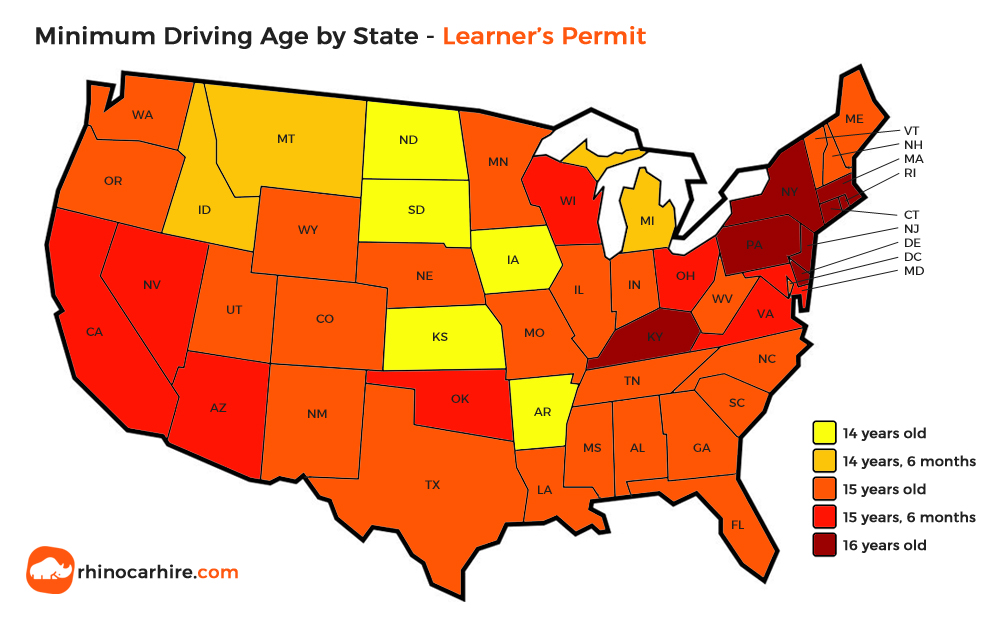
The journey to driving in California typically begins with a provisional instruction permit. A person can apply for this permit once they are 15 ½ years old. To obtain it, applicants must complete a driver education course (often 30 hours of classroom instruction) or be concurrently enrolled in an approved integrated driver education and training program. They must also pass a written knowledge test administered by the DMV. While holding a learner’s permit, driving is only permitted when accompanied by a licensed driver who is at least 18 years old. This supervisor must be present in the passenger seat, capable of taking control of the vehicle, providing essential guidance during the initial learning phase.
Provisional License Rules for Teen Drivers
Upon turning 16 years old, and having held their instruction permit for at least six months, completed six hours of professional driver training, and accrued 50 hours of supervised driving practice (including 10 hours at night), individuals can apply for a provisional driver’s license. This provisional license, also known as a Class C driver’s license, comes with specific restrictions designed to enhance safety for new, young drivers. For the first 12 months, or until the driver turns 18 (whichever comes first), provisional license holders cannot:
- Drive between 11 p.m. and 5 a.m.
- Transport passengers under 20 years old, unless accompanied by a licensed driver who is at least 25 years old.
These restrictions aim to reduce accident risks associated with nighttime driving and peer passenger influence, common factors in teen driving incidents. Understanding these limitations is critical for young residents and their families planning any local travel within California.
Full Driver’s License at 18
The provisional restrictions are lifted when a driver turns 18 years old. At this point, the provisional license automatically converts to a full, unrestricted Class C driver’s license. There is no need to apply for a new license; the physical license card simply remains valid until its expiration date, at which point a renewal will be issued without the provisional limitations. This marks full driving independence, allowing individuals to drive without time or passenger restrictions across all of California’s diverse regions, from the urban sprawl of San Francisco to the serene landscapes of Yosemite National Park.
Driving in California as a Visitor or Tourist
For those visiting California from other states or countries, the driving age rules differ significantly from the resident licensing process. Typically, visitors who already hold a valid driver’s license from their home state or country can drive in California without obtaining a local license, provided they meet certain conditions.
Out-of-State Drivers
If you hold a valid driver’s license issued by another U.S. state or territory, you can drive in California as a visitor for as long as your home state license remains valid. There is no specific age restriction for out-of-state drivers beyond the minimum age set by their issuing state. This means if you are 16 and hold a valid license from a state that allows 16-year-olds to drive unrestricted, you can legally drive in California. However, it’s prudent to be aware that some rental car companies may impose their own age minimums, regardless of your license status.
International Drivers and IDPs
International visitors with a valid driver’s license from their home country are generally allowed to drive in California for up to one year from the date of their entry into the U.S. After one year, they would need to obtain a California driver’s license. While an International Driving Permit (IDP) is not legally required by California law, it is highly recommended. An IDP translates your foreign driver’s license into 10 languages and is widely recognized by law enforcement and rental agencies, potentially simplifying interactions and avoiding misunderstandings. To obtain an IDP, you must apply in your home country before you travel to California. The minimum age to obtain an IDP is usually 18, though this can vary by country of issuance.
Renting a Car: Age Restrictions and Fees
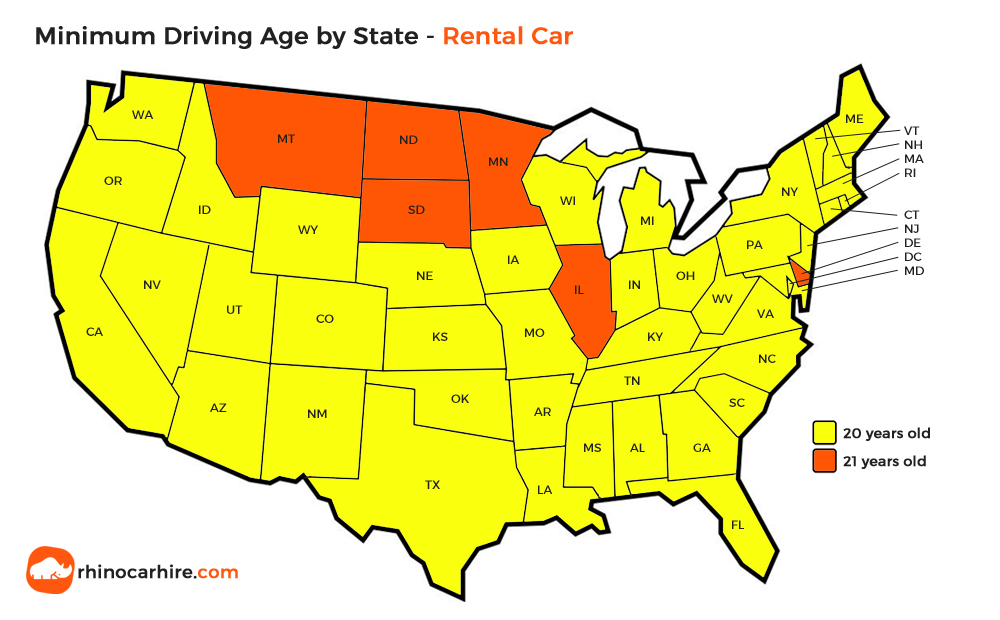
One of the most significant considerations for any traveler planning to drive in California is the age policy of rental car companies. While the state’s driving laws permit individuals as young as 16 (with a provisional license or out-of-state license) to drive, rental agencies often impose stricter age minimums due to insurance liabilities.

Most major car rental companies in California require drivers to be at least 21 years old to rent a vehicle. Some even have a minimum age of 25 to avoid “underage” driver fees or to rent certain categories of vehicles (e.g., luxury cars or large SUVs). If you are between 21 and 24 years old, be prepared to pay an additional “young driver surcharge,” which can significantly increase the cost of your rental. This fee typically ranges from $20 to $35 per day. It is always advisable to check the specific age policies and fees with the rental car company directly before booking, especially if you or a member of your travel party falls into the younger age bracket. Companies like Hertz, Enterprise, and Avis all have slightly varying policies that can impact your travel budget and plans.
Navigating California’s Iconic Roads and Destinations
Once you’ve confirmed your eligibility to drive, California offers an unparalleled array of driving experiences. From its majestic coastlines to its sprawling desert parks, each region presents unique opportunities and challenges.
Coastal Drives: Highway 1 and Scenic Routes
The legendary Pacific Coast Highway, specifically Highway 1, is arguably one of the most iconic road trips in the world. Stretching from Orange County to the northern reaches of California, it offers breathtaking vistas of the Pacific Ocean, dramatic cliffs, and charming seaside towns like Carmel-by-the-Sea and Big Sur. Drivers on Highway 1 should be prepared for winding roads, sharp turns, and occasional narrow sections. While the views are mesmerizing, focus on the road is paramount, especially during peak tourist seasons when traffic can be considerable. Planning stops at designated viewpoints and coastal towns allows for both photography and a chance to stretch your legs, making the most of this spectacular journey.
City Driving: Los Angeles vs. San Francisco
Driving in California’s major cities presents its own distinct challenges. Los Angeles is infamous for its extensive freeway system and heavy traffic congestion. Navigating the “L.A. sprawl” requires patience, good navigation skills (GPS is essential), and an understanding of multi-lane freeway etiquette. Distances between attractions can be vast, making a car almost a necessity for exploring the city, from Hollywood to Santa Monica Pier.
San Francisco, by contrast, offers a more compact urban experience but is known for its incredibly steep hills and dense street parking. While walking and public transport (Muni, BART, and cable cars) are popular, driving can be convenient for reaching areas further afield or for those carrying luggage. Be prepared for aggressive drivers, one-way streets, and the infamous Lombard Street, which, while a tourist attraction, is a testament to the city’s challenging topography. Parking can also be expensive and scarce, so consider public garages or hotel parking options.
National Parks Access: Yosemite, Death Valley, and Beyond
California boasts some of America’s most stunning national parks, many of which are best accessed and explored by car. Yosemite National Park, with its majestic granite cliffs and towering sequoias, requires a vehicle to navigate its vast internal roads and reach various trailheads and viewpoints. During peak seasons, timed entry reservations may be required, and parking can be challenging.
Death Valley National Park offers a starkly different landscape of extreme heat and desolation. Driving here requires careful planning, especially regarding fuel and water supplies. Roads can be long and isolated, so ensuring your vehicle is in good condition is vital. Similarly, Sequoia National Park and Kings Canyon National Park provide access to giant sequoia groves and mountainous terrain, often involving winding roads and elevation changes. Always check park websites for current road conditions, closures, and entry requirements before heading out.
Essential Tips for Driving in the Golden State
Beyond understanding age requirements, a few practical tips can significantly enhance your driving experience in California.
Traffic Laws and Road Etiquette
Familiarize yourself with California’s basic traffic laws. Always yield to pedestrians, especially in crosswalks. The “Basic Speed Law” dictates that you must never drive faster than is safe for current conditions, regardless of the posted speed limit. California also has a “move over” law, requiring drivers to move to an adjacent lane or slow down when approaching emergency vehicles or tow trucks stopped on the side of the road. “Lane splitting” for motorcycles is legal but requires awareness from car drivers. Using cell phones for talking or texting while driving is prohibited unless using a hands-free device. Pay attention to carpool lanes (HOV lanes), which require multiple occupants (usually 2 or more) unless you have a designated clean air vehicle sticker.
California Weather Considerations
California’s weather can be highly variable across its regions. While sunny skies are often expected, be prepared for anything. Coastal areas can experience dense fog, especially in the mornings. Mountainous regions, particularly during winter, can encounter snow and ice, necessitating snow chains or a four-wheel-drive vehicle. Desert areas like Death Valley can reach extreme temperatures, posing risks to both vehicles and occupants. Always check local weather forecasts for your travel route and adjust your plans accordingly.
Insurance and Emergency Preparedness
Ensure you have adequate car insurance coverage. If renting a car, understand the insurance options provided by the rental company and consider whether your personal auto insurance or credit card benefits offer sufficient supplementary coverage. For longer road trips, it’s wise to carry an emergency kit including water, snacks, a first-aid kit, jumper cables, and a flashlight. While cell service is generally good in populated areas, it can be spotty in remote national parks or along certain stretches of Highway 1. Inform someone of your route and expected arrival times, especially when venturing into less populated areas.
Driving in California is an experience that offers unparalleled freedom and access to some of the world’s most spectacular destinations. By understanding the state’s driving age requirements, familiarizing yourself with local laws and etiquette, and preparing for the diverse driving conditions, you can ensure your Golden State adventure is both memorable and safe.
LifeOutOfTheBox is a participant in the Amazon Services LLC Associates Program, an affiliate advertising program designed to provide a means for sites to earn advertising fees by advertising and linking to Amazon.com. Amazon, the Amazon logo, AmazonSupply, and the AmazonSupply logo are trademarks of Amazon.com, Inc. or its affiliates. As an Amazon Associate we earn affiliate commissions from qualifying purchases.