
Understanding current mortgage rates in California is a pivotal step for anyone considering long-term accommodation, whether purchasing a first home, refinancing, or investing in real estate. The Golden State’s dynamic housing market, characterized by high demand and often elevated property values, makes the nuances of mortgage financing particularly critical. Rates are not static; they fluctuate daily, influenced by a complex interplay of global economic indicators, national monetary policy, and specific lender strategies. For prospective homeowners and real estate investors navigating California’s competitive landscape, staying informed about these rates is paramount to making sound financial decisions.
Understanding the California Mortgage Landscape
The mortgage market in California is distinct due to the state’s unique economic environment and high cost of living. While national trends provide a baseline, local factors often create variations. Property values in major metropolitan areas such as Los Angeles, San Francisco, and San Diego frequently exceed conventional loan limits, leading to a higher prevalence of Jumbo Loans.
Factors Influencing Rates
Several key factors determine the mortgage rates offered to consumers in California:
- The Federal Reserve Policy: While the Federal Reserve does not directly set mortgage rates, its actions, particularly regarding the federal funds rate, significantly impact the broader economy and, by extension, interest rates on long-term loans. When the Federal Reserve raises or lowers rates, it signals its stance on inflation and economic growth, which influences investor confidence and bond yields.
- Inflation: High inflation erodes the purchasing power of money, prompting lenders to demand higher interest rates to compensate for the reduced value of future repayments. The market’s expectation of future inflation is a major driver of current mortgage rates.
- Treasury Yields: Mortgage rates are closely tied to the yield on 10-year U.S. Treasury bonds. As bond yields rise, so do mortgage rates, reflecting the increased cost of borrowing for lenders.
- Economic Growth: A strong economy typically sees higher consumer demand, which can lead to inflationary pressures and, consequently, higher interest rates. Conversely, economic slowdowns may lead to lower rates as the Federal Reserve and lenders try to stimulate activity.
- Lender-Specific Factors: Each lender assesses risk differently. An individual’s credit score, debt-to-income ratio, loan-to-value ratio, and the type of property being financed all play a role in the specific rate offered. Lenders also consider their operational costs, profit margins, and market share goals.
Key Rate Types
Understanding the different types of mortgage rates available is crucial for making an informed decision about long-term accommodation financing:
- Fixed-Rate Mortgages: The most common type, offering a consistent interest rate for the entire loan term, typically 15 or 30 years. This provides predictability in monthly payments, shielding borrowers from future interest rate hikes.
- Adjustable-Rate Mortgages (ARMs): These loans feature an initial fixed interest rate for a set period (e.g., 5, 7, or 10 years), after which the rate adjusts periodically based on a predetermined index. ARMs can offer lower initial payments but carry the risk of future payment increases.
- Hybrid Mortgages: A blend of fixed and adjustable rates, such as 5/1 ARMs, which offer a fixed rate for five years and then adjust annually. These are popular for buyers who anticipate moving or refinancing before the fixed period ends.
Current Rate Snapshot for California Homebuyers
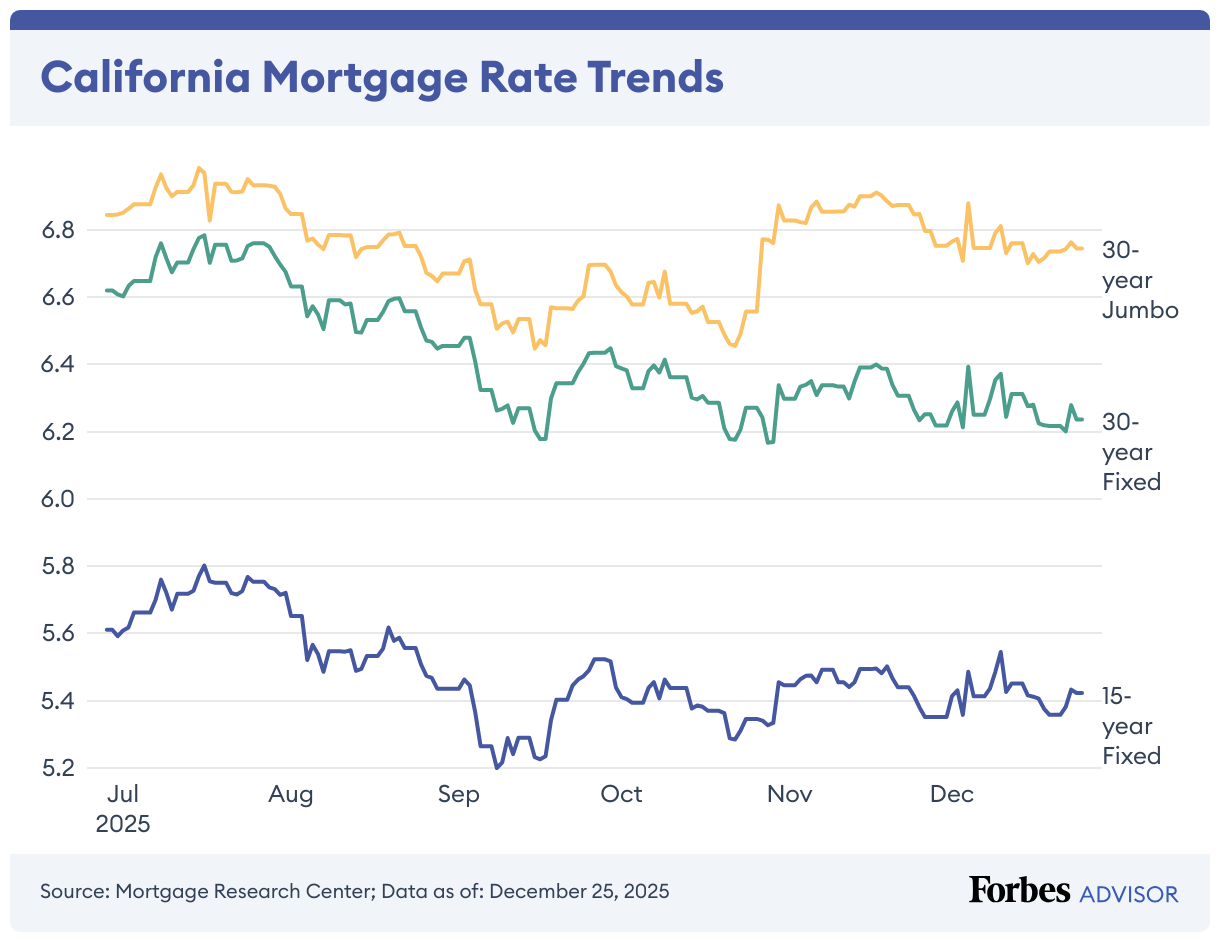
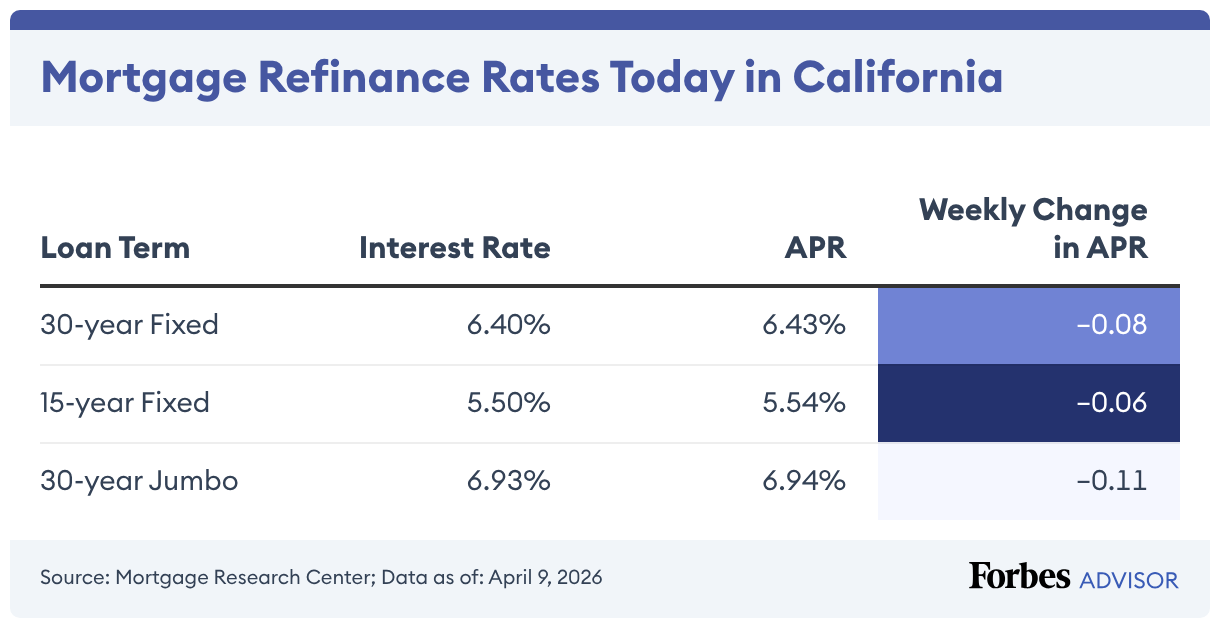
As of [Insert Current Month/Year, e.g., Early 2024], mortgage rates in California reflect broader national economic trends, with some local adjustments. While precise, real-time rates require consultation with a lender, general trends indicate the following:
Conventional Loans
Conventional 30-year fixed-rate mortgages are the benchmark. Rates typically hover around [specific range, e.g., 6.5% to 7.5%] for borrowers with excellent credit. For a 15-year fixed mortgage, rates are generally lower, often [specific range, e.g., 5.8% to 6.8%], offering faster equity build-up but higher monthly payments. These rates are subject to change based on daily market shifts. Conventional loans conform to the limits set by government-sponsored enterprises like Fannie Mae and Freddie Mac.
FHA, VA, and USDA Loans
- FHA Loans: Backed by the Federal Housing Administration (FHA), these loans are popular for first-time homebuyers or those with less-than-perfect credit. FHA rates are often slightly lower than conventional rates, but they come with mandatory mortgage insurance premiums.
- VA Loans: Guaranteed by the U.S. Department of Veterans Affairs (VA), these offer competitive rates, no down payment requirements for eligible veterans and service members, and no private mortgage insurance. VA rates are typically among the lowest available.
- USDA Loans: Available for properties in designated rural areas, USDA loans offer competitive rates and often no down payment. While California is heavily urbanized, there are still eligible rural communities where this program can be advantageous.
Jumbo Loans in High-Cost Areas
Given California’s high property values, especially in coastal markets like San Francisco, Los Angeles, and San Jose, Jumbo Loans are common. These are mortgages that exceed the conforming loan limits set by Fannie Mae and Freddie Mac. Jumbo rates can sometimes be slightly higher or lower than conventional rates, depending on market conditions and the borrower’s financial profile, typically requiring excellent credit and substantial reserves. In some instances, when the bond market favors larger loans, jumbo rates can even undercut conventional rates.
Navigating Rate Fluctuations and Market Trends
The dynamic nature of mortgage rates requires homebuyers to be agile and informed. Understanding the broader economic context can provide a strategic advantage when timing a purchase or refinance.
The Role of the Federal Reserve
The Federal Reserve’s monetary policy, particularly its stance on quantitative easing or tightening, significantly influences long-term interest rates. Statements from Federal Reserve officials, along with their periodic meetings and economic projections, are closely watched by bond markets, which in turn affect mortgage rates. Periods of aggressive rate hikes by the Federal Reserve typically translate to higher mortgage rates, while a more dovish stance can lead to stabilization or even declines.
Economic Indicators to Watch
Key economic data releases can cause immediate shifts in mortgage rates:
- Consumer Price Index (CPI): Measures inflation; a higher-than-expected CPI often pushes rates up.
- Employment Reports: Strong job growth can signal economic strength, potentially leading to higher rates.
- Gross Domestic Product (GDP): A robust GDP growth rate can also indicate a heating economy and upward pressure on rates.
- Housing Market Data: Reports on existing home sales, new home construction, and housing prices can influence market sentiment and rates.
Seasonal and Regional Variations
While not as impactful as national economic forces, some seasonal trends can affect mortgage rates. Historically, rates might see slight increases in spring and summer due to higher housing market activity. Regionally within California, lender competition can be intense in densely populated areas, potentially leading to more competitive rate offerings. Conversely, in more rural or less competitive markets, options might be slightly more constrained.
Strategies for Securing Favorable Rates
For those seeking long-term accommodation in California, proactive steps can help secure the most advantageous mortgage rates.
Improving Your Credit Profile
A high credit score is arguably the most critical factor in securing a low mortgage rate. Lenders view borrowers with FICO scores of 740 or higher as less risky. Strategies include paying bills on time, reducing credit card debt, and avoiding new credit inquiries prior to applying for a mortgage.
Shopping Around for Lenders
Rates can vary significantly between lenders. It is crucial to obtain quotes from multiple banks, credit unions, and mortgage brokers. Technology has made this easier, with many online platforms providing rate comparisons. However, always ensure you are comparing similar loan types, terms, and closing costs. A difference of even a quarter of a percentage point can amount to tens of thousands of dollars over the life of a 30-year mortgage.
Understanding Discount Points
Borrowers can often “buy down” their interest rate by paying discount points at closing. One point typically costs 1% of the loan amount and can reduce the interest rate by a fraction of a percentage point. Evaluating whether paying points is financially beneficial depends on how long you plan to stay in the home and your break-even point. For long-term accommodation, paying points can result in substantial savings over time.
The Future Outlook for California Mortgage Rates
Predicting future mortgage rates with certainty is challenging, given the multitude of global and national economic variables. However, market analysts and economists offer projections that can guide long-term accommodation planning.
Expert Projections
Many economists anticipate that mortgage rates will remain sensitive to inflation data and the Federal Reserve’s actions. Should inflation show signs of sustained moderation, the Federal Reserve might consider easing its monetary policy, which could lead to a slight downward trend in mortgage rates. Conversely, a resurgence in inflation or stronger-than-expected economic growth could keep rates elevated or even push them higher. Geopolitical events also introduce an unpredictable element into these forecasts.

Long-Term Accommodation Planning
For those planning to establish long-term accommodation in California, the current rate environment necessitates a thoughtful approach. locking in a fixed rate can provide stability against future increases, especially if rates are perceived to be near their peak. For those considering Adjustable-Rate Mortgages (ARMs), a clear exit strategy (e.g., refinancing or selling) before the fixed period expires is essential. Regardless of the immediate market conditions, a strong financial foundation, including a robust credit score and a healthy down payment, remains the most consistent strategy for securing the best available rates and navigating the complexities of the California housing market.
LifeOutOfTheBox is a participant in the Amazon Services LLC Associates Program, an affiliate advertising program designed to provide a means for sites to earn advertising fees by advertising and linking to Amazon.com. Amazon, the Amazon logo, AmazonSupply, and the AmazonSupply logo are trademarks of Amazon.com, Inc. or its affiliates. As an Amazon Associate we earn affiliate commissions from qualifying purchases.