
California has long been synonymous with aspirational living, innovation, and diverse natural beauty. From the sun-drenched beaches of Malibu to the bustling tech hubs of Silicon Valley and the serene vineyards of Napa Valley, the state offers a myriad of lifestyles. However, embracing the California dream, whether through homeownership, investment in a vacation property, or long-term relocation, invariably involves a comprehensive understanding of its financial landscape, prominently featuring property taxes. For many contemplating a move or investment, the question of “What are property tax rates in California?” is a critical inquiry that shapes budgeting, financial planning, and ultimately, the viability of their chosen lifestyle.

Unlike some states where property tax rates are straightforward percentages of market value, California’s system is unique, largely shaped by the landmark legislation of Proposition 13. This proposition, passed in 1978, fundamentally altered how properties are assessed and taxed, creating a system that can be both advantageous and complex for homeowners and investors alike. Understanding this intricate framework is essential for anyone seeking to establish or enhance their lifestyle within the Golden State.
Decoding California’s Property Tax Framework: The Legacy of Proposition 13
At the heart of California’s property tax system lies Proposition 13. This constitutional amendment established a maximum statewide property tax rate of 1% of a property’s assessed value. More critically, it decreed that a property’s assessed value could only increase by a maximum of 2% per year, regardless of how much its market value appreciates. The assessed value is typically established at the time of purchase (the “base year value”) and remains largely stable until a “change of ownership” occurs, such as a sale.
This cap on annual increases provides a significant benefit to long-term homeowners, as their property tax burden grows slowly, offering predictability and a relatively stable cost of living. For instance, a homeowner in San Diego who purchased their property decades ago will likely pay a much lower effective property tax rate compared to a new buyer in the same neighborhood, even if both properties have similar market values. This characteristic profoundly impacts generational wealth, long-term financial planning for retirees, and the overall affordability of maintaining a California lifestyle.
Beyond the 1%: Understanding Local Levies and Special Assessments
While Proposition 13 sets the base rate at 1%, the actual “effective” property tax rate paid by homeowners in California is often higher due to additional local levies and special assessments. These additional charges are crucial for funding local services and infrastructure, which are vital components of any desirable lifestyle destination.
- Voter-Approved Bonds: Local communities in California frequently pass bond measures to finance schools, libraries, parks, public safety facilities, and other community improvements. These bonds are repaid through additional property taxes, which are added to the base 1% rate. The specific amount varies significantly by school district, city, and county.
- Mello-Roos Community Facilities Districts (CFD): Mello-Roos taxes are special taxes levied on properties within specific districts to finance public improvements and services, such as roads, schools, police protection, and parks, in newly developed or redeveloped areas. These can add a substantial amount to a property tax bill and are particularly common in growing regions like parts of Riverside County or Orange County.
- Parcel Taxes: Some districts impose flat parcel taxes, which are not based on the property’s value but rather on the number of parcels owned. These are often used to fund specific local services.
The sum of these additional levies means that while the statewide base rate is 1%, the combined effective rate can range anywhere from approximately 1.1% to 1.5% or even higher in some districts with significant local bonds or Mello-Roos assessments. It is imperative for prospective buyers or investors to thoroughly investigate the specific tax obligations associated with any property they consider.
Property Taxes and the California Lifestyle: A Financial Cornerstone
For those dreaming of a California lifestyle, whether it involves a primary residence, a seasonal escape, or an investment, property taxes are more than just a line item on a budget; they are a fundamental determinant of financial viability and long-term planning.
Homeownership and Relocation Decisions
For families and individuals looking to make California their permanent home, particularly in competitive markets like Los Angeles, San Francisco, or Santa Clara County, property taxes contribute significantly to the total cost of homeownership. High home prices mean that even a 1% base rate translates to a substantial annual outlay. For example, a $1 million home would incur at least $10,000 in property taxes annually, before any additional levies. This recurring cost must be factored into monthly budgets alongside mortgage payments, insurance, and other utilities.
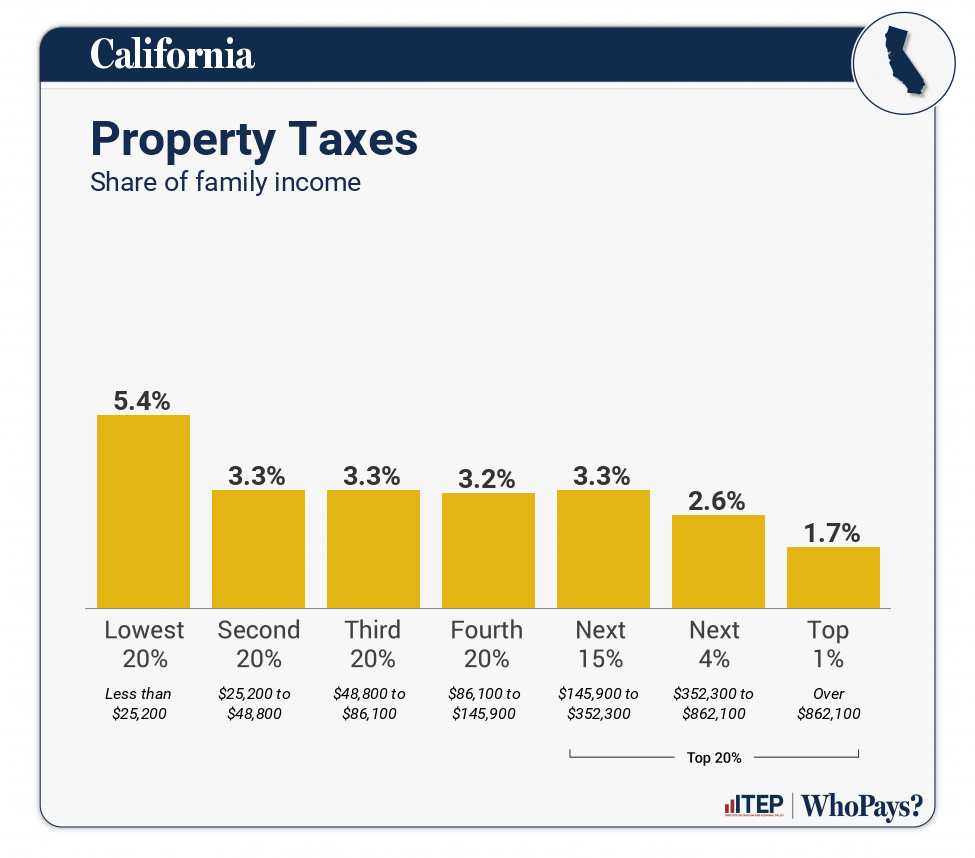
Understanding the implications of Proposition 13 is also crucial. A newly purchased home will be assessed at its sale price, setting a new base year value. This means new buyers typically face higher effective tax rates than long-term residents, an important consideration for those relocating from other states or within California.
Vacation Homes and Second Residences
The allure of a second home in California is undeniable. Imagine a weekend retreat in Palm Springs, a coastal bungalow in Laguna Beach, or a mountain cabin near Lake Tahoe. These properties are not just assets; they are lifestyle enhancements. However, property taxes form a considerable part of the ongoing ownership costs for such properties.
For potential second-home owners, careful financial planning is key. The expenses associated with property taxes, particularly those including Mello-Roos or other local assessments common in resort communities, can significantly impact the overall enjoyment and affordability of the lifestyle investment. Prospective buyers should always request a recent property tax bill to get an accurate picture of the annual financial commitment.
Real Estate Investment and Portfolio Planning
For real estate investors, California’s property tax structure presents both opportunities and challenges. While the high entry costs are a barrier, the stability offered by Proposition 13 once a property is acquired can be a benefit for long-term hold strategies. Rental properties, for instance, benefit from predictable tax increases, which can help in forecasting cash flow and returns.
However, investors must also account for property taxes when calculating cap rates and potential profits, especially in areas with high local levies. The “change of ownership” trigger for reassessment means that acquiring an income-generating property will reset its tax basis to the purchase price, potentially leading to a significant increase in annual operating expenses compared to the previous owner. This is particularly relevant for those considering flipping properties or investing in short-term rental markets in popular tourist destinations like Anaheim or the Wine Country.
Navigating County-Specific Variations
It’s a common misconception that property tax rates are uniform across California. While the 1% base rate is statewide, the cumulative effect of local levies means that the total rate can differ significantly from one county to another, and even between adjacent cities or districts within the same county.
For example, homeowners in Los Angeles County might face different effective rates than those in San Diego County or Orange County, primarily due to variations in voter-approved bonds and special assessment districts. Areas with newer developments, such as parts of Riverside County or Placer County, often have higher additional charges, including Mello-Roos taxes, to fund the infrastructure required for growth. Conversely, established urban centers like San Francisco County may have fewer new Mello-Roos districts but could have older, ongoing bond obligations.
Prospective homeowners and investors should consult the county assessor’s office for specific properties of interest. Websites for county tax assessors in California typically provide tools to look up current and projected property tax liabilities, offering transparency into the full cost of ownership in a particular locale.

Strategies for Understanding and Managing Property Tax Burdens
Engaging with the California property market requires a proactive approach to understanding and managing tax burdens.
- Thorough Due Diligence: Always obtain a property’s most recent tax bill and a detailed breakdown of all levies, especially for properties in newer developments where Mello-Roos taxes can be substantial. This provides clarity on the true annual cost.
- Understand Reassessment: Be aware that the assessed value will reset to the purchase price upon a change of ownership. Budget for this higher tax basis if you are a new buyer.
- Explore Exemptions: California offers a homeowner’s exemption for primary residences, reducing the assessed value by $7,000, which translates to a small but helpful tax saving. Other exemptions may exist for veterans or individuals with disabilities.
- Consider Long-Term Holds: Proposition 13’s 2% annual cap on assessed value increases significantly benefits long-term property ownership, making California an attractive market for those planning to stay put for many years.
- Seek Professional Guidance: For complex situations, consulting a real estate attorney, tax professional, or a knowledgeable real estate agent specializing in California properties can provide invaluable insights and ensure compliance.
Ultimately, navigating property tax rates in California is a critical part of realizing the diverse and rewarding lifestyles the state offers. By understanding the nuances of Proposition 13 and local levies, individuals can make informed financial decisions that support their California dream, whether it’s establishing roots, enjoying a luxury vacation home, or building a robust investment portfolio.
LifeOutOfTheBox is a participant in the Amazon Services LLC Associates Program, an affiliate advertising program designed to provide a means for sites to earn advertising fees by advertising and linking to Amazon.com. Amazon, the Amazon logo, AmazonSupply, and the AmazonSupply logo are trademarks of Amazon.com, Inc. or its affiliates. As an Amazon Associate we earn affiliate commissions from qualifying purchases.