
For any visitor setting foot in the Golden State, one of the most immediate and pervasive symbols encountered is the distinctive California Bear Flag. More than just a piece of fabric, it’s a vibrant tapestry woven with tales of independence, natural grandeur, and a pioneering spirit that defines California’s unique local culture. Understanding its appearance and the stories behind its elements isn’t just about vexillology; it’s about gaining a deeper appreciation for the identity of this diverse and dynamic destination, enriching the overall tourism experience. From bustling cityscapes to serene natural parks, the flag serves as a constant reminder of the state’s proud heritage, subtly guiding a tourist’s perception of California’s essence.

The Bear Flag: A Snapshot of California’s Spirit
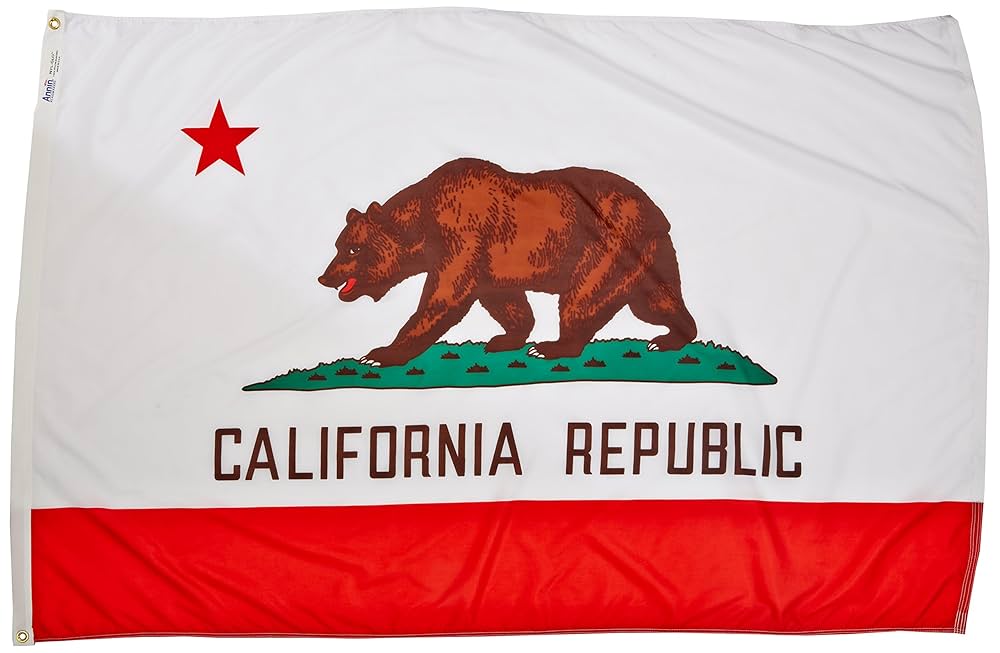
At first glance, the California flag commands attention with its bold imagery and striking colors. Predominantly white, it features a majestic grizzly bear, a red star, and a distinctive red stripe along the bottom. The words “CALIFORNIA REPUBLIC” are emblazoned beneath the bear, completing a visual narrative that speaks volumes about the state’s past and present. This emblem is not merely an official symbol; it is an omnipresent cultural icon seen on everything from government buildings and historical markers to local businesses and souvenir shops. For tourists, recognizing and understanding this flag transforms it from a simple design into a window into the soul of California, offering insights into its values of strength, independence, and connection to nature. Its ubiquitous presence fosters a sense of place and belonging, inviting visitors to delve deeper into the stories it represents.
Unpacking the Emblem: What Each Element Symbolizes for Visitors
Every component of the California flag carries significant historical weight and cultural meaning, offering insights that deepen a tourist’s understanding of the state.
The California Grizzly Bear: A Legacy of Strength and Wilderness
Dominating the center of the flag is a magnificent, eastward-facing California Grizzly Bear, walking on a patch of green grass. This isn’t just any bear; it represents the formidable California Grizzly Bear, a subspecies once abundant throughout the state but now extinct. For tourists exploring California’s vast national parks like Yosemite or Sequoia, the grizzly symbolizes the untamed wilderness and rugged beauty that still define much of the state’s landscape. It embodies strength, independence, and a fierce spirit of resilience—qualities deeply embedded in the California narrative. The choice of the grizzly also harks back to the pioneering era, when encounters with these powerful animals were common, linking the flag to the challenging yet rewarding experience of settling this vast territory. Understanding this symbolism enriches a visit to natural landmarks, connecting visitors to the wild heart of California.
The Lone Star of Sonoma: A Beacon of Independence
In the upper left corner of the flag shines a single red five-pointed star. This “Lone Star” holds a direct historical lineage to the original flag hoisted during the Bear Flag Revolt in 1846. It was reportedly inspired by the Lone Star of Texas, symbolizing a nascent republic’s assertion of independence. For tourists interested in the historical tapestry of the United States, this star represents California’s brief but pivotal period as an independent nation, the California Republic, before its annexation by the U.S. It speaks to the spirit of self-determination and the revolutionary fervor that characterized the mid-19th century in the American West. Encountering this star on monuments or in museums can evoke a sense of the dramatic geopolitical shifts that shaped the region, offering a deeper understanding of California’s journey to statehood.
The Vibrant Red Stripe and Pure White Field: Colors of Courage and Peace
A broad red stripe runs horizontally along the bottom of the flag. This bold color is traditionally associated with courage, sacrifice, and the valor displayed by those who fought for California’s independence. It pays homage to the blood shed and the determination shown by the early settlers and revolutionaries. The expansive white field that covers the majority of the flag symbolizes purity, peace, and integrity—ideals that the young California Republic aspired to embody. For visitors, these colors aren’t just decorative; they are mnemonic devices, reminders of the profound historical events and the foundational principles upon which California was built. Seeing these colors prominently displayed throughout the state reinforces the narrative of a land forged through both conflict and a desire for harmonious new beginnings.
“California Republic”: Echoes of a Brief Nation
The words “CALIFORNIA REPUBLIC” are inscribed in bold black letters beneath the bear. This inscription directly references the short-lived entity that existed for only 25 days in 1846, following the Bear Flag Revolt. Though brief, this period was crucial in California’s transition from Mexican rule to U.S. statehood. For tourists, this phrase is a direct historical marker, pointing to a moment when California briefly stood as an independent nation. It adds a layer of intrigue and historical depth, inviting visitors to ponder the complex geopolitical landscape of the era. This inscription is a key cultural identifier, distinguishing California from other U.S. states and highlighting its unique path to sovereignty.
From Revolt to Recognition: The Flag’s Historical Journey Through a Tourist’s Eyes
The evolution of the California flag from a makeshift banner to an official state symbol is a captivating narrative that deeply enriches a tourist’s understanding of California’s character and local culture.
The 1846 Bear Flag Revolt: Where It All Began
The story of the California flag truly begins in Sonoma in June 1846. A group of American settlers, discontent with Mexican rule and fearing perceived threats, launched a revolt against the Mexican government. On June 14, they seized the Mexican garrison in Sonoma and declared the independent California Republic. Lacking an official flag, William Todd, one of the rebels, hastily created a banner using a piece of unbleached cotton, red ink made from berries, and a drawing of a grizzly bear. This improvised flag, with its iconic bear and star, was hoisted over the Sonoma Plaza, marking the birth of a new, albeit short-lived, nation. For tourists visiting Sonoma today, exploring its historic plaza and adobe buildings offers a direct connection to this pivotal moment, where the very concept of the California Republic was born. It’s a tangible link to a revolutionary past, inviting visitors to walk in the footsteps of those who first conceived the symbol of the Golden State.
Official State Symbol: A Mark of Enduring Identity
Though the California Republic lasted less than a month before California became part of the United States during the Mexican-American War, the spirit of the Bear Flag endured. For decades, various unofficial versions of the Bear Flag were flown. It wasn’t until 1911 that the design was officially adopted as the state flag by the California State Legislature. The design was further standardized in 1953 to ensure consistency in the depiction of the bear and other elements. This official recognition cemented its status, transforming a symbol of rebellion into a proud emblem of statehood. For tourists, understanding this journey from revolt to official status highlights the enduring power of symbols in shaping collective identity. The official flag, with its standardized design, is a visible representation of California’s settled identity and a welcoming sign for all who visit its shores.
Experiencing the Bear Flag: Where Visitors Encounter California’s Emblem
The California Bear Flag is more than just a historical artifact; it’s a living symbol that visitors will encounter in countless ways, each interaction deepening their connection to the local culture.
Government and Public Spaces: Visible Pride
One of the most common places for tourists to see the California flag is flying proudly over government buildings. From the grand State Capitol Building in Sacramento to local city halls and public schools across the state, the flag is a prominent display of state pride and civic identity. Visitors touring these sites or simply passing by will note its omnipresence, often flying alongside the U.S. flag. This serves as a constant visual cue, reminding tourists of the distinct governmental and cultural identity of California within the larger framework of the United States. It highlights the state’s unique governance and the values it upholds for its residents and guests.
Historical Sites and Museums: Living History
For those keen on delving deeper into California’s past, historical sites and museums offer invaluable context for the flag. The Sonoma State Historic Park, where the Bear Flag Revolt began, often features replicas of the original flag and detailed exhibits explaining its creation and significance. Similarly, the California State Museum in Sacramento, along with various county historical societies, frequently showcases original artifacts and extensive displays about the flag’s evolution. Visiting these locations allows tourists to see the flag not just as a symbol, but as a tangible piece of history, understanding its journey from a makeshift banner to a powerful emblem of state identity. It transforms a visual motif into a profound educational experience.

Souvenirs and Local Art: Taking a Piece of California Home
Beyond official displays, the California Bear Flag is a ubiquitous motif in local commerce and art. Tourists will find its imagery on t-shirts, mugs, magnets, postcards, and a wide array of handcrafted items in gift shops from San Diego to the Redwood National Park. Local artists often incorporate the bear and star into their works, reflecting a deep connection to state identity. Choosing a souvenir bearing the Bear Flag isn’t just buying a trinket; it’s taking home a piece of California’s enduring culture and history. These items serve as personal mementos, helping tourists recall their experiences and the rich cultural tapestry they discovered while exploring the Golden State, making the flag a lasting part of their travel memories.
LifeOutOfTheBox is a participant in the Amazon Services LLC Associates Program, an affiliate advertising program designed to provide a means for sites to earn advertising fees by advertising and linking to Amazon.com. Amazon, the Amazon logo, AmazonSupply, and the AmazonSupply logo are trademarks of Amazon.com, Inc. or its affiliates. As an Amazon Associate we earn affiliate commissions from qualifying purchases.