
The California Missions stand as iconic landmarks, representing a pivotal yet complex chapter in the history of California and the broader United States. More than just old buildings, these twenty-one religious outposts, stretching from San Diego in the south to Sonoma in the north, embody a profound legacy of exploration, colonization, cultural exchange, and often, profound conflict. To understand what a California Mission is, one must delve into the motivations behind their construction, their distinctive architectural form, and their enduring, multifaceted impact on the landscape and the people of the region.
The Spanish Colonial Legacy in California
The story of the California Missions begins with the ambitions of the Spanish Empire in the late 18th century. Driven by a desire to expand its territorial claims, protect its existing Mexican possessions from Russian and British encroachment, and convert indigenous populations to Christianity, Spain embarked on a strategic colonization effort in Alta California (present-day California). The mission system was the primary instrument of this colonization.

Purpose and Foundation
The missions were not merely churches; they were comprehensive, self-sufficient communities designed to serve multiple functions. Ecclesiastically, they aimed to Christianize the Native Americans, integrating them into Spanish society and culture. Economically, they were agricultural and craft centers, producing food, livestock, and goods that supported both the mission inhabitants and the military presidios (forts) established nearby. Strategically, they served as anchors of Spanish presence, solidifying claims over the vast frontier.
The first of the twenty-one missions, Mission San Diego de Alcalá, was founded in 1769 by Father Junípero Serra, a Franciscan friar who became the architect of the mission system in California. Over the next 50 years, his successors continued the work, establishing a chain of missions roughly a day’s journey apart along a route that would eventually become known as El Camino Real (The Royal Road). Each mission was typically accompanied by a presidio or pueblo (civilian town), creating a network of Spanish control.
Architectural Identity and Design
The California Missions possess a distinct architectural style that is immediately recognizable and deeply rooted in Spanish colonial traditions, adapted to the resources and skills available in Alta California. While each mission has its unique features, a common set of design principles and materials defines their collective identity.
Materials and Construction
Construction materials were primarily local and utilitarian. Adobe, sun-dried brick made from clay, straw, and water, was the fundamental building block. Adobe walls, often several feet thick, provided excellent insulation against California’s varying temperatures. Timber, typically from local forests, was used for roofs and structural elements, while roof tiles, initially made from clay molded over the thighs of Native American laborers, became a signature element. Stone was employed for foundations and more intricate details where available, particularly in later missions.
Layout and Features
A typical California Mission was designed as a quadrangle, an enclosed courtyard surrounded by various structures. This layout provided defense, privacy, and a central gathering space. Key components included:
- The Church (Capilla or Iglesia): The spiritual heart of the mission, often the most elaborately decorated structure, featuring thick adobe walls, arched doorways, and bell towers (campanarios). The interior typically included an altar, religious artwork, and seating for congregants.
- Living Quarters (Convento): Rooms for the resident friars and sometimes for visiting dignitaries.
- Workshops (Talleres): Spaces dedicated to various trades such as weaving, tanning, carpentry, blacksmithing, and olive oil production, essential for the mission’s self-sufficiency.
- Storage Rooms (Almacenes): For agricultural produce, tools, and supplies.
- Kitchen and Dining Areas (Cocina y Comedor): Communal spaces for food preparation and consumption.
- Indian Quarters (Rancherías): Housing for the baptized Native Americans (neophytes) who lived and worked at the mission. These were often simpler structures, sometimes rows of adobe houses.
- Courtyard (Patio/Quadrangle): A central open space, often adorned with fountains or gardens, providing a peaceful enclosed area.
- Cemetery (Cementerio): Adjacent to the church, serving as the burial ground for friars and neophytes.
- Walls and Gates: The entire complex was often enclosed by defensive walls, providing security.
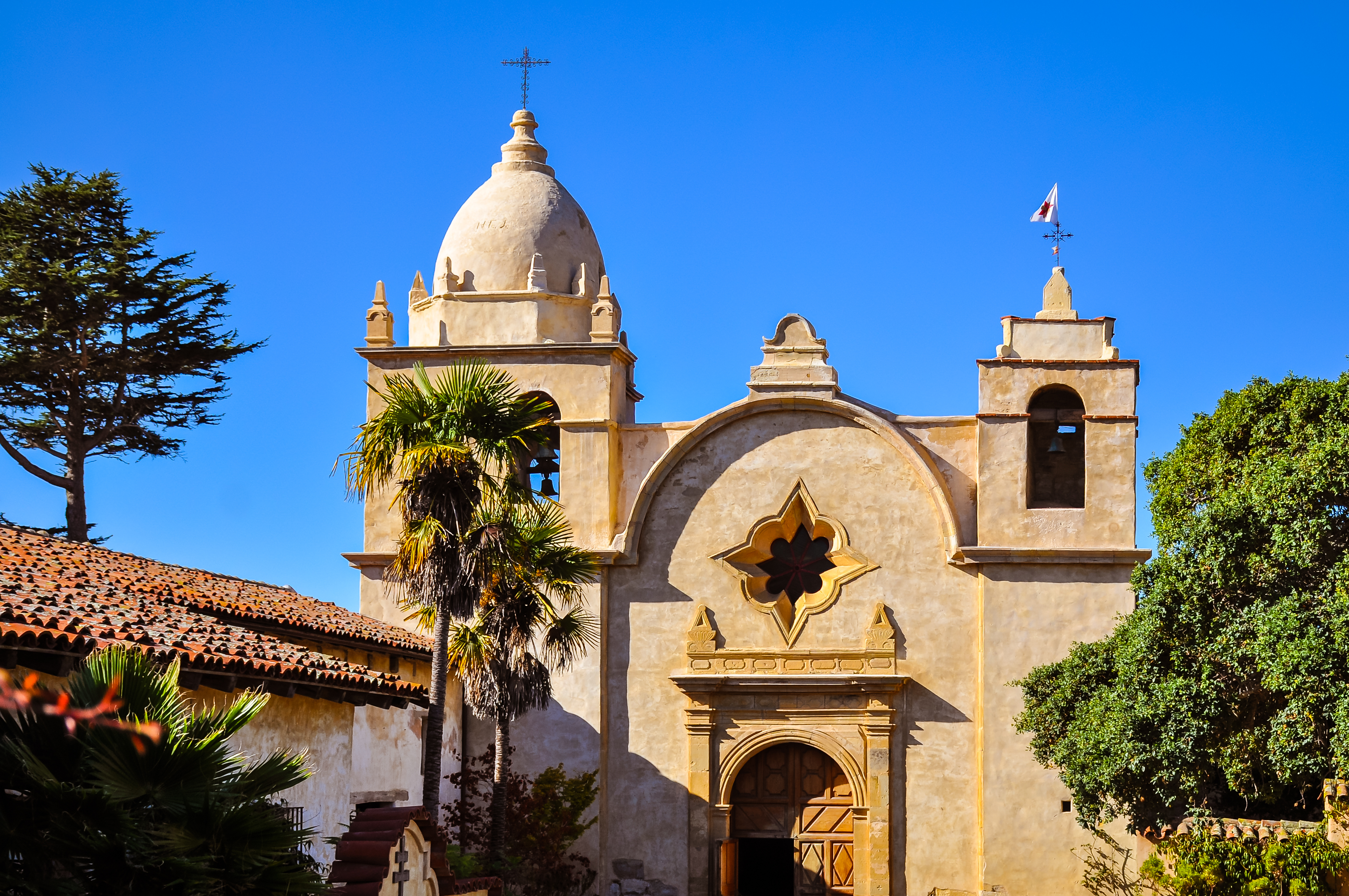
The architectural style, often referred to as Mission Revival in later periods, emphasized simplicity, massiveness, and a certain rustic elegance. Arches, arcades, and bell walls are ubiquitous elements, creating a sense of grandeur and timelessness that continues to define much of California’s historical aesthetic.
The Mission System’s Role and Impact
The establishment of the California Missions profoundly reshaped the landscape and the social fabric of Alta California, leaving an indelible mark that is both celebrated and critically examined.
Economic and Agricultural Development
The missions were highly productive agricultural enterprises. They introduced European crops like wheat, barley, grapes, and olives, transforming the region’s agricultural potential. Livestock, including cattle, sheep, and horses, were also introduced, forming the basis of California’s future ranching economy. The missions produced textiles, leather goods, and other crafts, fostering a localized economy that, for a time, made them the most dominant economic force in the region. Their vast landholdings and extensive labor force enabled this productivity.
Cultural Transformation and Conflict
While the friars viewed the missions as institutions of salvation and civilization, the impact on Native American populations was complex and often devastating. Tens of thousands of indigenous people were brought into the mission system, sometimes voluntarily seeking resources or protection, but often through coercion or force. They were taught European farming techniques, crafts, and the Spanish language, and were compelled to adopt Catholicism and European customs.
This profound cultural assimilation came at a great cost. Traditional Native American spiritual beliefs, languages, and ways of life were suppressed. Overcrowding, poor sanitation, and the introduction of European diseases led to catastrophic population declines among the missionized Native Americans. The labor required to sustain the missions was often arduous and involuntary, akin to servitude. The legacy of the missions remains a sensitive topic, with ongoing discussions about their role in the dispossession and suffering of indigenous peoples.
Decline and Secularization
The mission era in California came to an end in the 1830s, following Mexico’s independence from Spain in 1821. The new Mexican government, wary of the Franciscans’ power and seeking to redistribute mission lands, initiated the process of secularization. Mission properties were confiscated, and their vast landholdings were broken up into ranchos, often granted to Mexican citizens and soldiers. The churches themselves were typically handed over to local parish priests, but many of the structures fell into disrepair, were looted, or were left abandoned.
Preservation and Modern Significance
After decades of neglect following secularization, a movement to preserve and restore the California Missions began in the late 19th and early 20th centuries. Organizations, historical societies, and individuals recognized the unique historical and architectural value of these structures, leading to significant restoration efforts that continue to this day.
Enduring Landmarks
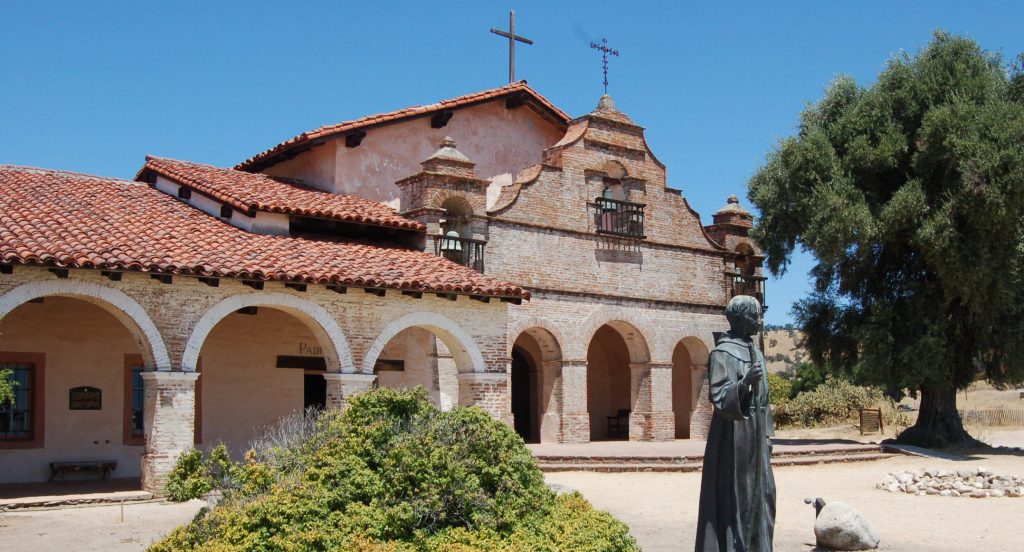
Today, the California Missions serve as vital historical landmarks, offering tangible connections to California’s past. Many are active parishes, continuing their original religious function, while others operate as museums and educational centers. Notable examples include Mission San Carlos Borromeo de Carmelo in Carmel, the resting place of Father Junípero Serra; the grand Mission San Gabriel Arcángel near Los Angeles; Mission San Luis Obispo de Tolosa, known for its active community; the picturesque Mission Santa Barbara, often called the “Queen of the Missions” due to its symmetrical beauty; Mission San Juan Capistrano, famous for its swallows and ruins; and Mission San Francisco de Asís (Mission Dolores) in San Francisco, the oldest intact building in the city.
These sites are not merely historical curiosities; they are living testaments to the forces that shaped California. They stand as architectural marvels, showcasing early construction techniques and aesthetic principles. They are also crucial educational tools, allowing current and future generations to grapple with complex historical narratives, including the triumphs of endurance and faith, the architectural ingenuity, and the difficult truths of colonial expansion and its impact on indigenous communities. The preservation of these landmarks ensures that their multifaceted story—a narrative of exploration, faith, labor, conflict, and cultural fusion—continues to be told and debated, providing invaluable insight into the foundations of one of America’s most dynamic states.
LifeOutOfTheBox is a participant in the Amazon Services LLC Associates Program, an affiliate advertising program designed to provide a means for sites to earn advertising fees by advertising and linking to Amazon.com. Amazon, the Amazon logo, AmazonSupply, and the AmazonSupply logo are trademarks of Amazon.com, Inc. or its affiliates. As an Amazon Associate we earn affiliate commissions from qualifying purchases.