
California, often referred to as the Golden State, is an enigma of geographical and climatic diversity. From sun-drenched beaches and arid deserts to snow-capped mountains and fertile valleys, its vast expanse offers a kaleidoscope of experiences for any traveler. However, with such dramatic variations in landscape comes an equally dramatic range in weather patterns. Understanding “what is the weather in California?” is not a simple question with a single answer; rather, it’s an exploration into a series of microclimates, each dictating a unique set of travel possibilities and lifestyle choices.
For those planning a memorable trip, whether it’s a luxurious escape, a budget-friendly adventure, a family vacation, or a crucial business stay, grasping California’s climatic nuances is paramount. It influences everything from your packing list and the type of accommodation you book to the attractions you visit and the activities you can enjoy. This comprehensive guide delves into the Golden State’s diverse weather, helping you plan the perfect journey across its remarkable landscapes.
Understanding California’s Diverse Climates: A Tapestry of Terrains
California’s unique geography – bordered by the Pacific Ocean to the west, major mountain ranges like the Sierra Nevada Mountains to the east, and expansive deserts to the south – creates a multitude of distinct climate zones. Each region boasts its own meteorological personality, offering different attractions and demanding specific preparations.
The Mediterranean Marvel: Coastal California
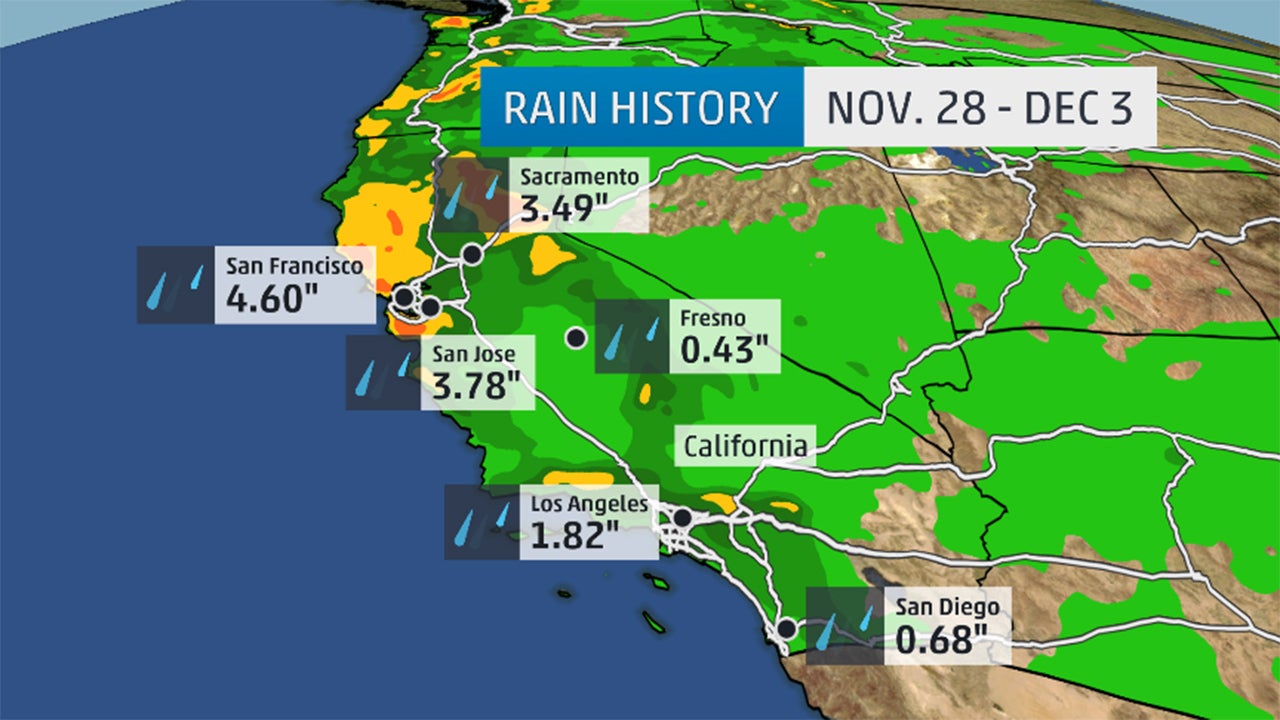
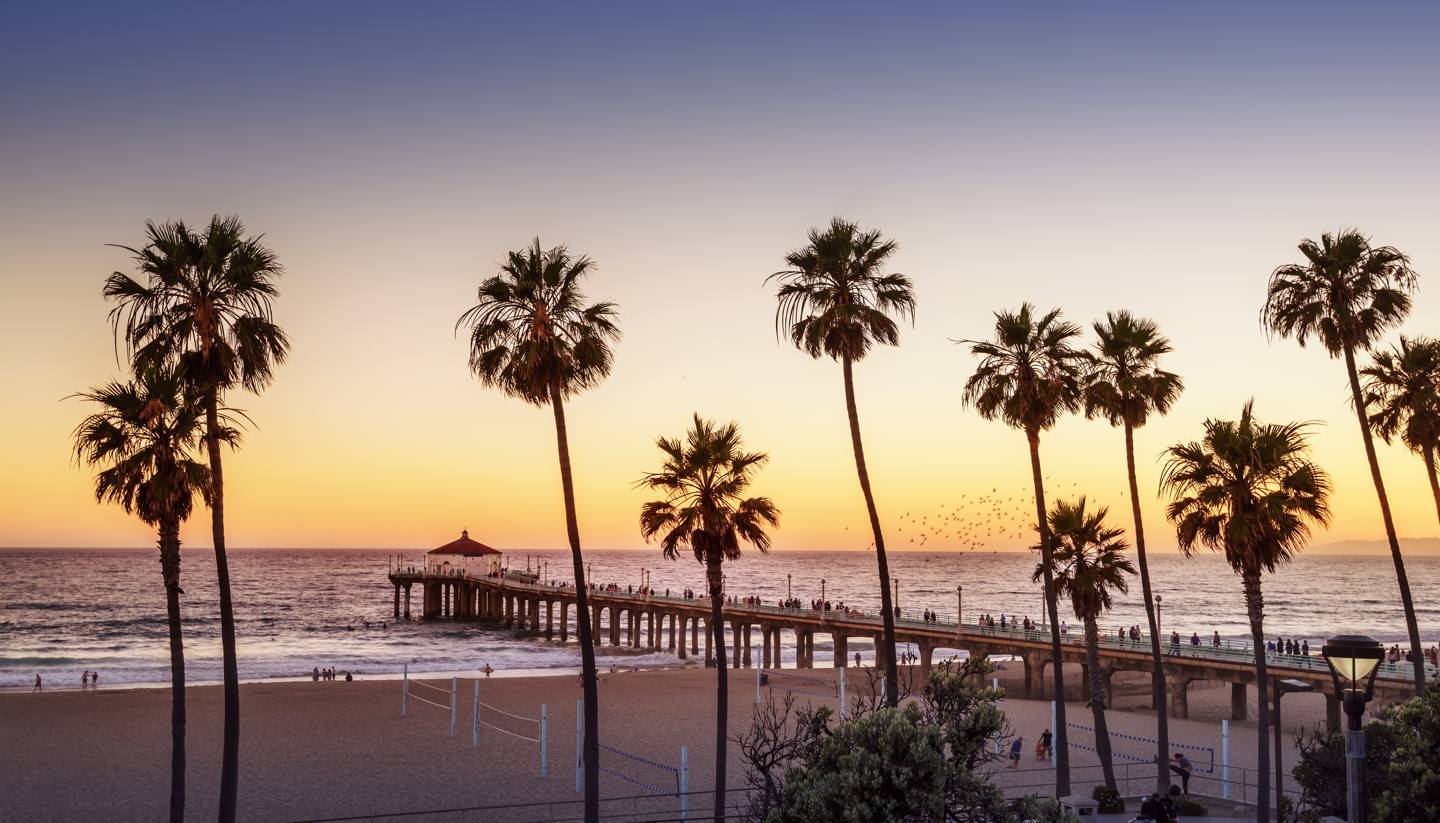
The extensive coastline, stretching over 800 miles from San Diego in the south to the redwood forests in the north, enjoys a quintessential Mediterranean climate. This means mild, wet winters and warm, dry summers. Cities like Los Angeles, Santa Barbara, Monterey, and San Francisco epitomize this climate.
Summer temperatures along the coast generally hover in the comfortable 70s°F (20-25°C), rarely exceeding extremes. The presence of a “marine layer” or fog, particularly in the mornings, is common, especially in San Francisco and along the Central Coast in areas like Big Sur and Carmel-by-the-Sea. This fog often burns off by midday, revealing clear, sunny skies. Winters are mild, with daytime temperatures usually in the 50s-60s°F (10-18°C) and occasional rainfall. Snow is virtually unheard of at sea level in these areas, making coastal regions ideal for year-round exploration of landmarks such as the Golden Gate Bridge or the Santa Monica Pier. The pleasant climate makes booking oceanfront accommodations, like those found at Hotel del Coronado in San Diego or the Ritz-Carlton, Laguna Niguel, incredibly appealing for a luxurious travel experience.
Desert Dramas: Southern California’s Inland Empire & Deserts
Venture inland from the southern coast, and the climate transforms dramatically. Regions like the Mojave Desert, Palm Springs, and areas surrounding Joshua Tree National Park experience extremely hot, dry summers where temperatures frequently soar above 100°F (38°C), sometimes reaching as high as 120°F (49°C), especially in places like Death Valley. Nights, however, can bring significant cooling due to the dry air.
Winters in the deserts are pleasantly warm and sunny, with daytime temperatures often in the 60s-70s°F (15-25°C), making it a popular destination for those seeking winter sun. This is the prime season for desert tourism, outdoor activities, and enjoying the numerous resorts and spas in Palm Springs. Spring and autumn offer comfortable transitional periods, though temperatures can still be quite warm. Visitors seeking unique accommodation like desert villas or boutique hotels will find the mild winter a perfect time to explore the local culture and breathtaking natural landmarks.
Mountain Majesty: Sierra Nevada and Northern Ranges
Dominating the eastern spine of California, the Sierra Nevada Mountains and other northern ranges present an alpine climate. This region is characterized by cold, snowy winters and mild to warm, dry summers. Iconic destinations such as Lake Tahoe, Mammoth Lakes, and Yosemite Valley are nestled within these majestic peaks.
Winters are a paradise for snow sports enthusiasts, with abundant snowfall blanketing slopes and transforming the landscape into a winter wonderland. Temperatures often drop below freezing, especially at higher elevations, necessitating warm clothing and appropriate travel gear. Summer, on the other hand, brings glorious sunshine and comfortable temperatures, making it ideal for hiking, camping, and exploring national parks. Daytimes are typically in the 70s-80s°F (20-30°C), while nights remain cool. The shoulder seasons of late spring and early fall offer spectacular scenery with melting snow creating powerful waterfalls or autumn leaves painting the forests in vibrant hues. Accommodation options range from cozy cabins and lodges to upscale resorts, many offering direct access to nature and outdoor activities.
Valley Vibrancy: Central Valley’s Hot Summers & Cool Winters
The vast Central Valley, stretching hundreds of miles through the heart of California and home to cities like Sacramento, experiences a continental climate with distinct seasons. Summers here are notoriously hot and dry, with temperatures regularly exceeding 90°F (32°C) and often hitting 100°F (38°C) or more. The lack of marine influence means less humidity but intense heat.
Winters are cooler and foggier than the coast, with average daytime temperatures in the 40s-50s°F (4-10°C) and occasional dense tule fog, which can significantly impact visibility for travel. Rainfall primarily occurs during the winter months. Spring and autumn are transitional and generally pleasant, offering ideal conditions for exploring the agricultural bounty of the region, including the famous Napa Valley wine country. For travelers focused on local culture and food tourism, timing a visit in the spring or fall avoids the summer heat and winter fog, ensuring a more comfortable experience while staying in charming bed and breakfasts or vineyard resorts.
Planning Your California Trip: Weather by Season
The best time to visit California depends entirely on your desired activities and the regions you wish to explore. Each season offers unique advantages and challenges across its diverse landscapes.
Spring: Bloom, Breeze, and Mild Adventures (March – May)
Spring is arguably one of the most delightful times to visit much of California. The weather is generally mild and pleasant across most regions. Wildflowers burst into bloom in the deserts and along the coast, painting landscapes with vibrant colors.
- Coastal Areas: Enjoy comfortable temperatures in the 60s-70s°F (15-25°C), ideal for exploring cities like San Diego or strolling along beaches without the summer crowds.
- Deserts: Early spring offers perfect temperatures (70s-80s°F / 20-30°C) for hiking and outdoor exploration before the intense summer heat sets in. Witnessing the desert bloom after winter rains is a spectacular sight in Joshua Tree National Park.
- Mountains: Snowmelt creates powerful waterfalls in Yosemite Valley, though higher elevation trails may still be closed. Lower elevations are excellent for hiking. Ski resorts may still be open into late spring, offering spring skiing.
- Central Valley: Pleasant temperatures make it a great time for wine tasting in Napa Valley or visiting agricultural attractions.
Spring is a fantastic time for general travel, offering a balance of comfortable temperatures and fewer crowds than summer.
Summer: Sun-soaked Escapes and Coastal Cool (June – August)
Summer in California is synonymous with sunshine and outdoor activities, but the weather varies significantly by region.
- Coastal Areas: The prime destination for escaping inland heat. Temperatures are mild (60s-70s°F / 15-25°C), perfect for beach days, surfing, and exploring urban attractions like Disneyland Resort or the Hollywood Walk of Fame. Be prepared for morning fog, especially in San Francisco (the famous “Karl the Fog”).
- Deserts: Extremely hot, often exceeding 100°F (38°C). Outdoor activity is best done in early mornings or late evenings. Many visitors opt for resort pools and indoor attractions.
- Mountains: Ideal for hiking, camping, and water sports in places like Lake Tahoe. Warm days (70s-80s°F / 20-30°C) and cool nights make for perfect outdoor adventures. All trails are typically open.
- Central Valley: Very hot and dry. Activities might be limited to air-conditioned indoor venues or early morning/late evening excursions.
Summer is peak travel season, especially for coastal and mountain destinations. Booking accommodation well in advance is crucial, particularly for popular resorts.
Autumn: Golden Hues and Ideal Temperatures (September – November)
Autumn brings some of California’s most agreeable weather, often referred to as “Indian Summer,” offering a sweet spot before winter.
- Coastal Areas: Often the warmest and clearest time of year, with less fog and higher temperatures than summer. Perfect for beach visits and exploring landmarks. This is a favorite time for locals to enjoy the coast.
- Deserts: Temperatures begin to cool (70s-90s°F / 20-35°C), making it excellent for outdoor activities and re-opening popular trails in Death Valley.
- Mountains: Days remain pleasant for hiking, and the changing fall foliage, particularly in the Sierra Nevada Mountains and Lake Tahoe region, is spectacular. Nights grow colder, hinting at the upcoming winter.
- Central Valley: Harvest season is in full swing, especially in Napa Valley, and temperatures are wonderfully mild (70s-80s°F / 20-30°C), making it ideal for wine tours and agricultural tourism.
Autumn is a fantastic time for all types of travel, offering pleasant weather across nearly all regions and often fewer crowds than summer.
Winter: Snow, Surf, and Seasonal Delights (December – February)
California winters are a study in contrasts, offering everything from heavy snowfall to mild sunshine.
- Coastal Areas: Mild and wet, with daytime temperatures in the 50s-60s°F (10-18°C). It’s ideal for storm watching, enjoying cozy cafes, or finding budget-friendly accommodation. Surfing is still popular, especially for experienced cold-water surfers.
- Deserts: Delightfully warm and sunny (60s-70s°F / 15-25°C), making it the peak season for outdoor recreation, golf, and enjoying resorts in Palm Springs.
- Mountains: Heavy snowfall transforms the mountains into a winter sports playground. Skiing, snowboarding, and snowshoeing are popular activities in Mammoth Lakes and Lake Tahoe. Many roads to high-elevation national parks, including parts of Yosemite Valley, may close due to snow.
- Central Valley: Cooler and often foggy, particularly in the mornings. Less ideal for outdoor activities due to cooler temperatures and potential for dense fog.
Winter offers unique travel experiences, from luxurious ski resort stays to sun-drenched desert getaways. It’s also a good time to explore urban attractions like Universal Studios Hollywood without the summer crowds.
Weather’s Impact on Travel & Lifestyle in California
Understanding California’s weather is not just about temperature; it’s about how it shapes your entire travel experience and the lifestyle you can immerse yourself in.
Choosing the Right Accommodation
The weather profoundly influences accommodation choices. In summer, coastal hotels, resorts with pools, or mountain lodges near lakes become prime real estate. During winter, ski resorts in the Sierra Nevada Mountains or desert villas with heated pools in Palm Springs are highly sought after. For a truly luxurious travel experience, a hotel like the Waldorf Astoria Beverly Hills offers year-round comfort, but its amenities might be enjoyed differently depending on the season. Budget travelers might find better deals in high-demand areas during the off-season, leveraging less-than-ideal weather for savings. Always consider amenities like air conditioning (essential in the Central Valley and deserts) or heating (crucial in the mountains) when booking.
Curating Your Itinerary: Activities & Attractions
Your itinerary will be a direct reflection of the weather. Beach activities like surfing, swimming, and sunbathing are best enjoyed in the warmer months along the coast. Hiking and national park explorations in Yosemite Valley or Joshua Tree National Park are seasonal – prime in spring/fall for deserts, and summer for mountains. Winter is dedicated to snow sports in places like Mammoth Lakes or exploring cultural landmarks like Alcatraz Island or the Griffith Observatory in Los Angeles, which are less weather-dependent. Food tourism and exploring local culture, such as wine tasting in Napa Valley, can be enjoyable in milder seasons, particularly autumn during harvest.
Packing Smart for California’s Varied Weather
Given the extreme variations, packing for a California trip often means layering. Even on a summer day, a coastal breeze in San Francisco or Monterey can feel chilly, requiring a jacket. A trip spanning multiple regions might necessitate swimwear, shorts, t-shirts, light jackets, rain gear, and even a heavy coat if visiting the mountains in winter. Always check specific forecasts for your destination cities and landmarks just before your departure.
Special Weather Considerations & Tips
Beyond the general seasonal patterns, a few specific meteorological phenomena and environmental factors are important for travelers to California.
Fog and Marine Layers
Especially along the coast, a common feature is the marine layer or fog. While often burning off by midday, it can persist longer, particularly in San Francisco or along the Big Sur coastline. This can impact visibility and cooler temperatures. If clear skies are a priority for your coastal exploration, consider late summer or early autumn, when the fog is often less prevalent.
Wildfire Season Awareness
Due to its dry climate and vast wildlands, California experiences a wildfire season, typically from late summer through late autumn. While fires can occur anywhere, mountainous and forested areas are most susceptible. Air quality can be affected, and road closures or evacuations may occur. It’s wise to monitor local news and air quality reports if traveling during these months, particularly for outdoor activities near national parks or forests.
Droughts and Water Conservation
California is periodically susceptible to droughts. While this doesn’t directly impact daily travel weather, it’s an important aspect of the state’s environmental context. Visitors are encouraged to practice water conservation, a small but significant way to engage with local lifestyle and contribute to the state’s ecological well-being. Hotels and accommodations often provide guidance on this.
Microclimates and Elevation
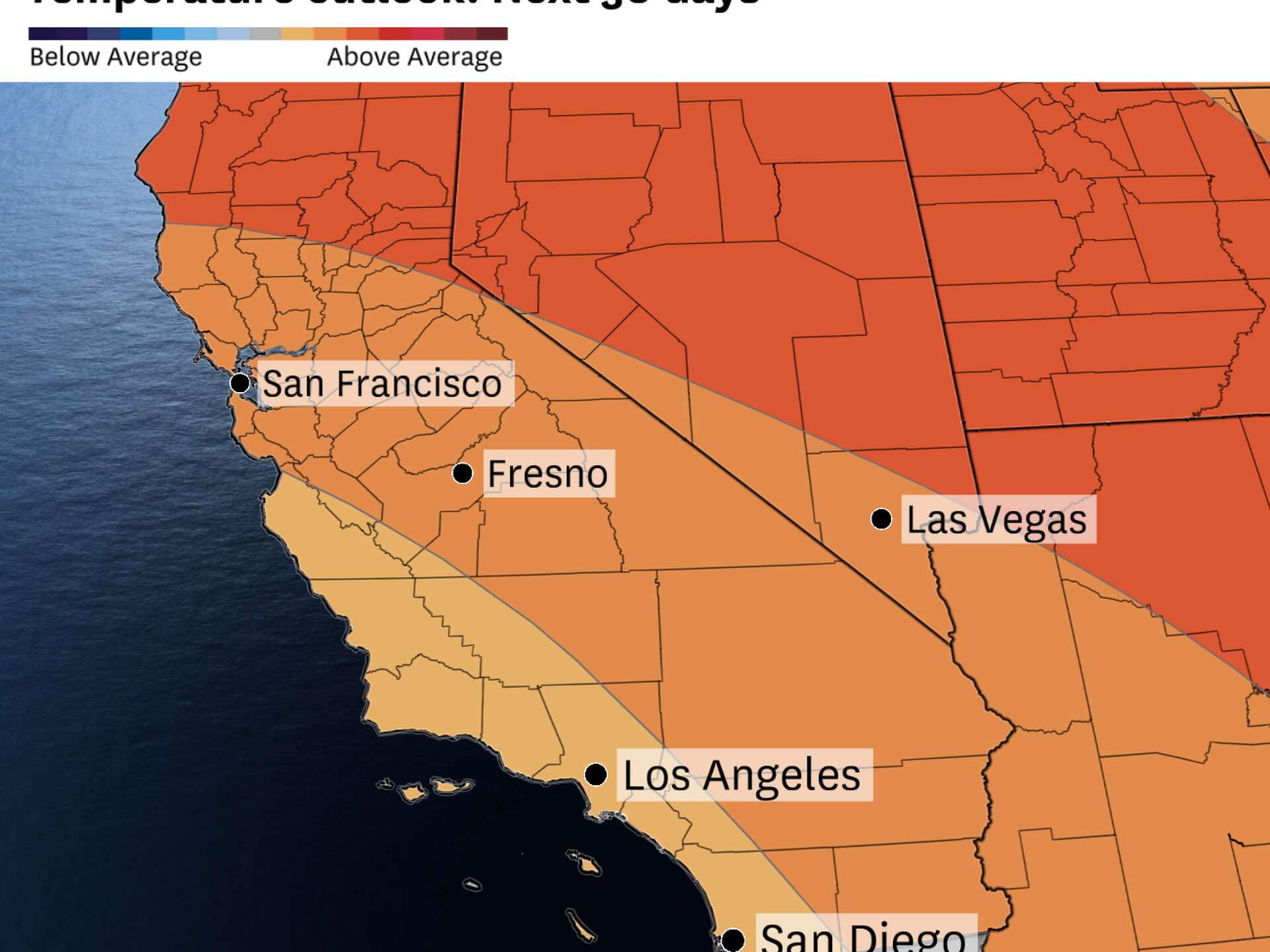
Always remember the concept of microclimates. Two locations just a few miles apart can have vastly different weather, especially when elevation changes quickly. For example, inland areas of Los Angeles can be significantly hotter than coastal Santa Monica. The difference between Lake Tahoe and the Central Valley is stark even though they are relatively close. Always check specific forecasts for each segment of your journey.
In conclusion, the answer to “what is the weather in California?” is as rich and varied as the state itself. From the refreshing coastal breezes that define a San Francisco summer to the crisp, snowy winters of the Sierra Nevada Mountains, California offers a climate for every preference and adventure. By understanding these diverse weather patterns and planning accordingly, you can curate an unforgettable travel experience, whether you’re seeking a luxurious resort stay, an immersive cultural journey, or an exhilarating outdoor adventure in this magnificent United States state. Always check the forecast before you go, and be prepared to embrace the delightful diversity that California weather so famously delivers.
LifeOutOfTheBox is a participant in the Amazon Services LLC Associates Program, an affiliate advertising program designed to provide a means for sites to earn advertising fees by advertising and linking to Amazon.com. Amazon, the Amazon logo, AmazonSupply, and the AmazonSupply logo are trademarks of Amazon.com, Inc. or its affiliates. As an Amazon Associate we earn affiliate commissions from qualifying purchases.