
Sacramento, capital of California, is nestled within Sacramento County. This essential administrative division forms the geographical and governmental bedrock for the state’s sixth-largest city, defining its historical narrative, economic landscape, and vibrant community life. For travelers seeking to understand the Golden State’s heart, grasping the role and offerings of Sacramento County is paramount. It’s not merely a political boundary but a rich tapestry of history, nature, and urban development converging at the meeting point of the Sacramento and American Rivers.
Unveiling Sacramento’s Geographical Heart
Sacramento County is one of California’s original 27 counties, established in 1850 upon statehood. Its strategic location in the expansive Central Valley, at the confluence of two major rivers, has historically made it a vital hub for transportation, commerce, and agriculture. The county seat, the city of Sacramento, is the bustling core, serving as the governmental center for the entire state, housing the California State Capitol Museum and numerous state agencies.
Understanding Sacramento County encompasses the diverse communities, natural landscapes, and economic drivers that define the region. From the bustling urban environment of downtown Sacramento to the sprawling agricultural lands, this area offers a microcosm of California’s varied appeal. For travelers, recognizing the county’s scope helps in planning explorations, whether seeking historical insights, outdoor recreation, or culinary adventures. Its boundaries encapsulate a wealth of attractions, making it a comprehensive destination.

A Tapestry of History and Founding
The origins of Sacramento County are deeply intertwined with the foundational events that shaped California. Its history is a compelling narrative of ambition, gold fever, and pioneer spirit.
Gold Rush Origins
The discovery of gold at Sutter’s Mill in nearby Coloma in 1848, igniting the California Gold Rush, profoundly impacted the nascent settlement of Sacramento. Founded by John Sutter as Sutter’s Fort in 1839, the area quickly transformed into a crucial supply point for miners. The river system, with the Sacramento River connecting to San Francisco Bay and the American Rivers leading inland, established Sacramento as a natural transportation hub. This influx rapidly swelled the population, laying groundwork for its formal establishment as a county and major city. This era birthed the historic architecture of the Old Sacramento Waterfront, a testament to its bustling past.
State Capital Status
Sacramento’s political destiny was cemented when it was designated the capital of California in 1854, due to its central location and river accessibility. The magnificent California State Capitol Museum, completed in 1874, became a symbol of the state’s growing influence. The county’s development continued with the transcontinental railroad, solidifying its importance as a nexus for trade and communication. Visitors can explore this rich history at various museums and historical sites, offering a deep dive into the forces that shaped modern California.
Exploring Sacramento County: A Traveler’s Guide
For travelers, Sacramento County offers diverse experiences, blending urban sophistication with natural beauty and historical intrigue. From its vibrant city core to its picturesque outskirts, there’s something to captivate every interest.
Urban Delights in Downtown Sacramento
The heart of the county pulses within downtown Sacramento. The Old Sacramento Waterfront, a national historic landmark, transports visitors back to the Gold Rush era with its boardwalks, horse-drawn carriages, and preserved 19th-century buildings. Here, explore the California State Railroad Museum, offering an unparalleled collection of locomotives, or enjoy a paddlewheel riverboat cruise on the Sacramento River. A short stroll away, the Crocker Art Museum showcases Californian art, European master drawings, and international ceramics. The iconic Tower Bridge, an art deco marvel, spans the Sacramento River, connecting the city to Yolo County. For sports or concerts, the Golden 1 Center serves as a modern entertainment hub, hosting the Sacramento Kings NBA team and major touring acts.
Outdoor Adventures and Natural Beauty
Beyond its urban core, Sacramento County is a haven for outdoor enthusiasts. The jewel in its crown is the 32-mile Jedediah Smith Memorial Trail, known as the American River Parkway. This expansive greenbelt follows the American River from Discovery Park near downtown Sacramento to Folsom Lake. It offers unparalleled opportunities for cycling, jogging, hiking, fishing, and picnicking. Kayaking, rafting, and paddleboarding are popular activities, providing a refreshing escape. Birdwatchers appreciate diverse riparian habitats, while families explore exhibits at the Effie Yeaw Nature Center, focusing on native wildlife and ecosystems. The county’s commitment to green spaces ensures nature is always within reach.
Culinary and Cultural Experiences
Sacramento proudly embraces its “America’s Farm-to-Fork Capital” identity, a testament to Sacramento County’s rich agricultural bounty. Travelers indulge in an exceptional dining scene prioritizing locally sourced ingredients and innovative culinary techniques. Weekly farmers’ markets, like the famous Certified Farmers’ Market under the freeway at W Street, offer direct access to regional produce and artisanal goods. The nearby Clarksburg Delta wine region offers charming wineries and tasting rooms specializing in unique varietals. Culturally, Sacramento boasts a vibrant arts scene with numerous theaters, galleries, and performance venues, including the Broadway Sacramento series. The county also hosts festivals and events celebrating jazz and cultural heritage, providing dynamic experiences.
Beyond the City Limits: County Highlights
While the city of Sacramento is the star, the broader Sacramento County offers an array of attractions and charming communities that enhance the travel experience.
Charming Suburban Communities
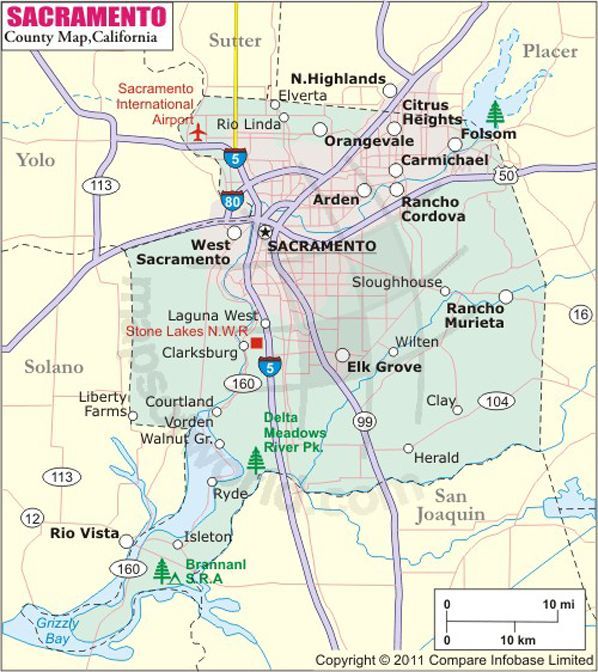
The county is home to several distinct suburban cities. Folsom, east of Sacramento, is famous for Folsom Lake, popular for boating, swimming, and camping. The historic Folsom Old Town offers quaint shops and the infamous Folsom Prison Museum. South, Elk Grove presents a family-friendly atmosphere with numerous parks and community events. Rancho Cordova to the east, a growing city, is known for its business parks and access to the American River Parkway. These communities provide additional opportunities for dining, shopping, and recreation, diversifying the visitor’s itinerary.
Agricultural Richness
Agriculture significantly shapes Sacramento County’s identity. Fertile lands around urban areas host numerous farms, orchards, and vineyards. This heritage fuels Sacramento’s “Farm-to-Fork” movement, ensuring fresh, seasonal produce. Travelers can explore fruit stands, u-pick farms, or visit local creameries. County agricultural fairs and festivals offer insights into this vital sector and family-friendly entertainment.

Regional Accessibility
Sacramento County’s exceptional regional accessibility is a key asset for travelers. Situated at the crossroads of major highways (I-5 and US-50), it serves as an ideal base for exploring Northern California. Iconic destinations like Lake Tahoe are a two-hour drive east. The world-renowned wine regions of Napa Valley and Sonoma are less than two hours west, while San Francisco is also within easy reach. This central position makes Sacramento County not just a destination but a gateway to many of California’s celebrated attractions, solidifying its importance on any travel itinerary.
LifeOutOfTheBox is a participant in the Amazon Services LLC Associates Program, an affiliate advertising program designed to provide a means for sites to earn advertising fees by advertising and linking to Amazon.com. Amazon, the Amazon logo, AmazonSupply, and the AmazonSupply logo are trademarks of Amazon.com, Inc. or its affiliates. As an Amazon Associate we earn affiliate commissions from qualifying purchases.