
Navigating the Complexities of Long-Term Accommodation Financing in California
Securing long-term accommodation in California often involves one of the most significant financial decisions an individual or family will make: purchasing a home. Understanding the current mortgage rate environment is paramount for anyone considering this long-term stay option, as these rates directly impact affordability, monthly payments, and ultimately, the viability of homeownership in the Golden State. While specific rates fluctuate daily based on a multitude of economic indicators, delving into the underlying factors provides a clearer picture for prospective homeowners.
Key Factors Influencing Mortgage Rates for California Accommodation
The “current mortgage rate” is not a singular, fixed number but rather a dynamic figure influenced by global, national, and local economic forces. For those seeking accommodation in California, several critical elements play a role in determining the rates offered by lenders:

- Federal Reserve Policy and Inflation: The Federal Reserve‘s monetary policy, particularly its adjustments to the federal funds rate, significantly impacts interest rates across the board, including mortgages. When the Federal Reserve raises its benchmark rate to combat inflation, borrowing costs typically increase. Conversely, a dovish stance can lead to lower rates. Inflation itself is a major driver; if inflation is high, lenders demand higher interest rates to compensate for the eroded value of future repayments.
- Bond Market Performance: Mortgage rates are closely tied to the yield on the 10-year Treasury bond. As bond yields rise, mortgage rates generally follow suit, and vice versa. This relationship is crucial for understanding daily fluctuations. The bond market reacts to economic news, geopolitical events, and investor sentiment, making it a real-time barometer for mortgage rate trends.
- Economic Strength and Employment Data: A robust economy, characterized by strong job growth and consumer confidence, can lead to higher interest rates as demand for loans increases and the risk of default decreases. Conversely, economic downturns or uncertainties often push rates lower as central banks try to stimulate activity. For those looking for long-term accommodation in California, strong local employment figures in areas like Silicon Valley or Southern California can indirectly influence local lending conditions.
- Housing Market Dynamics: While not a direct determinant of rates, the supply and demand within California’s housing market can influence lender behavior and specific loan products. In competitive markets with high demand for accommodation, lenders might offer slightly more aggressive rates to attract borrowers, or conversely, be less flexible. The sheer cost of accommodation in regions like Los Angeles or San Francisco means higher loan amounts, which can sometimes influence a lender’s risk assessment and therefore, the rate offered.
- Lender-Specific Factors: Each lender has its own risk assessment criteria, operational costs, and profit margins. These factors lead to variations in rates offered by different banks, credit unions, and mortgage brokers. It is imperative for anyone seeking long-term accommodation financing to compare offers from multiple providers to secure the most favorable terms.
Types of Mortgages and Their Impact on Homeownership
The choice of mortgage product significantly affects the “current rate” you ultimately pay and the stability of your long-term accommodation costs.
- Fixed-Rate Mortgages (FRMs): The most common choice for stability, FRMs offer a consistent interest rate and monthly payment for the entire loan term (e.g., 15, 20, or 30 years). This predictability is highly valued by those planning a truly long-term stay, as it insulates them from future rate increases, making budgeting for accommodation expenses much simpler.
- Adjustable-Rate Mortgages (ARMs): ARMs typically offer a lower initial interest rate for a fixed period (e.g., 3, 5, 7, or 10 years) before adjusting periodically based on a market index. While the initial lower rate can make accommodation more affordable in the short term, the risk of higher payments later is a significant consideration. ARMs are often suitable for individuals who anticipate selling their California home or refinancing before the adjustment period ends, or those who are comfortable with potential payment volatility.
- Government-Backed Loans (FHA, VA, USDA): These programs are designed to make accommodation more accessible. FHA loans, backed by the Federal Housing Administration, require lower down payments and have more flexible credit requirements, though they come with mortgage insurance premiums. VA loans, for eligible service members and veterans, offer competitive rates with no down payment requirement. While USDA loans are for rural areas, their applicability in densely populated California is limited. These loan types can offer rates distinct from conventional loans due to their government backing.
Navigating California’s Diverse Housing Markets and Accommodation Costs
California’s vast and diverse landscape means that “current mortgage rates” apply to an incredibly varied range of accommodation costs. From the bustling urban centers to serene coastal towns and expansive agricultural valleys, the price of a home—and consequently, the loan amount required—can vary dramatically. This regional variation significantly influences the practical implications of any given mortgage rate.
Regional Rate Variations and Affordability for Accommodation
While the base interest rate might be similar across the state, the impact of that rate on monthly payments and overall affordability is drastically different depending on where one seeks long-term accommodation.
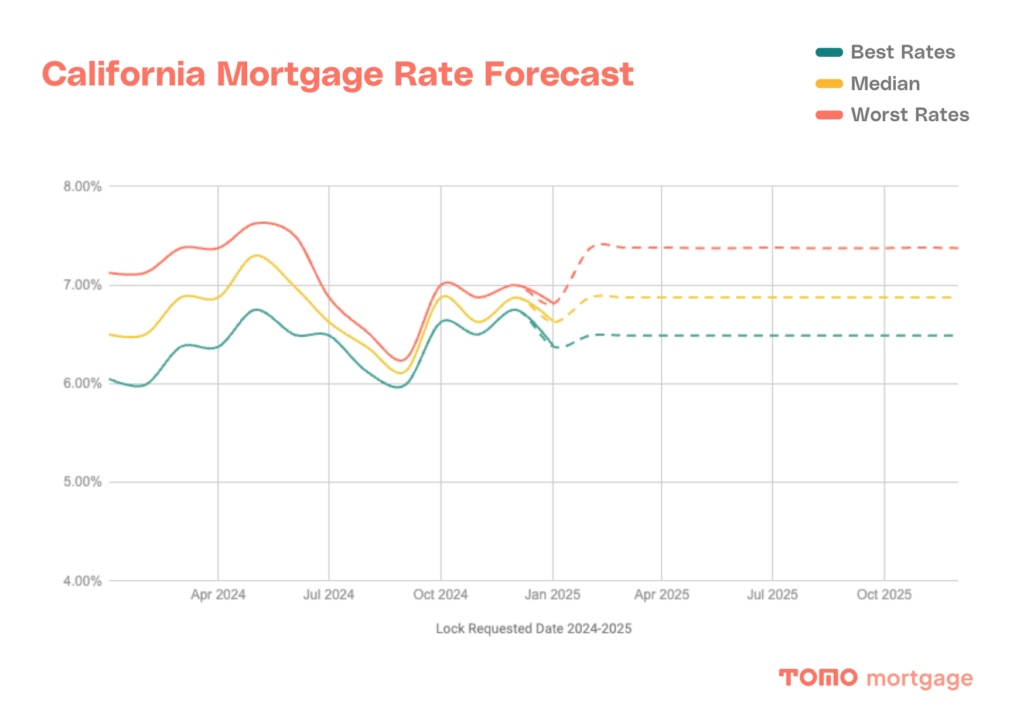
- High-Cost Coastal Areas: In regions like the San Francisco Bay Area, Los Angeles County, Orange County, and San Diego, median home prices are among the highest in the nation. A seemingly small increase in the mortgage rate can translate into hundreds or even thousands of dollars more per month in payments for a typical home. This makes even a fractional change in rates a critical factor for affordability, often pushing potential homeowners towards alternative accommodation strategies or smaller properties.
- Inland Empire and Central Valley: Areas such as the Inland Empire (including cities like Riverside and San Bernardino) and the Central Valley (including Sacramento and Fresno) generally offer more attainable home prices. Here, the impact of current mortgage rates, while still significant, might allow for a broader range of accommodation options. However, these markets are also seeing substantial appreciation, meaning rates still play a crucial role in managing the financial commitment.
- Northern California and Rural Areas: Beyond the Bay Area, parts of Northern California and its more rural counties offer lower median home prices, making long-term accommodation more accessible for a given income. In these areas, mortgage rates remain important for budgeting, but the lower principal amounts can somewhat mitigate the immediate sting of higher rates compared to the state’s most expensive markets.
Understanding these regional differences is vital for anyone assessing “what the current mortgage rate means for me in California.” A rate that feels manageable for a home in Bakersfield might be prohibitive for a comparable property in Santa Monica.
The Role of Credit and Down Payments in Securing Your California Home
Beyond the overarching market rates, an individual’s financial profile plays a substantial role in the specific mortgage rate they are offered for their long-term accommodation.
- Credit Score: A strong credit score (typically 740 or higher) signals to lenders that a borrower is low-risk, resulting in access to the most competitive interest rates. Conversely, a lower credit score often leads to higher rates, as lenders price in the increased risk of default. Preparing for homeownership in California should always include efforts to improve and maintain a healthy credit profile.
- Down Payment: A larger down payment reduces the loan-to-value (LTV) ratio, which is attractive to lenders. Borrowers who can provide a substantial down payment (e.g., 20% or more) often qualify for better rates, as it reduces the lender’s exposure and may also eliminate the need for private mortgage insurance (PMI), further lowering monthly accommodation costs. In California’s high-cost markets, accumulating a sufficient down payment can be a significant hurdle, but its impact on securing favorable rates is undeniable.
- Debt-to-Income (DTI) Ratio: Lenders assess a borrower’s DTI ratio to ensure they can comfortably manage monthly mortgage payments alongside existing debts. A lower DTI ratio indicates greater financial capacity and can lead to better loan terms, including more competitive rates.
Future Outlook and Strategic Planning for California Long-Term Accommodation
Predicting future mortgage rates with certainty is impossible, given the dynamic nature of global and national economies. However, prospective homeowners planning for long-term accommodation in California can adopt strategic approaches to navigate the evolving rate environment.
Monitoring Economic Indicators for Informed Accommodation Decisions
Staying informed about macroeconomic trends is crucial. Keep an eye on:
- Federal Reserve announcements: Statements from the Federal Reserve often provide clues about future interest rate policy.
- Inflation reports: Consumer Price Index (CPI) and Personal Consumption Expenditures (PCE) reports indicate inflationary pressures, which directly influence rates.
- Employment data: Reports from the Bureau of Labor Statistics on job creation and unemployment rates reflect economic health.
- Housing market trends: Local data on inventory, sales volume, and median prices in areas like Oakland, San Jose, or Long Beach can indicate market shifts.
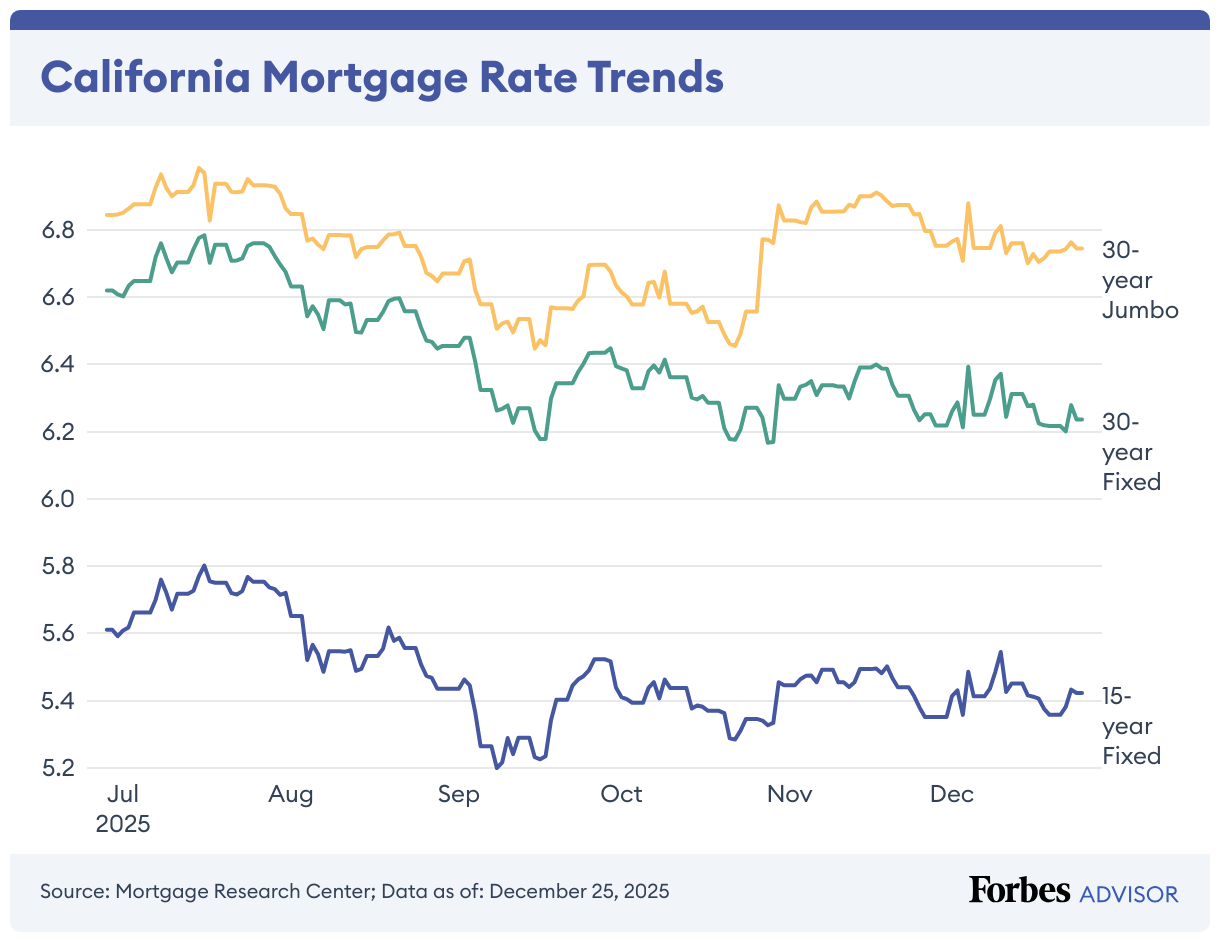
For those planning a long-term stay, understanding that mortgage rates are cyclical is also important. Historically, rates have risen and fallen over time. What constitutes a “good” rate today might be different tomorrow, but focusing on what is affordable within one’s budget remains the paramount consideration.
Strategic Approaches to Securing Your California Home
- Pre-Approval: Obtaining a mortgage pre-approval before seriously searching for accommodation in California is essential. This process provides a clear understanding of what loan amount you qualify for at current rates and demonstrates your seriousness to sellers.
- Rate Locks: Once you have an accepted offer on a property, you can often “lock” your interest rate for a specific period (e.g., 30, 45, or 60 days). This protects you if rates rise before your loan closes. Carefully consider the length of the lock period and any associated fees.
- Considering Refinancing Options: For those who purchase accommodation when rates are higher, the option to refinance into a lower rate becomes available if market conditions improve in the future. This requires careful consideration of closing costs versus potential long-term savings.
- Working with a Knowledgeable Professional: Given the complexities of California’s housing market and the dynamic nature of mortgage rates, collaborating with an experienced mortgage broker or lender is invaluable. They can offer personalized advice, compare various loan products, and guide you through the intricacies of financing your long-term accommodation.
In conclusion, “What is the current mortgage rate in California?” is a multifaceted question with no simple answer. It depends on global economic forces, national monetary policy, regional housing market dynamics, and, crucially, your individual financial profile. For anyone seeking to establish long-term accommodation in this vibrant state, a thorough understanding of these elements is not just beneficial—it is absolutely essential for making an informed, financially sound decision.
LifeOutOfTheBox is a participant in the Amazon Services LLC Associates Program, an affiliate advertising program designed to provide a means for sites to earn advertising fees by advertising and linking to Amazon.com. Amazon, the Amazon logo, AmazonSupply, and the AmazonSupply logo are trademarks of Amazon.com, Inc. or its affiliates. As an Amazon Associate we earn affiliate commissions from qualifying purchases.