
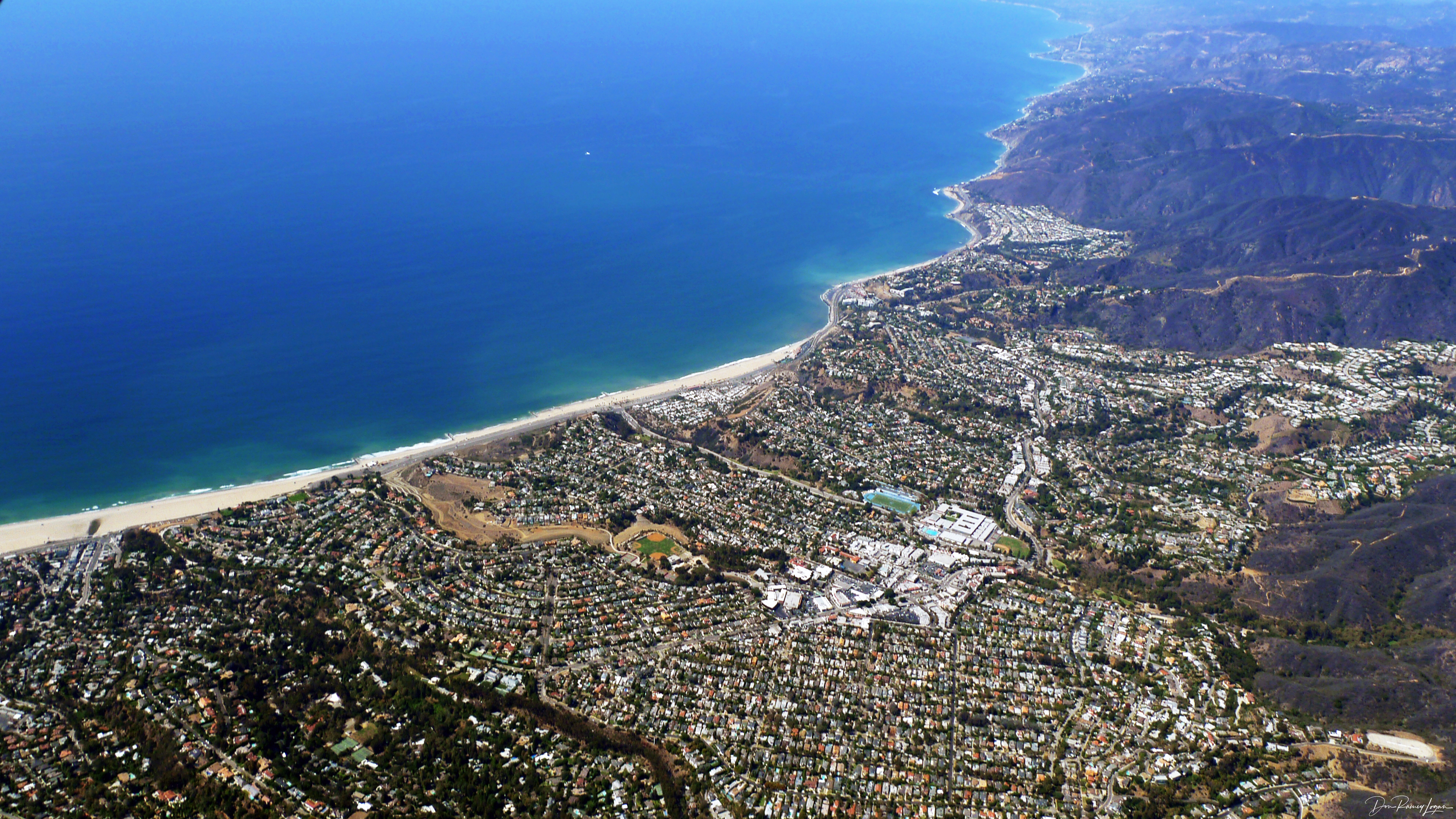
The term “The Palisades” in California typically refers to the renowned community of Pacific Palisades, an affluent coastal neighborhood nestled within the sprawling metropolis of Los Angeles. More specifically, it often evokes the dramatic bluffs and cliffs that define its western edge, offering breathtaking vistas of the Pacific Ocean and the Santa Monica Bay. Far more than just a geographical feature, Pacific Palisades is a distinctive landmark characterized by its unique blend of natural beauty, rich history, and a vibrant, albeit exclusive, community culture. It stands as a testament to Southern California‘s allure, combining suburban tranquility with unparalleled access to both wilderness and metropolitan amenities.
A Geographical and Cultural Overview
Pacific Palisades is strategically positioned along the westernmost edge of Los Angeles County, creating a natural boundary that sets it apart. Its designation as “The Palisades” directly stems from the prominent marine terraces and cliffs that sculpt its coastline, formations known geologically as sea cliffs or palisades. These towering natural structures not only define its aesthetic but also play a critical role in its local ecosystem and historical development.
Defining the Boundaries
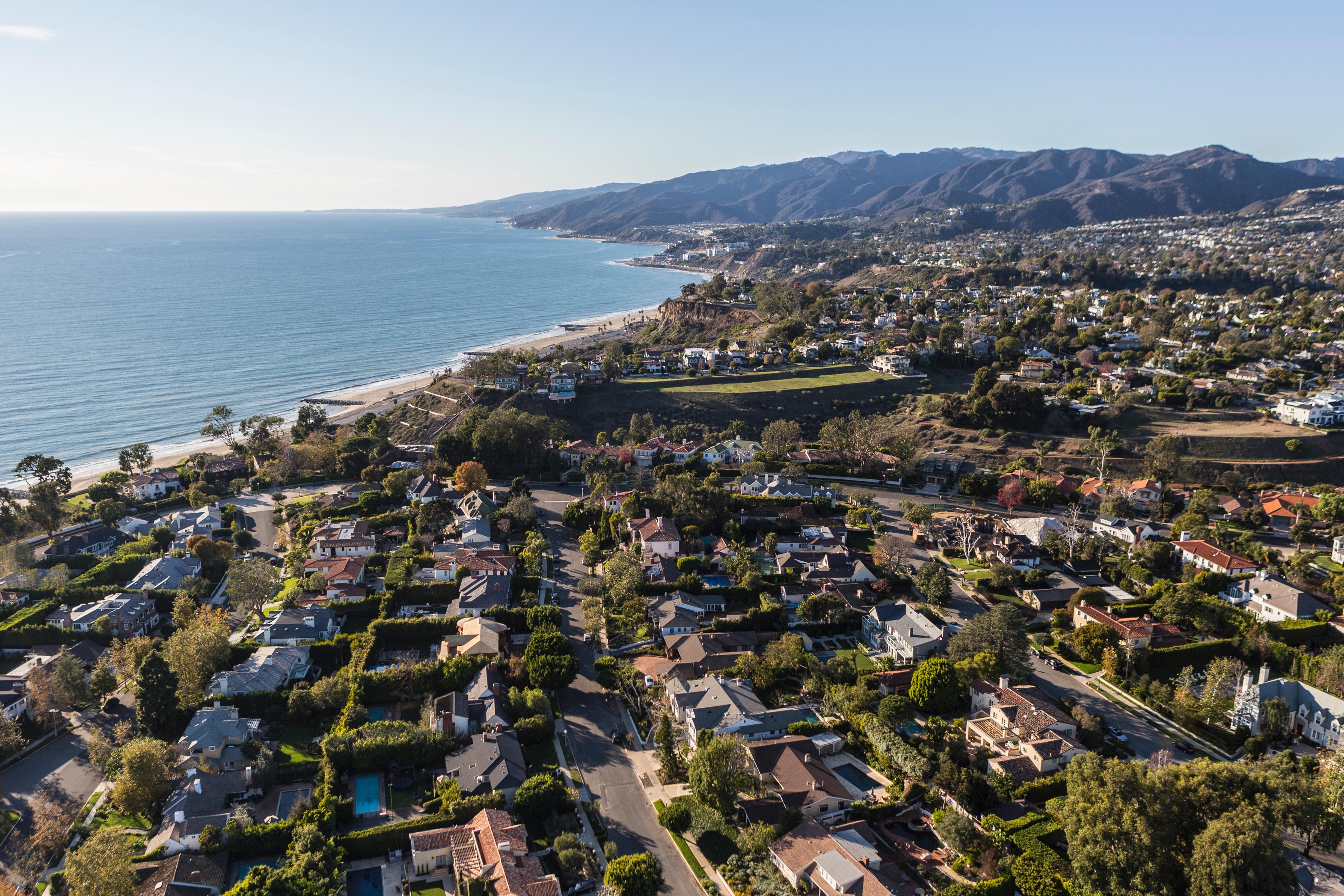
Geographically, Pacific Palisades is bordered by the Pacific Ocean to the west, Santa Monica to the southeast, Brentwood to the east, and the Santa Monica Mountains and Topanga Canyon to the north. This unique configuration grants it a semi-secluded feel despite its proximity to major urban centers. The community is broadly structured around its quaint “Village” area, which serves as a central hub for commerce, dining, and social interaction. Beyond this core, a mosaic of distinct residential neighborhoods, each with its own character, sprawls across the undulating terrain. Areas like the Alphabet Streets, the Via Mesa section, and the more elevated Highlands offer diverse living experiences, all unified by the overarching identity of Pacific Palisades. The dramatic elevation changes throughout the area contribute to its iconic views, with many residences perched to capture sweeping panoramas of the ocean, coastline, and city lights.
An Idyllic Coastal Setting
The charm of Pacific Palisades lies in its harmonious integration with its natural surroundings. The cool, ocean breezes temper the Southern California sun, creating a Mediterranean climate ideal for lush landscaping and outdoor living. The immediate presence of the Pacific Ocean means daily encounters with marine wildlife, from soaring seabirds to migrating whales visible from the bluffs. The interplay of chaparral-covered hillsides, deep canyons, and sandy beaches creates a rich biodiversity, making it a significant ecological zone within the urban fabric of Los Angeles. This commitment to preserving natural spaces is a hallmark of the community, influencing everything from zoning regulations to local recreation opportunities.
Historical Roots and Development
The history of Pacific Palisades is a compelling narrative of transformation, from ancient indigenous lands to a pastoral ranch, and finally to the distinguished residential area it is today. Understanding its past is crucial to appreciating its present identity as a landmark community.
From Ranchos to Residential Enclave
Prior to European settlement, the land now known as Pacific Palisades was inhabited by the Chumash and Tongva Native American tribes for thousands of years, who utilized its abundant natural resources. With the arrival of the Spanish, the area became part of Rancho Boca de Santa Monica, a Mexican land grant encompassing much of present-day Santa Monica and Pacific Palisades.
The modern era of Pacific Palisades began in the early 20th century when Reverend Charles H. Scott, a Methodist minister, purchased the vast tract of land in 1922. His vision was to create a “Christian Utopia” – a meticulously planned community free of alcohol and gambling, focusing on spiritual and intellectual pursuits. This ethos significantly shaped the initial development, including the establishment of the Chautauqua Assembly, a summer retreat for cultural and educational enrichment that drew prominent speakers and artists. Although the strict religious tenets eventually faded, the foundation of a cultured, community-oriented lifestyle persisted, drawing in writers, artists, and academics, particularly during the mid-20th century. The Will Rogers State Historic Park, the former ranch of the legendary cowboy philosopher and humorist, is a prime example of this era, preserving a significant piece of the area’s heritage and offering a window into its past.
Architectural Heritage
The architectural landscape of Pacific Palisades is as diverse as its history, showcasing a blend of styles that reflect its staggered development and the tastes of its affluent residents. Early homes often featured Spanish Colonial Revival and Craftsman influences, echoing the prevailing styles of Southern California. As the community matured, particularly post-World War II, Mid-Century Modern designs gained popularity, with notable architects contributing to its residential fabric. Today, one can find a juxtaposition of grand traditional estates, contemporary architectural marvels, and charming older homes, all meticulously maintained. This architectural variety, often set against the backdrop of ocean or canyon views, adds to the landmark appeal of the neighborhood, demonstrating a continuous evolution while respecting its historical context. The Eames House (Case Study House No. 8), a quintessential example of mid-century modern architecture, is located nearby and represents the kind of design innovation that has shaped the broader Los Angeles area, including Pacific Palisades.
Natural Beauty and Outdoor Recreation
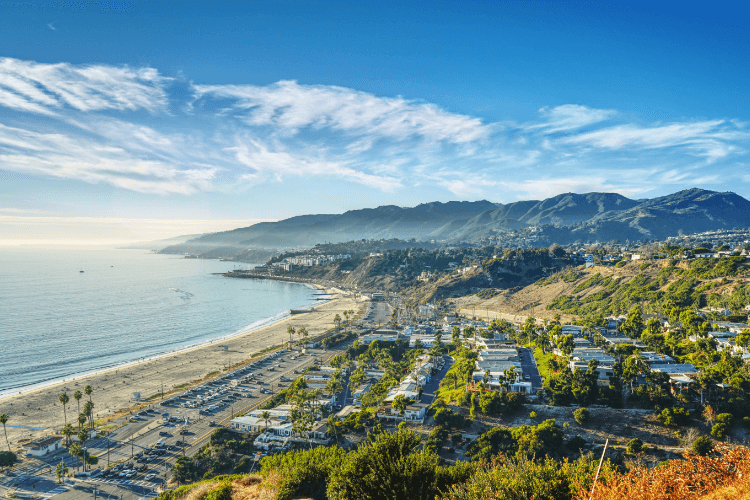
The most defining characteristic of Pacific Palisades as a landmark is its unparalleled natural environment. The combination of its dramatic coastal bluffs, verdant canyons, and pristine beaches provides a natural playground that is both visually stunning and rich in recreational opportunities.
The Majestic Pacific Palisades Bluffs
The very name “Palisades” refers to the towering coastal cliffs that plunge into the Pacific Ocean. These bluffs are not merely picturesque backdrops; they are geologically significant features, constantly shaped by erosion and tectonic activity. They offer arguably some of the most spectacular panoramic views in Southern California, stretching from Malibu to Palos Verdes and encompassing Catalina Island on clear days. These vantage points are popular spots for both residents and visitors to witness stunning sunsets, observe passing ships, and even spot dolphins and whales offshore. The integrity of these bluffs is carefully managed, with ongoing efforts to mitigate erosion and preserve their natural contours, ensuring they remain a cherished landmark for generations to come.
Parks, Trails, and Beaches
Beyond the bluffs, Pacific Palisades is interlaced with an impressive network of parks, hiking trails, and accessible beaches, fostering an active outdoor lifestyle.
- Will Rogers State Historic Park: This expansive park offers equestrian trails, polo fields, and hiking paths, including a popular loop trail to Inspiration Point, providing panoramic views of the ocean and mountains. Its historical significance as the former home of Will Rogers adds a cultural layer to its natural appeal.
- Temescal Gateway Park: A vital entry point into the Santa Monica Mountains, Temescal Gateway Park is a favored destination for hikers, offering trails that wind through canyons, past seasonal waterfalls, and to overlooks with stunning views. It perfectly exemplifies the blend of rugged wilderness within close proximity to a residential area.
- Paseo Miramar Trail: Known for its challenging ascent and incredibly rewarding vistas, this trail is a local favorite for serious hikers, delivering some of the most dramatic views of the coastline.
- Beaches: Below the palisades lie beautiful stretches of sand, including Will Rogers State Beach and access points to the wider Santa Monica Bay coastline. These beaches are popular for swimming, surfing, sunbathing, and beach volleyball, providing direct access to the Pacific Ocean and completing the coastal landmark experience.
Lifestyle and Community Spirit
While its natural beauty and historical elements firmly establish Pacific Palisades as a significant landmark, its enduring character is also defined by the distinctive lifestyle and strong community spirit it fosters. It is a place where small-town charm meets sophisticated Los Angeles living.
A Hub for Arts and Education
Reflecting its founding principles, Pacific Palisades maintains a strong emphasis on culture and education. The community is home to several highly-rated public and private schools, contributing to its reputation as a family-friendly area. Culturally, the Getty Villa, a magnificent re-creation of an ancient Roman country house, stands as a premier institution dedicated to the study of the arts and cultures of ancient Greece, Rome, and Etruria. While technically in Malibu, its immediate proximity and cultural significance make it an integral part of the Pacific Palisades cultural landscape, drawing scholars and art enthusiasts from around the world. The local library and community centers also host numerous events, workshops, and exhibitions, further enriching the cultural fabric.
Village Life and Local Gatherings
At the heart of Pacific Palisades is its charming “Village.” This central area, recently revitalized and enhanced, offers a collection of boutique shops, restaurants, cafes, and a classic movie theater. It serves as the primary gathering place for residents, fostering a sense of camaraderie and local identity. Regular farmers’ markets, seasonal festivals, and community events, such as the widely popular Fourth of July parade and fireworks display, underscore the strong communal bonds. These traditions are not merely events but expressions of the community’s desire to maintain a close-knit, village-like atmosphere, distinguishing it from the often-anonymous sprawl of Los Angeles.
Significance and Allure
In essence, “The Palisades” in California refers to Pacific Palisades, a landmark community celebrated for its dramatic coastal bluffs, rich historical narrative, and vibrant, upscale lifestyle. It is a place where natural grandeur meets refined living, offering residents and visitors alike an exceptional Southern California experience. From the sweeping ocean views atop its namesake cliffs to the tranquil canyons and bustling village, Pacific Palisades embodies a unique fusion of natural landmark, historical site, and thriving modern community, making it one of Los Angeles’s most coveted and distinguished addresses. Its enduring allure lies in this harmonious balance, continuously attracting those who seek beauty, community, and an unparalleled connection to the majestic Pacific Ocean.
LifeOutOfTheBox is a participant in the Amazon Services LLC Associates Program, an affiliate advertising program designed to provide a means for sites to earn advertising fees by advertising and linking to Amazon.com. Amazon, the Amazon logo, AmazonSupply, and the AmazonSupply logo are trademarks of Amazon.com, Inc. or its affiliates. As an Amazon Associate we earn affiliate commissions from qualifying purchases.